Department of Neurology, Shanghai University of Medicine & Health Sciences Affiliated Zhoupu Hospital, Shanghai, 201318, PR China.
Department of Neurology, Guizhou Medical University, Guiyang, Guizhou, 550025, PR China.
Bioengineered. 2021 Dec;12(1):7432-7445. doi: 10.1080/21655979.2021.1974810.
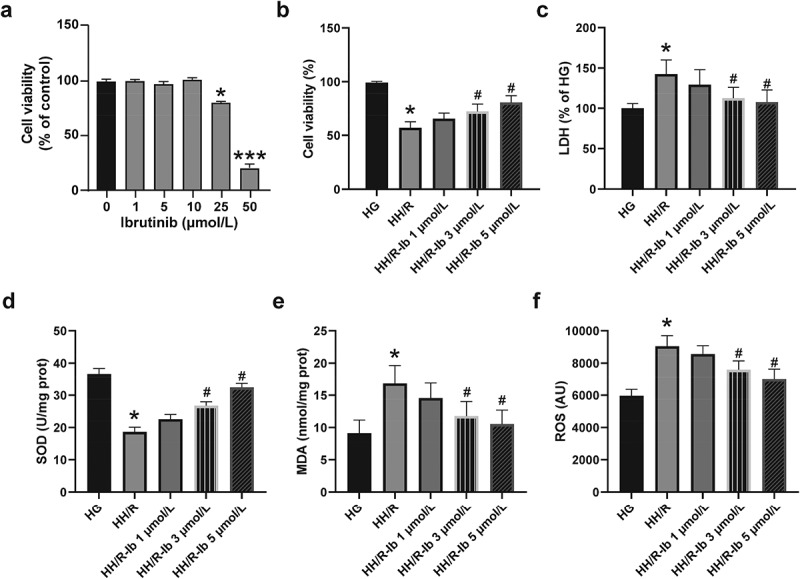
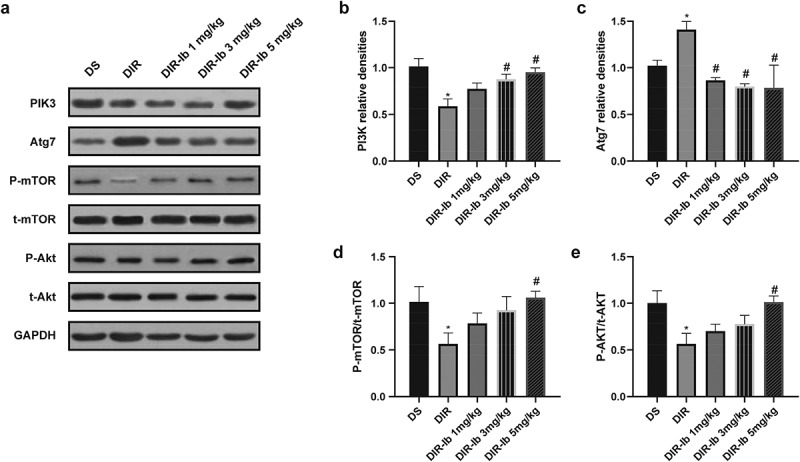
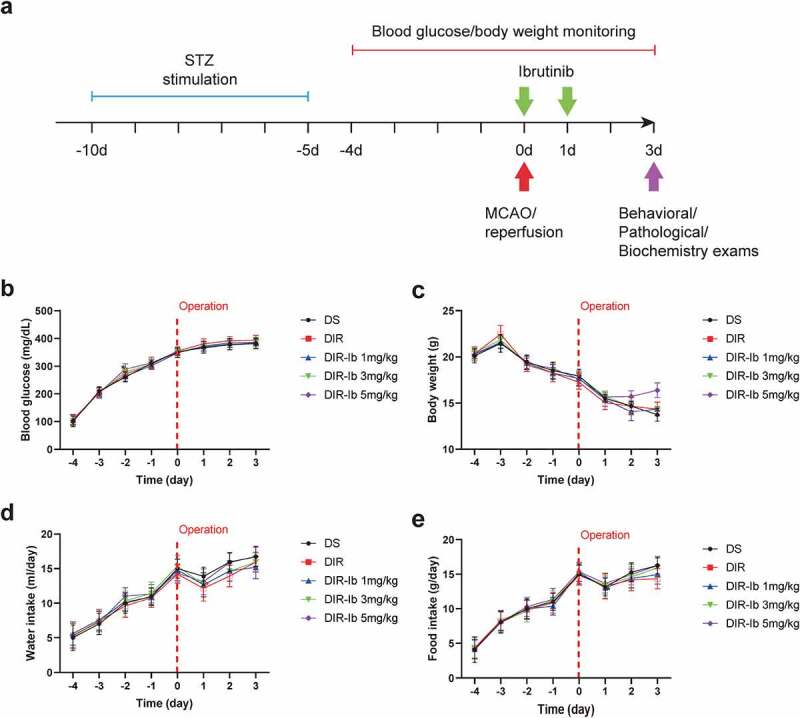
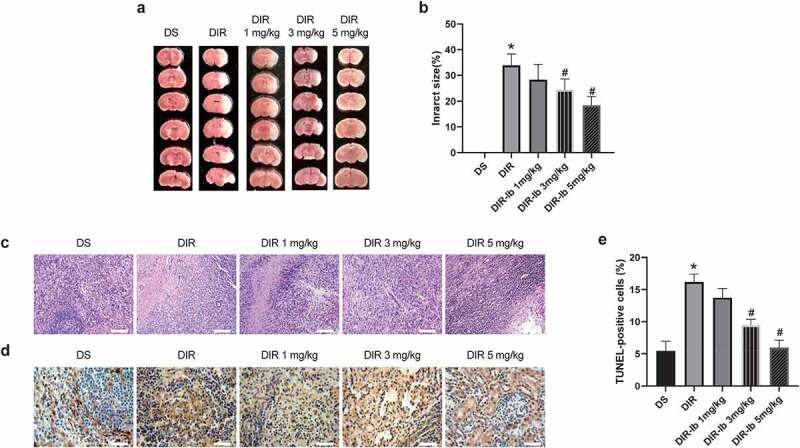
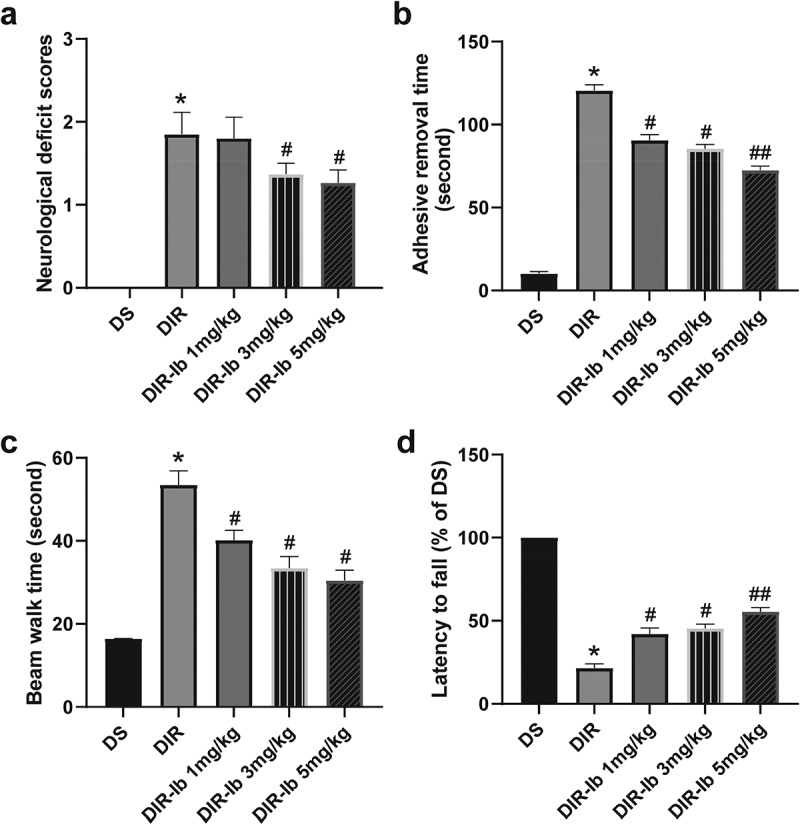
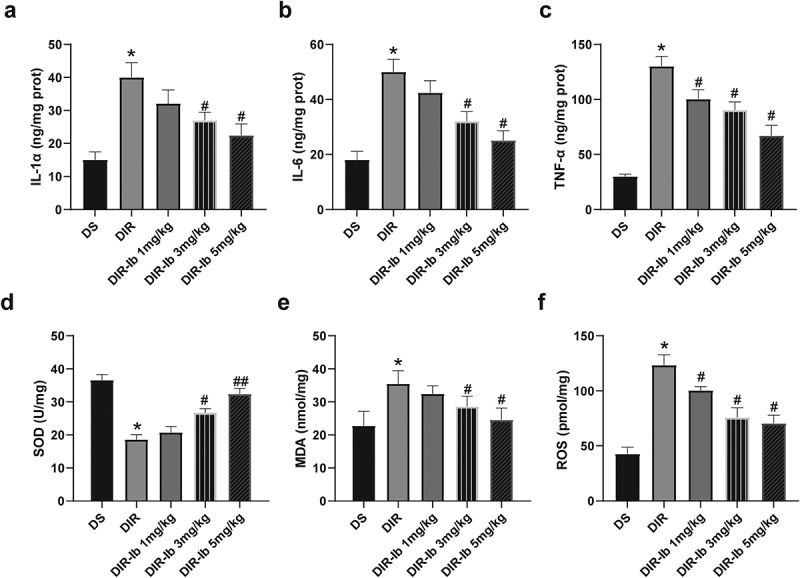
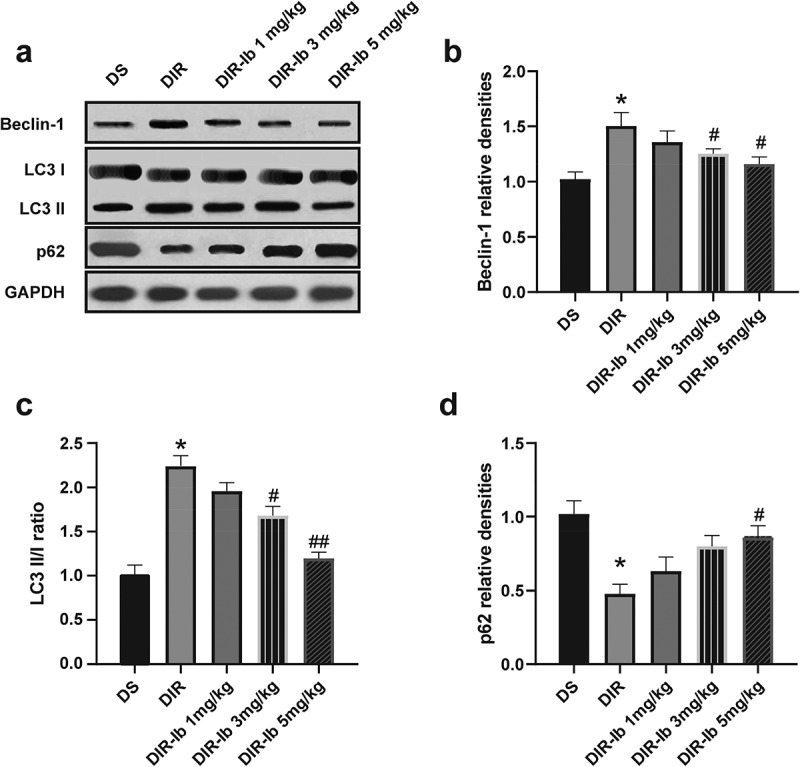
Bruton's tyrosine kinase (BTK) is involved in the diabetogenic process and cerebral ischemic injury. However, it remained unclear whether BTK inhibition has remedial effects on ischemia/reperfusion (I/R) injury complicated with diabetes. We aim to investigate the regulatory role and potential mechanism of ibrutinib, a selective inhibitor of BTK, in cerebral I/R injured diabetic mice. The cytotoxicity and cell vitality tests were performed to evaluate the toxic and protective effects of ibrutinib at different incubating concentrations on normal PC12 cells or which were exposed to high glucose for 24 h, followed by hypoxia and reoxygenation (H/R), respectively. Streptozotocin (STZ) stimulation-induced diabetic mice were subjected to 1 h ischemia and then reperfusion. Then the diabetic mice received different dosages of ibrutinib or vehicle immediately and 24 h after the middle cerebral artery occlusion (MCAO). The behavioral, histopathological, and molecular biological tests were then performed to demonstrate the neuroprotective effects and mechanism in I/R injured diabetic mice. Consequently, Ibrutinib improved the decreased cell viability and attenuated oxidative stress in the high glucose incubated PC12 cells which subjected to H/R injury. In the I/R injured diabetic mice, ibrutinib reduced the cerebral infarct volume, improved neurological deficits, ameliorated pathological changes, and improved autophagy in a slightly dose-dependent manner. Furthermore, the expression of PI3K/AKT/mTOR pathway-related proteins were significantly upregulated by ibrutinib treatment. In summary, our finding collectively demonstrated that Ibrutinib could effectively ameliorate cerebral ischemia/reperfusion injury via ameliorating inflammatory response, oxidative stress, and improving autophagy through PI3K/Akt/mTOR signaling pathway in diabetic mice.
布鲁顿酪氨酸激酶(BTK)参与糖尿病发病过程和脑缺血损伤。然而,BTK 抑制是否对合并糖尿病的缺血/再灌注(I/R)损伤具有补救作用仍不清楚。本研究旨在探讨伊布替尼(BTK 的选择性抑制剂)对脑 I/R 损伤合并糖尿病小鼠的调节作用及其潜在机制。采用不同孵育浓度的伊布替尼对正常 PC12 细胞或暴露于高糖 24 h 后再进行缺氧复氧(H/R)的 PC12 细胞进行细胞毒性和细胞活力检测,以评估伊布替尼的毒性和保护作用。链脲佐菌素(STZ)刺激诱导糖尿病小鼠进行 1 h 缺血,然后再进行再灌注。然后,糖尿病小鼠在大脑中动脉闭塞(MCAO)后立即和 24 h 分别接受不同剂量的伊布替尼或载体。然后进行行为学、组织病理学和分子生物学检测,以证明 I/R 损伤合并糖尿病小鼠的神经保护作用及其机制。结果表明,伊布替尼改善了高糖孵育的 PC12 细胞 H/R 损伤后细胞活力的降低和氧化应激的减轻。在 I/R 损伤合并糖尿病小鼠中,伊布替尼以轻度剂量依赖性方式降低脑梗死体积,改善神经功能缺损,改善病理变化,并改善自噬。此外,伊布替尼治疗显著上调了 PI3K/AKT/mTOR 通路相关蛋白的表达。综上所述,我们的研究结果表明,伊布替尼通过改善 PI3K/Akt/mTOR 信号通路介导的炎症反应、氧化应激和自噬,可有效改善糖尿病小鼠的脑缺血再灌注损伤。