School of Animal Science and Technology, Guangxi University, Nanning, People's Republic of China.
School of Preclinical Medicine, Guangxi Medical University, Nanning, People's Republic of China.
Parasit Vectors. 2019 Jul 23;12(1):358. doi: 10.1186/s13071-019-3615-4.
Excretory/secretory products (ESPs) released by parasites influence the development and functions of host dendritic cells (DCs). However, little is known about changes of DNA (hydroxy)methylation on DC development during Fasciola gigantica infection. The present study aimed to investigate whether F. gigantica ESPs (FgESPs) affects the development and functions of buffalo DCs through altering the DNA (hydroxy)methylation of DCs.
Buffalo DCs were prepared from peripheral blood mononuclear cells (PBMCs) and characterized using scanning and transmission electron microscopy (SEM/TEM) and quantitative reverse transcriptional PCR (qRT-RCR). DCs were treated with 200 μg/ml of FgESPs in vitro, following DNA extraction. The DNA methylome and hydroxymethylome were profiled based on (hydroxy)methylated DNA immunoprecipitation sequencing [(h)MeDIP-Seq] and bioinformatics analyses. qRT-RCR was also performed to assess the gene transcription levels of interest.
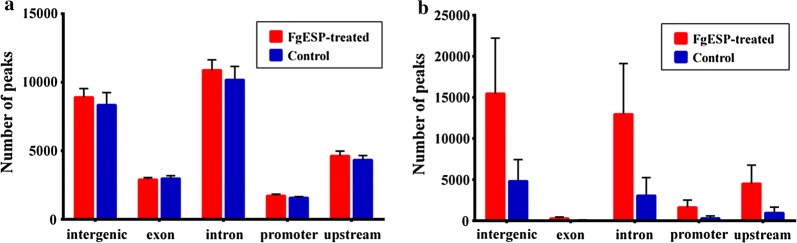
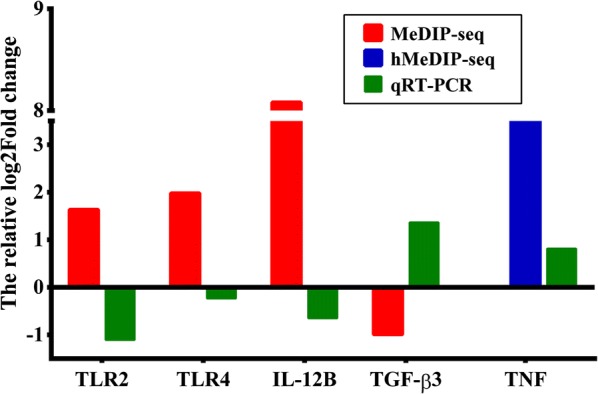
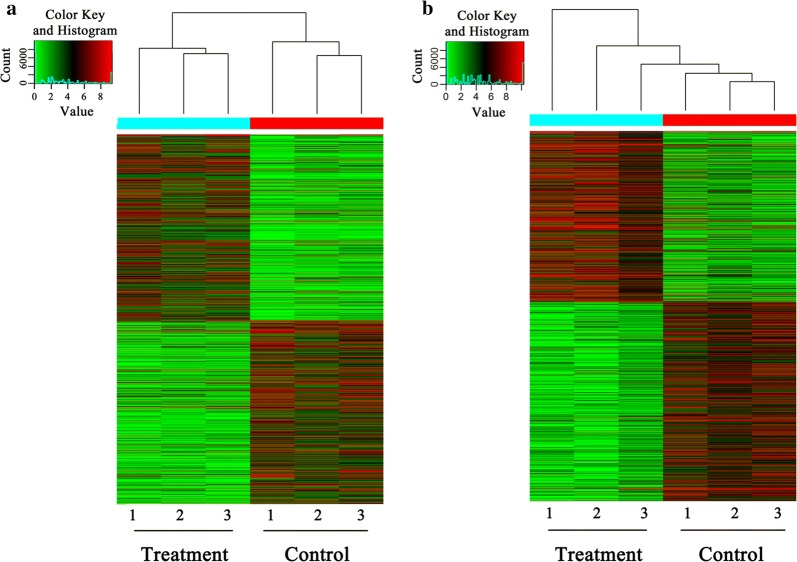
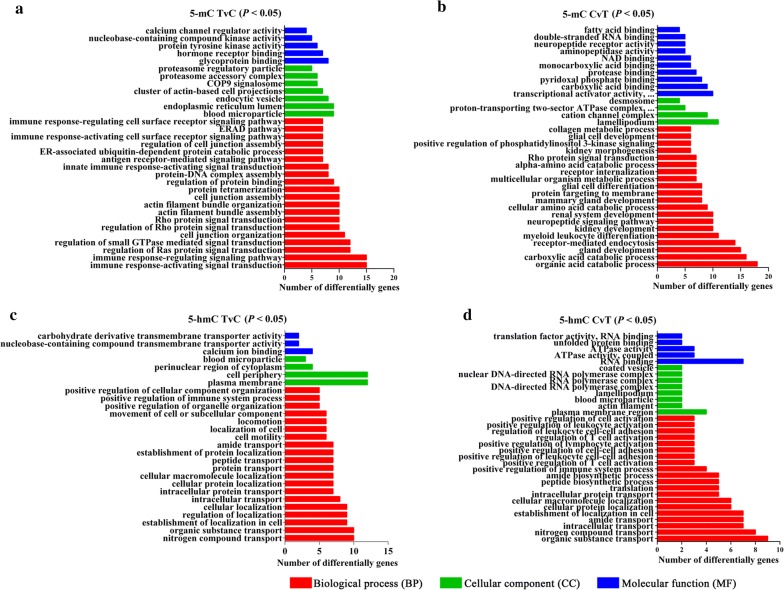
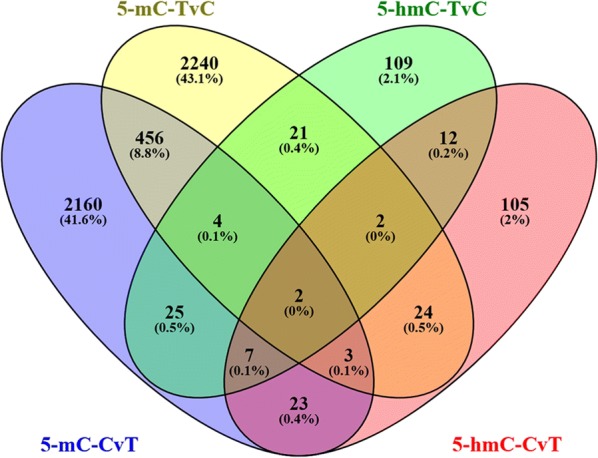
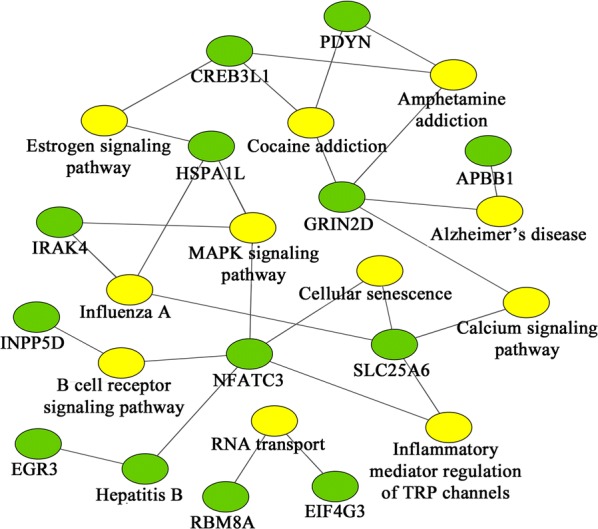
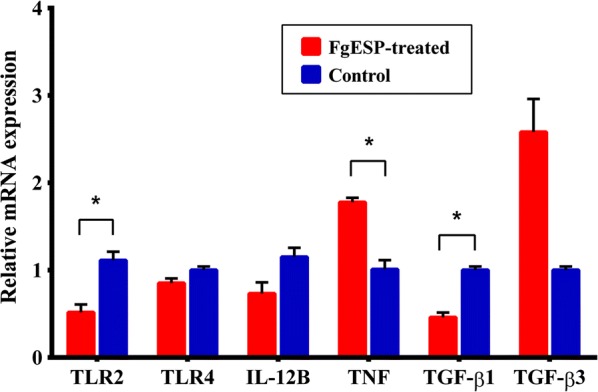
FgESPs markedly suppressed DC maturation evidenced by morphological changes and downregulated gene expression of CD1a and MHC II. Totals of 5432 and 360 genes with significant changes in the 5-methylcytosine (5-mC) and the 5-hydroxymethylcytosine (5-hmC) levels, respectively, were identified in buffalo DCs in response to FgESPs challenge. Gene Ontology (GO) and Kyoto Encyclopedia of Genes and Genomes (KEGG) analysis revealed that these differentially expressed genes were highly enriched in pathways associated with immune response. Some cancer-related pathways were also indicated. There were 111 genes demonstrating changes in both 5-mC and 5-hmC levels, 12 of which were interconnected and enriched in 12 pathways. The transcription of hypermethylated genes TLR2, TLR4 and IL-12B were downregulated or in a decreasing trend, while the mRNA level of high-hydroxymethylated TNF gene was upregulated in buffalo DCs post-exposure to FgESPs in vitro.
To our knowledge, the present study provides for the first time a unique genome-wide profile of DNA (hydroxy)methylation for DCs that interact with FgESPs, and suggests a possible mechanism of FgESPs in suppressing DC maturation and functions that are involved in TLR signaling.
寄生虫的排泄/分泌产物 (ESPs) 会影响宿主树突状细胞 (DC) 的发育和功能。然而,在华支睾吸虫感染过程中,关于 DC 发育过程中 DNA(羟)甲基化变化的信息却知之甚少。本研究旨在探讨华支睾吸虫 ESPs (FgESPs) 是否通过改变 DC 的 DNA(羟)甲基化来影响水牛 DC 的发育和功能。
从外周血单核细胞 (PBMCs) 中制备水牛 DC,并通过扫描和透射电子显微镜 (SEM/TEM) 和定量逆转录 PCR (qRT-RCR) 进行鉴定。体外用 200μg/ml 的 FgESPs 处理 DC,然后提取 DNA。基于(羟)甲基化 DNA 免疫沉淀测序 [(h)MeDIP-Seq] 和生物信息学分析,对 DNA 甲基化组和羟甲基化组进行分析。还进行了 qRT-RCR 以评估感兴趣的基因转录水平。
FgESPs 明显抑制了 DC 的成熟,表现为形态变化和 CD1a 和 MHC II 基因表达下调。在华支睾吸虫刺激下,水牛 DC 中分别有 5432 个和 360 个基因的 5-甲基胞嘧啶 (5-mC) 和 5-羟甲基胞嘧啶 (5-hmC) 水平发生显著变化。GO 和 KEGG 分析表明,这些差异表达基因在与免疫反应相关的途径中高度富集。还显示出一些与癌症相关的途径。有 111 个基因在 5-mC 和 5-hmC 水平上都发生了变化,其中 12 个基因相互连接并富集在 12 条途径中。TLR2、TLR4 和 IL-12B 的高甲基化基因的转录下调或呈下降趋势,而 TNF 的高羟甲基化基因的 mRNA 水平在体外暴露于 FgESPs 后上调。
据我们所知,本研究首次为与 FgESPs 相互作用的 DC 的 DNA(羟)甲基化提供了独特的全基因组图谱,并提出了 FgESPs 抑制 DC 成熟和功能的可能机制,该机制涉及 TLR 信号。