Hegde Kuthpady Manasa, R Neeraja, Srinivasan Ila, D R Murali Krishna, Melwani Anjana, Radhakrishna Sreeraksha
Department of Pediatric ad Preventive Dentistry, MR Ambedkar Dental College and Hospital, Bengaluru, Karnataka, India.
J Dent Anesth Pain Med. 2019 Jun;19(3):143-149. doi: 10.17245/jdapm.2019.19.3.143. Epub 2019 Jun 30.
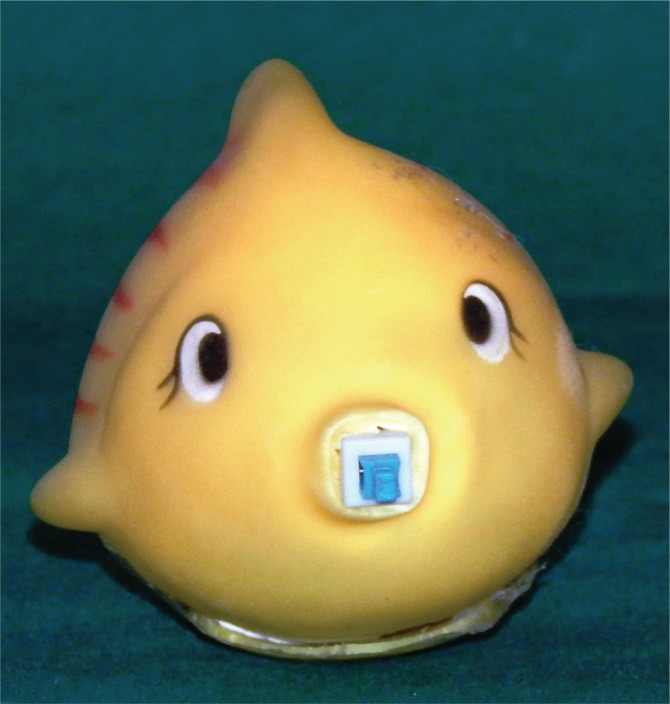
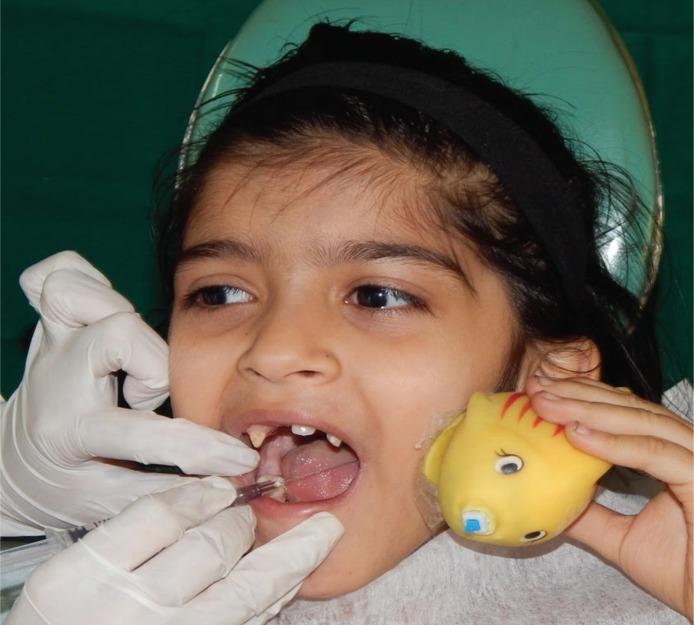
Uncooperative behavior of children due to dental anxiety may interfere with the effective delivery of dental care and compromise the quality of treatment provided. Injection of local anesthesia is one of the most anxiety-inducing stimuli in pediatric dentistry. This study aimed to compare the efficacy of a child-friendly device, having a combined effect of vibration and distraction, with the conventional method of injection on pain, anxiety, and behavior of pediatric patients aged 6-11 years.
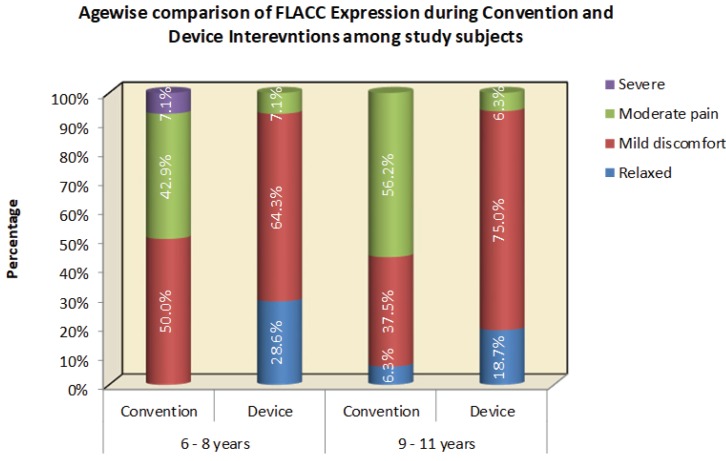
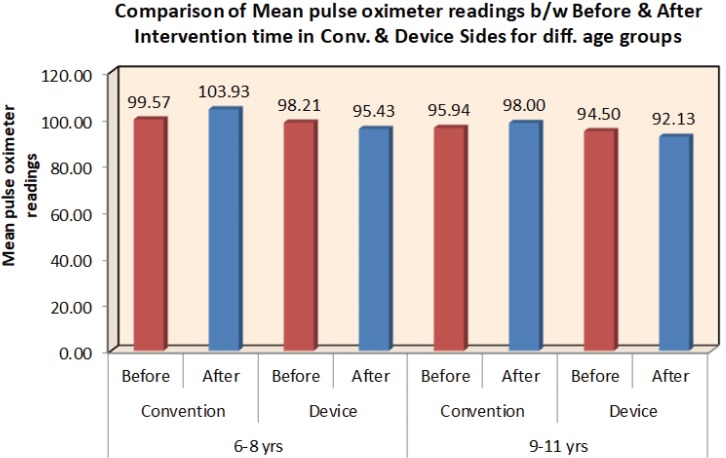
This randomized, crossover, split-mouth study included 30 children requiring a bilateral inferior alveolar nerve block. The children were equally divided into two groups: group 1, aged 6-8 and group 2, aged 9-11 years. All children were injected with anesthesia using the conventional and device method in two separate sessions. They were assessed for anxiety by measuring the pulse rate before and during the administration of local anesthesia. Behavior was assessed using Faces, Legs, Activity, Cry, Consolability (FLACC) scale, and the child's experience while receiving anesthesia was assessed using the Wong Bakers Pain Rating Scale.
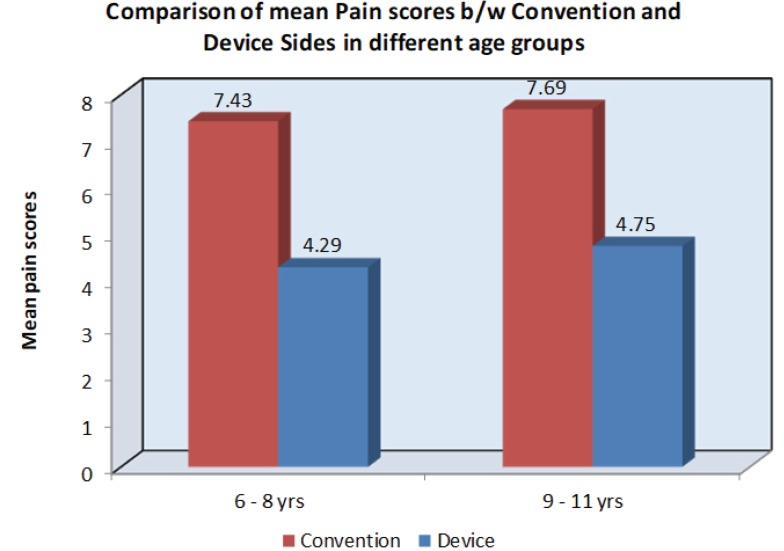
Results showed that the children who received local anesthesia using the device method had a lower mean pulse rate, FLACC scores, and pain rating scores than those who received local anesthesia using the conventional method.
The device method was more effective than the conventional method in managing pain, anxiety, and behavior of patients aged 6-11 years. The device is a cost effective, simple, and child-friendly product for administrating local anesthesia in pediatric patients.
牙科焦虑导致的儿童不合作行为可能会干扰牙科护理的有效实施,并影响所提供治疗的质量。局部麻醉注射是儿童牙科中最引发焦虑的刺激之一。本研究旨在比较一种具有振动和分散注意力综合效果的儿童友好型装置与传统注射方法在6至11岁儿科患者的疼痛、焦虑和行为方面的疗效。
这项随机、交叉、双侧对照研究纳入了30名需要进行双侧下牙槽神经阻滞的儿童。儿童被平均分为两组:1组年龄为6至8岁,2组年龄为9至11岁。所有儿童在两个单独的疗程中分别使用传统方法和装置方法进行麻醉注射。通过测量局部麻醉给药前和给药期间的脉搏率来评估焦虑程度。使用面部、腿部、活动、哭闹、安慰度(FLACC)量表评估行为,使用面部表情疼痛评分量表评估儿童在接受麻醉时的体验。
结果显示,使用装置方法接受局部麻醉的儿童的平均脉搏率、FLACC评分和疼痛评分均低于使用传统方法接受局部麻醉的儿童。
在管理6至11岁患者的疼痛、焦虑和行为方面,装置方法比传统方法更有效。该装置是一种经济高效、简单且儿童友好的产品,用于儿科患者的局部麻醉给药。