Center for Vaccines and Immunology, Department of Infectious Diseases, University of Georgia , Athens , USA.
Hum Vaccin Immunother. 2019;15(9):2075-2080. doi: 10.1080/21645515.2019.1631135. Epub 2019 Jul 26.
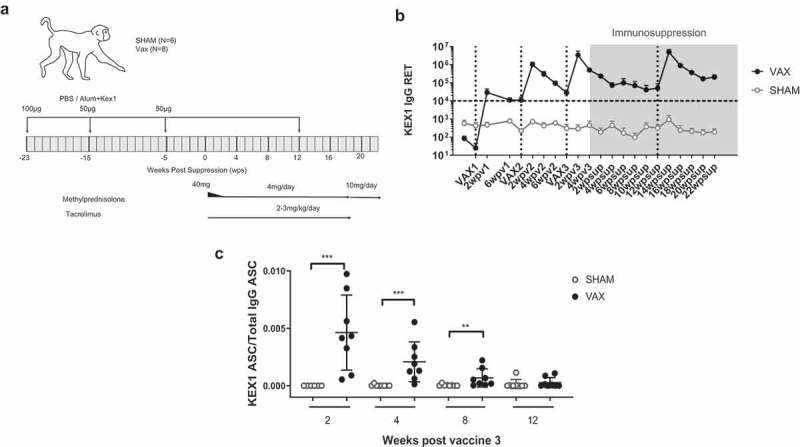
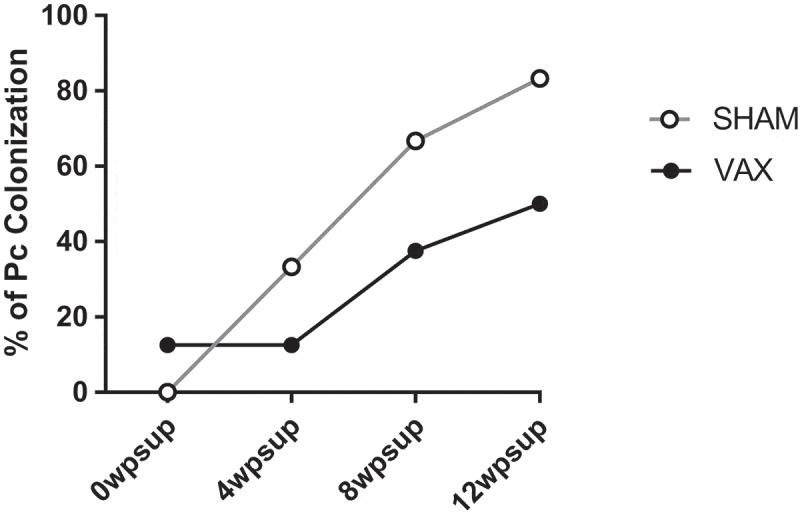
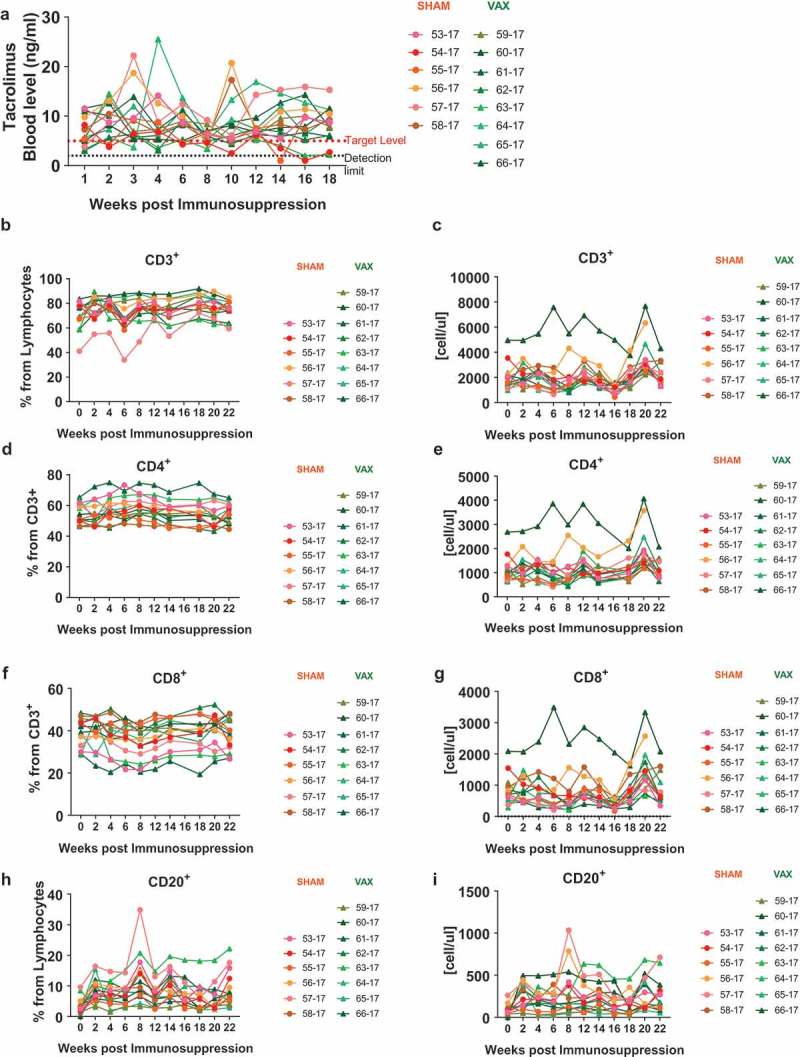
Infection with the opportunistic fungal pathogen, causes life-threatening pneumonia in immunocompromised individuals. In addition to HIV-1 infected patients, individuals at risk of infection include those receiving immunosuppressive therapies due to transplantation, cancer or autoimmune disease. Antibiotic treatment is not always successful, and it does not prevent obstructive lung disease after clearance of the pathogen. Therefore, it is essential to develop therapeutic alternatives that are more effective against PCP. We reported that recombinant protein KEX1 induces protective immunity against the development of PCP in a non-human primate model of HIV-induced immunosuppression. In this study, we tested the immunogenicity KEX1 immunization of healthy rhesus macaques and the durability of these responses during drug-induced immunosuppression using tacrolimus (FK506) and methylprednisolone. We observed that vaccination with KEX1 prior to the start of the immunosuppressive regimen generated a robust and long-lasting antibody response that was maintained throughout the immunosuppressive treatment. Furthermore, boosting with KEX1 during immunosuppression induced recall of memory responses against recombinant KEX1. The durability of the anti-KEX1 response and the ability to induce a recall response during immunosuppressive therapy provide a proof-of-concept data supporting further investigation of the KEX1 as a prophylactic vaccine to prevent PCP in drug-induced immunosuppression. This approach provides fundamental knowledge for the elaboration of therapeutic and prophylactic alternatives for PCP in patients undergoing severe immunosuppressive therapy.
机会性真菌病原体 感染会导致免疫功能低下的个体发生危及生命的肺炎。除了感染 HIV-1 的患者外,感染 的风险人群还包括因移植、癌症或自身免疫性疾病而接受免疫抑制治疗的个体。抗生素治疗并不总是有效,并且不能预防病原体清除后的阻塞性肺病。因此,开发针对 PCP 更有效的治疗替代方案至关重要。我们曾报道,重组蛋白 KEX1 可在 HIV 诱导的免疫抑制非人灵长类动物模型中诱导针对 PCP 发展的保护性免疫。在这项研究中,我们测试了 KEX1 免疫接种在健康恒河猴中的免疫原性,以及在使用他克莫司(FK506)和甲基强的松龙诱导免疫抑制期间这些反应的持久性。我们观察到,在免疫抑制方案开始之前接种 KEX1 会产生强大且持久的抗体反应,并且在整个免疫抑制治疗过程中都得到维持。此外,在免疫抑制期间用 KEX1 进行加强免疫会引发针对重组 KEX1 的记忆反应的回忆。抗-KEX1 反应的持久性和在免疫抑制治疗期间诱导回忆反应的能力提供了支持进一步研究 KEX1 作为预防药物诱导免疫抑制中 PCP 的预防性疫苗的概念验证数据。这种方法为在接受严重免疫抑制治疗的患者中针对 PCP 制定治疗和预防替代方案提供了基础知识。