Department of Molecular and Cell Biology, University of California, Berkeley, Berkeley, CA, 94720-3200, USA.
Department of Physics, University of California, Santa Barbara Santa, Barbara, CA, 93106-9530, USA.
Nat Commun. 2019 Jul 26;10(1):3339. doi: 10.1038/s41467-019-10874-x.
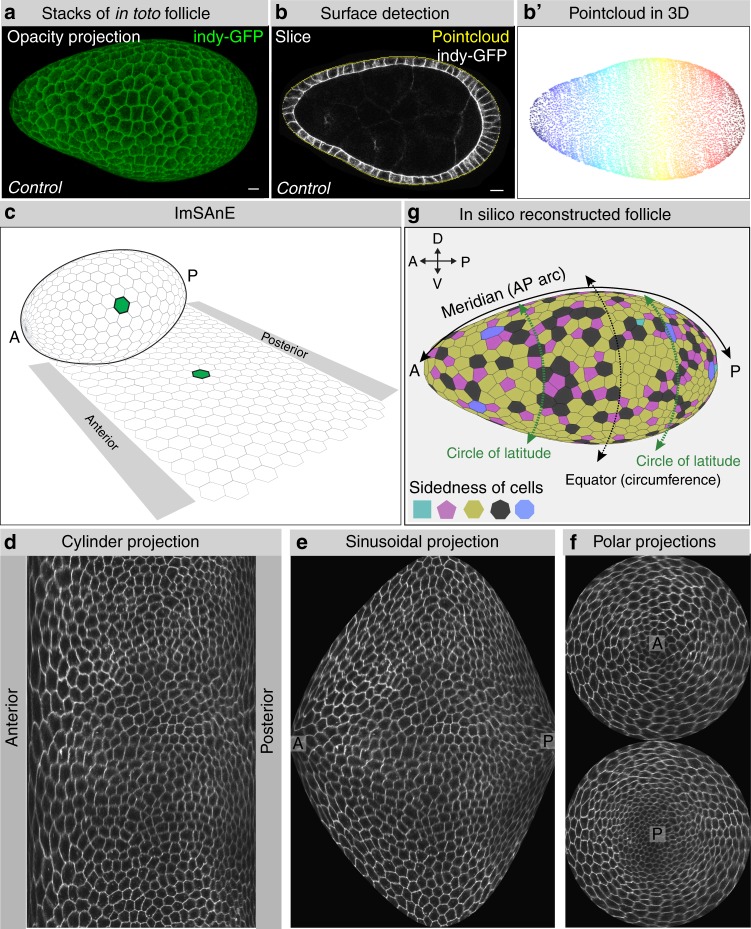
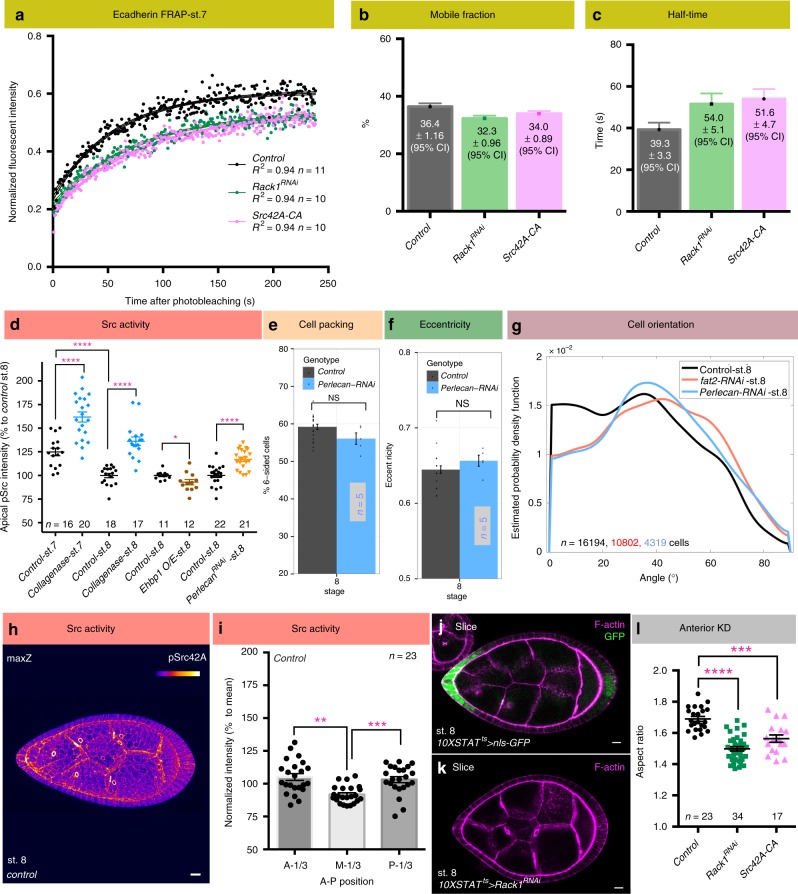
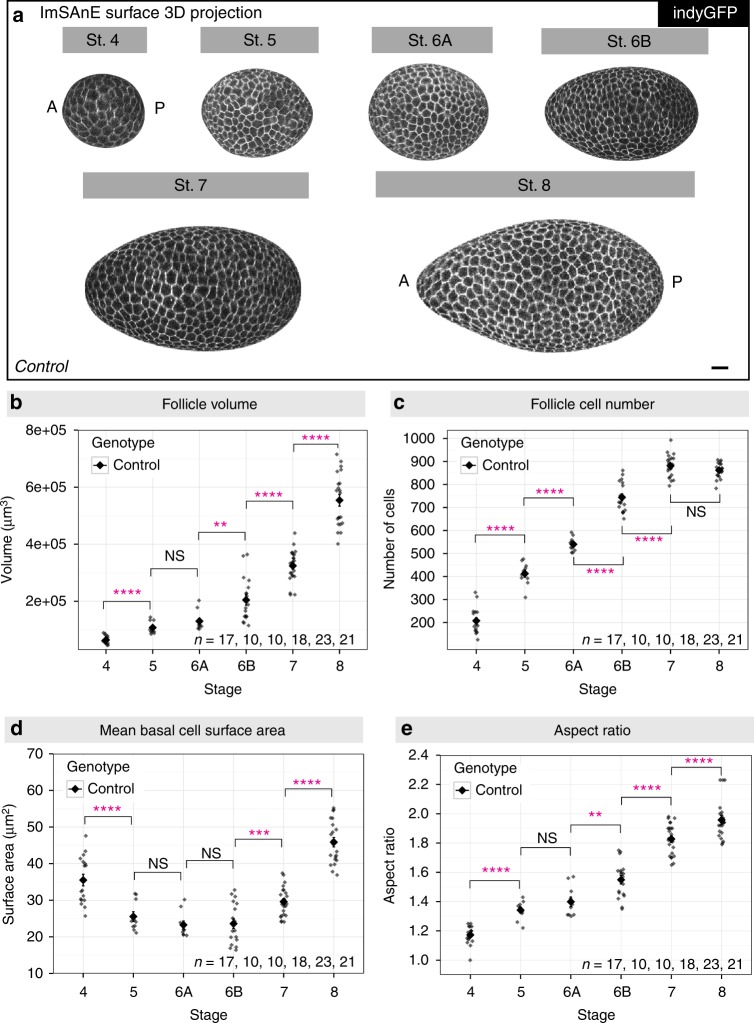
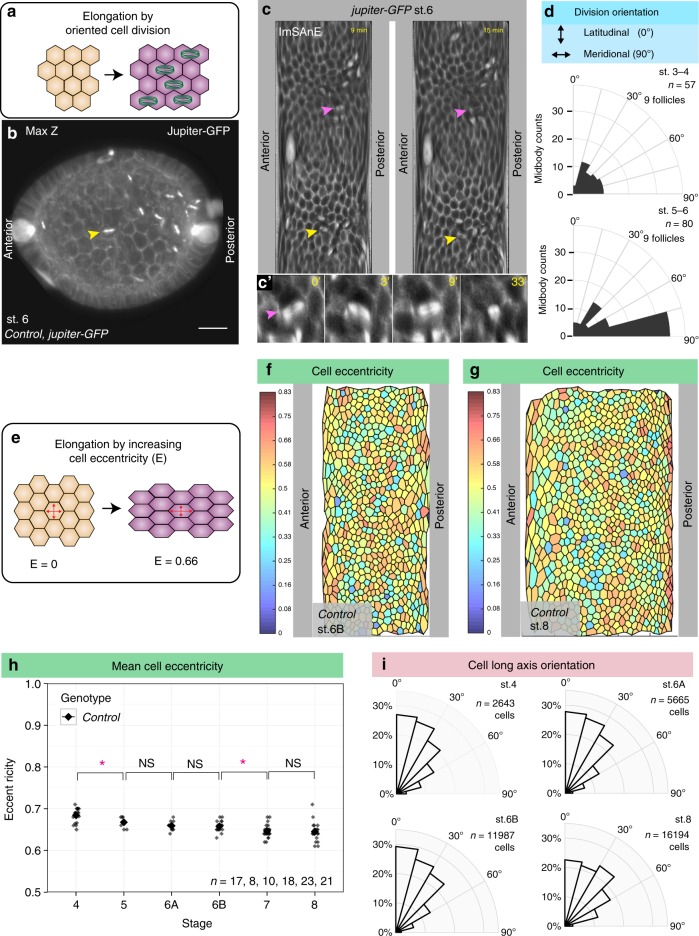
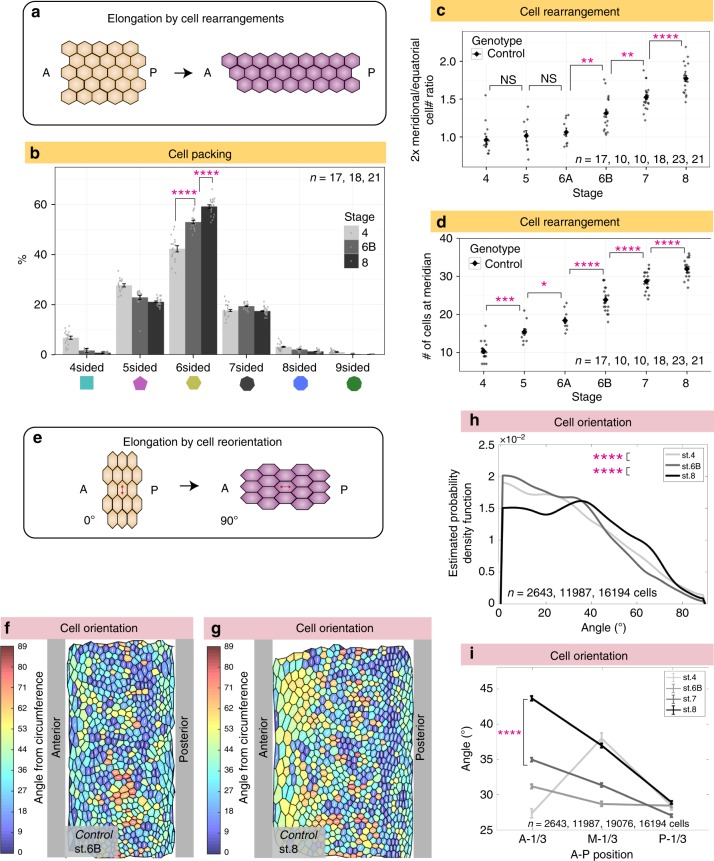
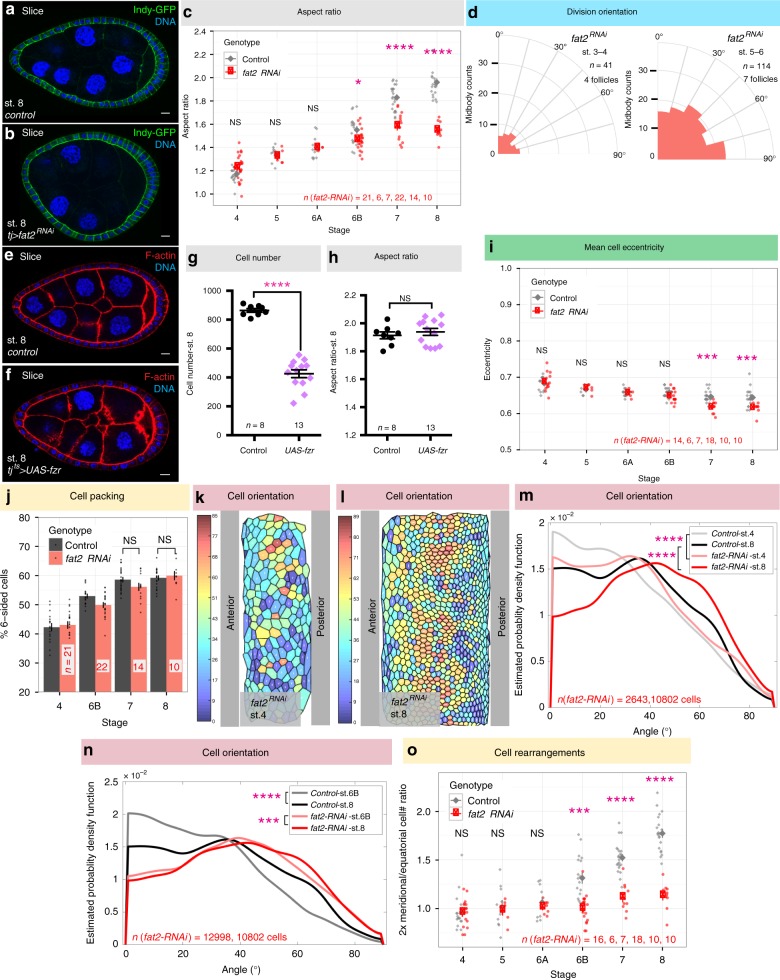
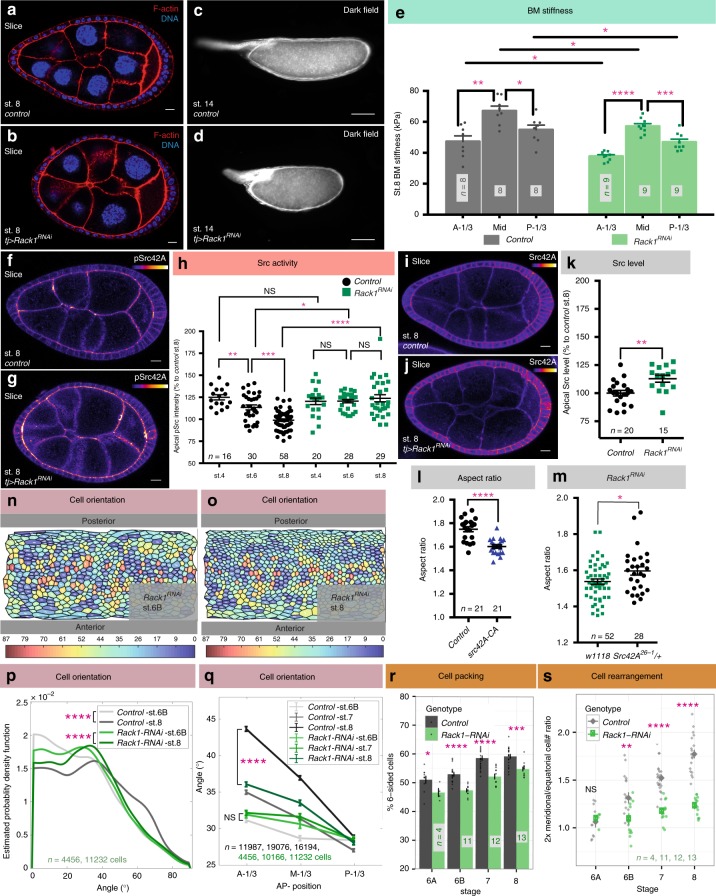
Organs are sculpted by extracellular as well as cell-intrinsic forces, but how collective cell dynamics are orchestrated in response to environmental cues is poorly understood. Here we apply advanced image analysis to reveal extracellular matrix-responsive cell behaviors that drive elongation of the Drosophila follicle, a model system in which basement membrane stiffness instructs three-dimensional tissue morphogenesis. Through in toto morphometric analyses of wild type and round egg mutants, we find that neither changes in average cell shape nor oriented cell division are required for appropriate organ shape. Instead, a major element is the reorientation of elongated cells at the follicle anterior. Polarized reorientation is regulated by mechanical cues from the basement membrane, which are transduced by the Src tyrosine kinase to alter junctional E-cadherin trafficking. This mechanosensitive cellular behavior represents a conserved mechanism that can elongate edgeless tubular epithelia in a process distinct from those that elongate bounded, planar epithelia.
器官由细胞外以及细胞内的力塑造,但对于集体细胞动力学如何响应环境线索进行协调还知之甚少。在这里,我们应用先进的图像分析来揭示细胞外基质响应性细胞行为,这些行为驱动果蝇滤泡的伸长,这是一个基底膜硬度指导三维组织形态发生的模型系统。通过对野生型和圆形卵突变体的全形态计量分析,我们发现适当的器官形状既不需要细胞形状的平均变化,也不需要定向细胞分裂。相反,一个主要因素是在滤泡前部长的细胞的重新定向。极化的重新定向受到基底膜机械线索的调节,这些线索被Src 酪氨酸激酶转导,从而改变连接的 E-钙粘蛋白的运输。这种机械敏感的细胞行为代表了一种保守的机制,可以在与那些延长有界、平面上皮不同的过程中延长无边缘管状上皮。