Hasegawa-Tamba Saki, Sugi Keiki, Gatate Yodo, Sugiyama Kanako, Muramatsu Toshihiro, Nishimura Shigeyuki, Yasuda Masanori, Fukushima Kenji, Nakano Shintaro
Department of Cardiology, International Medical Center, Saitama Medical University, Saitama, Japan.
Division of Pathology, Saitama Medical University, Saitama, Japan.
Case Rep Emerg Med. 2019 Jul 2;2019:8236735. doi: 10.1155/2019/8236735. eCollection 2019.
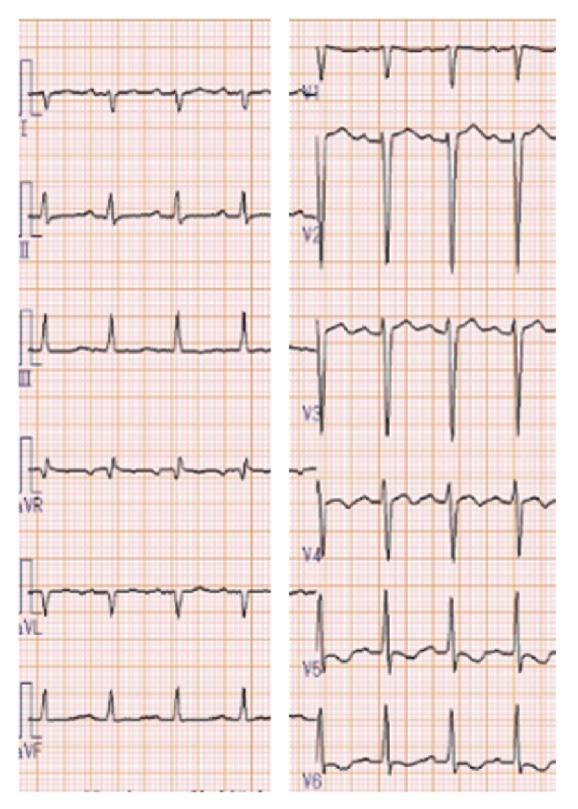
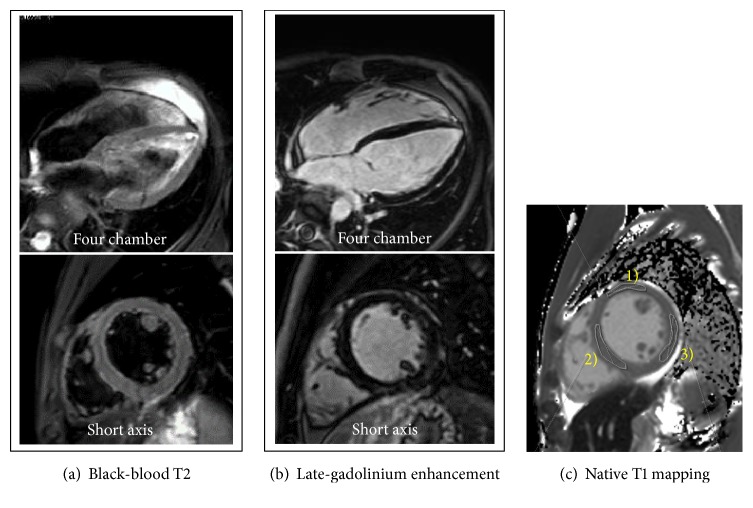
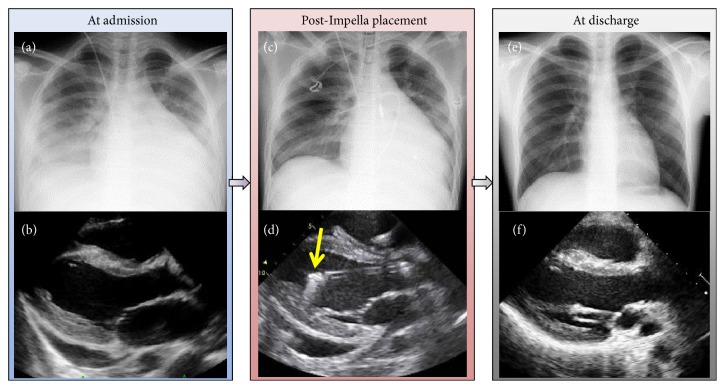
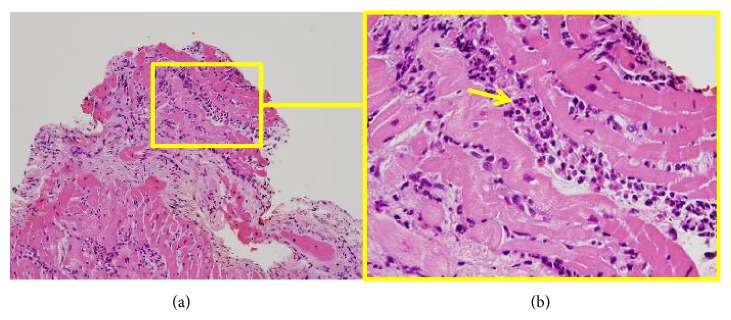
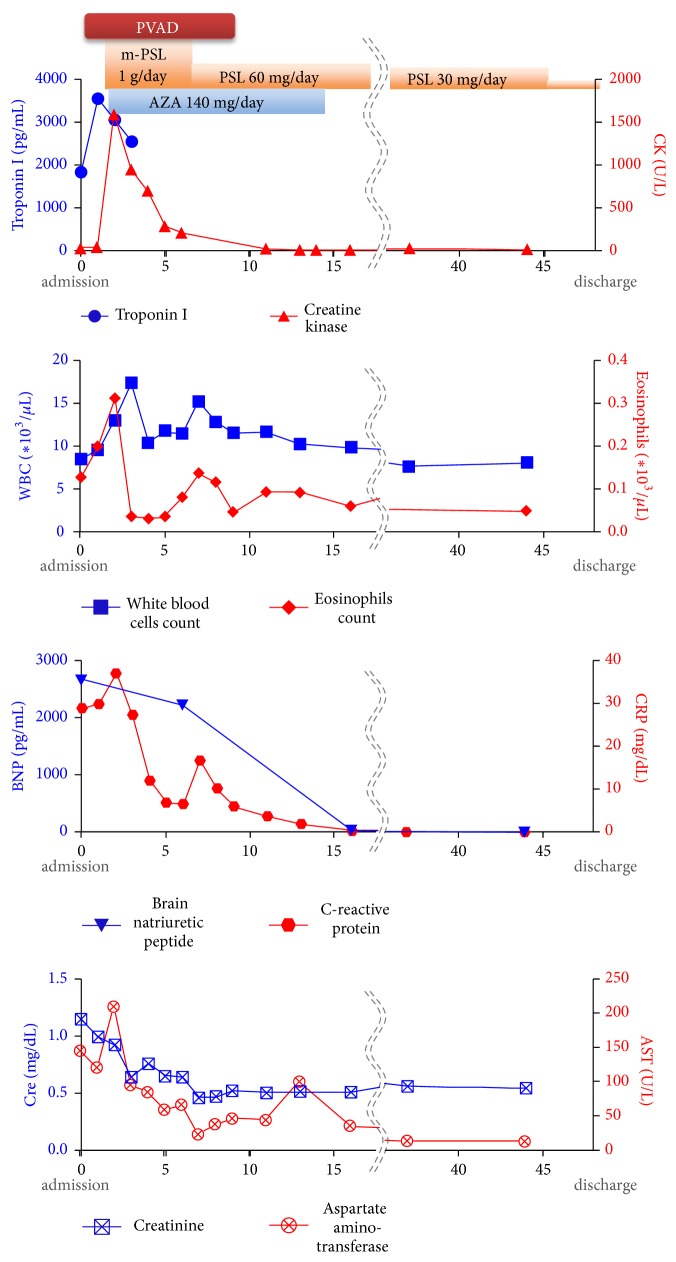
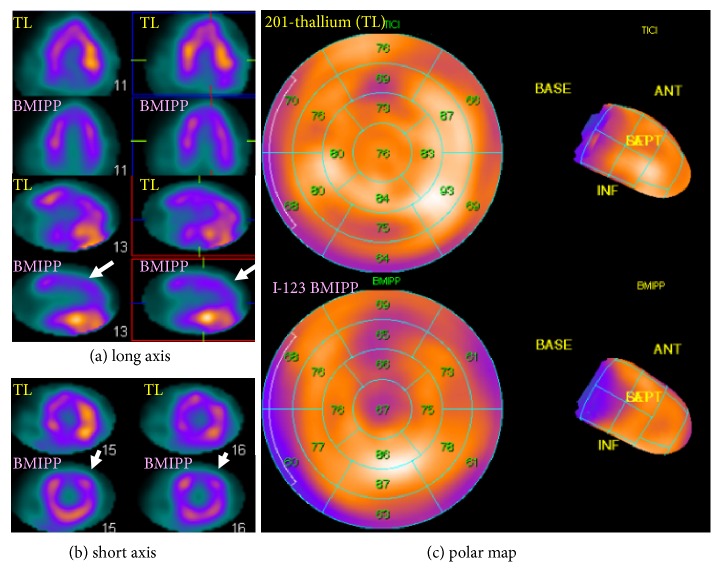
Eosinophilic myocarditis (EM) is a rare condition characterized by myocardial eosinophilic infiltration due to various underlying etiologies. The patient with EM may benefit from appropriate use of mechanical circulatory support (MCS) that acts as a bridge to myocardial recovery in response to effective immunosuppressive therapy. A 16-year-old boy presented with cardiogenic shock due to fulminant myocarditis, for which a percutaneous ventricular assist device (PVAD) was immediately inserted. Based on the histological diagnosis of EM, immunosuppressive therapy was immediately commenced, leading to improvement of left-ventricular ejection fraction (27% to 47%). The PVAD was successfully removed on day 7. Cardiac magnetic resonance imaging and dual-tracer myocardial scintigraphy suggested limited extent of irreversible myocardial damage. For fulminant EM, the short-term use of PVAD, together with immunosuppressive therapy guided by an immediate histological investigation, may be an effective bridging strategy to myocardial recovery.
嗜酸性粒细胞性心肌炎(EM)是一种罕见疾病,其特征是由于各种潜在病因导致心肌嗜酸性粒细胞浸润。EM患者可能受益于适当使用机械循环支持(MCS),MCS可作为对有效免疫抑制治疗作出反应的心肌恢复的桥梁。一名16岁男孩因暴发性心肌炎出现心源性休克,为此立即植入了经皮心室辅助装置(PVAD)。基于EM的组织学诊断,立即开始免疫抑制治疗,左心室射血分数得到改善(从27%提高到47%)。PVAD在第7天成功移除。心脏磁共振成像和双示踪剂心肌闪烁显像提示不可逆心肌损伤范围有限。对于暴发性EM,短期使用PVAD,以及在即时组织学检查指导下的免疫抑制治疗,可能是心肌恢复的有效桥接策略。