Department of Symptom Research, Laboratories of Neuroimmunology, The University of Texas M.D. Anderson Cancer Center, Houston, TX, United States.
Department of Bioinformatics and Computational Biology, The University of Texas M.D. Anderson Cancer Center, Houston, TX, United States.
Pain. 2019 Dec;160(12):2877-2890. doi: 10.1097/j.pain.0000000000001667.
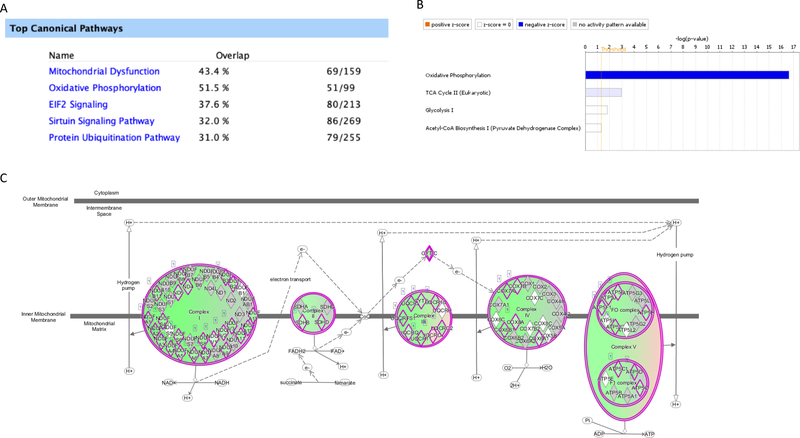
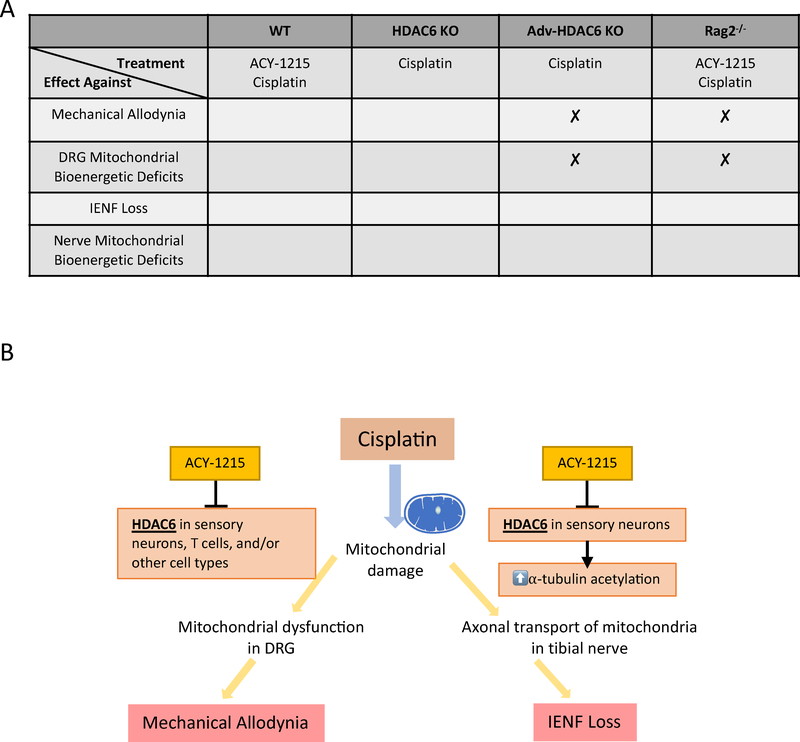
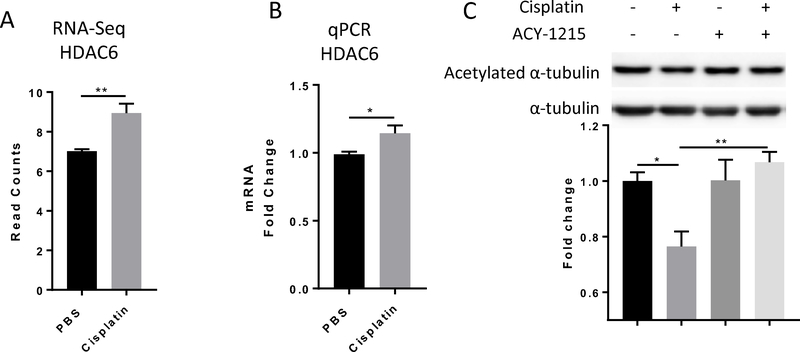
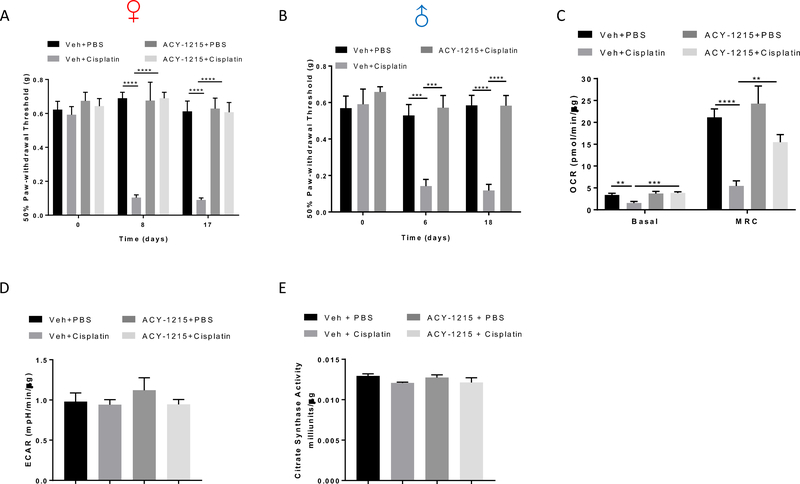
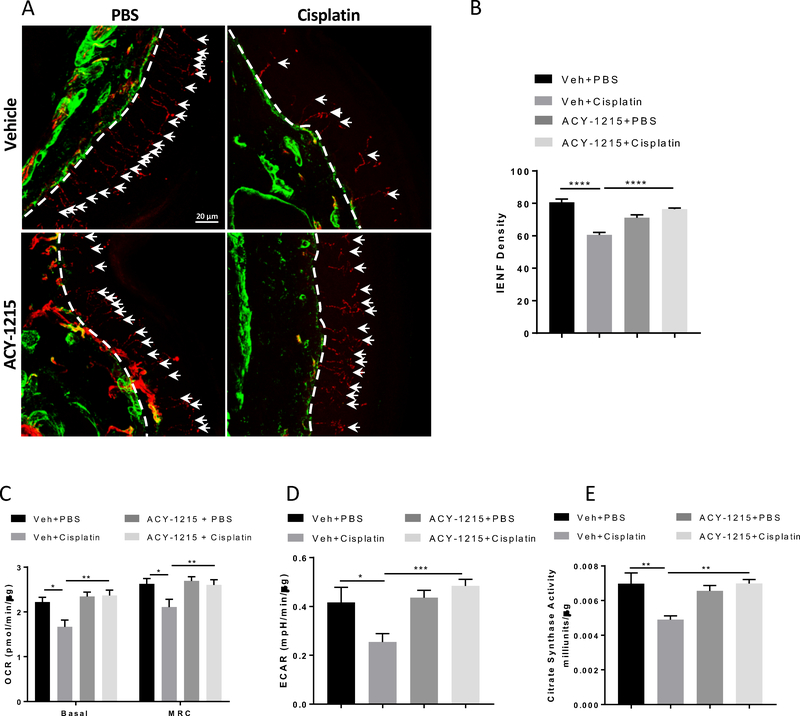
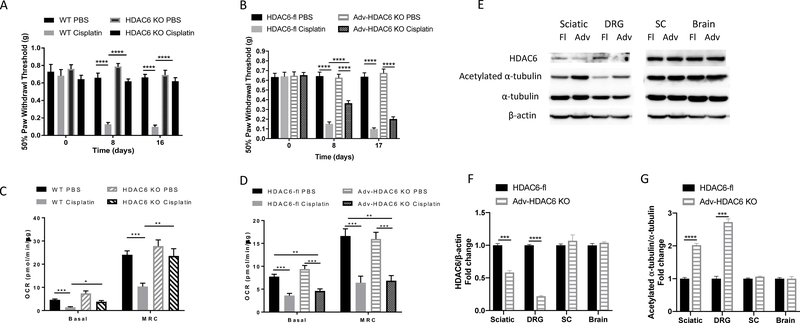
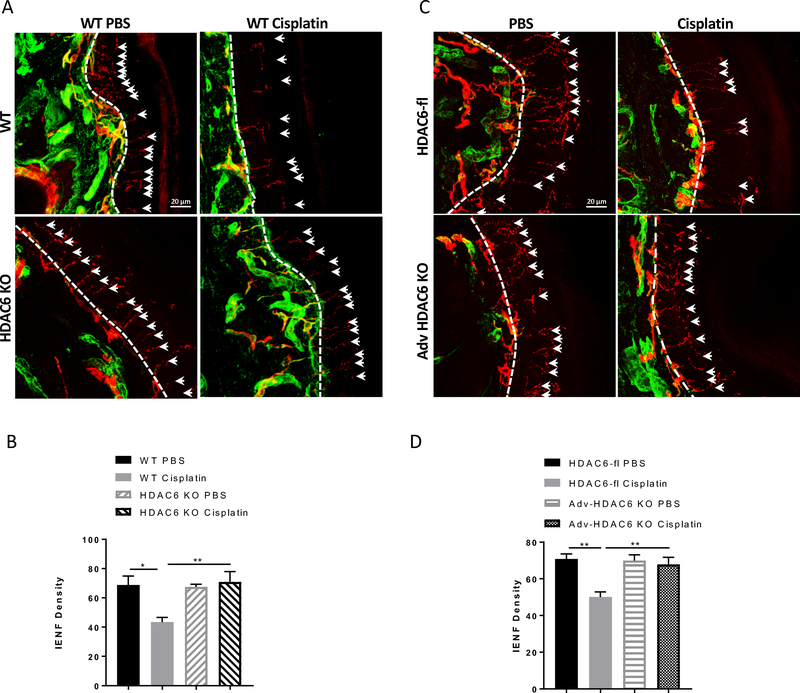
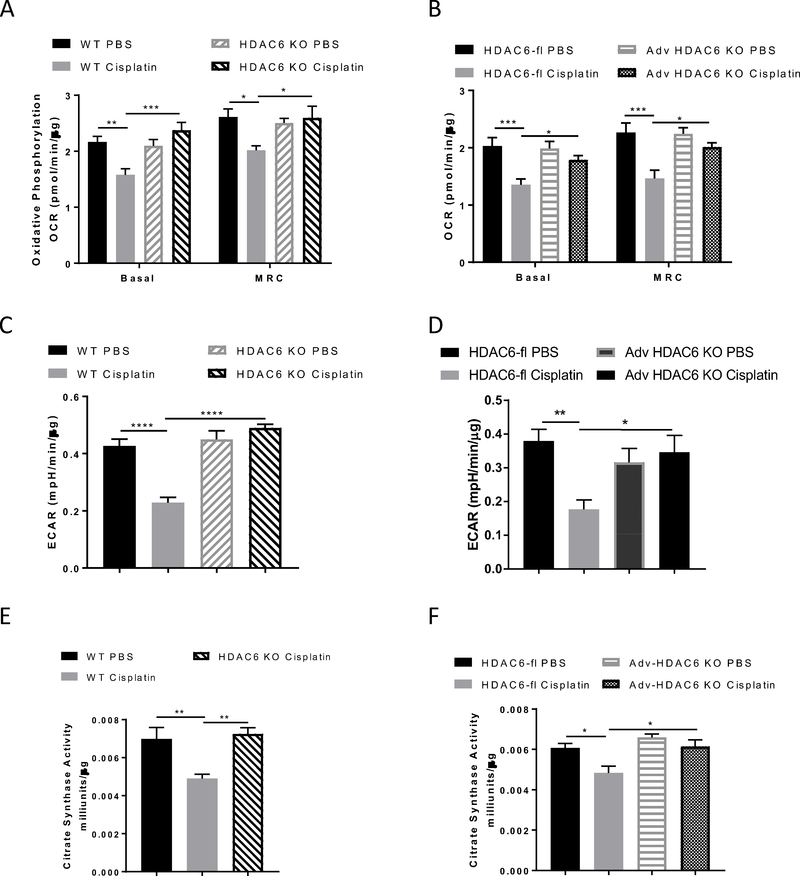
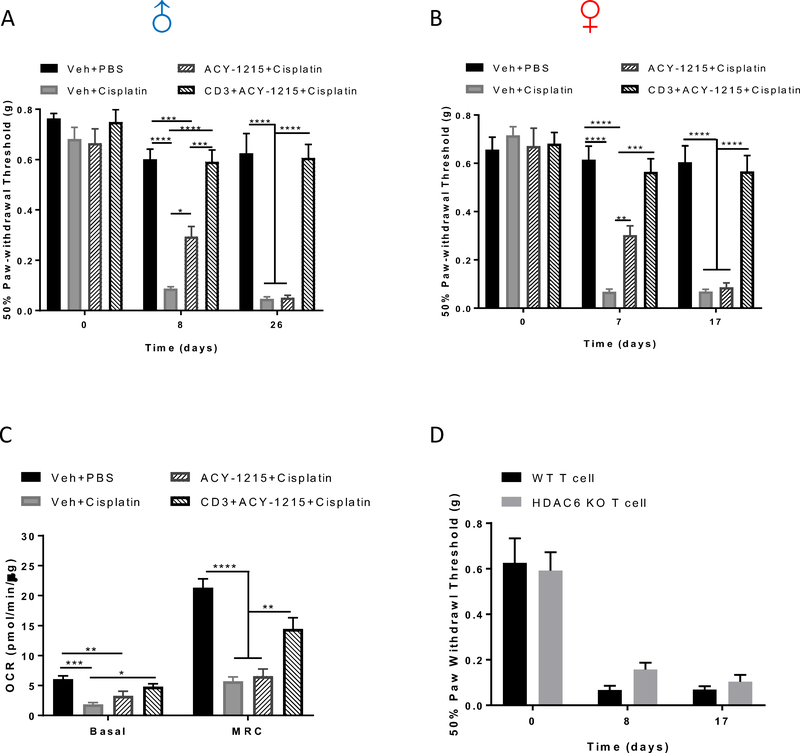
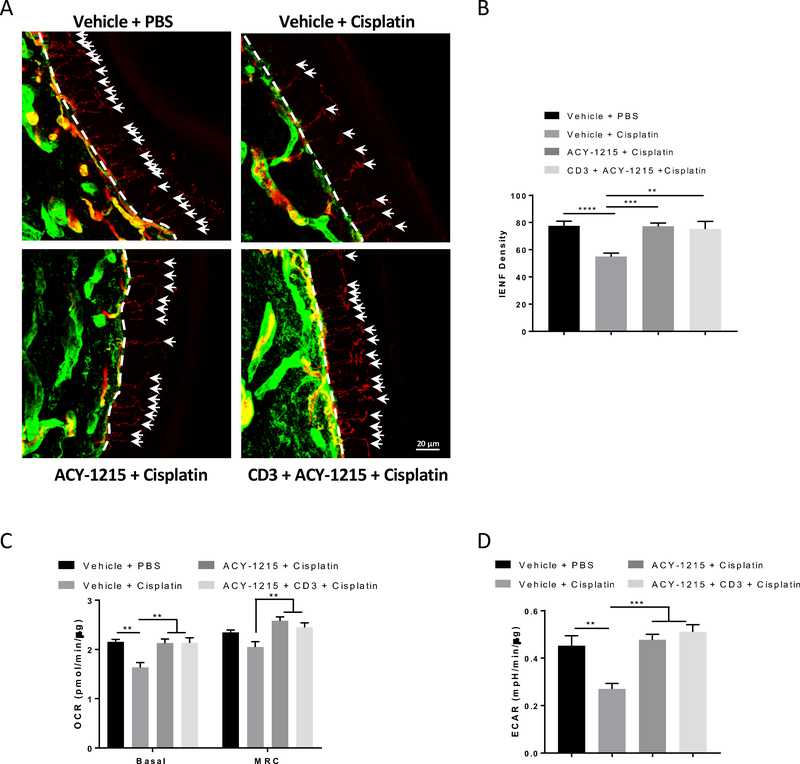
Chemotherapy-induced peripheral neuropathy (CIPN) is a serious adverse side effect of cancer treatment with no Food and Drug Administration-approved medication for its prevention or management. Using RNA sequencing analysis of dorsal root ganglia (DRG), we identify critical contributions of histone deacetylase 6 (HDAC6) and mitochondrial damage to the establishment of CIPN in a mouse model of cisplatin-induced neuropathy. We show that pharmacological inhibition of HDAC6 using ACY-1215 or global deletion of HDAC6 is sufficient to prevent cisplatin-induced mechanical allodynia, loss of intraepidermal nerve fibers (IENFs), and mitochondrial bioenergetic deficits in DRG neurons and peripheral nerves in male and female mice. The bioenergetic deficits in the neuronal cell bodies in the DRG are characterized by reduced oxidative phosphorylation, whereas the mitochondrial deficits in the nerves are due to a reduction in axonal mitochondrial content. Notably, deleting HDAC6 in sensory neurons protects against the cisplatin-induced loss of IENFs and the reduction in mitochondrial bioenergetics and content in the peripheral nerve. By contrast, deletion of HDAC6 in sensory neurons only partially and transiently prevents cisplatin-induced mechanical allodynia and does not protect against impairment of mitochondrial function in DRG neurons. We further reveal a critical role of T cells in the protective effects of HDAC6 inhibition on these signs of CIPN. In summary, we show that cisplatin-induced mechanical allodynia is associated with mitochondrial damage in DRG neurons, whereas the loss of IENFs is related to bioenergetic deficits in peripheral nerves. Moreover, our findings identify cell-specific contributions of HDAC6 to mechanical allodynia and loss of IENFs that characterize cisplatin-induced peripheral neuropathy.
化疗诱导的周围神经病变(CIPN)是癌症治疗的一种严重不良反应,目前尚无美国食品和药物管理局批准的药物用于预防或治疗。我们通过对背根神经节(DRG)的 RNA 测序分析,确定组蛋白去乙酰化酶 6(HDAC6)和线粒体损伤在顺铂诱导的神经病变小鼠模型中对 CIPN 的发生有重要贡献。我们表明,使用 ACY-1215 抑制 HDAC6 或全局敲除 HDAC6 足以预防顺铂引起的机械性痛觉过敏、表皮内神经纤维(IENF)丧失以及 DRG 神经元和周围神经的线粒体生物能缺陷,在雄性和雌性小鼠中。DRG 神经元胞体中的生物能缺陷的特征是氧化磷酸化减少,而神经中的线粒体缺陷是由于轴突线粒体含量减少。值得注意的是,在感觉神经元中删除 HDAC6 可防止顺铂诱导的 IENF 丧失以及线粒体生物能和含量在周围神经中的减少。相比之下,在感觉神经元中删除 HDAC6 仅部分且短暂地预防顺铂引起的机械性痛觉过敏,并且不能防止 DRG 神经元中线粒体功能的损害。我们进一步揭示了 T 细胞在 HDAC6 抑制对这些 CIPN 迹象的保护作用中的关键作用。总之,我们表明,顺铂引起的机械性痛觉过敏与 DRG 神经元中的线粒体损伤有关,而 IENF 的丧失与周围神经中的生物能缺陷有关。此外,我们的发现确定了 HDAC6 对机械性痛觉过敏和 IENF 丧失的细胞特异性贡献,这些特征是顺铂诱导的周围神经病变。