Goettke Emma, Reynolds J
a Department of Health Services Research and Policy, London School of Hygiene & Tropical Medicine , London , UK.
b Department of Population Health Sciences, King's College London , London , UK.
Int J Circumpolar Health. 2019 Dec;78(1):1648969. doi: 10.1080/22423982.2019.1648969.
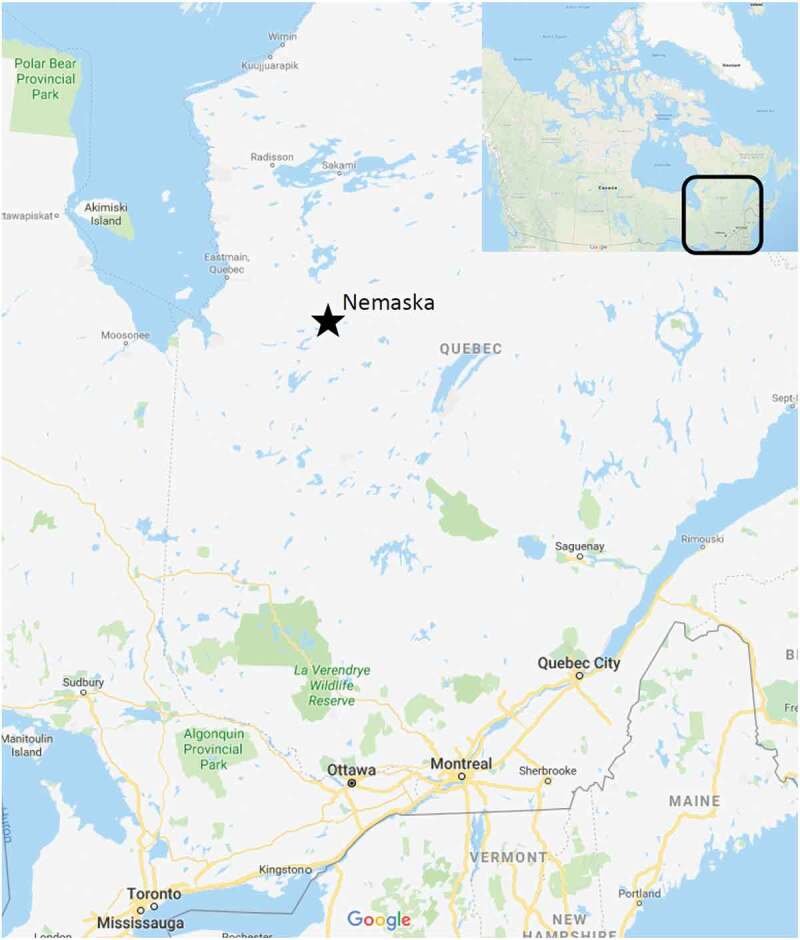
Canadian Indigenous populations are disproportionately affected by rising rates of diet-related chronic disease and have been experiencing rapid lifestyle changes affecting diet. In recognition of these issues, this study aimed to obtain greater understanding of attitudes and meanings around healthy eating in a semi-remote community in Eeyou Istchee. A qualitative study design used semi-structured interviews and observational field notes to explore local accounts of food and health. Two distinct versions of "healthy eating" were identified: one relating to traditional food and preparation methods; the other reflecting medicalised accounts of illness and diagnosed conditions. The latter links with "southern" modes of accessing and preparing food, demonstrating local capacity to adapt to the rapid changes in body, lifestyle and environment being experienced. New connections, associating non-native ways with traditional practices, are being formed where traditional ways of living on the land have been severed. These local accounts show how people are continually negotiating different constructs of "healthy eating." These findings expand current understandings of the context of food and healthy eating in Eeyou Istchee, emphasising present-day and historical experiences of the land. Future research and diet-related health interventions must continue to acknowledge and incorporate local understandings of health to help address the broader socio-political factors that shape Indigenous lifestyles, environments and health.
加拿大原住民受饮食相关慢性病发病率上升的影响尤为严重,且他们的生活方式正在迅速改变,进而影响到饮食。认识到这些问题后,本研究旨在更深入地了解伊尤伊斯蒂奇一个半偏远社区对健康饮食的态度和理解。一项定性研究采用半结构化访谈和实地观察记录,以探究当地关于食物和健康的描述。研究确定了两种不同版本的“健康饮食”:一种与传统食物及制作方法相关;另一种反映了对疾病和确诊病症的医学化描述。后者与“南方”获取和准备食物的方式相关联,显示出当地人适应身体、生活方式和环境快速变化的能力。在与土地的传统生活方式被切断的地方,正在形成将非本土方式与传统做法联系起来的新关联。这些当地描述展示了人们如何不断协调不同的“健康饮食”概念。这些发现扩展了当前对伊尤伊斯蒂奇食物和健康饮食背景的理解,强调了当今和历史上与土地的经历。未来的研究和与饮食相关的健康干预措施必须继续承认并纳入当地对健康的理解,以帮助解决塑造原住民生活方式、环境和健康的更广泛社会政治因素。