Takeda Pharmaceuticals International, Inc., Cambridge, Massachusetts, USA.
Koneksa Health Inc., New York, New York, USA.
Clin Transl Sci. 2019 Nov;12(6):677-686. doi: 10.1111/cts.12673. Epub 2019 Sep 27.
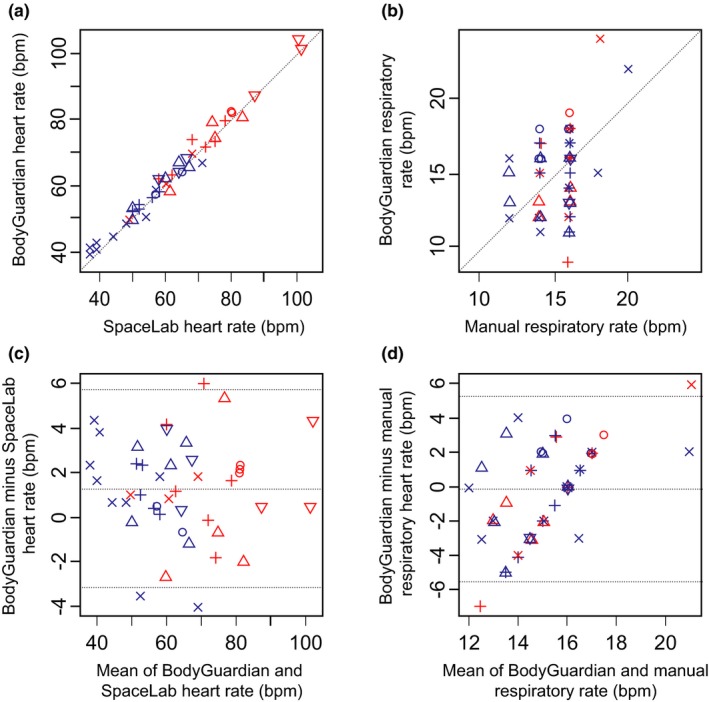
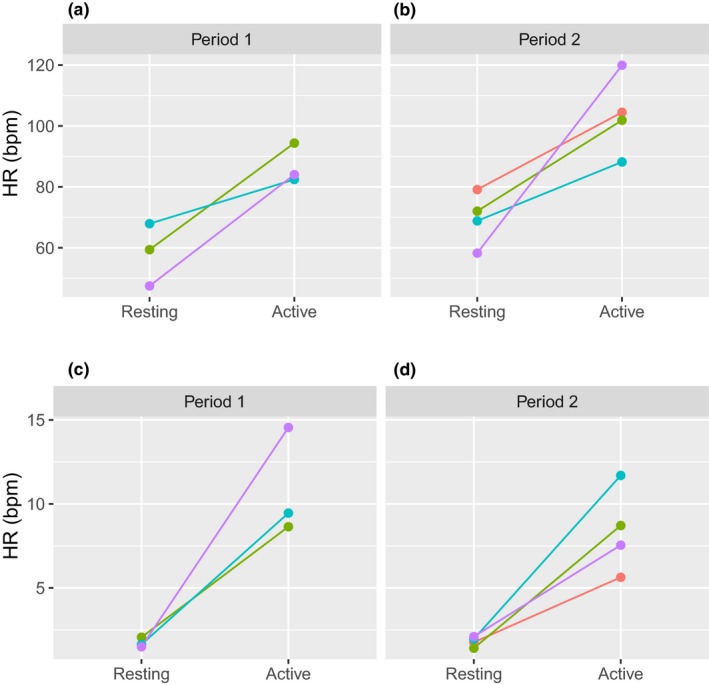
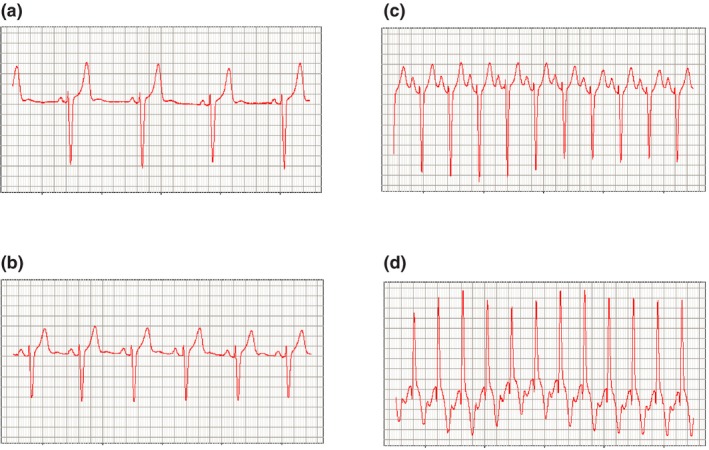
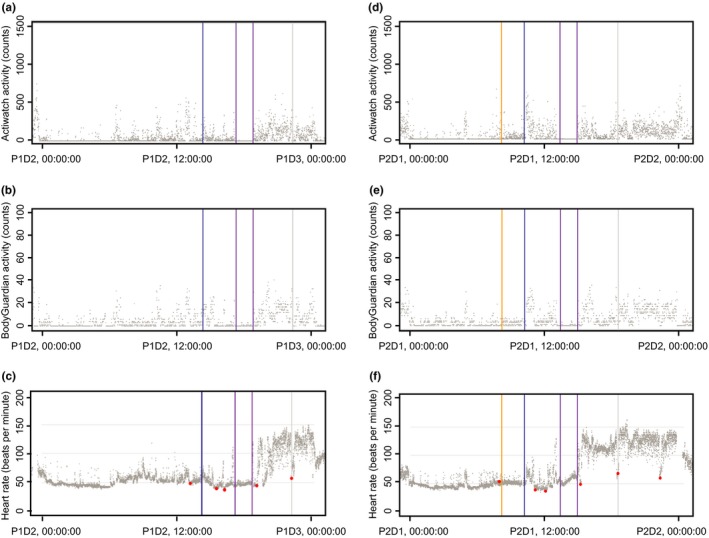
Wearable digital devices offer potential advantages over traditional methods for the collection of health-related information, including continuous collection of dense data while study subjects are ambulatory or in remote settings. We assessed the utility of collecting continuous actigraphy and cardiac monitoring by deploying two US Food and Drug Administration (FDA) 510(k)-cleared devices in a phase I clinical trial of a novel compound, which included the use of an amphetamine challenge. The Phillips Actiwatch Spectrum Pro (Actiwatch) was used to assess mobility and sleep. The Preventice BodyGuardian (BodyGuardian) was used for monitoring heart rate (HR) and respiratory rate (RR), via single-lead electrocardiogram (ECG) recordings, together with physical activity. We measured data collection rates, compared device readouts with conventional measures, and monitored changes in HR measures during the amphetamine challenge. Completeness of data collection was good for the Actiwatch (96%) and lower for the BodyGuardian (80%). A good correlation was observed between device and in-clinic measures for HR (r = 0.99; P < 0.001), but was poor for RR (r = 0.39; P = 0.004). Manual reviews of selected ECG strips corresponding to HR measures below, within, and above the normal range were consistent with BodyGuardian measurements. The BodyGuardian device detected clear HR responses after amphetamine administration while subjects were physically active, whereas conventional measures collected at predefined timepoints while subjects were resting and supine did not. Wearable digital technology shows promise for monitoring human subjects for physiologic changes and pharmacologic responses, although fit-for-purpose evaluation and validation continues to be important prior to the wider deployment of these devices.
可穿戴数字设备在收集与健康相关的信息方面相对于传统方法具有潜在优势,包括在研究对象处于活动或远程环境时连续收集密集数据。我们评估了通过部署两种经美国食品和药物管理局 (FDA) 510(k) 许可的设备在一项新型化合物的 I 期临床试验中连续进行活动监测和心脏监测的效用,该试验包括使用安非他命挑战。Phillips Actiwatch Spectrum Pro(Actiwatch)用于评估活动度和睡眠。Preventice BodyGuardian(BodyGuardian)用于通过单导联心电图 (ECG) 记录以及身体活动来监测心率 (HR) 和呼吸率 (RR)。我们测量了数据采集率,比较了设备读数与传统测量值,并监测了安非他命挑战期间 HR 测量值的变化。Actiwatch 的数据采集完整性良好(96%),而 BodyGuardian 的数据采集完整性较低(80%)。设备和临床测量的 HR 之间观察到良好的相关性(r=0.99;P<0.001),但 RR 之间的相关性较差(r=0.39;P=0.004)。与 HR 测量值低于、等于和高于正常范围相对应的 ECG 条的手动审查与 BodyGuardian 测量值一致。当研究对象处于活跃状态时,BodyGuardian 设备在给予安非他命后可检测到明确的 HR 反应,而在研究对象休息和仰卧时在预定时间点收集的常规措施则没有。可穿戴数字技术在监测人体的生理变化和药物反应方面显示出前景,尽管在更广泛地部署这些设备之前,仍然需要对其进行适合用途的评估和验证。