Brändel Timo, Dirksen Maxim, Hellweg Thomas
Donostia International Physics Center (DIPC), Paseo Manuel de Lardizabal 4, 20018 San Sebastian, Spain.
Lund Institute of Advanced Neutron and X-ray Science (LINXS), IDEON Building: Delta 5, Scheelevägen 19, 22370 Lund, Sweden.
Polymers (Basel). 2019 Jul 31;11(8):1269. doi: 10.3390/polym11081269.
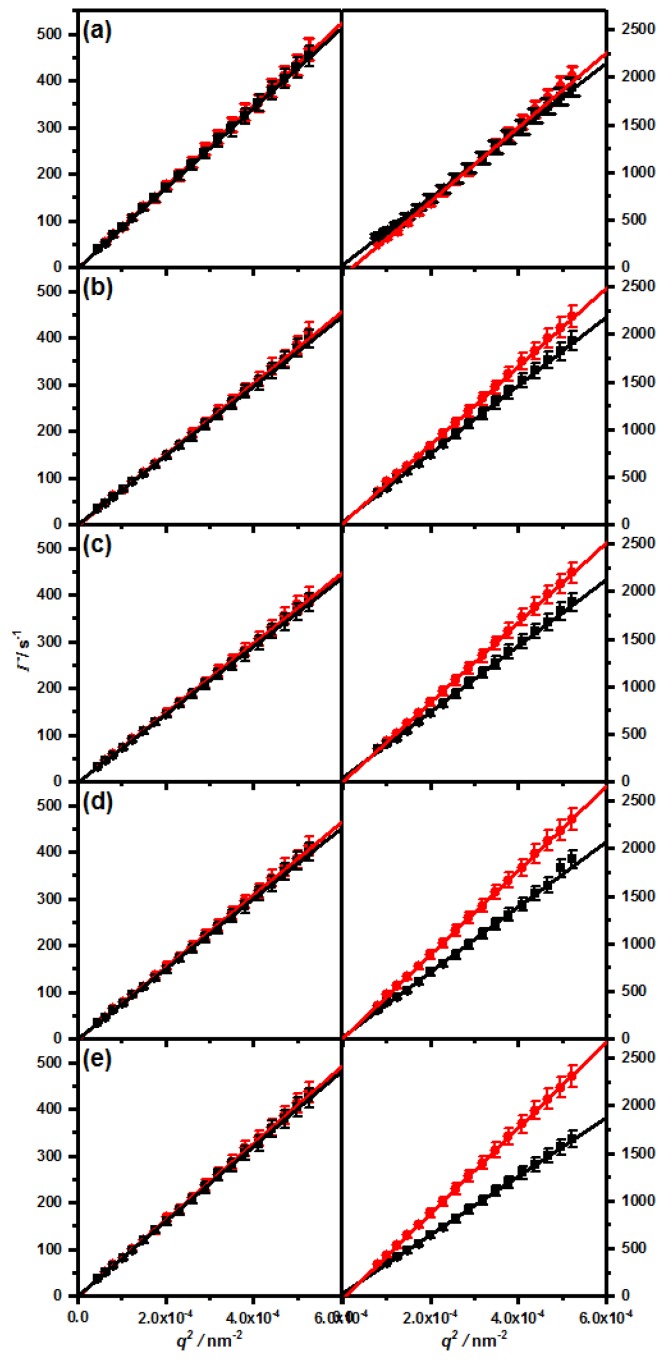
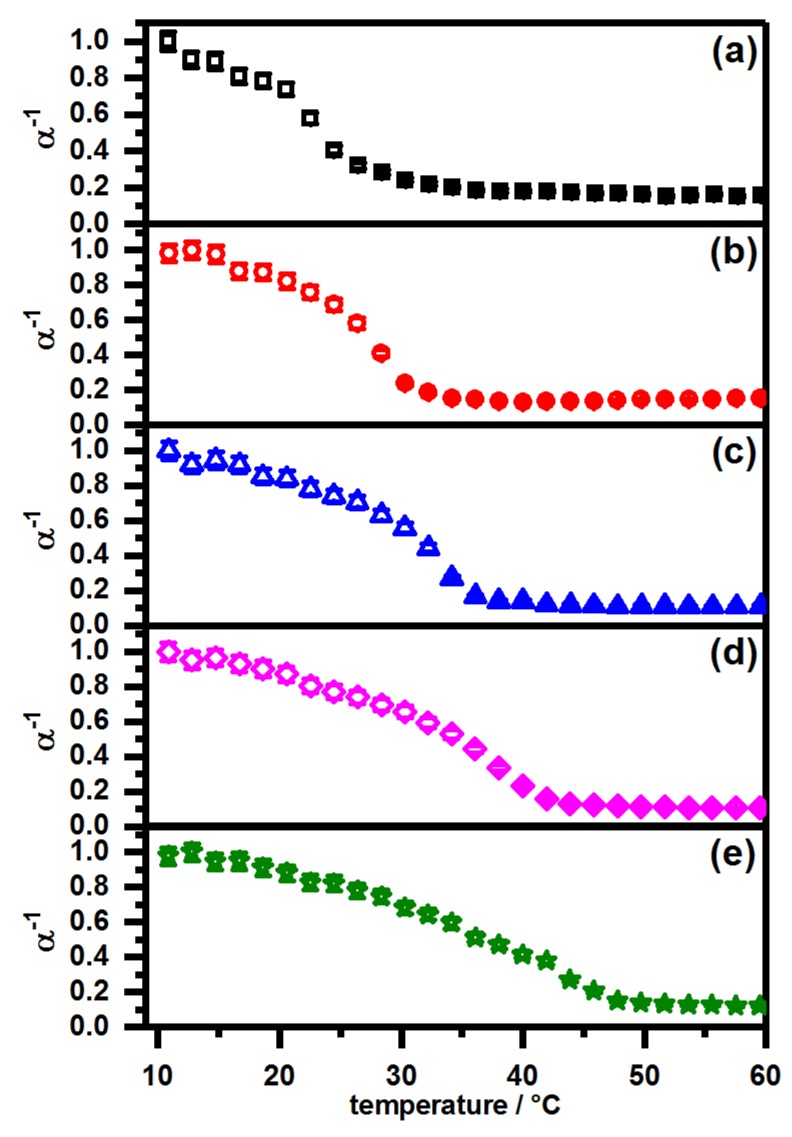
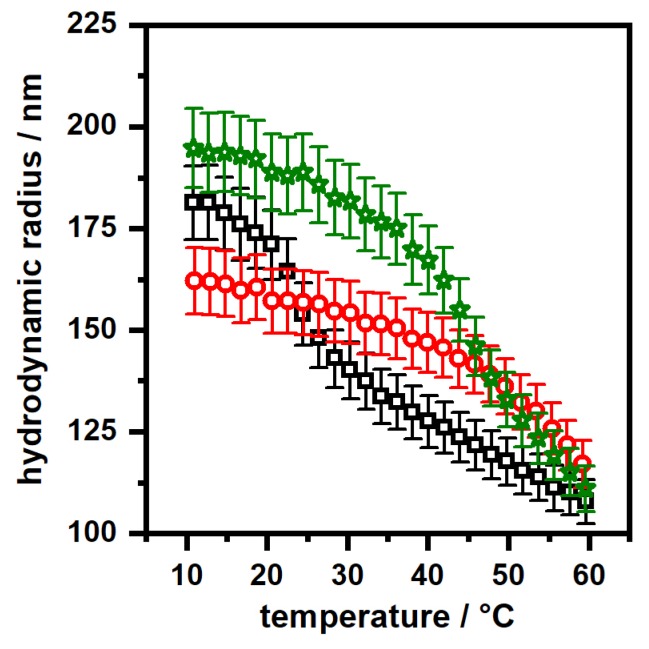
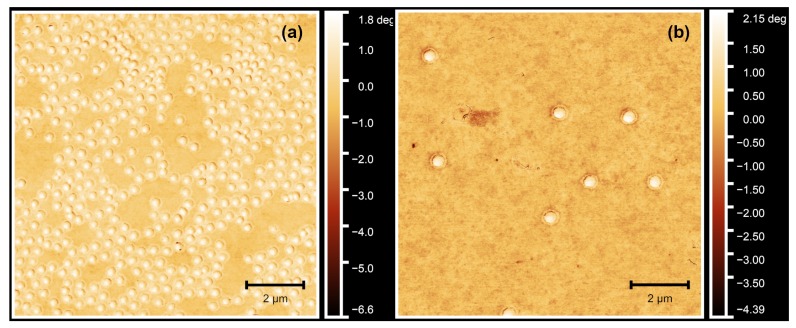
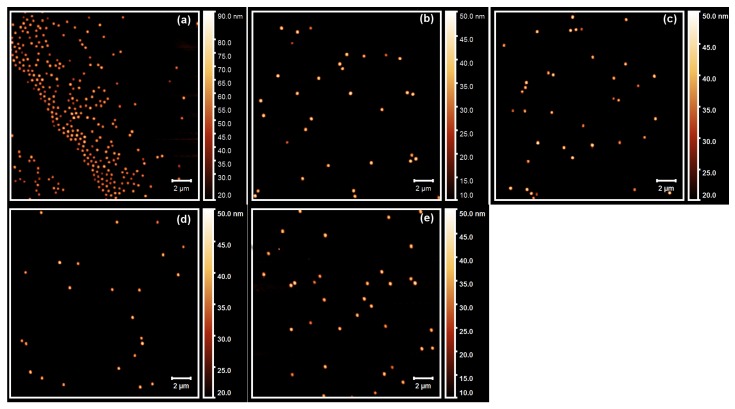
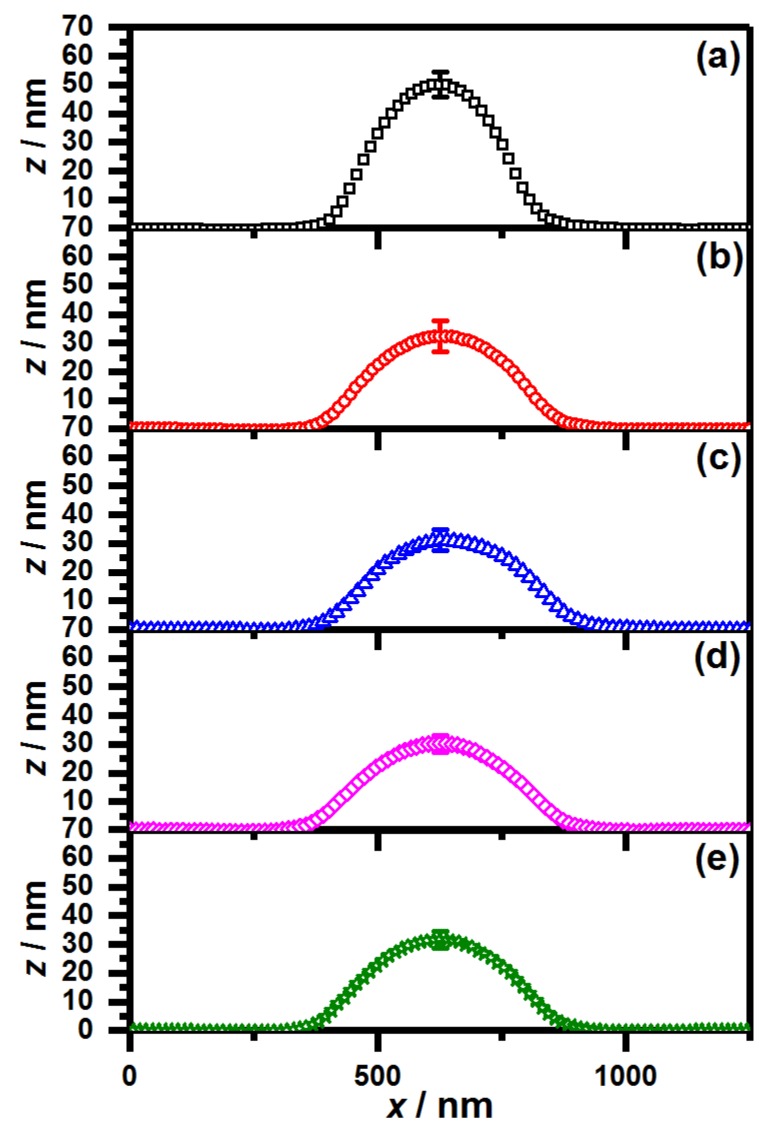
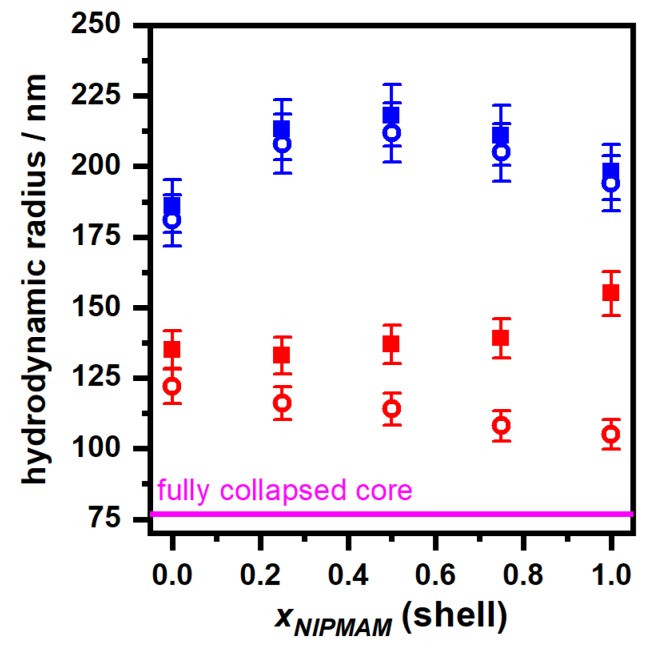
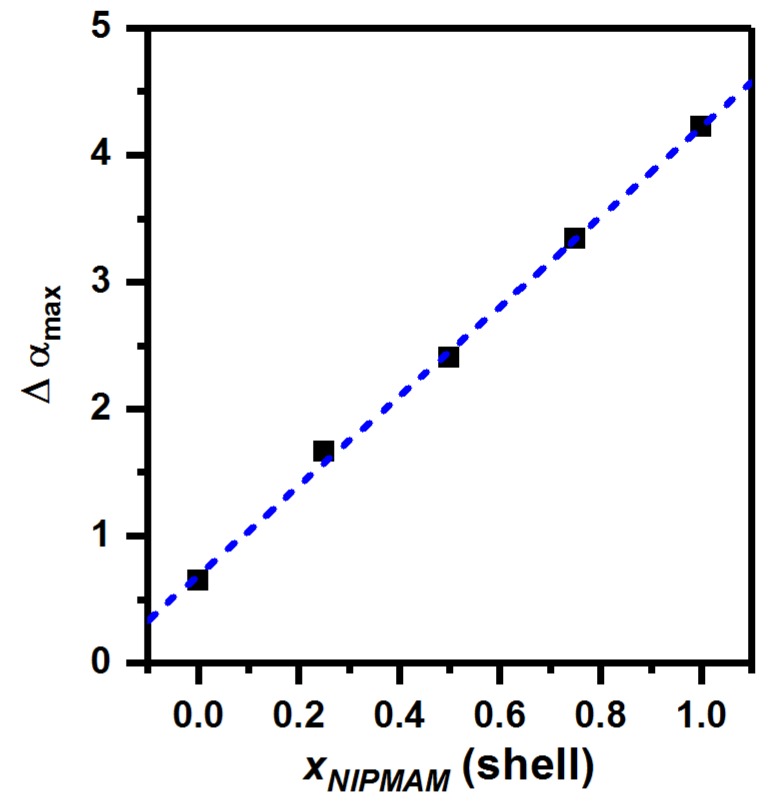
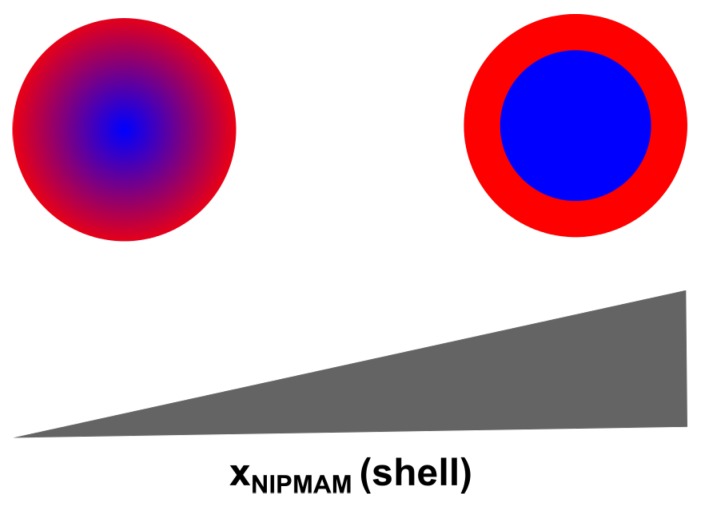
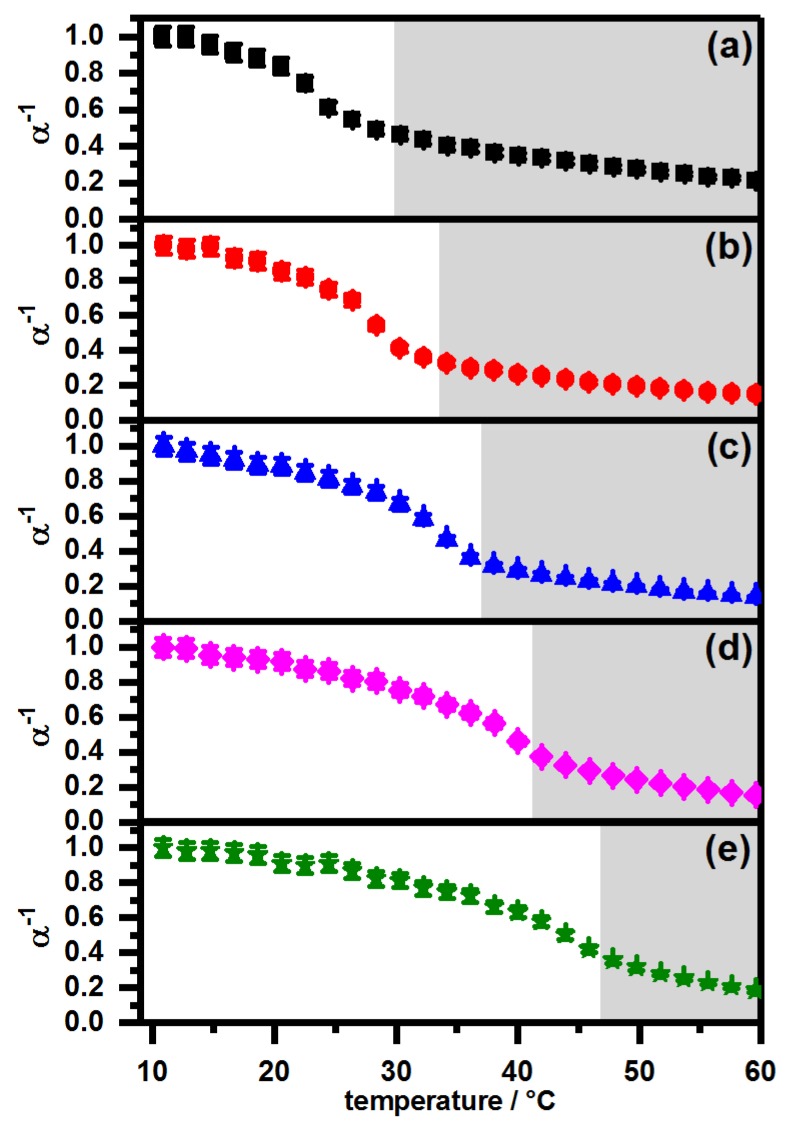
The present study focuses on the development of multiresponsive core-shell microgels and the manipulation of their swelling properties by copolymerization of different acrylamides-especially -isopropylacrylamide (NIPAM), -isopropylmethacrylamide (NIPMAM), and NNPAM-and acrylic acid. We use atomic force microscopy for the dry-state characterization of the microgel particles and photon correlation spectroscopy to investigate the swelling behavior at neutral (pH 7) and acidic (pH 4) conditions. A transition between an interpenetrating network structure for microgels with a pure poly--propylacrylamide (PNNPAM) shell and a distinct core-shell morphology for microgels with a pure poly--isopropylmethacrylamide (PNIPMAM) shell is observable. The PNIPMAM molfraction of the shell also has an important influence on the particle rigidity because of the decreasing degree of interpenetration. Furthermore, the swelling behavior of the microgels is tunable by adjustment of the pH-value between a single-step volume phase transition and a linear swelling region at temperatures corresponding to the copolymer ratios of the shell. This flexibility makes the multiresponsive copolymer microgels interesting candidates for many applications, e.g., as membrane material with tunable permeability.
本研究聚焦于多响应核壳微凝胶的开发,以及通过不同丙烯酰胺(特别是 - 异丙基丙烯酰胺(NIPAM)、 - 异丙基甲基丙烯酰胺(NIPMAM)和 NNPAM)与丙烯酸的共聚来调控其溶胀性能。我们使用原子力显微镜对微凝胶颗粒进行干态表征,并利用光子相关光谱研究其在中性(pH 7)和酸性(pH 4)条件下的溶胀行为。可以观察到,具有纯聚 - 丙基丙烯酰胺(PNNPAM)壳的微凝胶呈现互穿网络结构,而具有纯聚 - 异丙基甲基丙烯酰胺(PNIPMAM)壳的微凝胶则具有明显的核壳形态。由于互穿程度降低,壳层的 PNIPMAM 摩尔分数对颗粒刚性也有重要影响。此外,通过调节 pH 值,微凝胶的溶胀行为在对应壳层共聚物比例的温度下,可在单步体积相变和线性溶胀区域之间进行调节。这种灵活性使得多响应共聚物微凝胶成为许多应用(例如作为具有可调渗透性的膜材料)的有趣候选物。