Sioud Mouldy, Pettersen Solveig, Ailte Ieva, Fløisand Yngvar
Department of Cancer Immunology, Institute for Cancer Research, Oslo University Hospital-Radiumhospitalet, Ullernchausseen 70, N0379 Oslo, Norway.
Department of Haematology, Oslo University Hospital-Rikshospitalet, Sognsvannvien 20, N0372 Oslo, Norway.
Cancers (Basel). 2019 Jul 31;11(8):1088. doi: 10.3390/cancers11081088.
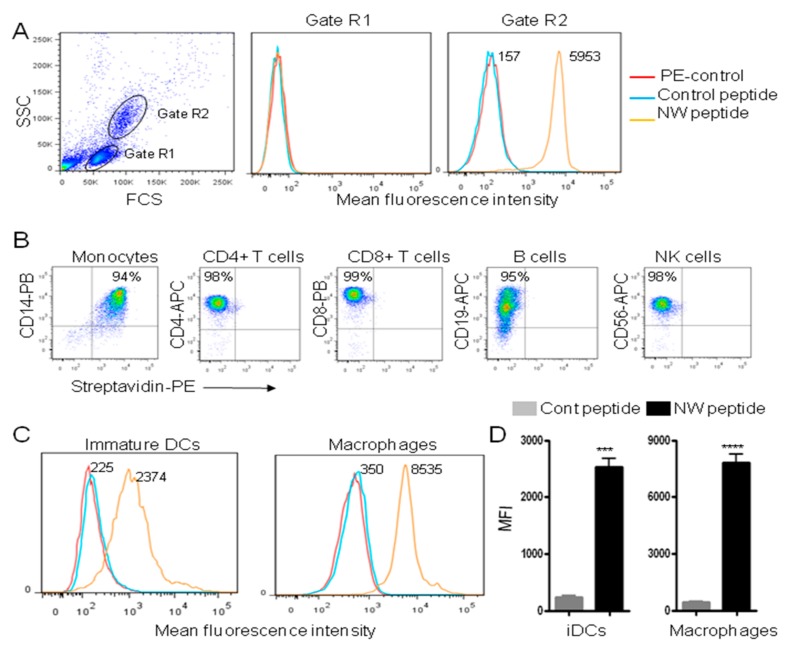
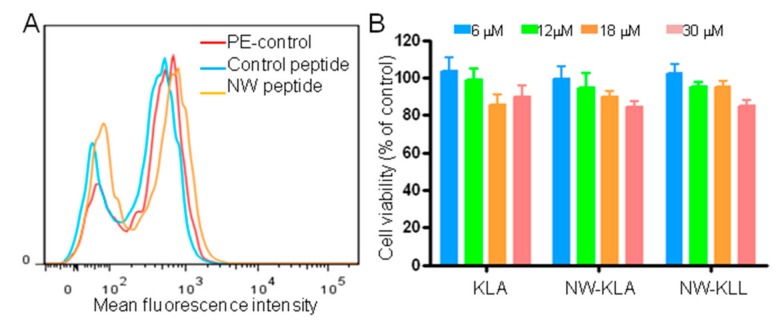
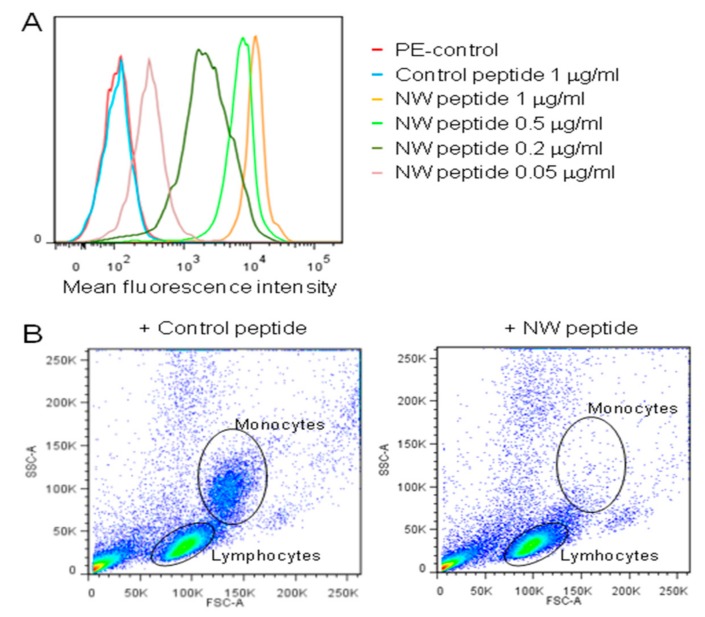
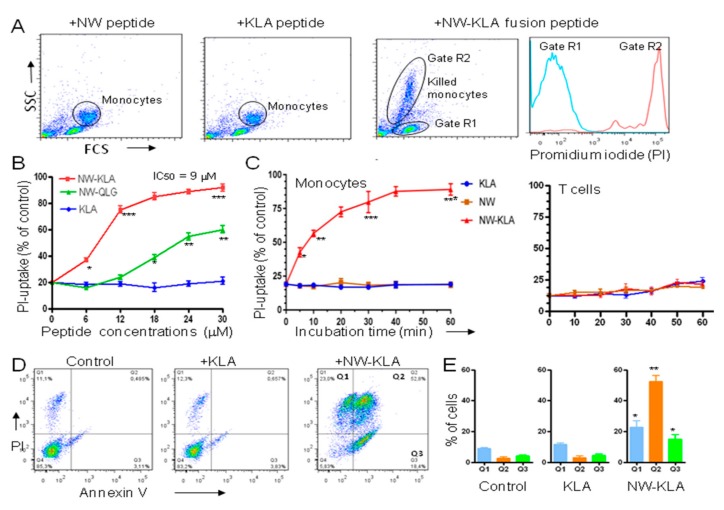
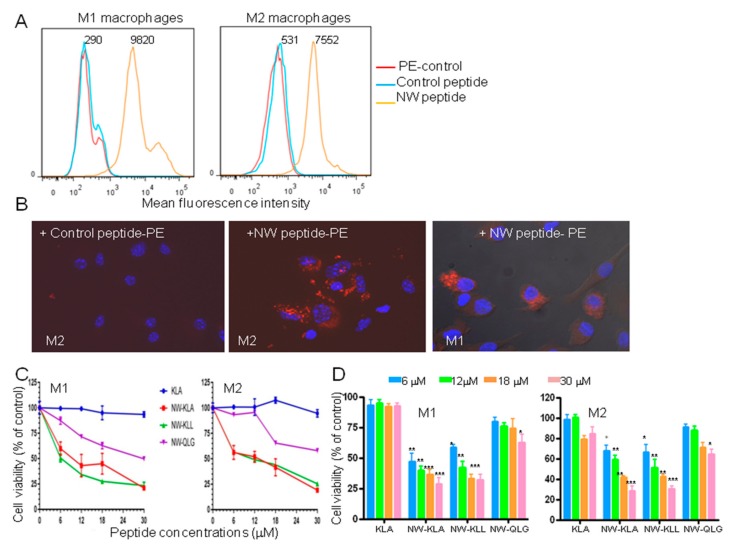
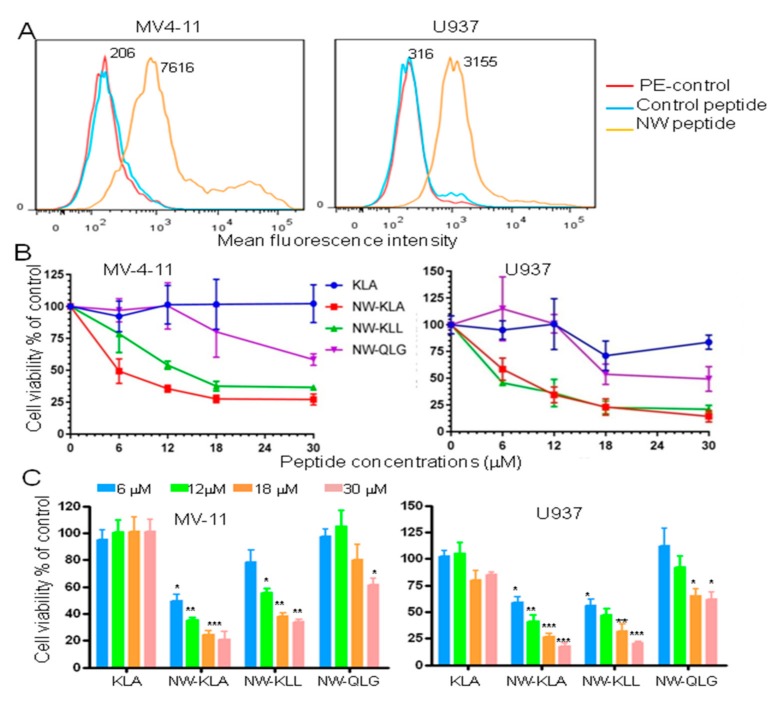
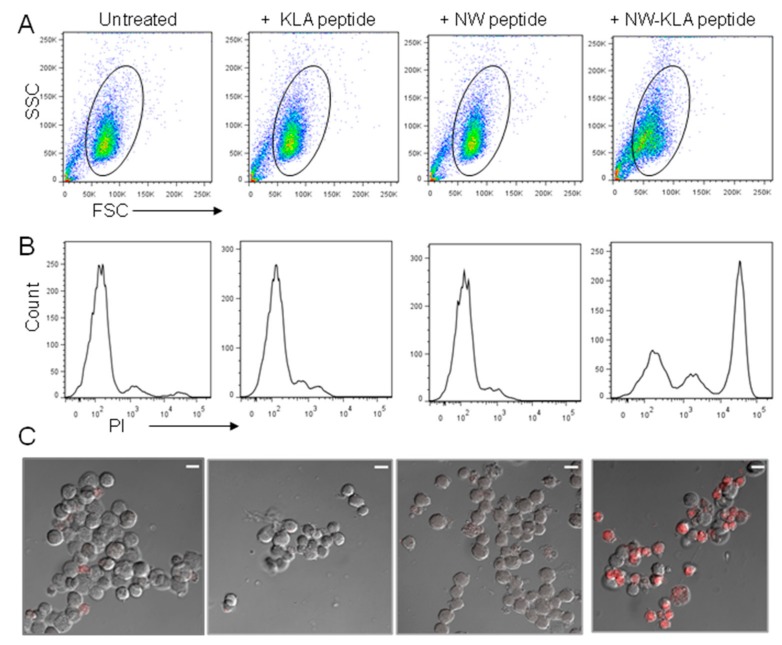
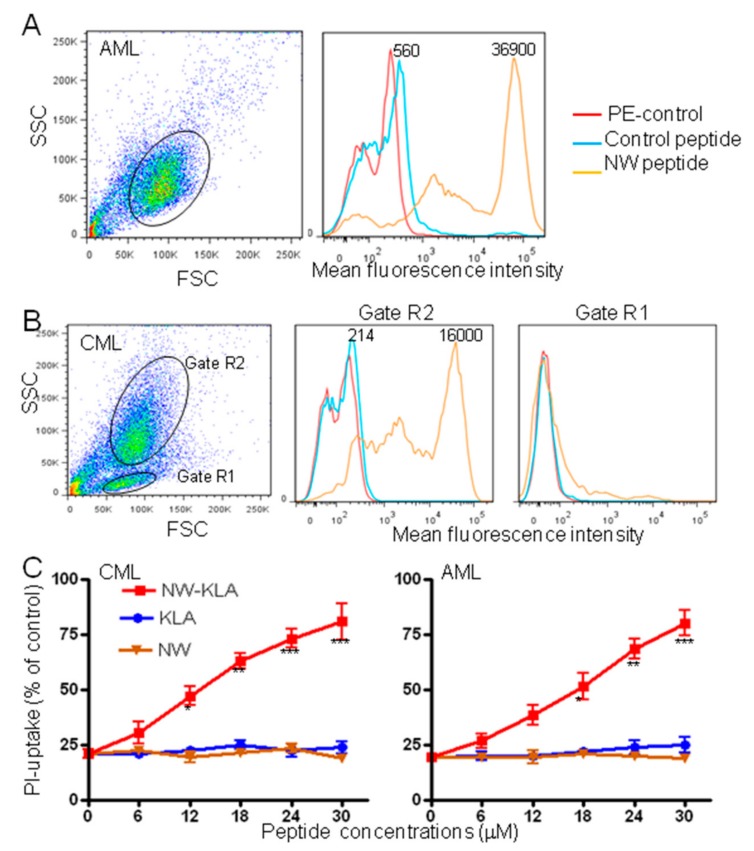
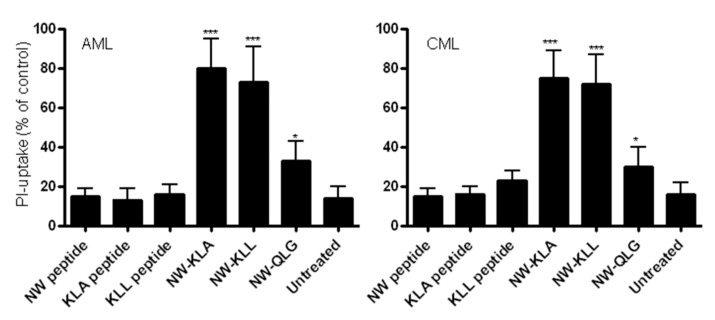
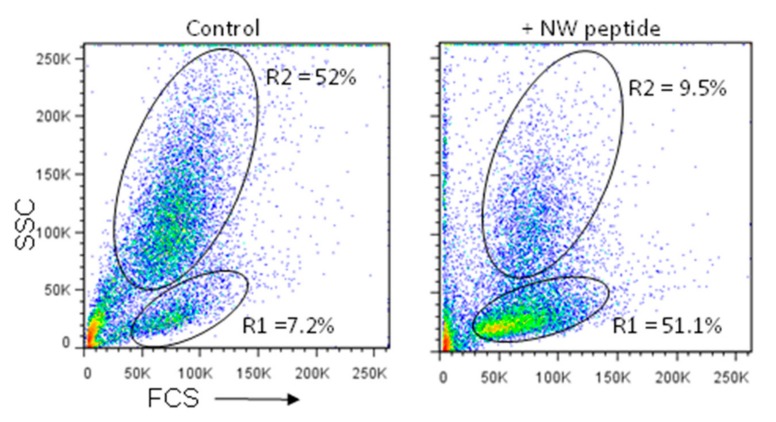
Several cells of myeloid origin, such as monocytes and macrophages are involved in various human disorders, including cancer and inflammatory diseases. Hence, they represent attractive therapeutic targets. Here we developed three lytic hybrid peptides, by fusing a monocyte- and macrophage-binding peptide to pro-apoptotic peptides, and investigated their killing potency on blood monocytes, macrophages, and leukemia cells. We first showed that the targeting NW peptide is effective for depleting monocytes from whole peripheral blood mononuclear cells (PBMCs). Incubating the cells with biotin-conjugated NW peptide, and the subsequent capture on streptavidin-conjugated magnetic beads, depleted monocytes from the PBMCs. The NW peptide also depleted myeloid leukemia blasts from patient PBMCs. The treatment of the PBMCs with the lytic hybrid NW-KLA peptide killed monocytes, but not lymphocytes and primary mammary epithelial cells. Additionally, the fusion peptide exhibited a potent toxicity against macrophages and leukemia cells. The free lytic KLA peptide did not affect cells. Similarly, a second lytic hybrid peptide killed macrophages, leukemia cell lines, and blood leukemia blasts from patients with acute and chronic myeloid leukemia. The IC towards target cells were in the low macromolar range (4-12 µM). Overall, the data indicate that the NW peptide could be a potential drug delivery agent for monocytes, macrophages, and leukemia cells. Moreover, the engineered lytic hybrid peptides acting alone, or in combination with other therapeutic agents, might benefit many cancer patients and overcome drug resistance.
几种髓系来源的细胞,如单核细胞和巨噬细胞,参与了包括癌症和炎症性疾病在内的多种人类疾病。因此,它们是有吸引力的治疗靶点。在此,我们通过将一种单核细胞和巨噬细胞结合肽与促凋亡肽融合,开发了三种裂解性杂合肽,并研究了它们对血液单核细胞、巨噬细胞和白血病细胞的杀伤效力。我们首先表明,靶向性的NW肽对于从全外周血单个核细胞(PBMC)中清除单核细胞是有效的。用生物素偶联的NW肽孵育细胞,随后捕获在链霉亲和素偶联的磁珠上,可从PBMC中清除单核细胞。NW肽还能从患者PBMC中清除髓系白血病母细胞。用裂解性杂合肽NW-KLA处理PBMC可杀死单核细胞,但不影响淋巴细胞和原代乳腺上皮细胞。此外,融合肽对巨噬细胞和白血病细胞表现出强大的毒性。游离的裂解性KLA肽对细胞没有影响。同样,第二种裂解性杂合肽可杀死巨噬细胞、白血病细胞系以及急性和慢性髓系白血病患者的血液白血病母细胞。对靶细胞的半数抑制浓度处于低微摩尔范围(4 - 12 μM)。总体而言,数据表明NW肽可能是一种针对单核细胞、巨噬细胞和白血病细胞的潜在药物递送剂。此外,单独作用或与其他治疗剂联合使用的工程化裂解性杂合肽可能会使许多癌症患者受益并克服耐药性。