Structural Biology and NMR Laboratory, Department of Biology, University of Copenhagen, Ole Maaløes Vej 5, DK-2200, Copenhagen N, Denmark.
Department of Chemistry and Biochemistry, University of Arizona, 1041 E. Lowell St., Tucson, AZ, 85721, USA.
Nat Commun. 2019 Aug 2;10(1):3489. doi: 10.1038/s41467-019-11391-7.
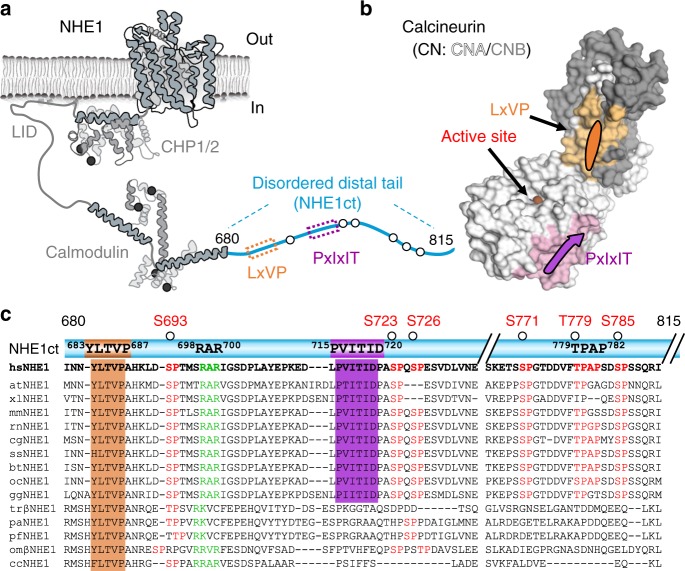
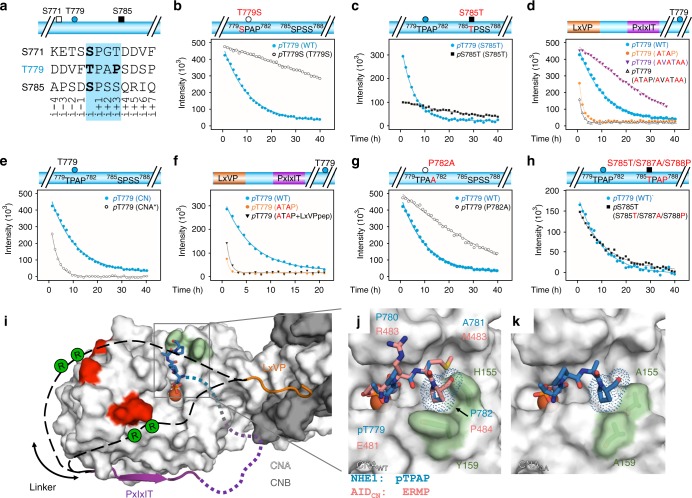
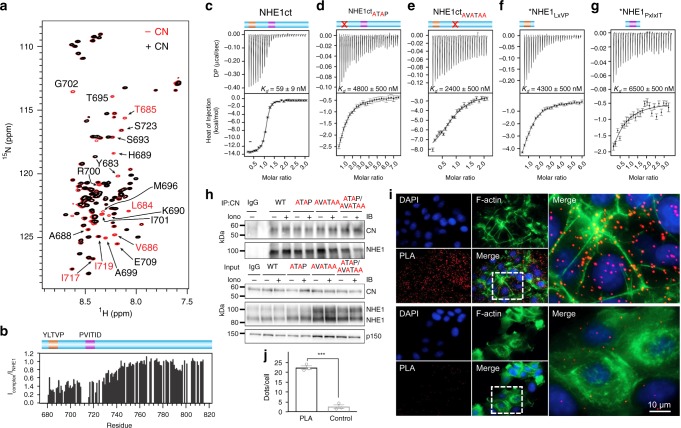
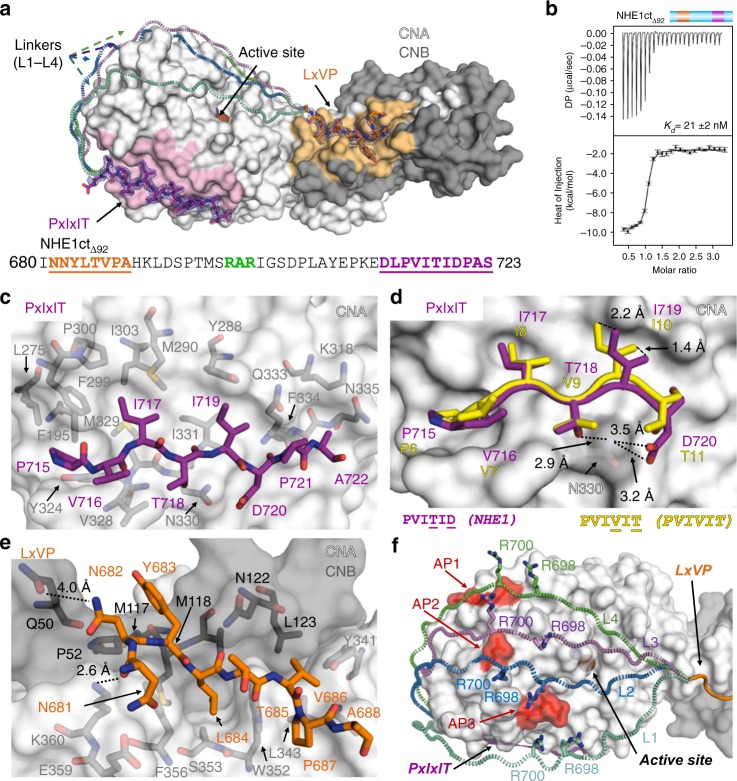
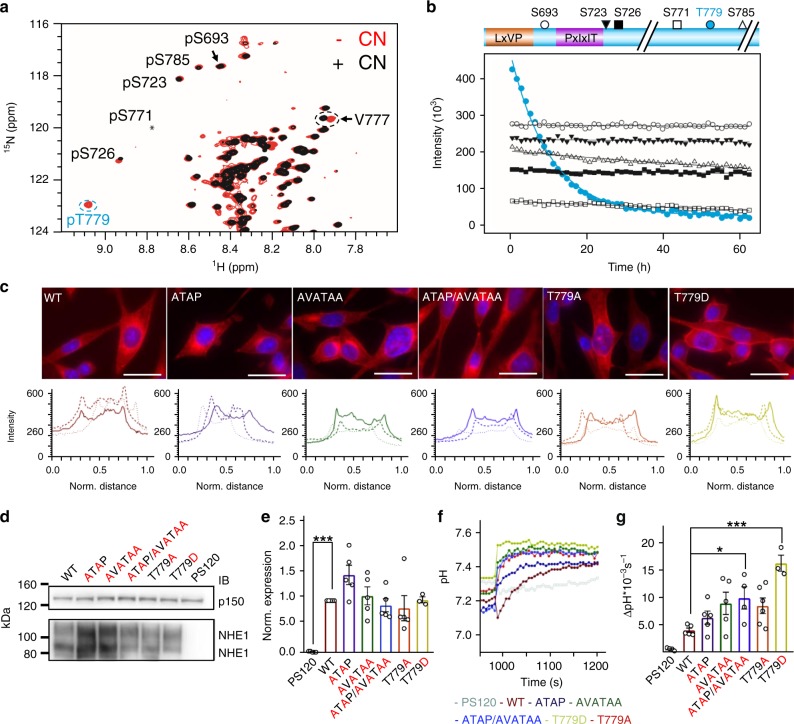
Very little is known about how Ser/Thr protein phosphatases specifically recruit and dephosphorylate substrates. Here, we identify how the Na/H-exchanger 1 (NHE1), a key regulator of cellular pH homeostasis, is regulated by the Ser/Thr phosphatase calcineurin (CN). NHE1 activity is increased by phosphorylation of NHE1 residue T779, which is specifically dephosphorylated by CN. While it is known that Ser/Thr protein phosphatases prefer pThr over pSer, we show that this preference is not key to this exquisite CN selectivity. Rather a combination of molecular mechanisms, including recognition motifs, dynamic charge-charge interactions and a substrate interaction pocket lead to selective dephosphorylation of pT779. Our data identify T779 as a site regulating NHE1-mediated cellular acid extrusion and provides a molecular understanding of NHE1 substrate selection by CN, specifically, and how phosphatases recruit specific substrates, generally.
关于丝氨酸/苏氨酸蛋白磷酸酶如何特异性招募和去磷酸化底物,我们知之甚少。在这里,我们确定了 Na+/H+交换器 1(NHE1),一种细胞 pH 动态平衡的关键调节剂,如何被丝氨酸/苏氨酸磷酸酶钙调神经磷酸酶(CN)调控。NHE1 活性通过 NHE1 残基 T779 的磷酸化增加,而 T779 可被 CN 特异性去磷酸化。尽管已知丝氨酸/苏氨酸蛋白磷酸酶更偏好 pThr 而非 pSer,但我们表明这种偏好并非这种 CN 特异性的关键。相反,包括识别基序、动态电荷-电荷相互作用和底物相互作用口袋在内的多种分子机制导致 pT779 的选择性去磷酸化。我们的数据确定 T779 是调节 NHE1 介导的细胞酸外排的位点,并为 CN 特异性以及磷酸酶如何普遍招募特定底物提供了对 NHE1 底物选择的分子理解。