Diabetes Research Center, Brussels Free University-VUB, Brussels, Belgium.
Beta Cell Therapy Consortium, Brussels, Belgium.
Stem Cells Transl Med. 2019 Dec;8(12):1296-1305. doi: 10.1002/sctm.19-0043. Epub 2019 Aug 4.
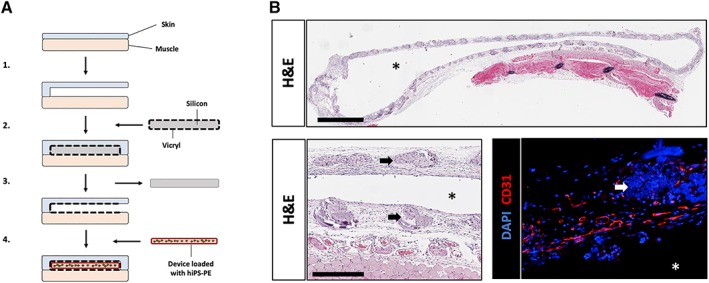
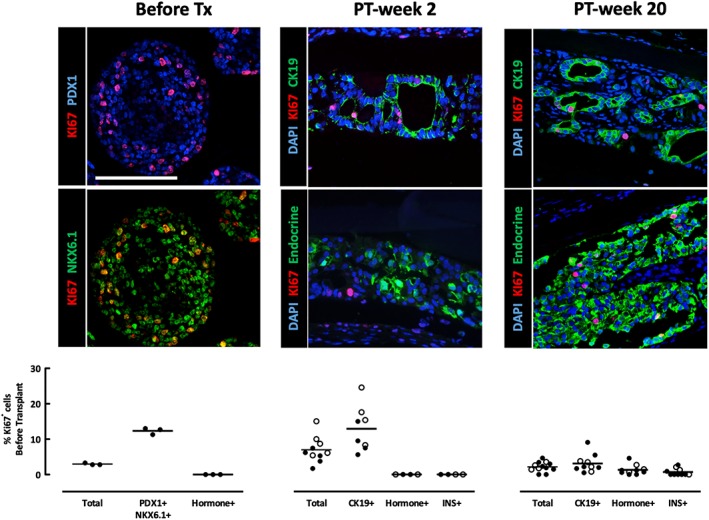
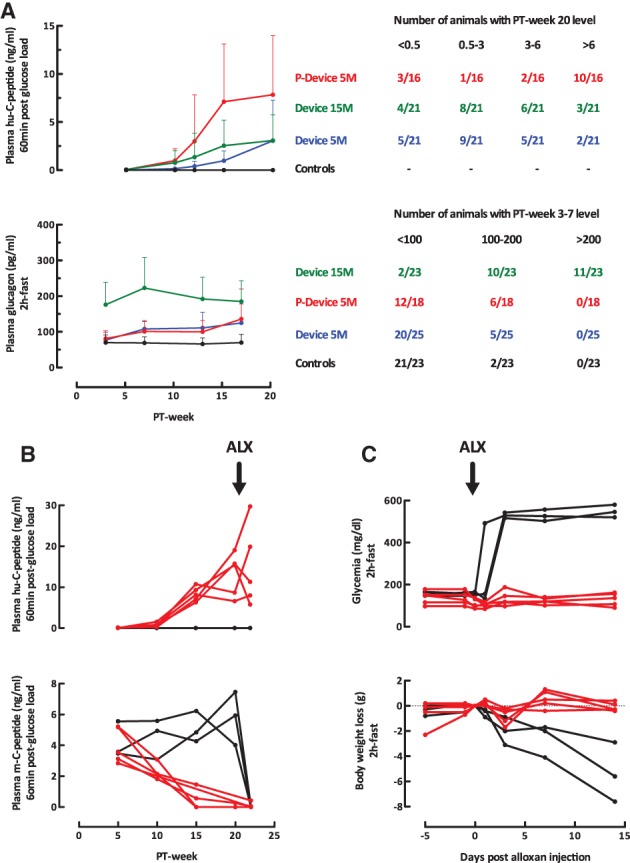
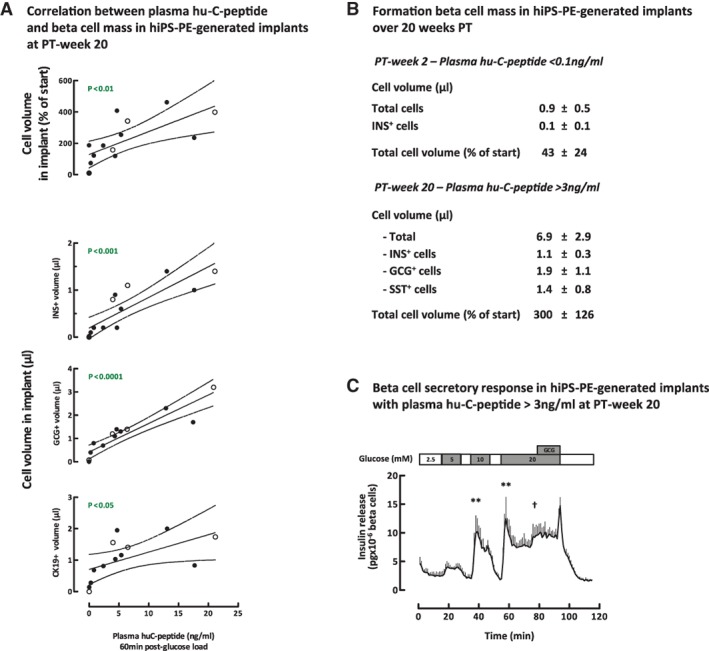
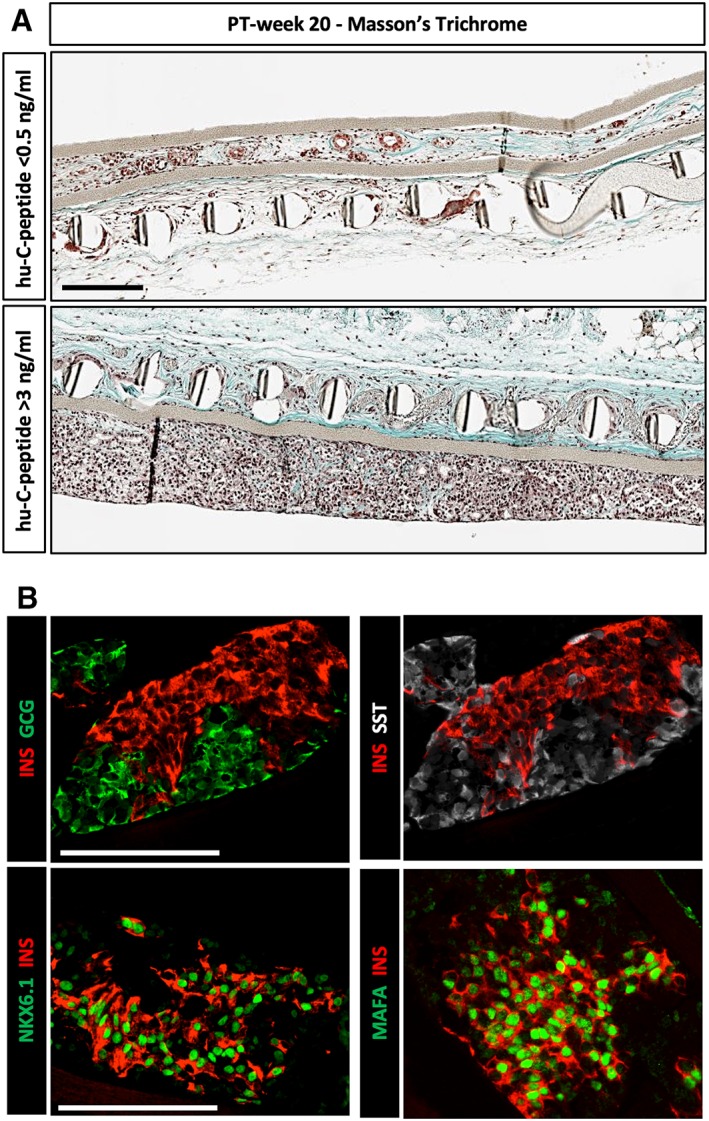
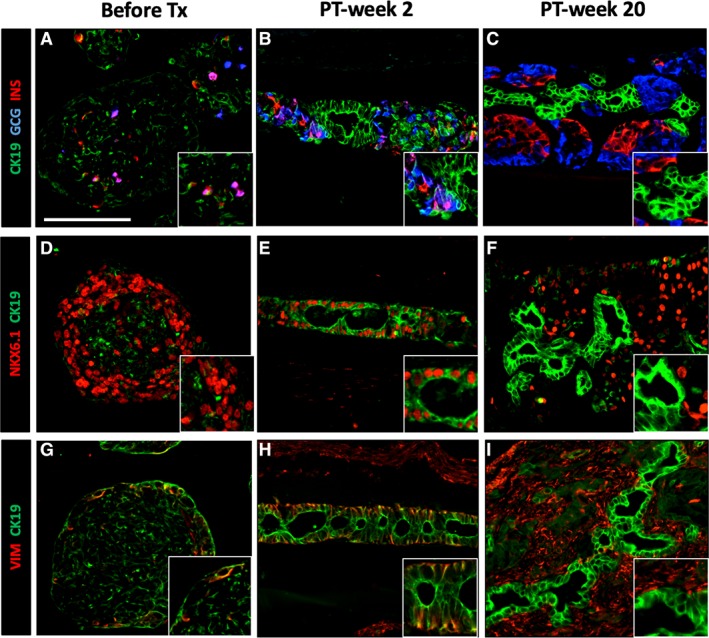
Device-encapsulated human stem cell-derived pancreatic endoderm (PE) can generate functional β-cell implants in the subcutis of mice, which has led to the start of clinical studies in type 1 diabetes. Assessment of the formed functional β-cell mass (FBM) and its correlation with in vivo metabolic markers can guide clinical translation. We recently reported ex vivo characteristics of device-encapsulated human embryonic stem cell-derived (hES)-PE implants in mice that had established a metabolically adequate FBM during 50-week follow-up. Cell suspensions from retrieved implants indicated a correlation with the number of formed β cells and their maturation to a functional state comparable to human pancreatic β cells. Variability in metabolic outcome was attributed to differences in number of PE-generated β cells. This variability hinders studies on processes involved in FBM-formation. This study reports modifications that reduce variability. It is undertaken with device-encapsulated human induced pluripotent stem cell-derived-PE subcutaneously implanted in mice. Cell mass of each cell type was determined on intact tissue inside the device to obtain more precise data than following isolation and dispersion. Implants in a preformed pouch generated a glucose-controlling β-cell mass within 20 weeks in over 60% of recipients versus less than 20% in the absence of a pouch, whether the same or threefold higher cell dose had been inserted. In situ analysis of implants indicated a role for pancreatic progenitor cell expansion and endocrine differentiation in achieving the size of β- and α-cell mass that correlated with in vivo markers of metabolic control. Stem Cells Translational Medicine 2019;8:1296&1305.
设备包裹的人干细胞来源的胰腺内胚层 (PE) 可以在小鼠的皮下产生功能性 β 细胞植入物,这导致了 1 型糖尿病的临床研究的开始。形成的功能性 β 细胞质量 (FBM) 的评估及其与体内代谢标志物的相关性可以指导临床转化。我们最近报道了在代谢上充分形成 FBM 的 50 周随访期间,设备包裹的人胚胎干细胞衍生的 (hES)-PE 植入物在小鼠中的体外特征。从取出的植入物中获得的细胞悬液表明与形成的 β 细胞数量及其向与人类胰腺 β 细胞相当的功能状态的成熟有关。代谢结果的可变性归因于 PE 生成的 β 细胞数量的差异。这种可变性阻碍了对 FBM 形成过程的研究。本研究报告了减少可变性的改进措施。它是在皮下植入小鼠的设备包裹的人诱导多能干细胞衍生的-PE 中进行的。为了获得比分离和分散后更精确的数据,在设备内完整组织上确定了每种细胞类型的细胞质量。在预先形成的囊袋中植入物在 20 周内使葡萄糖控制的 β 细胞质量在超过 60%的受者中产生,而在没有囊袋的情况下则不到 20%,无论插入的细胞剂量相同还是三倍。植入物的原位分析表明胰腺祖细胞扩增和内分泌分化在达到与体内代谢控制标志物相关的 β 和 α 细胞质量方面起着作用。干细胞转化医学 2019;8:1296&1305.