IBG-1: Biotechnology, Institute for Bio- und Geosciences, Forschungszentrum Jülich, 52425, Jülich, Germany.
BMC Microbiol. 2019 Aug 5;19(1):179. doi: 10.1186/s12866-019-1553-0.
Key mechanisms of cell division and its regulation are well understood in model bacteria such as Escherichia coli and Bacillus subtilis. In contrast, current knowledge on the regulation of cell division in Actinobacteria is rather limited. FtsZ is one of the key players in this process, but nothing is known about its transcriptional regulation in Corynebacterium glutamicum, a model organism of the Corynebacteriales.
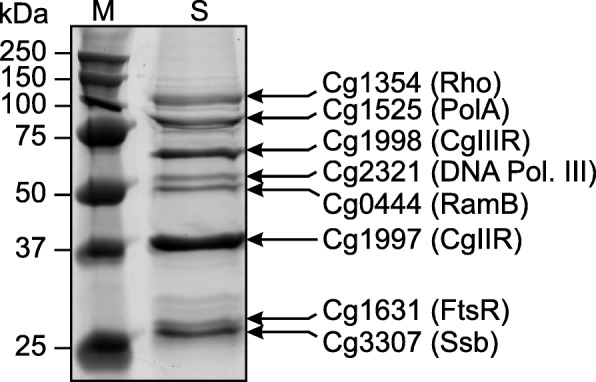
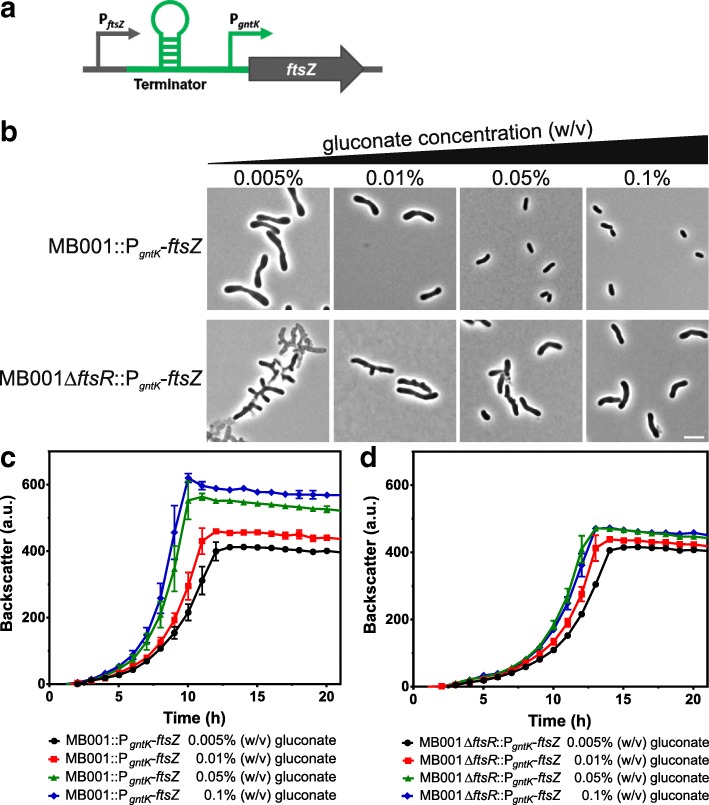
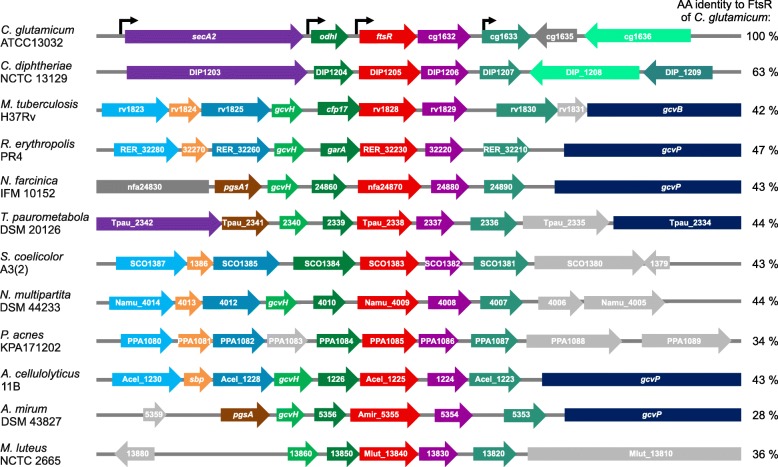
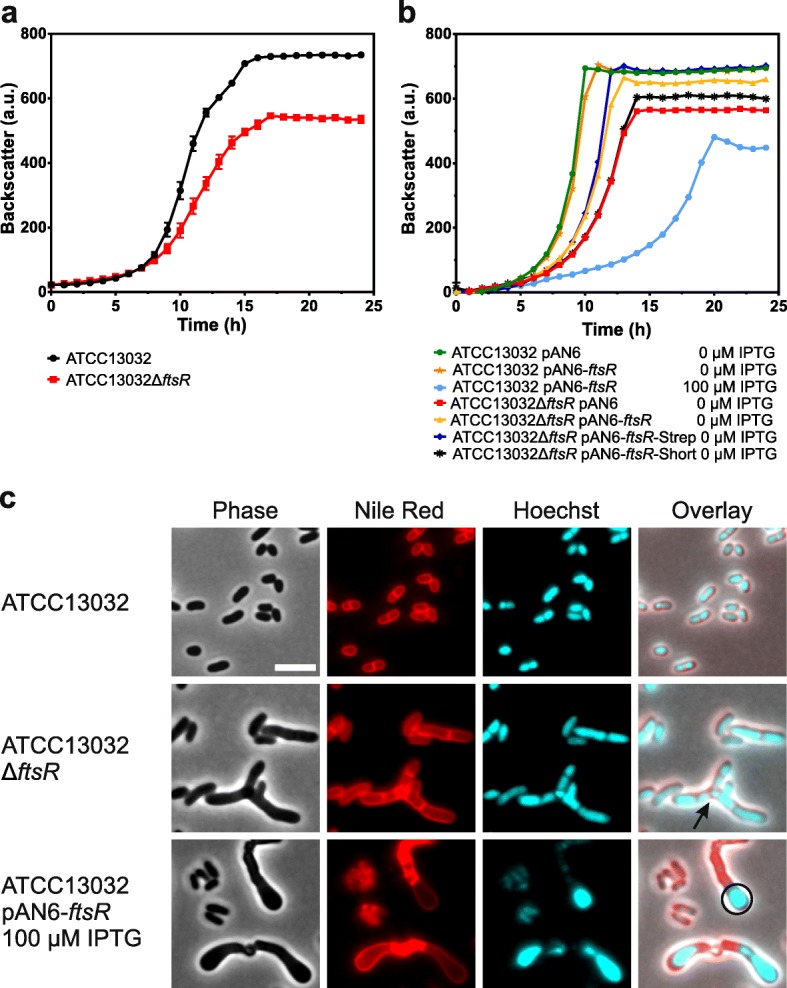
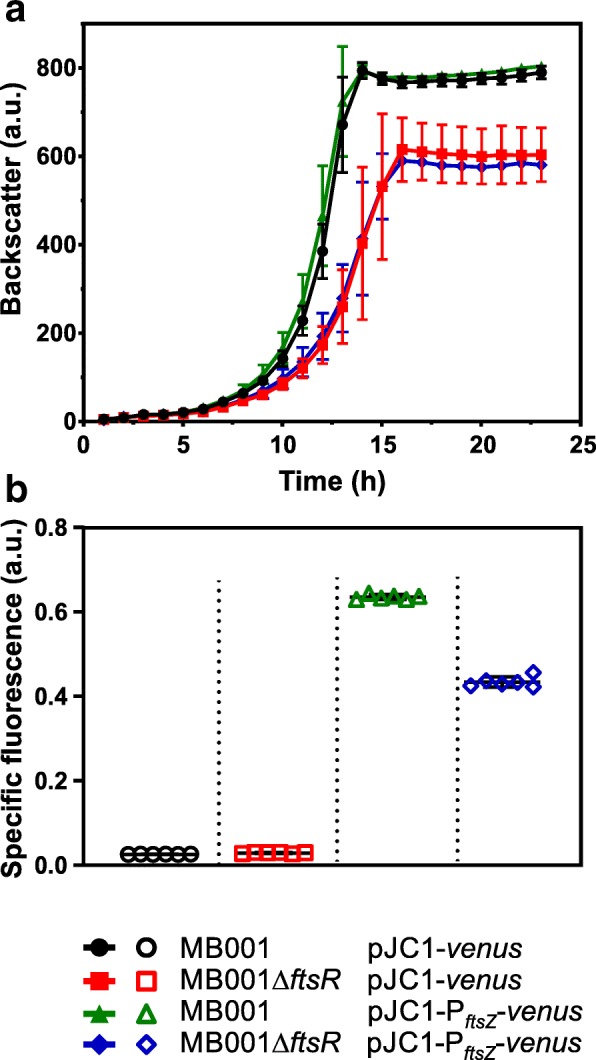
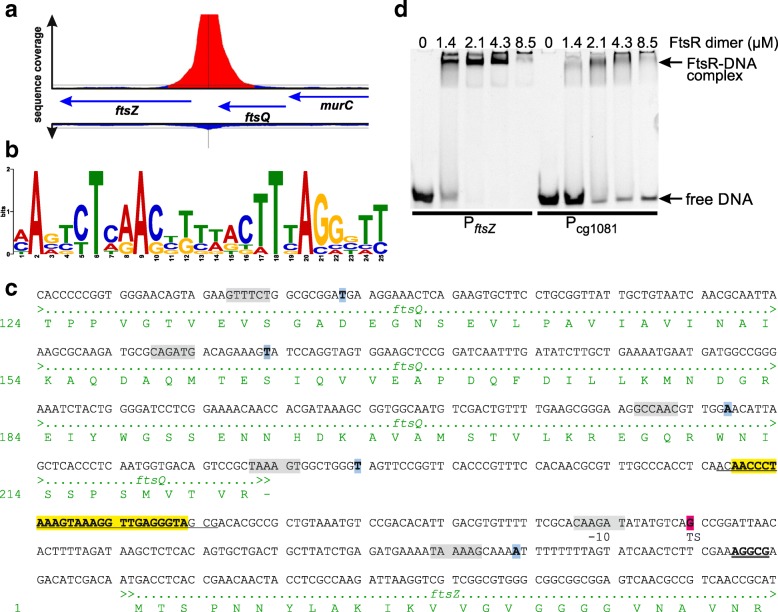
In this study, we used DNA affinity chromatography to search for transcriptional regulators of ftsZ in C. glutamicum and identified the Cg1631 protein as candidate, which was named FtsR. Both deletion and overexpression of ftsR caused growth defects and an altered cell morphology. Plasmid-based expression of native ftsR or of homologs of the pathogenic relatives Corynebacterium diphtheriae and Mycobacterium tuberculosis in the ΔftsR mutant could at least partially reverse the mutant phenotype. Absence of ftsR caused decreased expression of ftsZ, in line with an activator function of FtsR. In vivo crosslinking followed by affinity purification of FtsR and next generation sequencing of the enriched DNA fragments confirmed the ftsZ promoter as in vivo binding site of FtsR and revealed additional potential target genes and a DNA-binding motif. Analysis of strains expressing ftsZ under control of the gluconate-inducible gntK promoter revealed that the phenotype of the ΔftsR mutant is not solely caused by reduced ftsZ expression, but involves further targets.
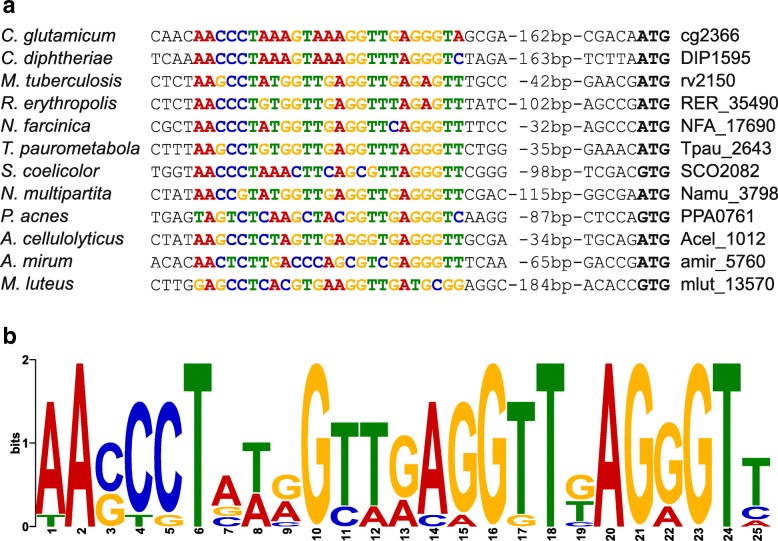
In this study, we identified and characterized FtsR as the first transcriptional regulator of FtsZ described for C. glutamicum. Both the absence and the overproduction of FtsR had severe effects on growth and cell morphology, underlining the importance of this regulatory protein. FtsR and its DNA-binding site in the promoter region of ftsZ are highly conserved in Actinobacteria, which suggests that this regulatory mechanism is also relevant for the control of cell division in related Actinobacteria.
细胞分裂及其调控的关键机制在模式细菌,如大肠杆菌和枯草芽孢杆菌中已得到很好的理解。相比之下,目前对放线菌中细胞分裂的调控的了解相当有限。FtsZ 是该过程中的关键参与者之一,但在谷氨酸棒状杆菌(棒杆菌目模型生物)中,其转录调控尚不清楚。
在这项研究中,我们使用 DNA 亲和层析法在谷氨酸棒状杆菌中搜索 FtsZ 的转录调节剂,并鉴定出 Cg1631 蛋白作为候选物,将其命名为 FtsR。ftsR 的缺失和过表达都会导致生长缺陷和细胞形态改变。在 ΔftsR 突变体中,基于质粒的天然 ftsR 或致病性相关物白喉棒状杆菌和结核分枝杆菌同源物的表达可以至少部分逆转突变体表型。ftsR 的缺失导致 ftsZ 的表达减少,这与 FtsR 的激活功能一致。体内交联结合随后对 FtsR 的亲和纯化以及对富集 DNA 片段的下一代测序证实了 ftsZ 启动子是 FtsR 的体内结合位点,并揭示了其他潜在的靶基因和 DNA 结合基序。在受葡萄糖诱导型 gntK 启动子控制下表达 ftsZ 的菌株分析表明,ΔftsR 突变体的表型不仅是由于 ftsZ 表达减少引起的,还涉及其他靶基因。
在这项研究中,我们鉴定并表征了 FtsR 作为谷氨酸棒状杆菌中描述的第一个 FtsZ 转录调节剂。FtsR 的缺失和过表达对生长和细胞形态都有严重影响,这强调了这种调节蛋白的重要性。FtsR 及其在 ftsZ 启动子区域的 DNA 结合位点在放线菌中高度保守,这表明该调控机制对于相关放线菌的细胞分裂控制也具有重要意义。