Le Jiamei, Zhang Xiaoying, Jia Weiping, Zhang Yong, Luo Juntao, Sun Yongning, Ye Jianping
Shanghai Key Laboratory of Molecular Imaging, Shanghai University of Medicine and Health Sciences, Shanghai 201318, China.
Department of Traditional Chinese Medicine, Shanghai Jiaotong University Affiliated Sixth People׳s Hospital, Shanghai 200233, China.
Acta Pharm Sin B. 2019 Jul;9(4):758-768. doi: 10.1016/j.apsb.2019.01.014. Epub 2019 Jan 29.
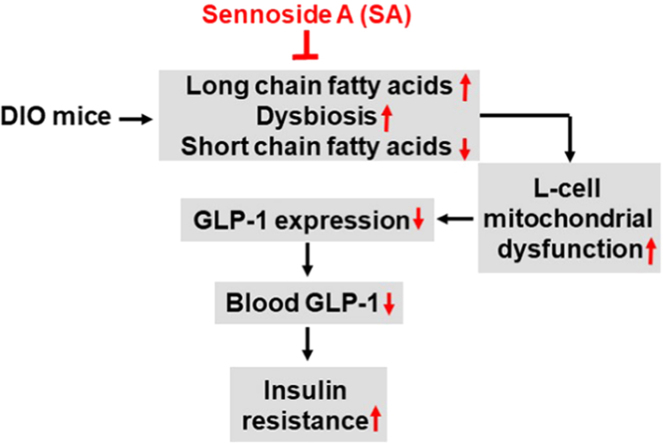
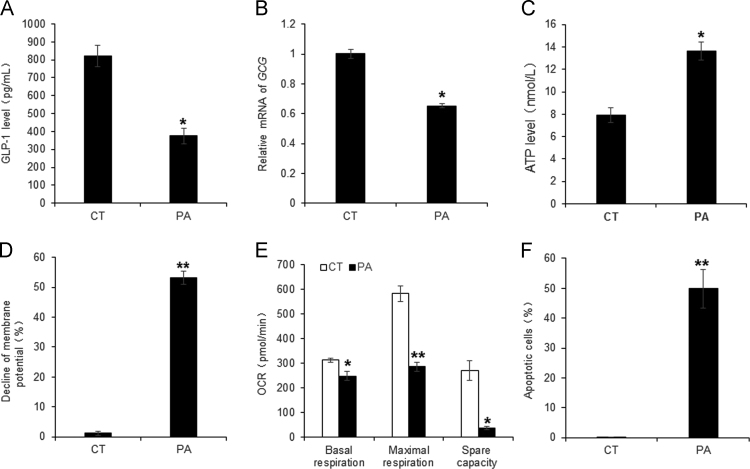
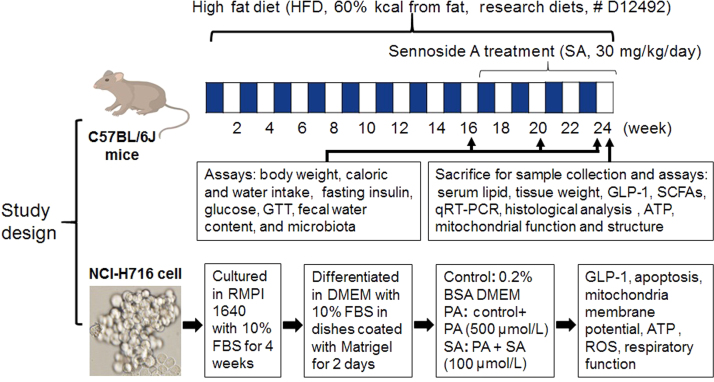
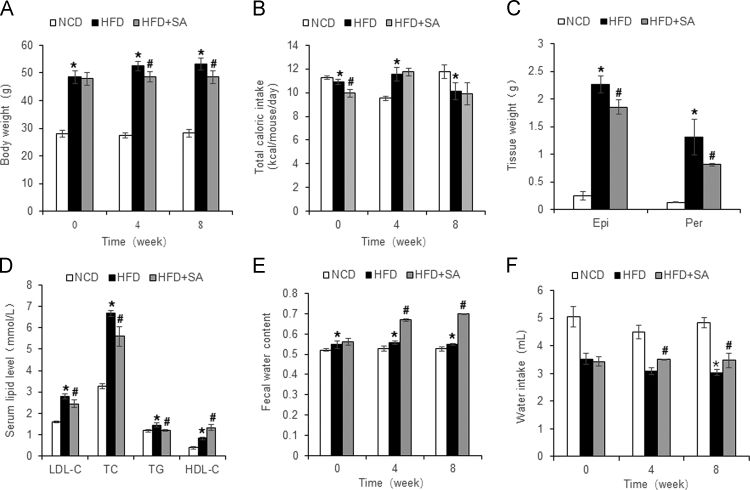
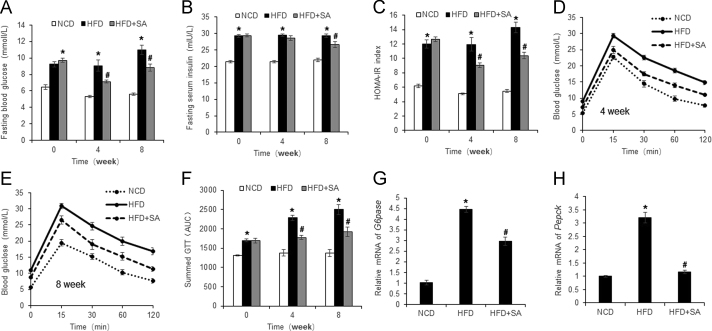
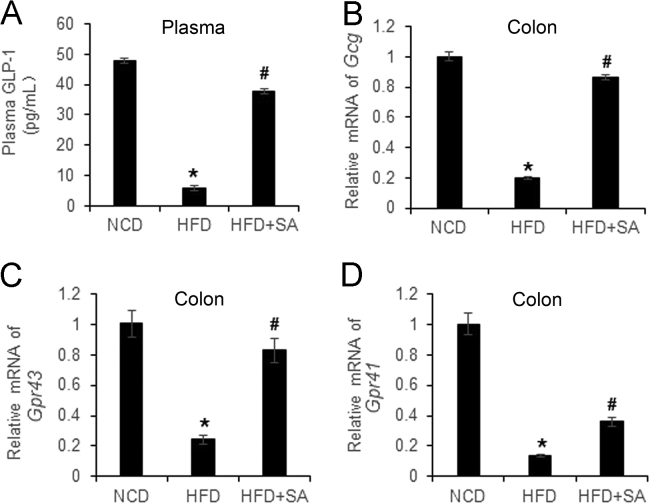
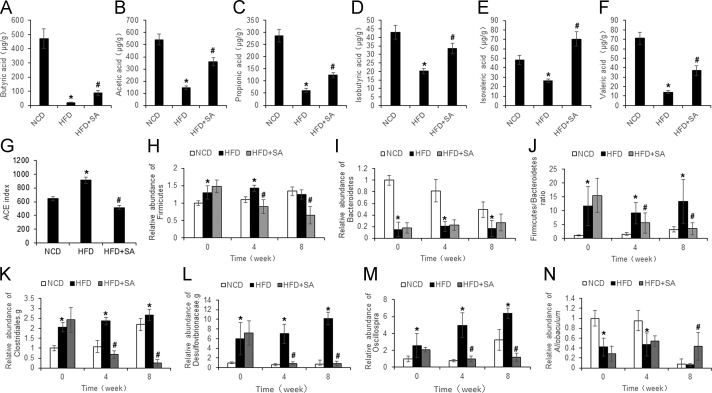
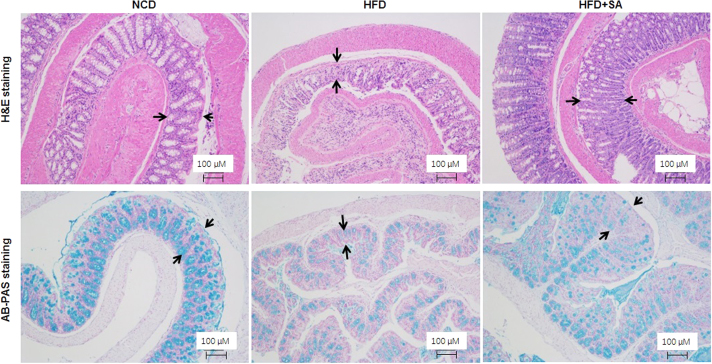
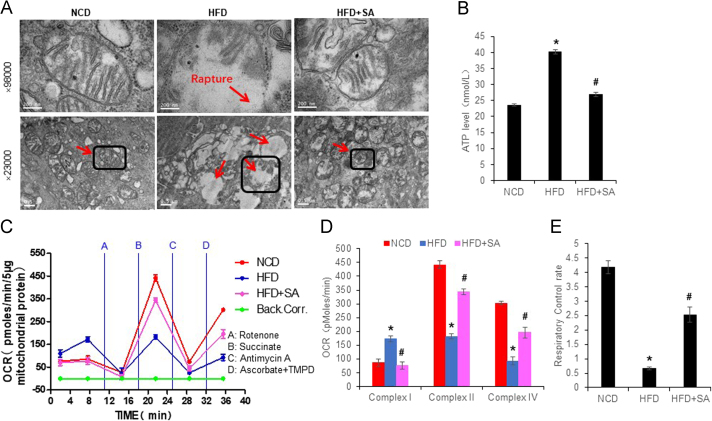
Sennoside A (SA) is a bioactive component of Chinese herbal medicines with an activity of irritant laxative, which is often used in the treatment of constipation and obesity. However, its activity remains unknown in the regulation of insulin sensitivity. In this study, the impact of SA on insulin sensitivity was tested in high fat diet (HFD)-induced obese mice through dietary supplementation. At a dosage of 30 mg/kg/day, SA improved insulin sensitivity in the mice after 8-week treatment as indicated by HOMA-IR (homeostatic model assessment for insulin resistance) and glucose tolerance test (GTT). SA restored plasma level of glucagon-like peptide 1 (GLP1) by 90% and mRNA expression of by 80% in the large intestine of HFD mice. In the mechanism, SA restored the gut microbiota profile, short chain fatty acids (SCFAs), and mucosal structure in the colon. A mitochondrial stress was observed in the enterocytes of HFD mice with ATP elevation, structural damage, and complex dysfunction. The mitochondrial response was induced in enterocytes by the dietary fat as the same responses were induced by palmitic acid in the cell culture. The mitochondrial response was inhibited in HFD mice by SA treatment. These data suggest that SA may restore the function of microbiota-GLP1 axis to improve glucose metabolism in the obese mice.
番泻苷A(SA)是中草药的一种生物活性成分,具有刺激性泻药活性,常用于治疗便秘和肥胖症。然而,其在胰岛素敏感性调节方面的活性尚不清楚。在本研究中,通过饮食补充,在高脂饮食(HFD)诱导的肥胖小鼠中测试了SA对胰岛素敏感性的影响。以30 mg/kg/天的剂量,SA在8周治疗后改善了小鼠的胰岛素敏感性,这通过HOMA-IR(胰岛素抵抗稳态模型评估)和葡萄糖耐量试验(GTT)得以体现。SA使HFD小鼠大肠中胰高血糖素样肽1(GLP1)的血浆水平恢复了90%,其mRNA表达恢复了80%。在机制方面,SA恢复了结肠中的肠道微生物群谱、短链脂肪酸(SCFAs)和黏膜结构。在HFD小鼠的肠细胞中观察到线粒体应激,伴有ATP升高、结构损伤和复合体功能障碍。饮食脂肪在肠细胞中诱导了线粒体反应,因为在细胞培养中棕榈酸也诱导了相同的反应。SA处理抑制了HFD小鼠中的线粒体反应。这些数据表明,SA可能恢复微生物群-GLP1轴的功能,以改善肥胖小鼠的葡萄糖代谢。