Department of Integrative Biology, School of Bio Sciences and Technology, Vellore Institute of Technology, Vellore, Tamil Nadu, 632014, India.
Department of Biomedical Sciences, College of Health and Sciences, Qatar University, Doha, Qatar.
Metab Brain Dis. 2019 Dec;34(6):1577-1594. doi: 10.1007/s11011-019-00465-6. Epub 2019 Aug 5.
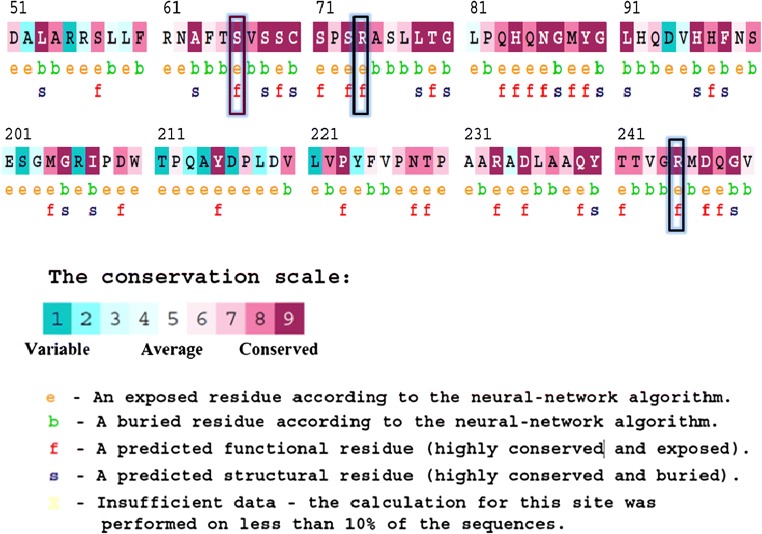
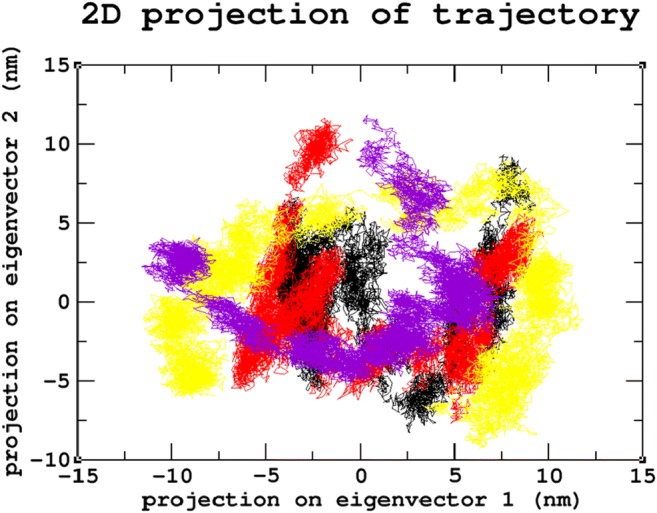
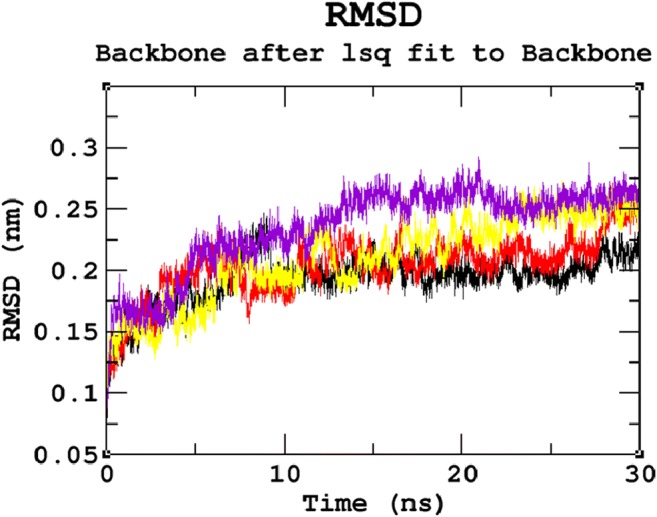
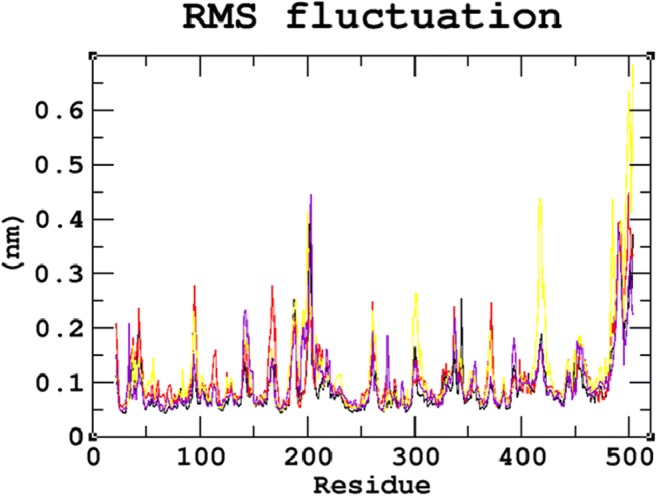
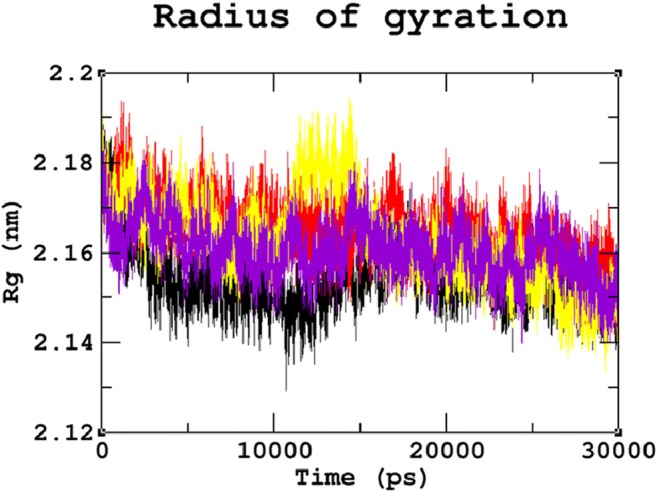
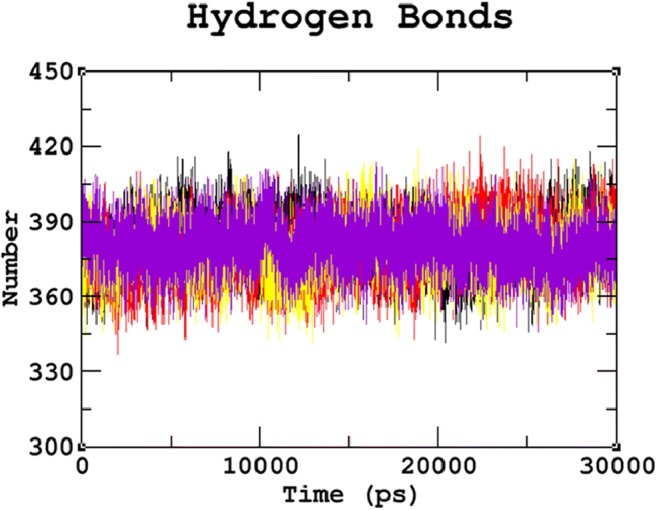
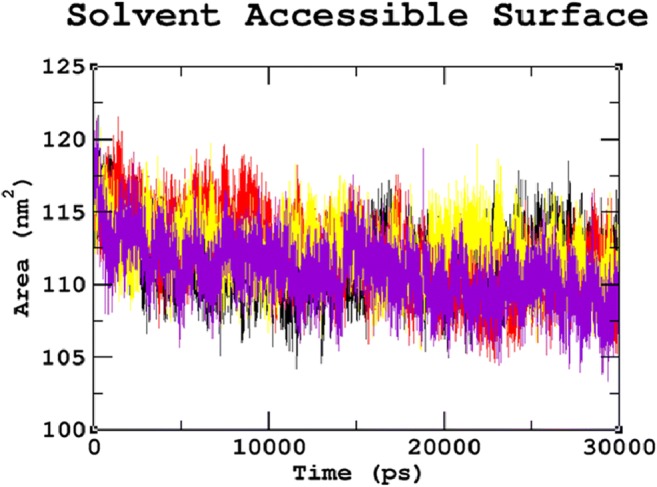
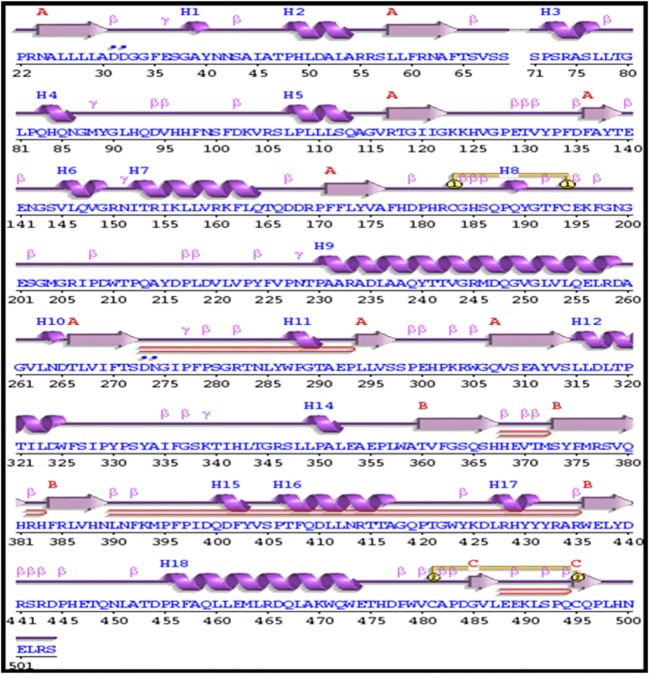
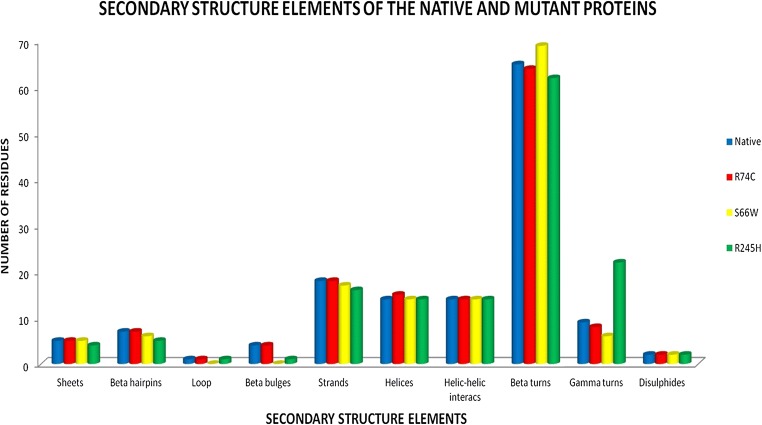
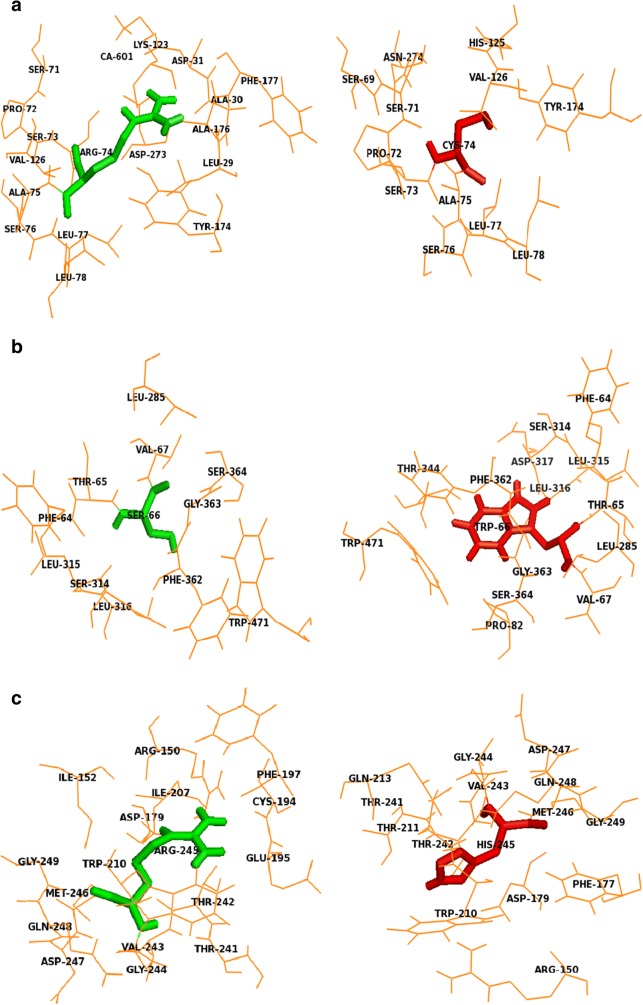
Mucopolysaccharidosis (MPS) IIIA, also known as Sanfilippo syndrome type A, is a severe, progressive disease that affects the central nervous system (CNS). MPS IIIA is inherited in an autosomal recessive manner and is caused by a deficiency in the lysosomal enzyme sulfamidase, which is required for the degradation of heparan sulfate. The sulfamidase is produced by the N-sulphoglucosamine sulphohydrolase (SGSH) gene. In MPS IIIA patients, the excess of lysosomal storage of heparan sulfate often leads to mental retardation, hyperactive behavior, and connective tissue impairments, which occur due to various known missense mutations in the SGSH, leading to protein dysfunction. In this study, we focused on three mutations (R74C, S66W, and R245H) based on in silico pathogenic, conservation, and stability prediction tool studies. The three mutations were further subjected to molecular dynamic simulation (MDS) analysis using GROMACS simulation software to observe the structural changes they induced, and all the mutants exhibited maximum deviation patterns compared with the native protein. Conformational changes were observed in the mutants based on various geometrical parameters, such as conformational stability, fluctuation, and compactness, followed by hydrogen bonding, physicochemical properties, principal component analysis (PCA), and salt bridge analyses, which further validated the underlying cause of the protein instability. Additionally, secondary structure and surrounding amino acid analyses further confirmed the above results indicating the loss of protein function in the mutants compared with the native protein. The present results reveal the effects of three mutations on the enzymatic activity of sulfamidase, providing a molecular explanation for the cause of the disease. Thus, this study allows for a better understanding of the effect of SGSH mutations through the use of various computational approaches in terms of both structure and functions and provides a platform for the development of therapeutic drugs and potential disease treatments.
黏多糖贮积症 IIIA 型(MPS IIIA),也称 Sanfilippo 综合征 A 型,是一种严重的进行性疾病,影响中枢神经系统(CNS)。MPS IIIA 呈常染色体隐性遗传,由溶酶体酶硫酸乙酰肝素酶(sulfamidase)缺乏引起,该酶对于硫酸乙酰肝素的降解是必需的。硫酸乙酰肝素酶由 N-磺基葡萄糖胺硫酸酯酶(SGSH)基因产生。在 MPS IIIA 患者中,溶酶体中肝素硫酸盐的过度储存常常导致智力迟钝、多动行为和结缔组织损伤,这是由于 SGSH 中的各种已知错义突变导致蛋白质功能障碍引起的。在本研究中,我们根据计算机预测的致病性、保守性和稳定性研究,重点关注了三个突变(R74C、S66W 和 R245H)。进一步使用 GROMACS 模拟软件对这三个突变进行分子动力学模拟(MDS)分析,观察它们引起的结构变化,与天然蛋白相比,所有突变体都表现出最大的偏离模式。根据各种几何参数,如构象稳定性、波动和紧凑性,观察到突变体中的构象变化,随后是氢键、理化性质、主成分分析(PCA)和盐桥分析,这些分析进一步验证了蛋白质不稳定的根本原因。此外,二级结构和周围氨基酸分析进一步证实了上述结果,表明突变体与天然蛋白相比,蛋白质功能丧失。本研究结果揭示了三种突变对硫酸乙酰肝素酶酶活性的影响,从结构和功能两个方面为该疾病的病因提供了分子解释。因此,本研究通过使用各种计算方法研究 SGSH 突变对结构和功能的影响,为开发治疗药物和潜在疾病治疗方法提供了一个平台。