Departament d'Enginyeria Química, Universitat Politècnica de Catalunya, Escola d'Enginyeria de Barcelona Est-EEBE, c/Eduard Maristany 10-14, 08019 Barcelona, Spain.
Center for Research in Nano-Engineering, Universitat Politècnica de Catalunya, Campus Sud, Edifici C', c/Pasqual i Vila s/n, E-08028 Barcelona, Spain.
Molecules. 2019 Aug 5;24(15):2840. doi: 10.3390/molecules24152840.
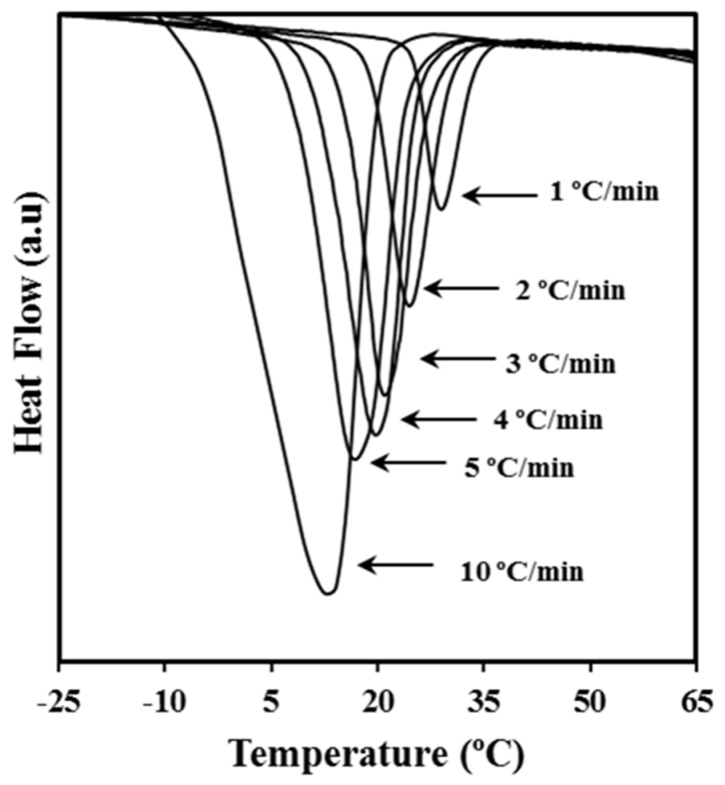
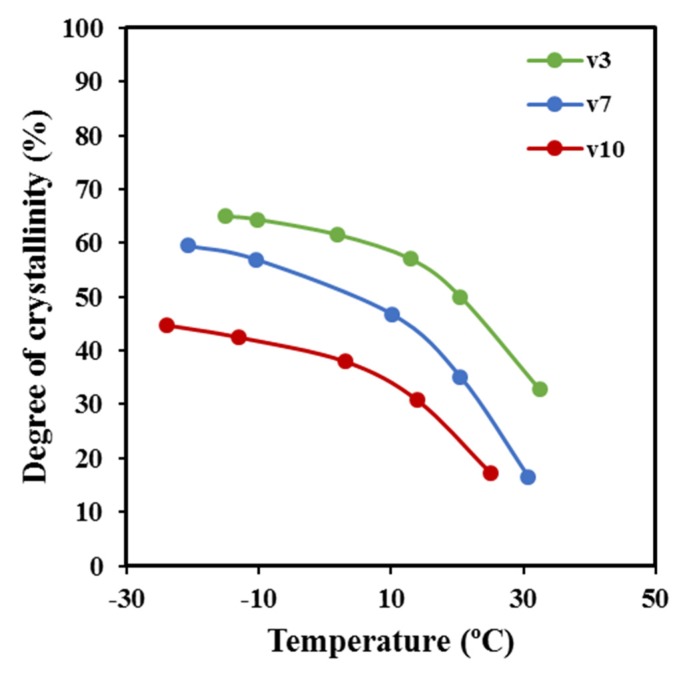
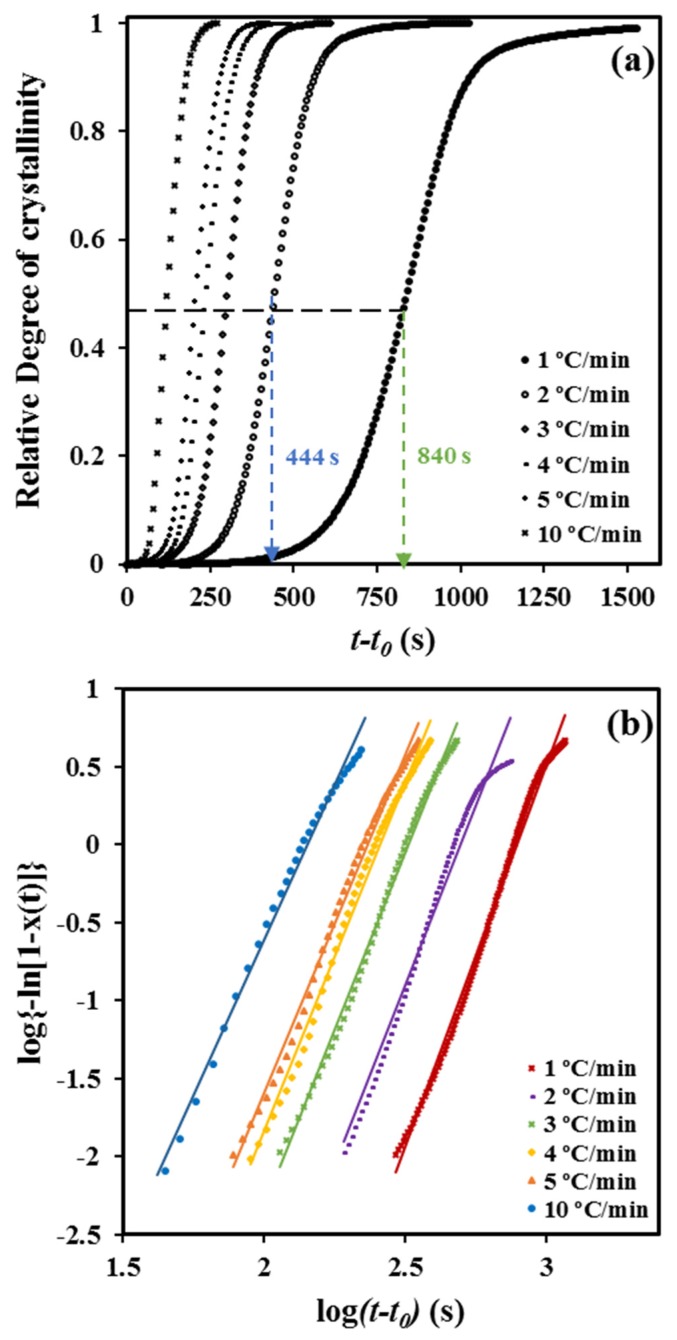
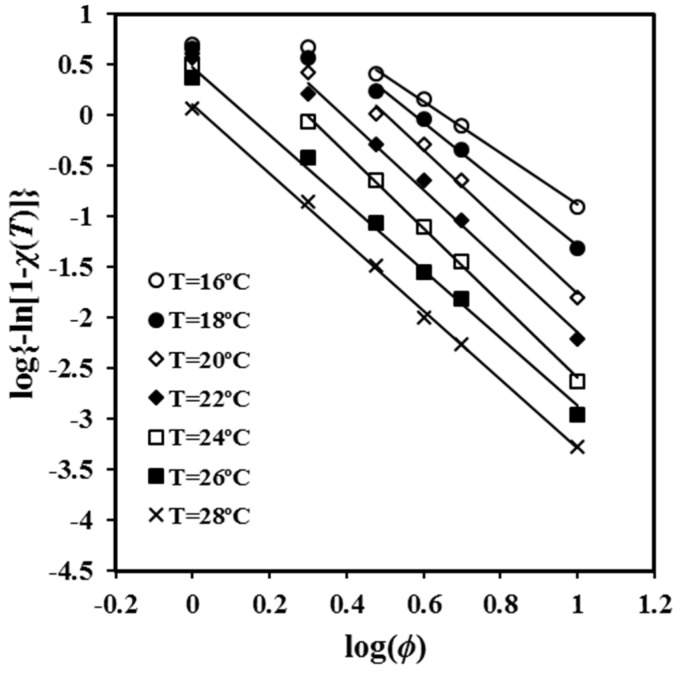
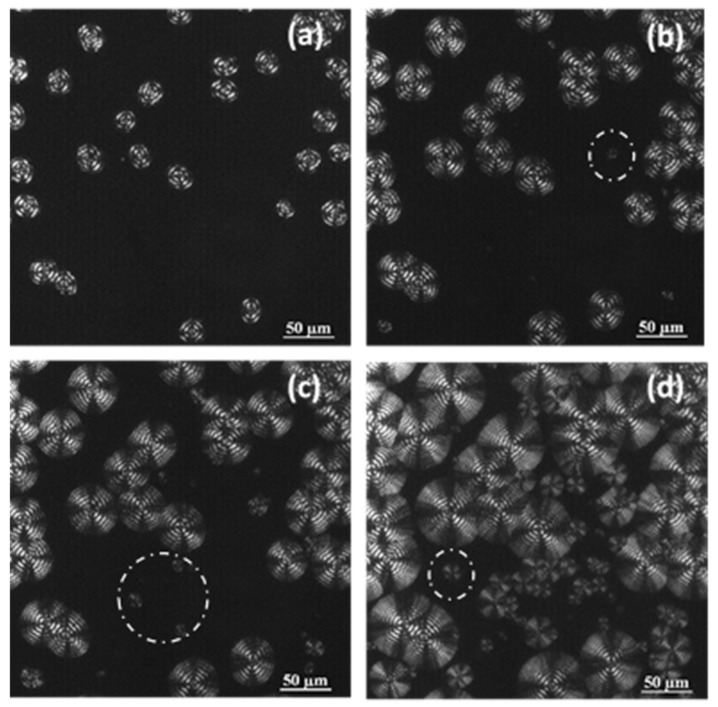
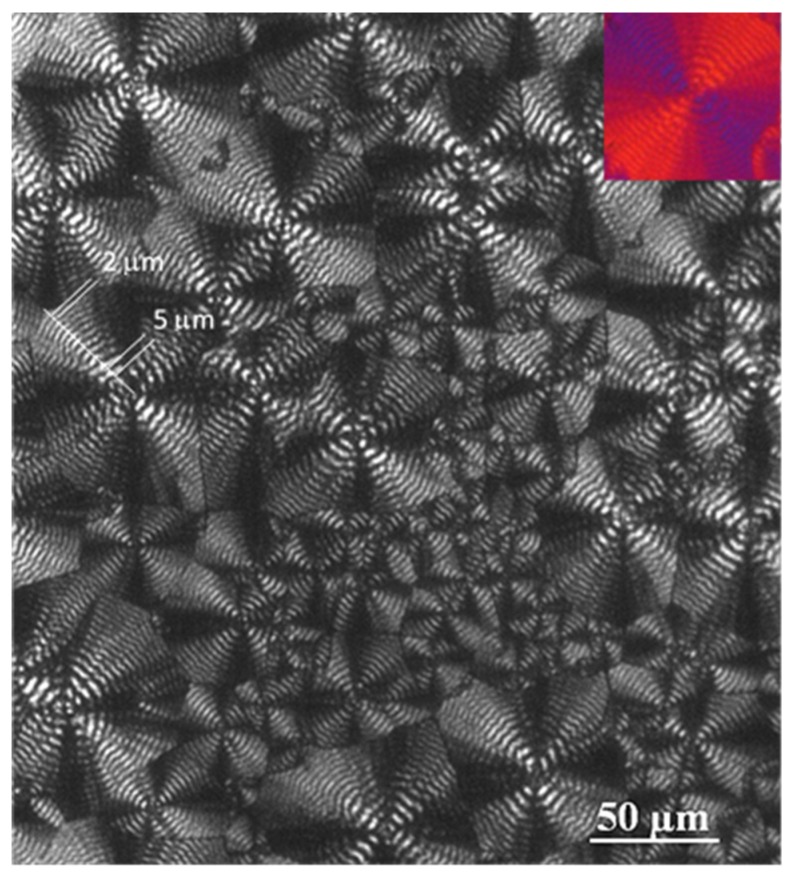
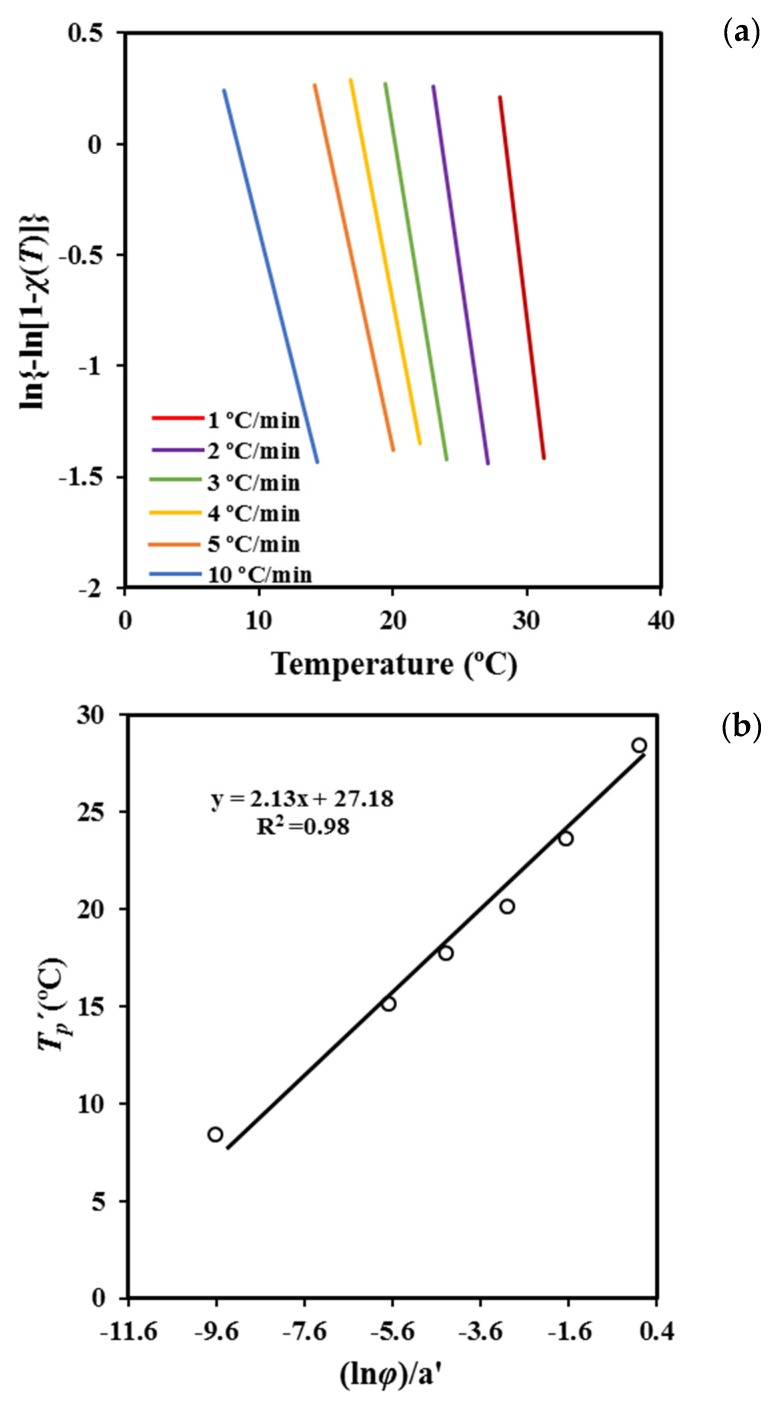
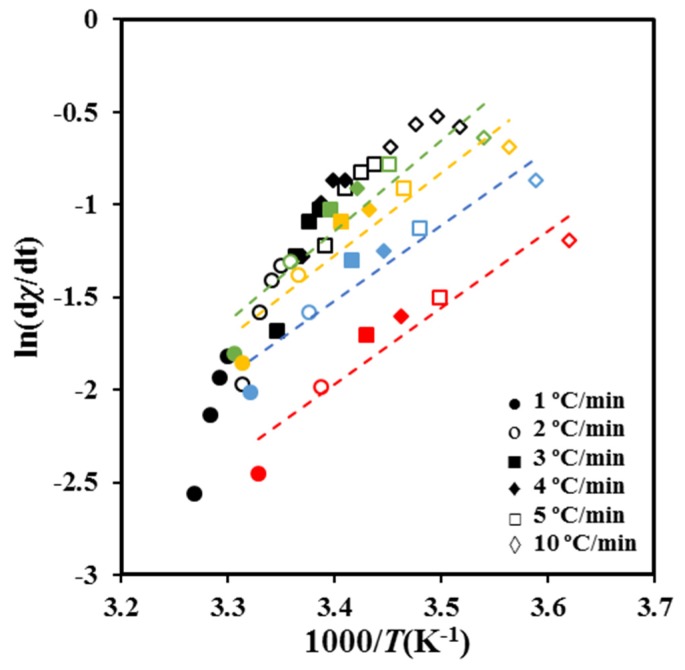
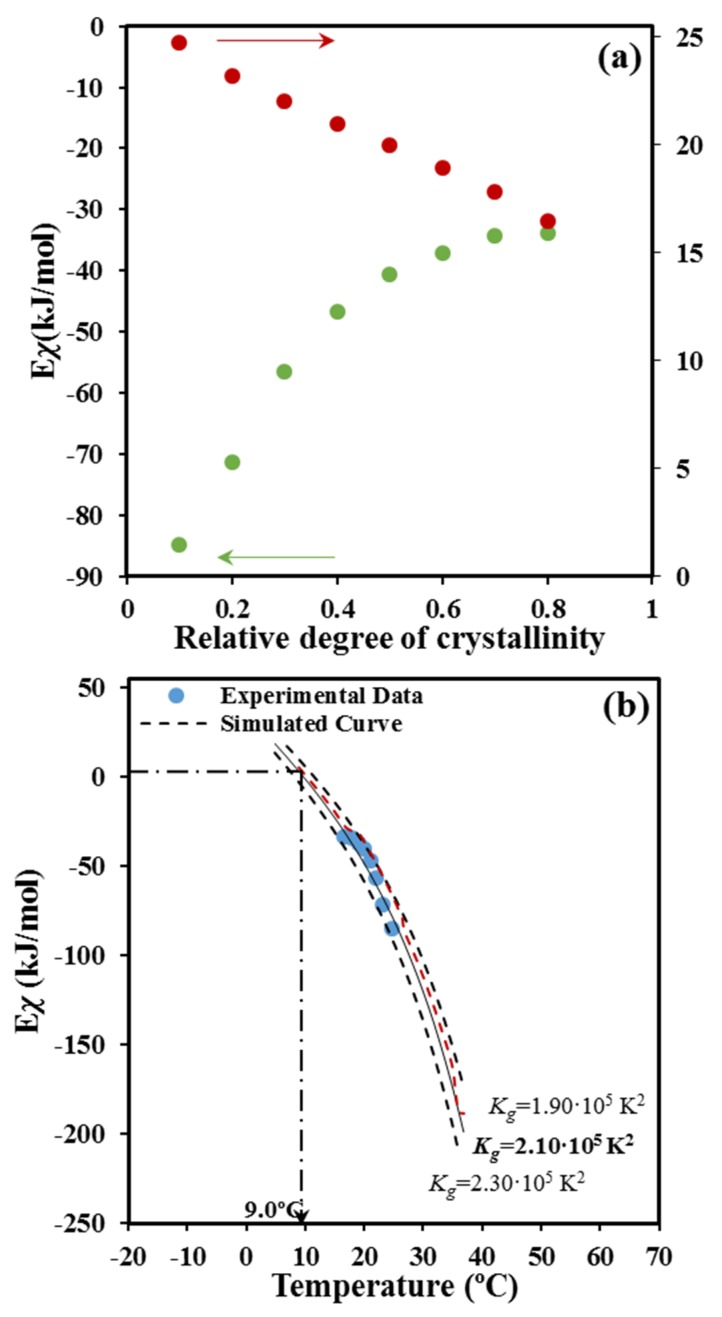
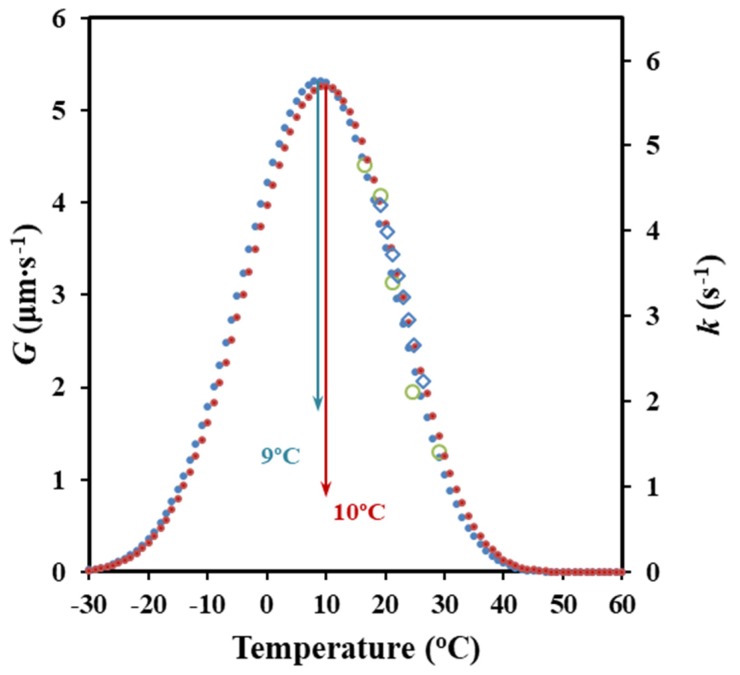
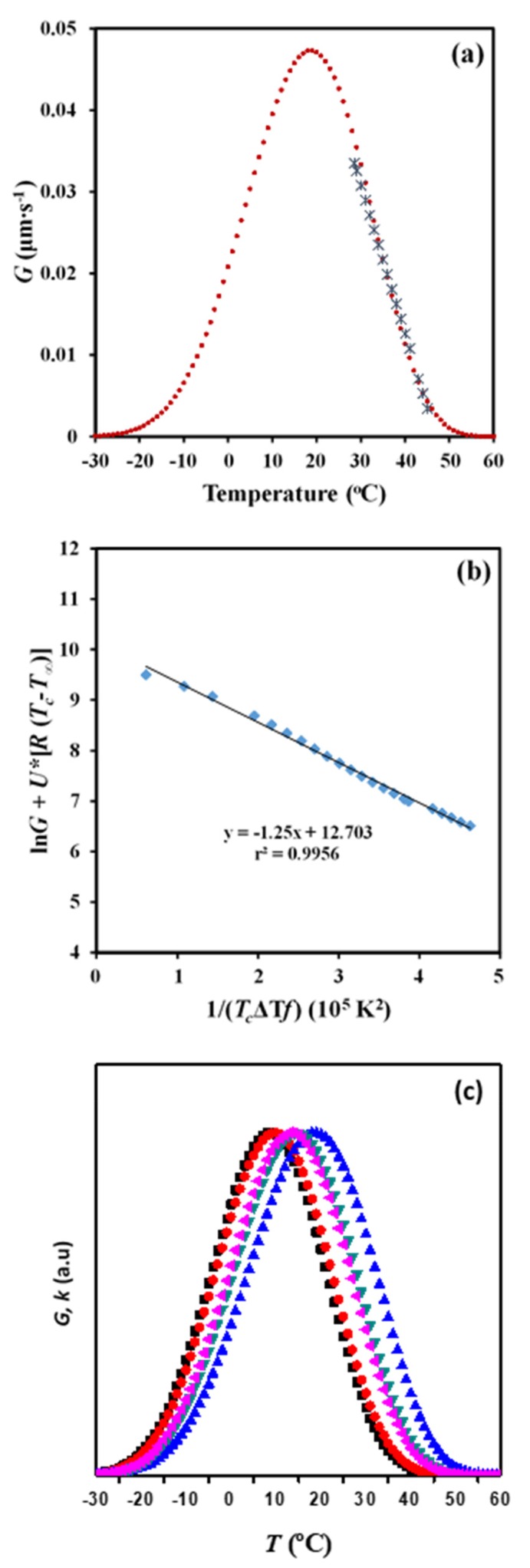
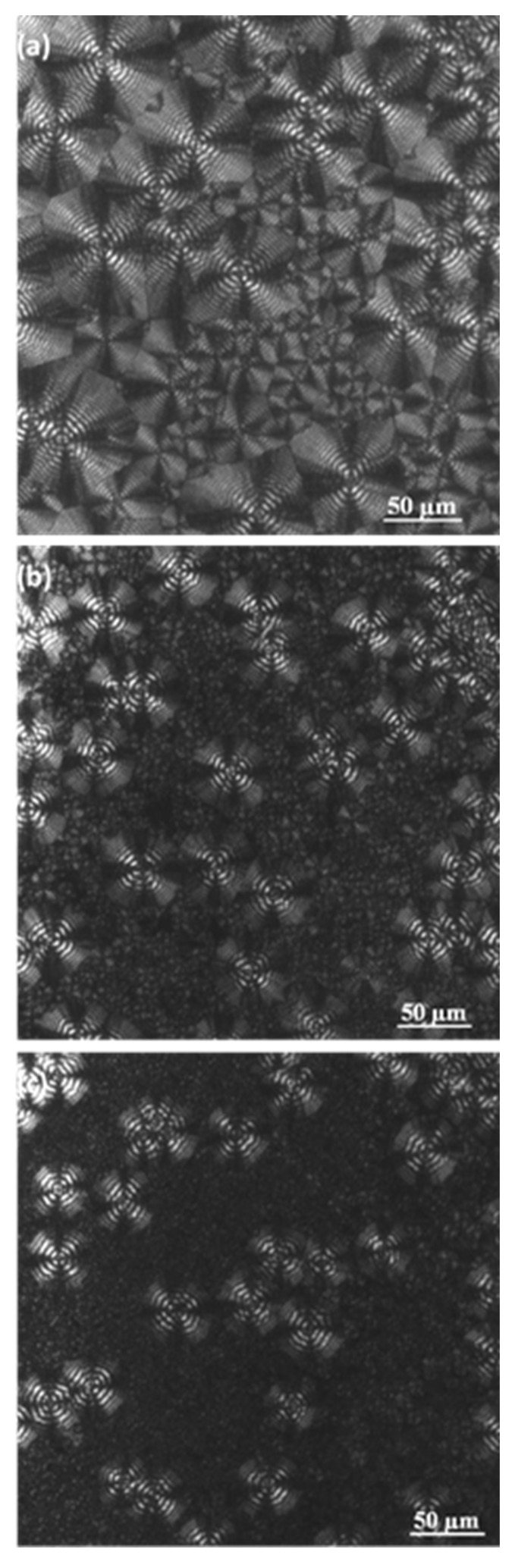
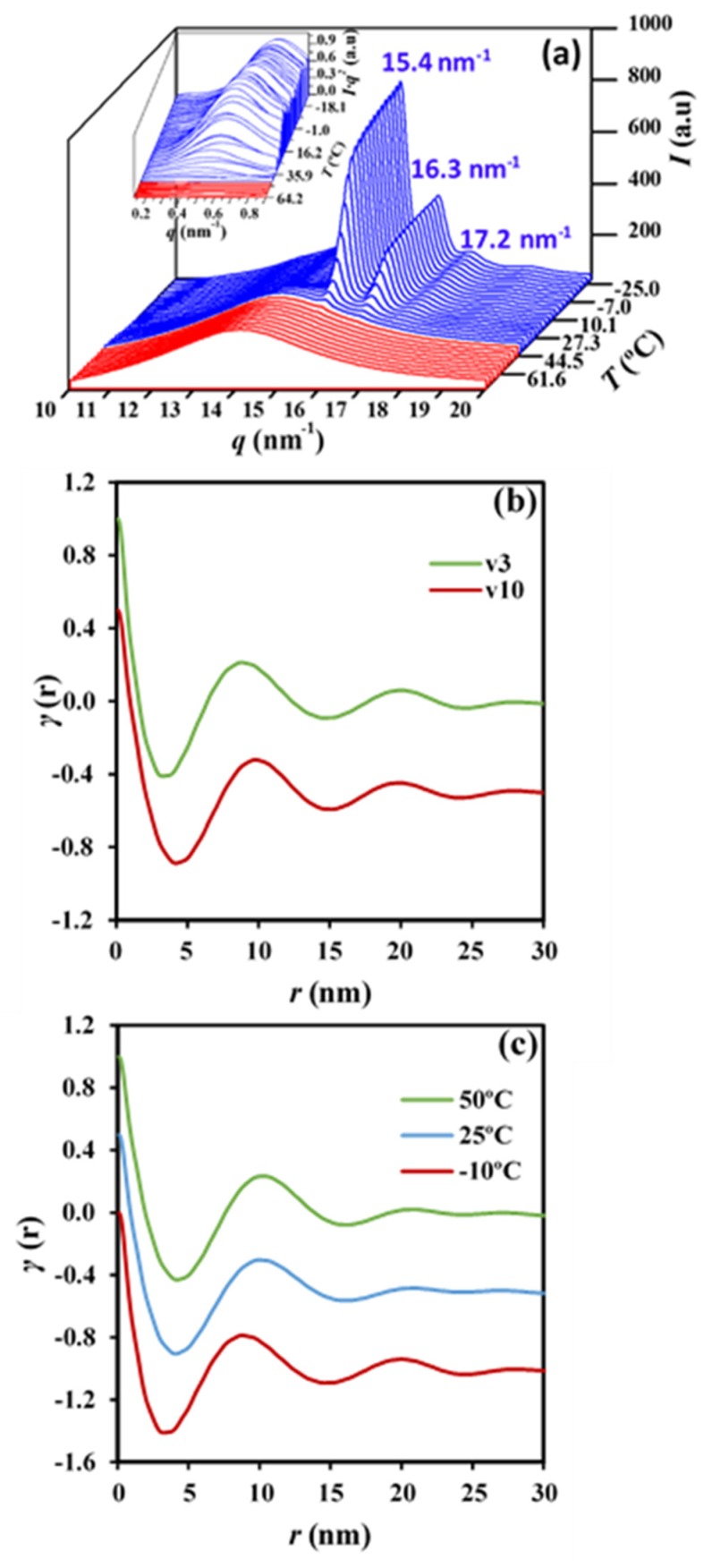
The non-isothermal crystallization of the biodegradable poly(4-hydroxybutyrate) (P4HB) has been studied by means of differential scanning calorimetry (DSC) and polarizing optical microscopy (POM). In the first case, Avrami, Ozawa, Mo, Cazé, and Friedman methodologies were applied. The isoconversional approach developed by Vyazovkin allowed also the determination of a secondary nucleation parameter of 2.10 × 10 K and estimating a temperature close to 10 °C for the maximum crystal growth rate. Similar values (i.e., 2.22 × 10 K and 9 °C) were evaluated from non-isothermal Avrami parameters. All experimental data corresponded to a limited region where the polymer crystallized according to a single regime. Negative and ringed spherulites were always obtained from the non-isothermal crystallization of P4HB from the melt. The texture of spherulites was dependent on the crystallization temperature, and specifically, the interring spacing decreased with the decrease of the crystallization temperature (). Synchrotron data indicated that the thickness of the constitutive lamellae varied with the cooling rate, being deduced as a lamellar insertion mechanism that became more relevant when the cooling rate increased. POM non-isothermal measurements were also consistent with a single crystallization regime and provided direct measurements of the crystallization growth rate (). Analysis of the POM data gave a secondary nucleation constant and a bell-shaped - dependence that was in relative agreement with DSC analysis. All non-isothermal data were finally compared with information derived from previous isothermal analyses.
采用差示扫描量热法(DSC)和偏光显微镜(POM)研究了可生物降解的聚 4-羟基丁酸酯(P4HB)的非等温结晶。在第一种情况下,应用了 Avrami、Ozawa、Mo、Cazé 和 Friedman 方法。Vyazovkin 开发的等转化率方法还允许确定二次成核参数为 2.10×10 K,并估计最大晶体生长速率的温度接近 10°C。从非等温 Avrami 参数评估了类似的值(即 2.22×10 K 和 9°C)。所有实验数据都对应于聚合物根据单一机制结晶的有限区域。从熔体中非等温结晶 P4HB 总是得到负和环状球晶。球晶的纹理取决于结晶温度,具体而言,随着结晶温度的降低,环间距减小()。同步辐射数据表明,组成性片层的厚度随冷却速率而变化,这可以归结为一个层状插入机制,当冷却速率增加时,该机制变得更加相关。POM 非等温测量也与单一结晶机制一致,并提供了结晶生长速率的直接测量()。POM 数据的分析给出了二次成核常数和钟形的 - 依赖性,与 DSC 分析相对一致。最后,将所有非等温数据与先前等温分析得出的信息进行了比较。