Wu Jia-Ru, You Ren-In, Hu Chi-Tan, Cheng Chuan-Chu, Rudy Rudy, Wu Wen-Sheng
Department of Molecular Biology and Human Genetics, Hualien, Taiwan.
Department of Laboratory Medicine and Biotechnology, College of Medicine, Tzu Chi University, Hualien, Taiwan.
Oncogenesis. 2019 Aug 6;8(8):40. doi: 10.1038/s41389-019-0149-8.
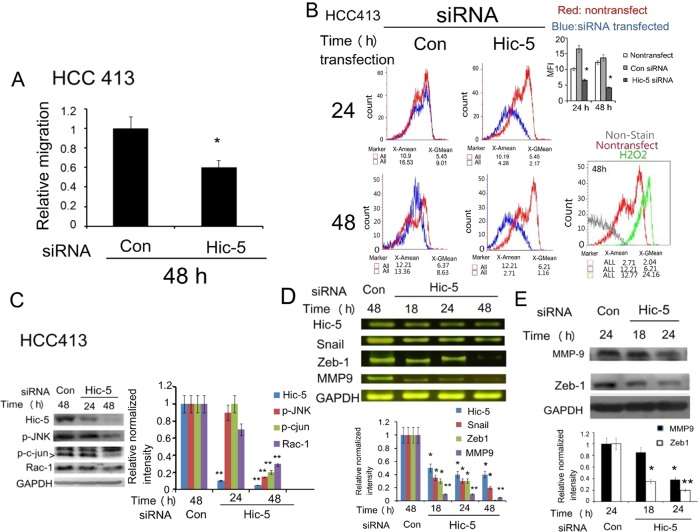
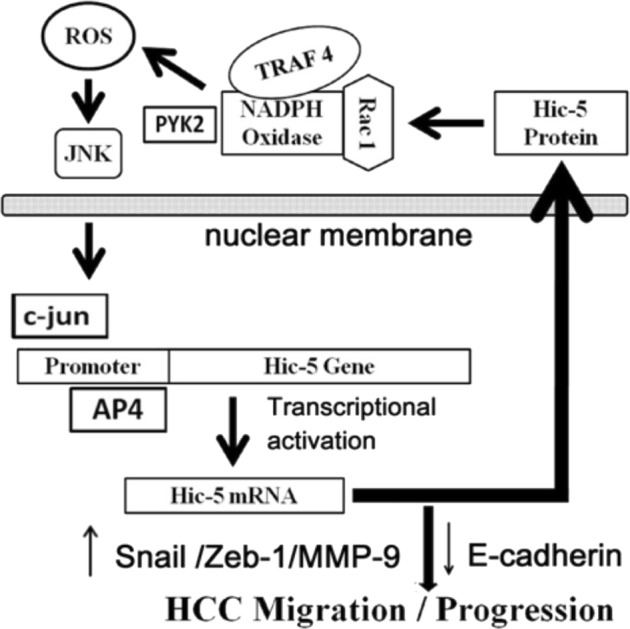
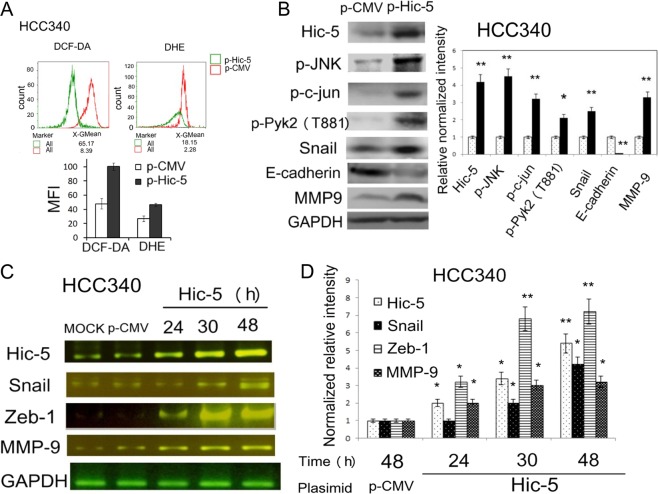
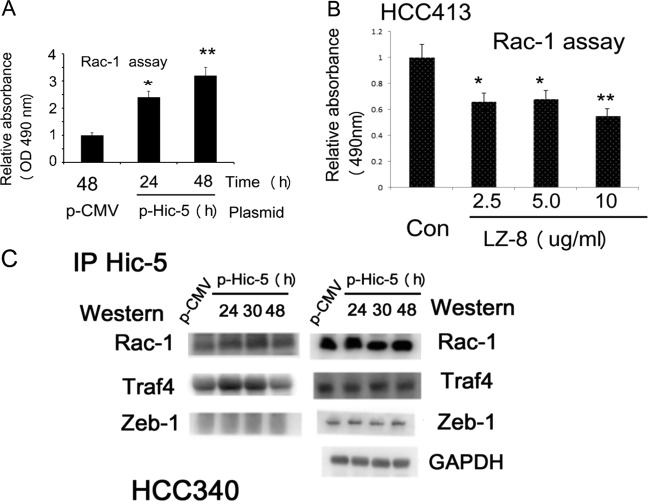
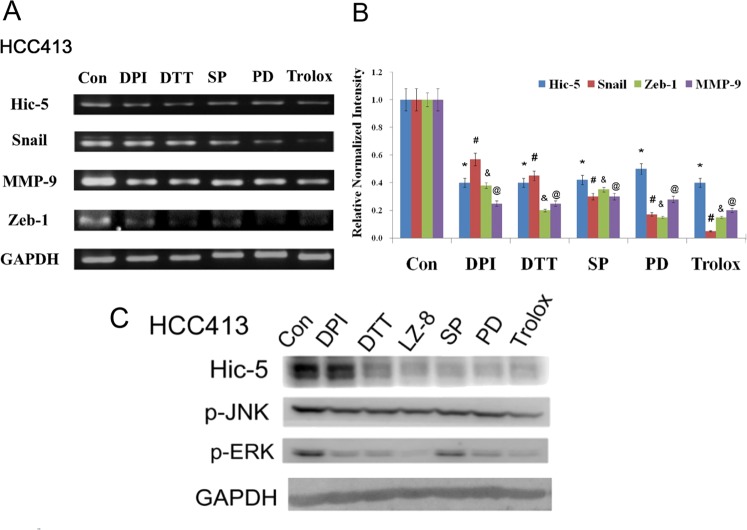
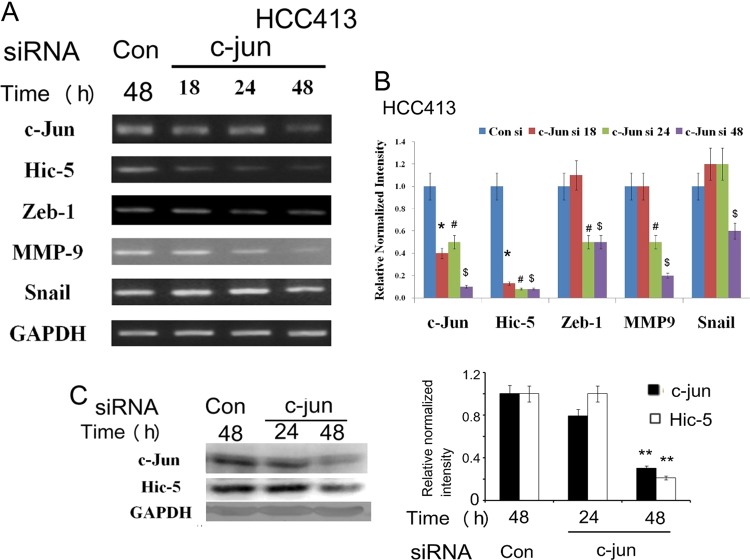
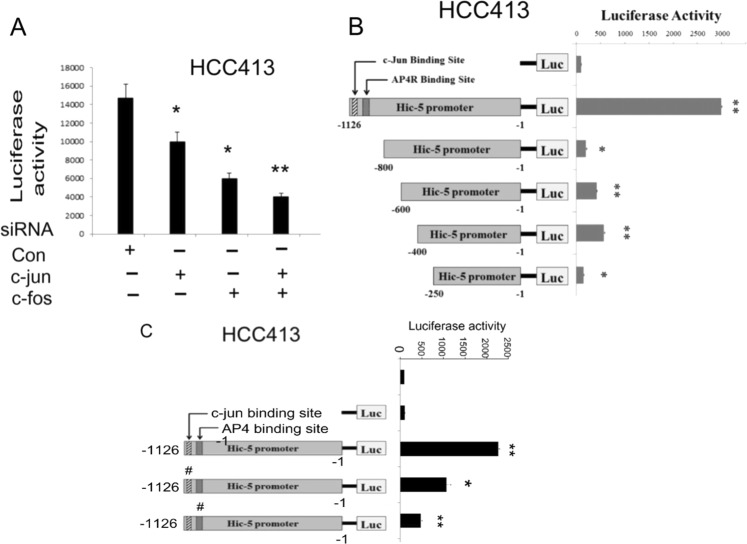
Target therapy aiming at critical molecules within the metastatic signal pathways is essential for prevention of hepatocellular carcinoma (HCC) progression. Hic-5 (hydrogen peroxide inducible clone-5) which belongs to the paxillin superfamily, can be stimulated by a lot of metastatic factors, such as transforming growth factor (TGF-β), hepatocyte growth factor (HGF), and reactive oxygen species (ROS). Previous studies implicated Hic-5 cross-talks with the ROS-c-jun N-terminal kinase (JNK) signal cascade in a positive feedback manner. In this report, we addressed this issue in a comprehensive manner. By RNA interference and ectopic Hic-5 expression, we demonstrated Hic-5 was essential for activation of NADPH oxidase and ROS generation leading to activation of downstream JNK and c-jun transcription factor. This was initiated by interaction of Hic-5 with the regulator and adaptor of NADPH oxidase, Rac1 and Traf4, respectively, which may further phosphorylate the nonreceptor tyrosine kinase Pyk2 at Tyr881. On the other hand, promoter activity assay coupled with deletion mapping and site directed mutagenesis strategies demonstrated the distal c-jun and AP4 putative binding regions (943-1126 bp upstream of translational start site) were required for transcriptional activation of Hic-5. Thus Hic-5 was both downstream and upstream of NADPH oxidase-ROS-JNK-c-jun cascade. This signal circuit was essential for regulating the expression of epithelial mesenchymal transition (EMT) factors, such as Snail, Zeb1, E-cadherin, and matrix metalloproteinase 9, involved in HCC cell migration and metastasis. Due to the limited expression of Hic-5 in normal tissue, it can be a promising therapeutic target for preventing HCC metastasis.
针对转移信号通路中的关键分子进行靶向治疗对于预防肝细胞癌(HCC)进展至关重要。属于桩蛋白超家族的Hic-5(过氧化氢诱导克隆-5)可被多种转移因子刺激,如转化生长因子(TGF-β)、肝细胞生长因子(HGF)和活性氧(ROS)。先前的研究表明,Hic-5以正反馈方式与ROS-c-jun氨基末端激酶(JNK)信号级联相互作用。在本报告中,我们全面探讨了这个问题。通过RNA干扰和异位Hic-5表达,我们证明Hic-5对于激活NADPH氧化酶和产生ROS从而导致下游JNK和c-jun转录因子的激活至关重要。这是由Hic-5分别与NADPH氧化酶的调节子和衔接子Rac1和Traf4相互作用引发的,这可能进一步使非受体酪氨酸激酶Pyk2在Tyr881处磷酸化。另一方面,启动子活性测定结合缺失图谱和定点诱变策略表明,Hic-5转录激活需要远端c-jun和AP4假定结合区域(翻译起始位点上游943 - 1126 bp)。因此,Hic-5既是NADPH氧化酶-ROS-JNK-c-jun级联的下游,也是上游。这个信号回路对于调节参与HCC细胞迁移和转移的上皮-间质转化(EMT)因子的表达至关重要,这些因子包括Snail、Zeb1、E-钙黏蛋白和基质金属蛋白酶9。由于Hic-5在正常组织中的表达有限,它可能是预防HCC转移的一个有前景的治疗靶点。