Agyirifo Daniel S, Wamalwa Mark, Otwe Emmanuel Plas, Galyuon Isaac, Runo Steven, Takrama Jemmy, Ngeranwa Joseph
Biochemistry and Biotechnology Department, Kenyatta University, Kenya.
Department of Molecular Biology and Biotechnology, University of Cape Coast, Ghana.
Heliyon. 2019 Jul 30;5(7):e02170. doi: 10.1016/j.heliyon.2019.e02170. eCollection 2019 Jul.
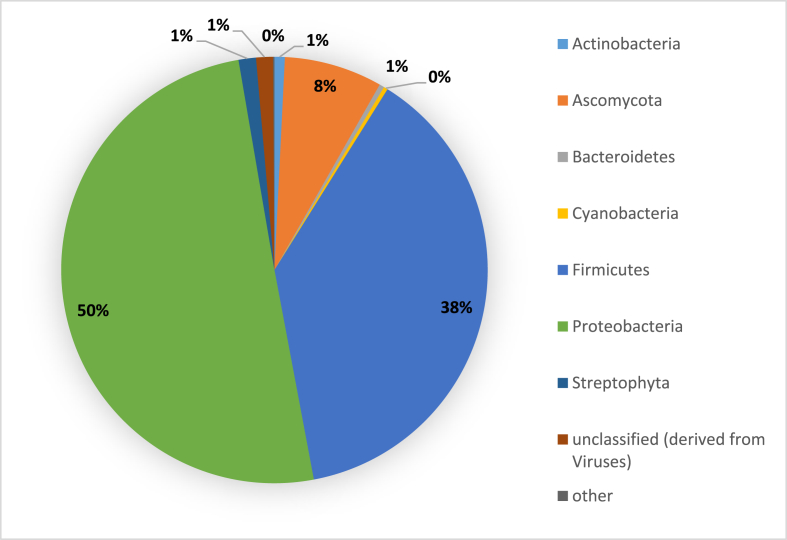
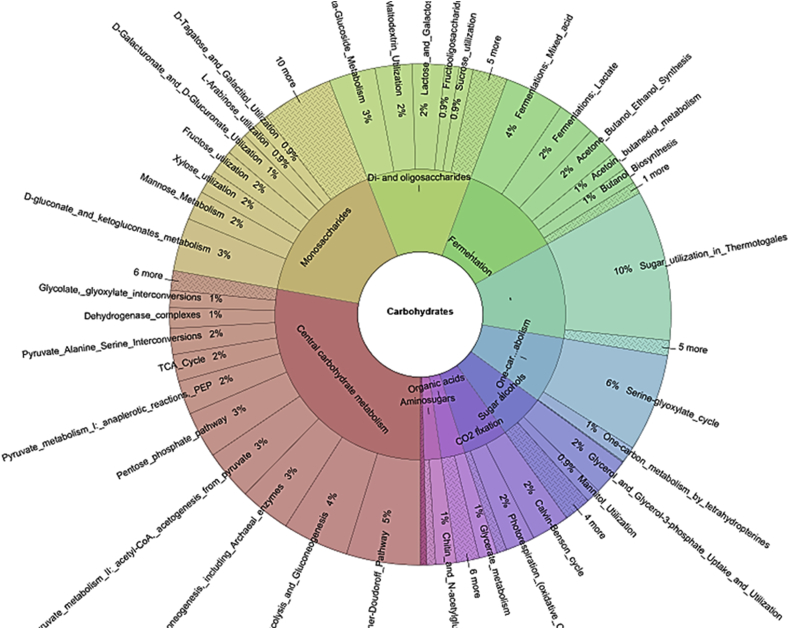
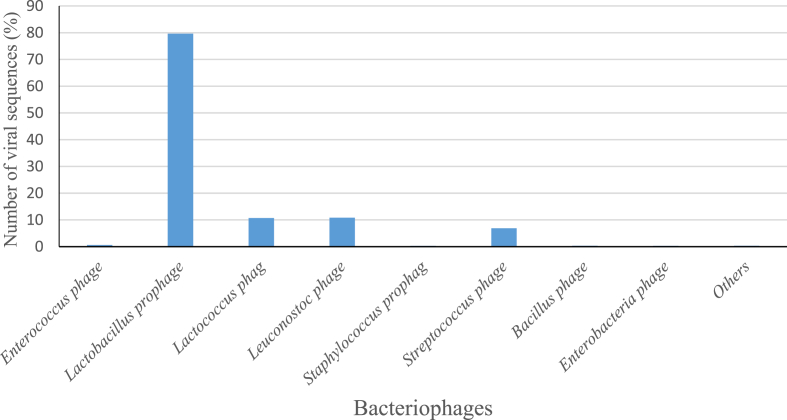
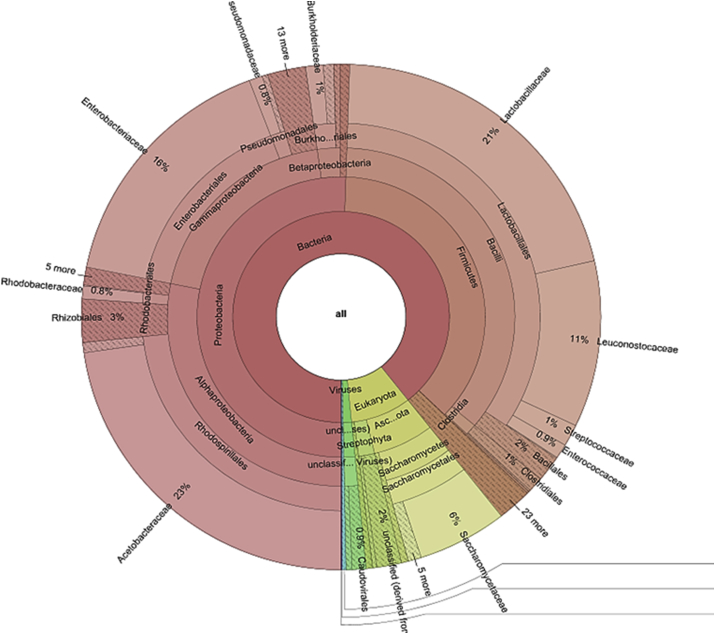
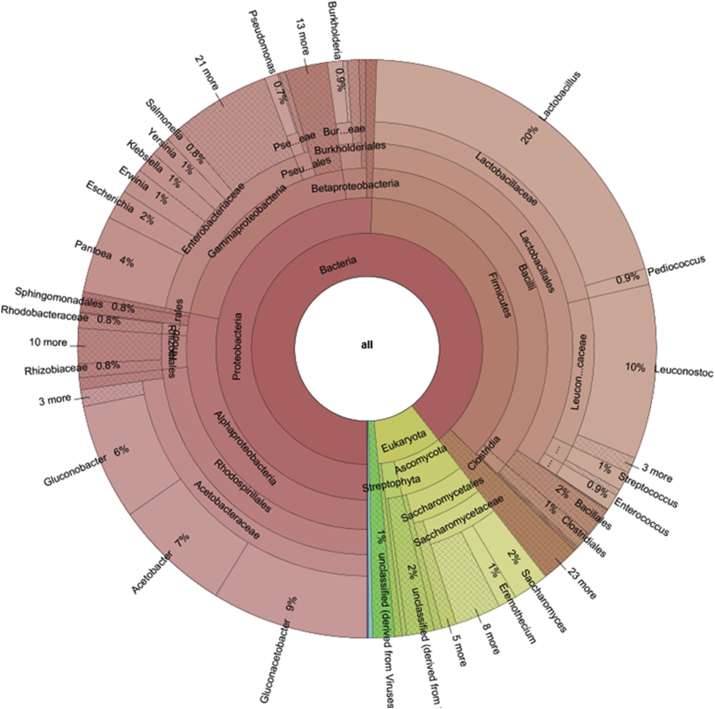
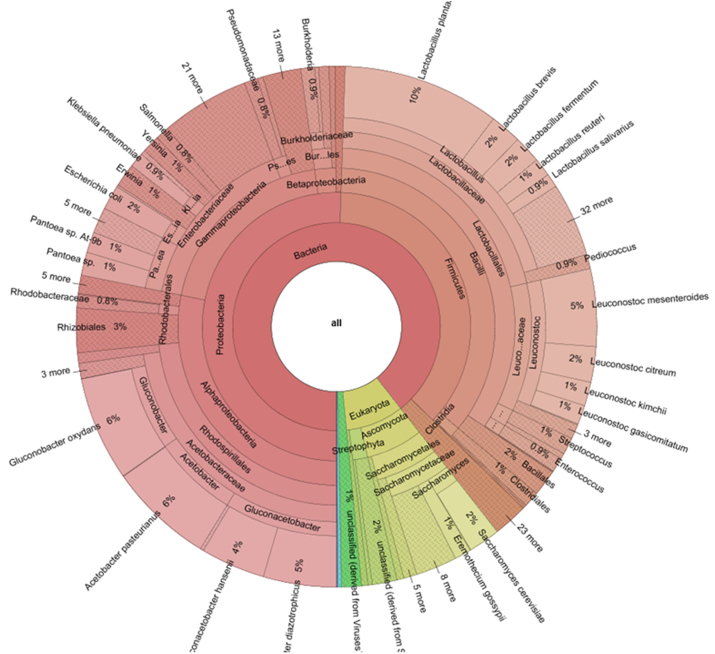
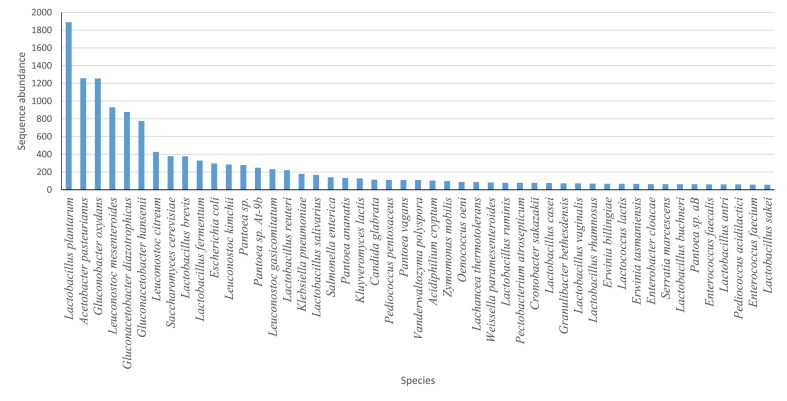
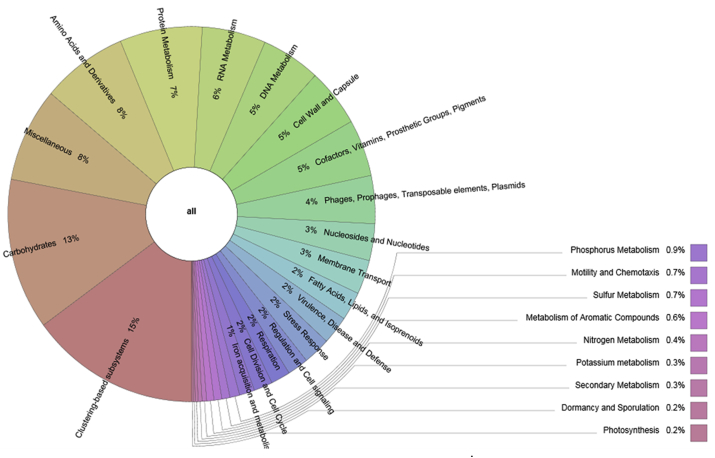
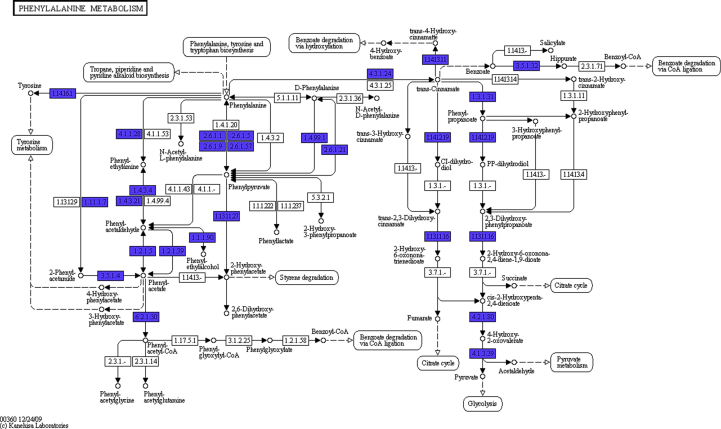
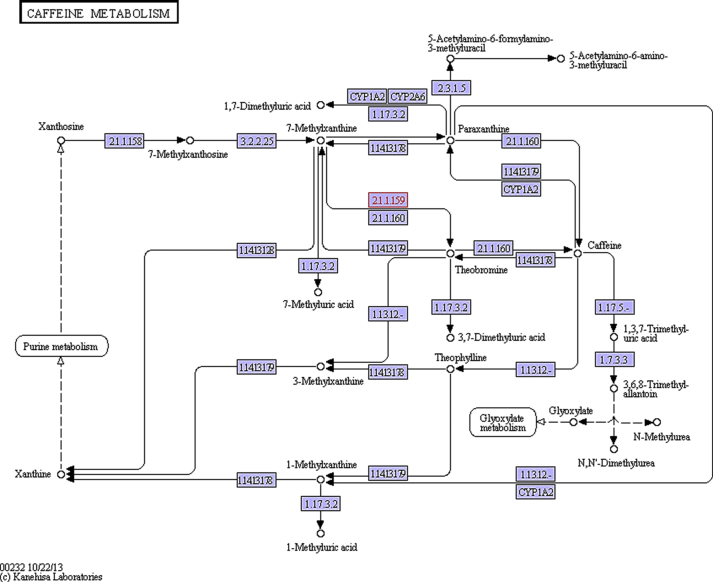
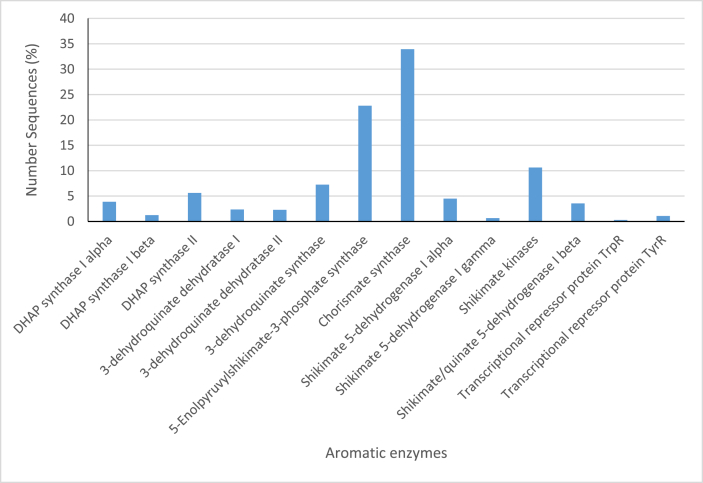
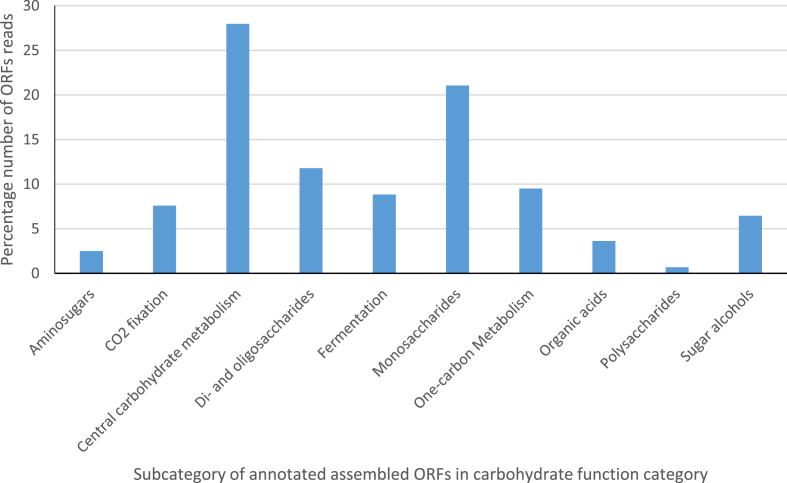
Fermentation of L. beans is the most critical stage in the production of cocoa products such as chocolates and its derivatives. There is a limited understanding of the complex response of microbial diversity during cocoa bean fermentation. The aim of the present study was to investigate microbial communities in the cocoa bean fermentation heap using a culture-independent approach to elucidate microbial diversity, structure, functional annotation and mapping unto metabolic pathways. Genomic DNA was extracted and purified from a sample of cocoa beans fermentation heap and was followed by library preparations. Sequence data was generated on paired-end technology (Macrogen Inc). Taxonomic analysis based on genes predicted from the metagenome identified a high percentage of Bacteria (90.0%), Yeast (9%), and bacteriophages (1%) from the cocoa microbiome. (20%), (9%), (7%) and (6%) dominated this study. The mean species diversity, measured by Shannon alpha-diversity index, was estimated at 142.81. Assignment of metagenomic sequences to SEED database categories at 97% sequence similarity identified a genetic profile characteristic of heterotrophic lactic acid fermentation of carbohydrates and aromatic amino acids. Metabolism of aromatic compounds, amino acids and their derivatives and carbohydrates occupied 0.6%, 8% and 13% respectively. Overall, these results provide insights into the cocoa microbiome, identifying fermentation processes carried out broadly by complex microbial communities and metabolic pathways encoding aromatic compounds such as phenylacetaldehyde, butanediol, acetoin, and theobromine that are required for flavour and aroma production. The results obtained will help develop targeted inoculations to produce desired chocolate flavour or targeted metabolic pathways for the selection of microbes for good aroma and flavour compounds formation.
可可豆发酵是巧克力及其衍生物等可可制品生产中最关键的阶段。目前人们对可可豆发酵过程中微生物多样性的复杂反应了解有限。本研究的目的是采用非培养方法研究可可豆发酵堆中的微生物群落,以阐明微生物多样性、结构、功能注释以及在代谢途径上的映射。从可可豆发酵堆样本中提取并纯化基因组DNA,随后进行文库制备。使用双末端技术(Macrogen公司)生成序列数据。基于宏基因组预测基因的分类分析确定,可可微生物组中细菌占比很高(90.0%)、酵母占9%、噬菌体占1%。(20%)、(9%)、(7%)和(6%)在本研究中占主导地位。通过香农α多样性指数测量的平均物种多样性估计为142.81。将宏基因组序列以97%的序列相似性分配到SEED数据库类别中,确定了碳水化合物和芳香族氨基酸异养乳酸发酵的遗传特征。芳香族化合物、氨基酸及其衍生物和碳水化合物的代谢分别占0.6%、8%和13%。总体而言,这些结果为可可微生物组提供了见解,确定了由复杂微生物群落广泛进行的发酵过程以及编码风味和香气产生所需的芳香族化合物(如苯乙醛、丁二醇、乙偶姻和可可碱)的代谢途径。所获得的结果将有助于开发有针对性的接种方法,以产生所需的巧克力风味,或开发有针对性的代谢途径,用于选择能够形成良好香气和风味化合物的微生物。