Kassa Tigist, Wood Francine, Strader Michael Brad, Alayash Abdu I
Laboratory of Biochemistry and Vascular Biology, Center for Biologics Evaluation and Research, Food and Drug Administration, Silver Spring, MD, United States.
Front Physiol. 2019 Jul 24;10:931. doi: 10.3389/fphys.2019.00931. eCollection 2019.
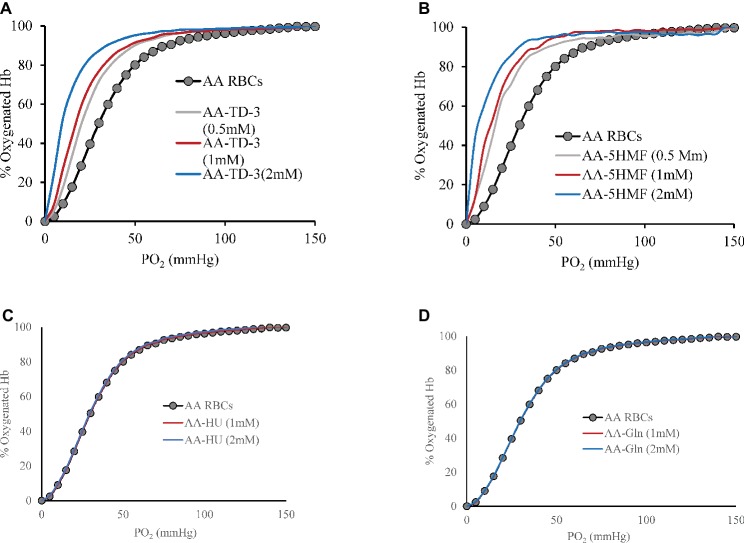
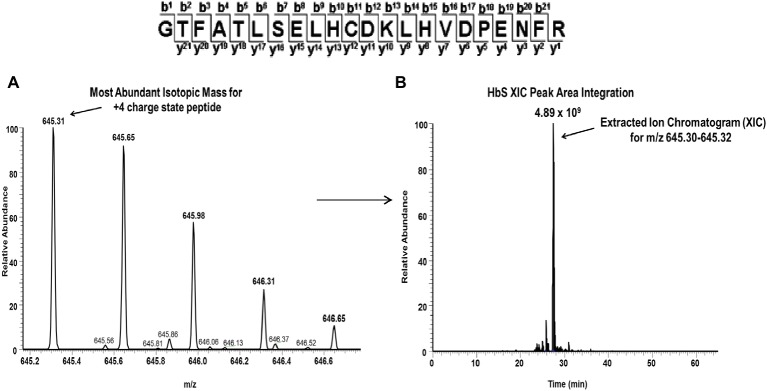
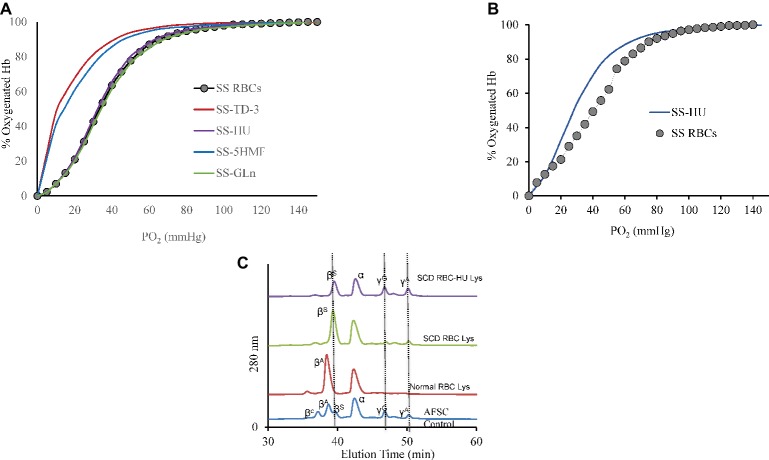
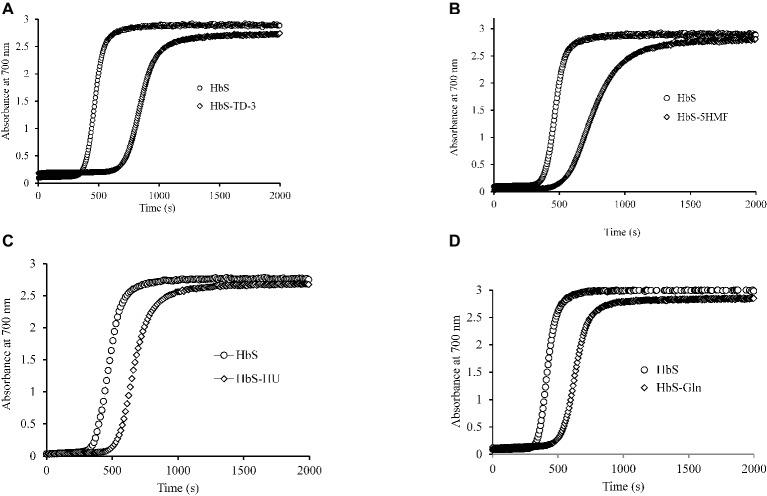
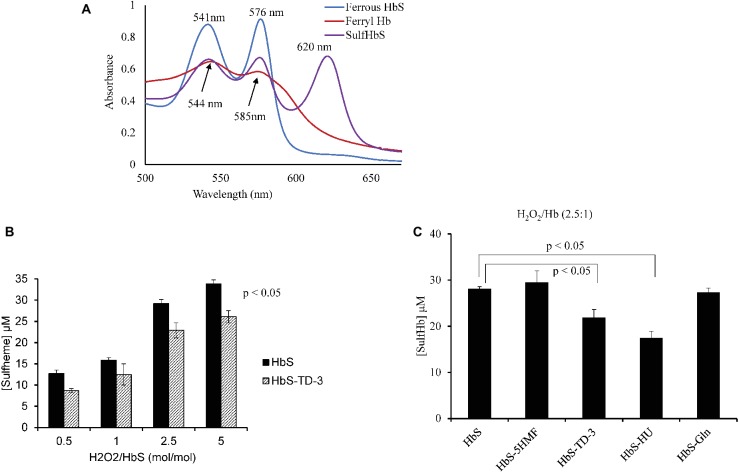
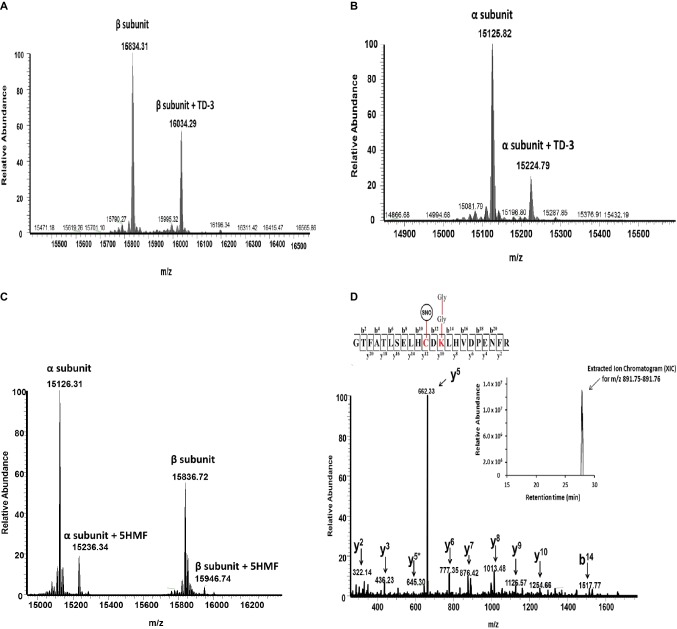
Sickle cell disease is a genetic blood disorder caused by a single point mutation in the β globin gene where glutamic acid is replaced by valine at the sixth position of the β chain of hemoglobin (Hb). At low oxygen tension, the polymerization of deoxyHbS into fibers occurs in red blood cells (RBCs) leading to an impaired blood vessel transit. Sickle cell hemoglobin (HbS), when oxidized with hydrogen peroxide (HO), stays longer in a highly oxidizing ferryl (Fe) form causing irreversible oxidation of βCys93 to a destabilizing cysteic acid. We have previously reported that an antisickling drug can be designed to bind specifically to βCys93 and effectively protect against its irreversible oxidation by HO. Here, we report oxygen dissociation, oxidation, and polymerization kinetic reactions for four antisickling drugs (under different preclinical/clinical developmental stages) that either site-specifically target βCys93 or other sites on the HbS molecule. Molecules that specifically bind to or modify βCys93, such as 4,4'-di(1,2,3-triazolyl) disulfide (TD-3) and hydroxyurea (HU) were contrasted with molecules that target other sites on Hb including 5-hydroxymethyl-2-furfural (5-HMF) and L-glutamine. All reagents induced a left shift in the oxygen dissociation curve (ODC) except L-glutamine. In the presence of HO (2.5:1, HO:heme), both TD-3 and HU reduced the ferryl heme by 22 and 37%, respectively, which corresponded to a 3- to 2-fold reduction in the levels of βCys93 oxidation as verified by mass spectrometry. Increases in the delay times prior to polymerization of HbS under hypoxia were in the following order: TD-3 > HU > 5-HMF = L-glutamine. Designing antisickling agents that can specifically target βCys93 may provide a dual antioxidant and antisickling therapeutic benefits in treating this disease.
镰状细胞病是一种遗传性血液疾病,由β珠蛋白基因中的单点突变引起,在血红蛋白(Hb)β链的第六位,谷氨酸被缬氨酸取代。在低氧张力下,脱氧HbS在红细胞(RBC)中聚合成纤维,导致血管运输受损。镰状细胞血红蛋白(HbS)在用过氧化氢(HO)氧化时,会以高度氧化的高铁(Fe)形式停留更长时间,导致βCys93不可逆地氧化为不稳定的半胱氨酸。我们之前曾报道,可以设计一种抗镰状化药物,使其特异性结合βCys93,并有效防止其被HO不可逆氧化。在此,我们报告了四种抗镰状化药物(处于不同临床前/临床开发阶段)的氧解离、氧化和聚合动力学反应,这些药物要么位点特异性靶向βCys93,要么靶向HbS分子上的其他位点。将特异性结合或修饰βCys93的分子,如4,4'-二(1,2,3-三唑基)二硫化物(TD-3)和羟基脲(HU),与靶向Hb其他位点的分子,包括5-羟甲基-2-糠醛(5-HMF)和L-谷氨酰胺进行了对比。除L-谷氨酰胺外,所有试剂均使氧解离曲线(ODC)左移。在HO(2.5:1,HO:血红素)存在的情况下,TD-3和HU分别使高铁血红素减少了22%和37%,经质谱验证,这相当于βCys93氧化水平降低了3至2倍。低氧条件下HbS聚合前延迟时间的增加顺序为:TD-3 > HU > 5-HMF = L-谷氨酰胺。设计能够特异性靶向βCys93的抗镰状化药物可能为治疗这种疾病提供抗氧化和抗镰状化双重治疗益处。