Department of Hematology and Oncology, Taussig Cancer Institute, Cleveland Clinic, Cleveland, OH, USA
Haematologica. 2019 Sep;104(9):1720-1730. doi: 10.3324/haematol.2018.207530. Epub 2019 Aug 8.
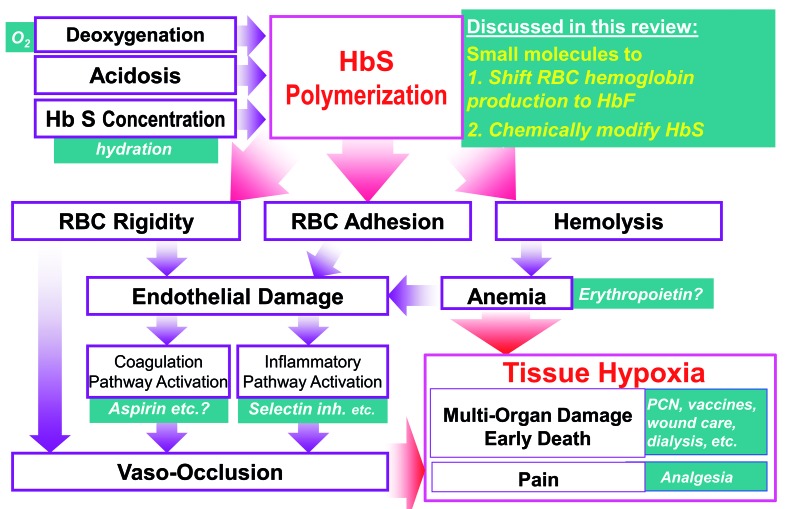
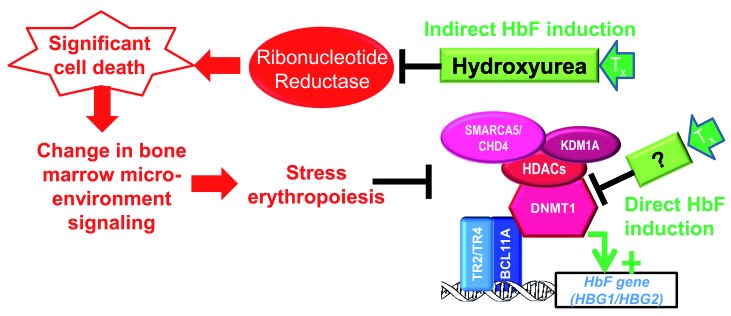
The complex, frequently devastating, multi-organ pathophysiology of sickle cell disease has a single root cause: polymerization of deoxygenated sickle hemoglobin. A logical approach to disease modification is, therefore, to interdict this root cause. Ideally, such interdiction would utilize small molecules that are practical and accessible for worldwide application. Two types of such small molecule strategies are actively being evaluated in the clinic. The first strategy intends to shift red blood cell precursor hemoglobin manufacturing away from sickle hemoglobin and towards fetal hemoglobin, which inhibits sickle hemoglobin polymerization by a number of mechanisms. The second strategy intends to chemically modify sickle hemoglobin directly in order to inhibit its polymerization. Important lessons have been learnt from the pre-clinical and clinical evaluations to date. Open questions remain, but this review summarizes the valuable experience and knowledge already gained, which can guide ongoing and future efforts for molecular mechanism-based, practical and accessible disease modification of sickle cell disease.
脱氧镰状血红蛋白的聚合。因此,对疾病进行修饰的合理方法是阻断这一根本原因。理想情况下,这种阻断应该使用实用且易于在全球范围内应用的小分子。目前正在临床中评估两种类型的此类小分子策略。第一种策略旨在将红细胞前体血红蛋白的制造从镰状血红蛋白转移到胎儿血红蛋白,胎儿血红蛋白通过多种机制抑制镰状血红蛋白的聚合。第二种策略旨在直接化学修饰镰状血红蛋白以抑制其聚合。迄今为止,从临床前和临床评估中吸取了重要的经验教训。仍存在悬而未决的问题,但本综述总结了已经获得的宝贵经验和知识,这些经验和知识可以指导镰状细胞病基于分子机制的、实用且易于应用的疾病修饰的持续和未来努力。