Inflammatory Bowel Disease Center, Icahn School of Medicine at Mount Sinai, New York, NY, USA.
Amsterdam University Medical Centers - Inflammatory Bowel Disease Unit, University of Amsterdam, Amsterdam, The Netherlands.
J Crohns Colitis. 2020 Feb 10;14(2):254-266. doi: 10.1093/ecco-jcc/jjz131.
Management of Crohn's disease and ulcerative colitis has typically relied upon treatment intensification driven by symptoms alone. However, a 'treat-to-target' management approach may help to address underlying inflammation, minimise disease activity at early stages of inflammatory bowel disease, limit progression, and improve long-term outcomes.
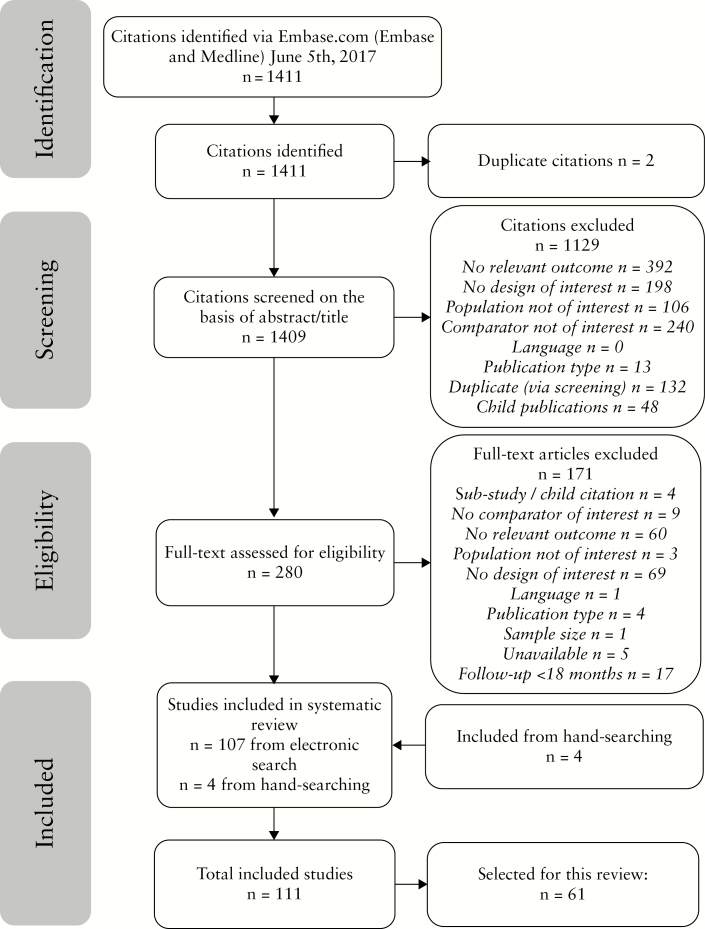
A systematic literature review was conducted to identify data relevant to a treat-to-target approach in inflammatory bowel disease, published between January 1, 2007 and May 15, 2017.
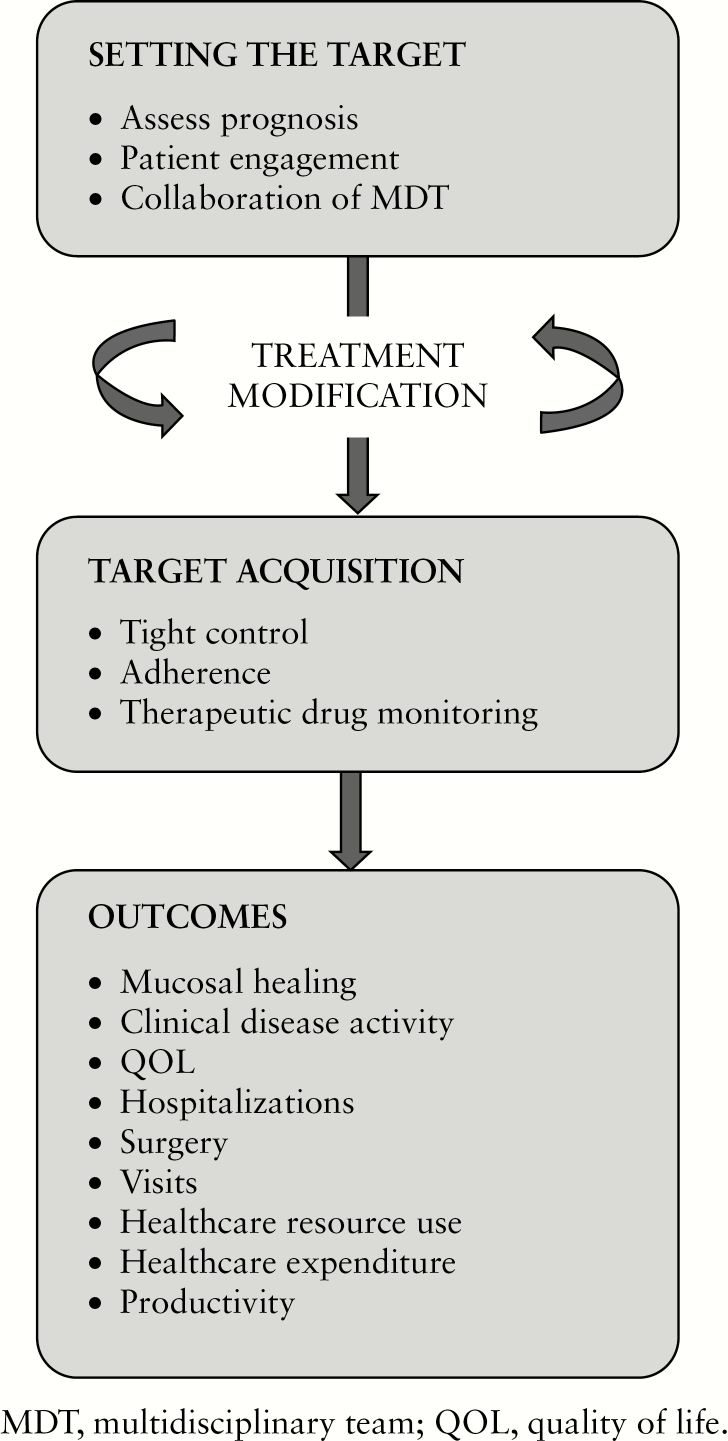
Consistent with recommendations of the Selecting Therapeutic Targets in Inflammatory Bowel Disease [STRIDE] working group, studies have investigated factors influencing the achievement of both endoscopic and histological mucosal healing and patient-level outcomes in inflammatory bowel disease [IBD]. Histological healing and biomarker levels have also been shown to be modifiable outcomes. Although there is a lack of prospectively derived evidence validating mucosal healing as a treatment target, data are emerging to suggest that targeting mucosal healing or inflammation rather than symptoms may be cost-effective in some settings. The review highlighted several strategies that may support the implementation of a treat-to-target approach in IBD. The prospective randomised CALM study demonstrated how tight control [whereby treatment decisions are based on close monitoring of inflammatory biomarkers] leads to improvements in endoscopic and clinical outcomes. The review also considered the influence of coordinated care from a multidisciplinary team and patient engagement with improved adherence, as well as the role of therapeutic drug monitoring in inflammatory bowel disease management.
A treat-to-target strategy may impact on disease progression and improve outcomes in inflammatory bowel disease. Prospective studies including long-term data are required to ensure that the most appropriate targets and strategies are identified.
克罗恩病和溃疡性结肠炎的治疗通常依赖于仅根据症状进行的治疗强化。然而,“针对目标的治疗”管理方法可能有助于解决潜在炎症,在炎症性肠病的早期阶段最小化疾病活动,限制进展,并改善长期结果。
进行了系统的文献回顾,以确定 2007 年 1 月 1 日至 2017 年 5 月 15 日期间与炎症性肠病的针对目标治疗方法相关的数据。
与炎症性肠病选择治疗靶点 [STRIDE]工作组的建议一致,研究已经调查了影响炎症性肠病内镜和组织学黏膜愈合以及患者水平结局的因素[IBD]。组织学愈合和生物标志物水平也被证明是可改变的结局。尽管缺乏前瞻性研究验证黏膜愈合作为治疗目标的有效性,但有数据表明,在某些情况下,针对黏膜愈合或炎症而不是症状可能具有成本效益。该综述强调了几种可能支持在 IBD 中实施针对目标治疗方法的策略。前瞻性随机 CALM 研究表明,严格控制[即治疗决策基于炎症生物标志物的密切监测]如何导致内镜和临床结局的改善。该综述还考虑了多学科团队的协调护理以及患者参与度提高和依从性的影响,以及治疗药物监测在炎症性肠病管理中的作用。
针对目标的治疗策略可能会影响炎症性肠病的疾病进展并改善结局。需要前瞻性研究包括长期数据,以确保确定最合适的目标和策略。