Vučković Aleksandra, Altaleb Manaf Kadum Hussein, Fraser Matthew, McGeady Ciarán, Purcell Mariel
Rehabilitation and Assistive Devices, Biomedical Engineering Division, School of Engineering, University of Glasgow, Glasgow, United Kingdom.
Faculty of Electrical Engineering, Wasit University, Wasit, Iraq.
Front Neurosci. 2019 Jul 25;13:762. doi: 10.3389/fnins.2019.00762. eCollection 2019.
Neurofeedback (NFB) is a neuromodulatory technique that enables voluntary modulation of brain activity in order to treat neurological condition, such as central neuropathic pain (CNP). A distinctive feature of this technique is that it actively involves participants in the therapy. In this feasibility study, we present results of participant self-managed NFB treatment of CNP.
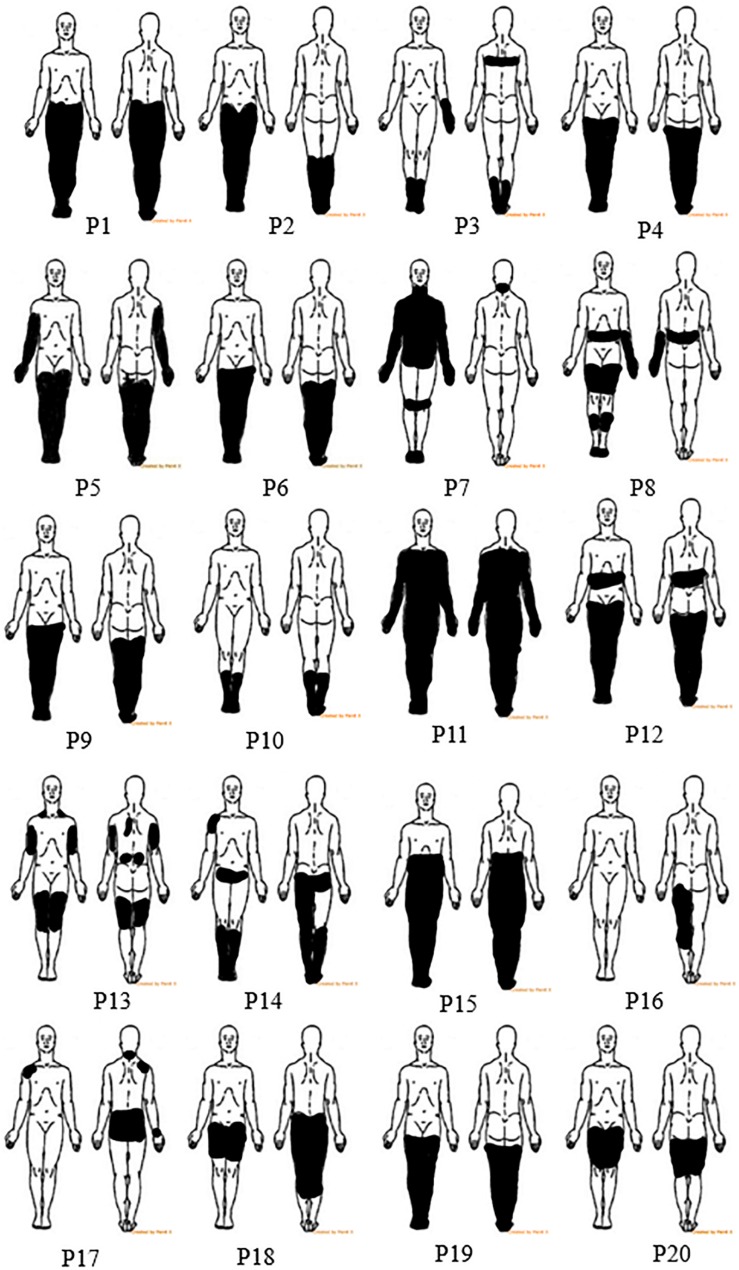
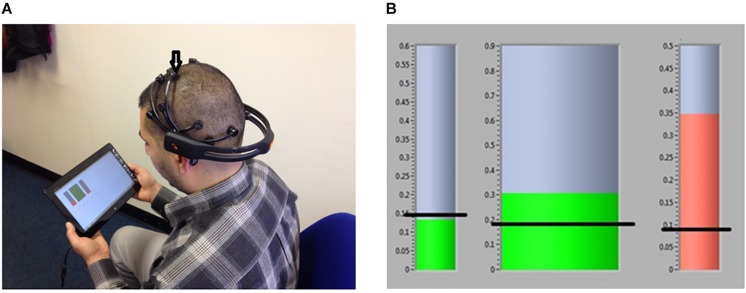
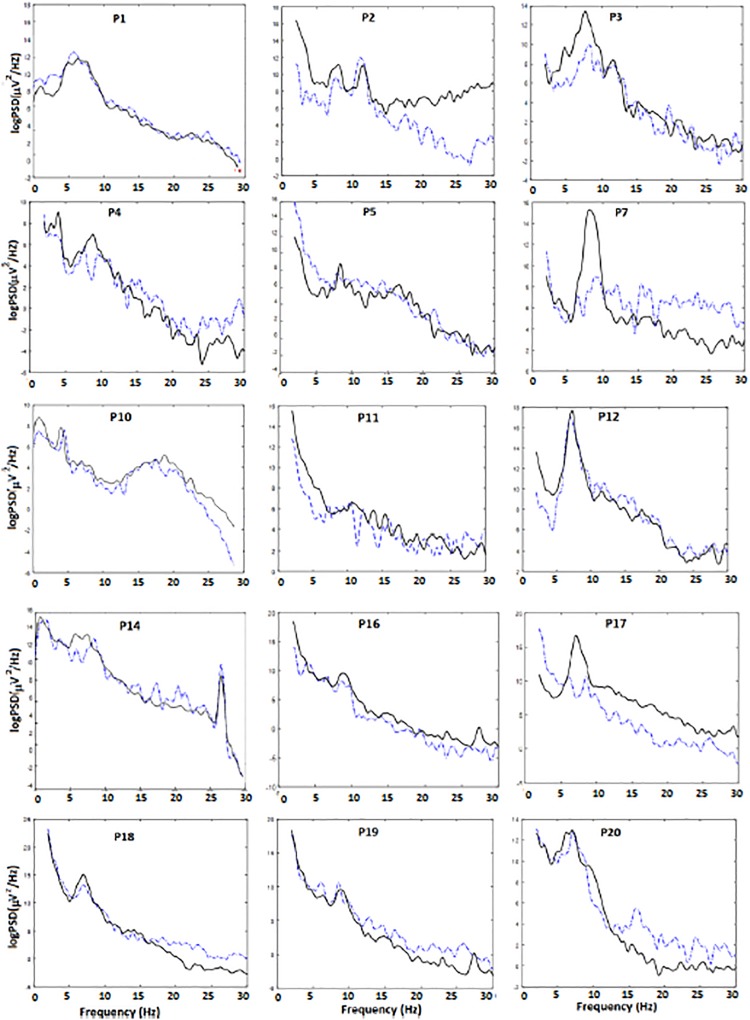
Fifteen chronic spinal cord injured (SCI) participants (13M, 2F), with chronic CNP equal or greater than 4 on the Visual Numeric Scale, took part in the study. After initial training in hospital (up to 4 sessions), they practiced NF at home, on average 2-3 times a week, over a period of several weeks (min 4, max 20). The NFB protocol consisted of upregulating the alpha (9-12 Hz) and downregulating the theta (4-8 Hz) and the higher beta band (20-30 Hz) power from electrode location C4, for 30 min. The output measures were pain before and after NFB, EEG before and during NFB and pain questionnaires. We analyzed EEG results and show NFB strategies based on the Power Spectrum Density of each single participant.
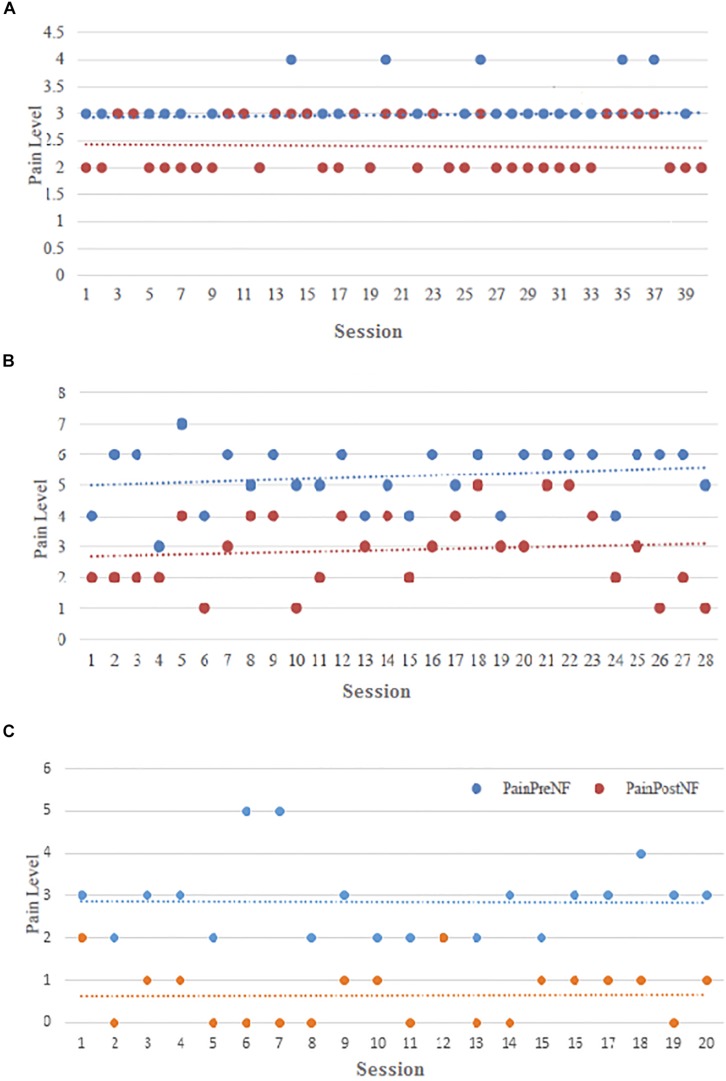
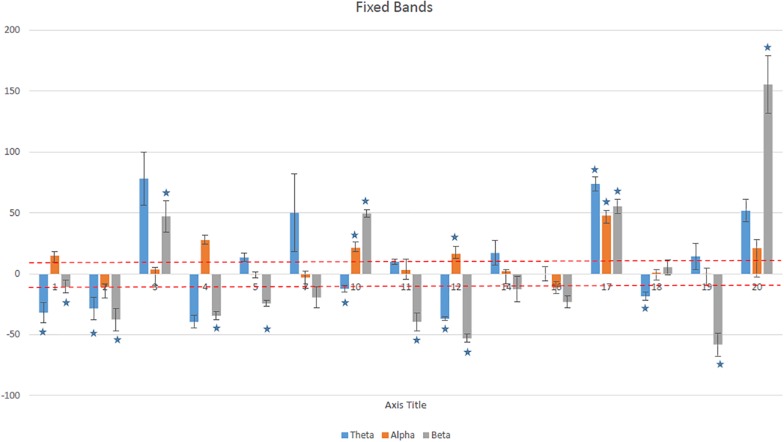
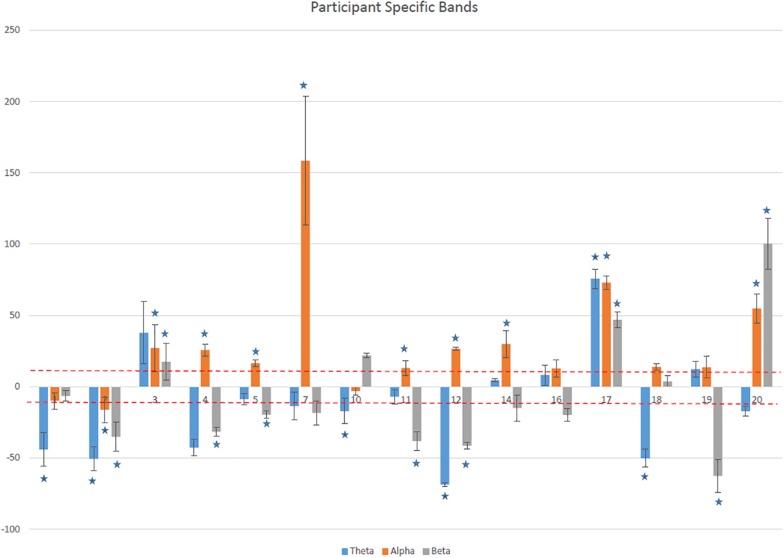
Twelve participants achieved statistically significant reduction in pain and in eight participants this reduction was clinically significant (larger than 30%). The most successfully regulated frequency band during NFB was alpha. However, most participants upregulated their individual alpha band, that had an average dominant frequency at α = 7.6 ± 0.8 Hz (median 8 Hz) that is lower than the average of the general population, which is around 10 Hz. Ten out of fifteen participants significantly upregulated their individual alpha power (α ± 2 Hz) as compared to 4 participants who upregulated the power in the fixed alpha band (8-12 Hz). Eight out of the twelve participants who achieved a significant reduction of pain, significantly upregulated their individual alpha band power. There was a significantly larger increase in alpha power ( < 0.0001) and decrease of theta power ( < 0.04) in participant specific rather than in fixed frequency bands.
Neurofeedback is a neuromodulatory technique that gives participants control over their pain and can be self-administered at home. Regulation of individual frequency band was related to a significant reduction in pain.
神经反馈(NFB)是一种神经调节技术,能够使大脑活动得到自主调节,以治疗诸如中枢神经性疼痛(CNP)等神经系统疾病。该技术的一个显著特点是它让参与者积极参与到治疗过程中。在这项可行性研究中,我们展示了参与者自我管理的NFB治疗CNP的结果。
15名慢性脊髓损伤(SCI)参与者(13名男性,2名女性),视觉数字评分法显示其慢性CNP等于或大于4,参与了本研究。在医院进行初始训练(最多4次)后,他们在家中进行神经反馈练习,平均每周2 - 3次,持续数周(最少4周,最多20周)。NFB方案包括从电极位置C4上调α波(9 - 12赫兹),下调θ波(4 - 8赫兹)以及更高的β波段(20 - 30赫兹)的功率,持续30分钟。输出测量指标为NFB前后的疼痛程度、NFB前后的脑电图以及疼痛问卷。我们分析了脑电图结果,并基于每个参与者的功率谱密度展示了NFB策略。
12名参与者的疼痛程度在统计学上显著降低,其中8名参与者的疼痛减轻具有临床意义(大于30%)。NFB期间调节最成功的频段是α波。然而,大多数参与者上调了他们各自的α波段,其平均主导频率为α = 7.6 ± 0.8赫兹(中位数为8赫兹),低于一般人群的平均值,一般人群的平均值约为10赫兹。15名参与者中有10名显著上调了他们各自的α波功率(α ± 2赫兹),相比之下,有4名参与者上调了固定α波段(8 - 12赫兹)的功率。在实现疼痛显著减轻的12名参与者中,有8名显著上调了他们各自的α波段功率。与固定频段相比,参与者特定频段的α波功率显著增加(< 0.0001),θ波功率显著降低(< 0.04)。
神经反馈是一种神经调节技术,能让参与者控制自身疼痛,且可在家中自行实施。个体频段的调节与疼痛的显著减轻相关。