Departamento de Fisiología, Biofísica y Neurociencias, Centro de Investigación y de Estudios Avanzados del Instituto Politécnico Nacional (CINVESTAV-IPN), Mexico City, Mexico.
Centro de Investigación en Reproducción Animal, CINVESTAV-IPN -Universidad Autónoma de Tlaxcala, Ixtacuixtla, Tlaxcala, Mexico.
PLoS One. 2019 Aug 13;14(8):e0220853. doi: 10.1371/journal.pone.0220853. eCollection 2019.
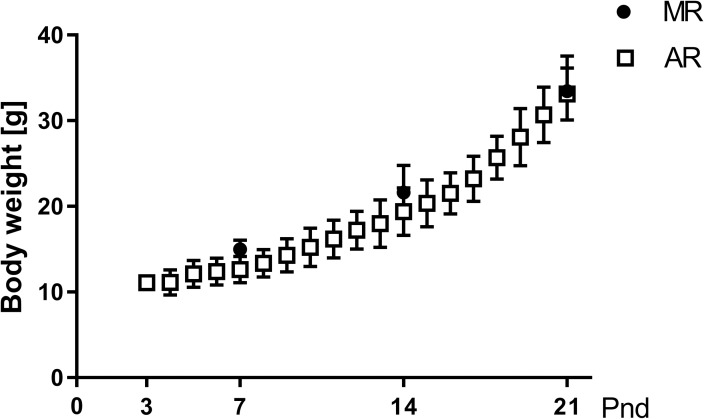
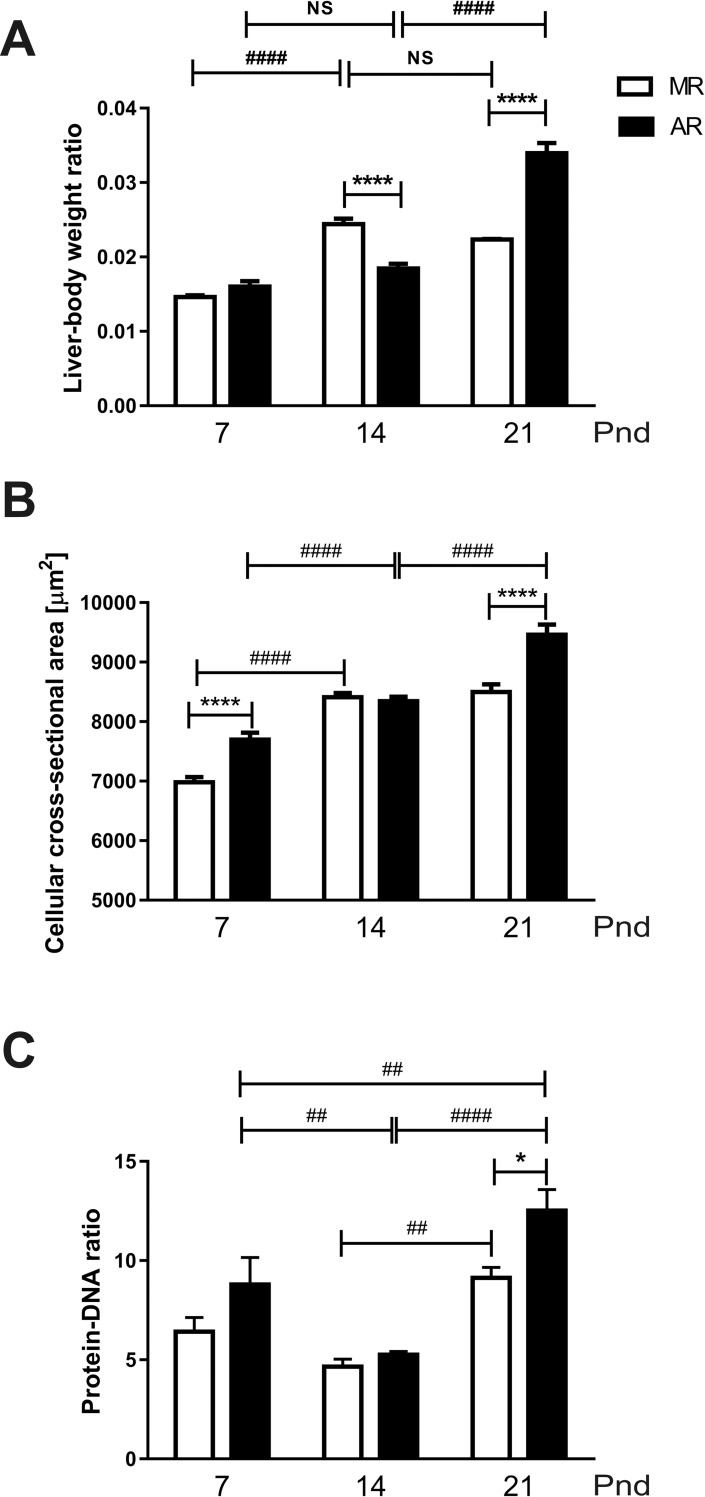
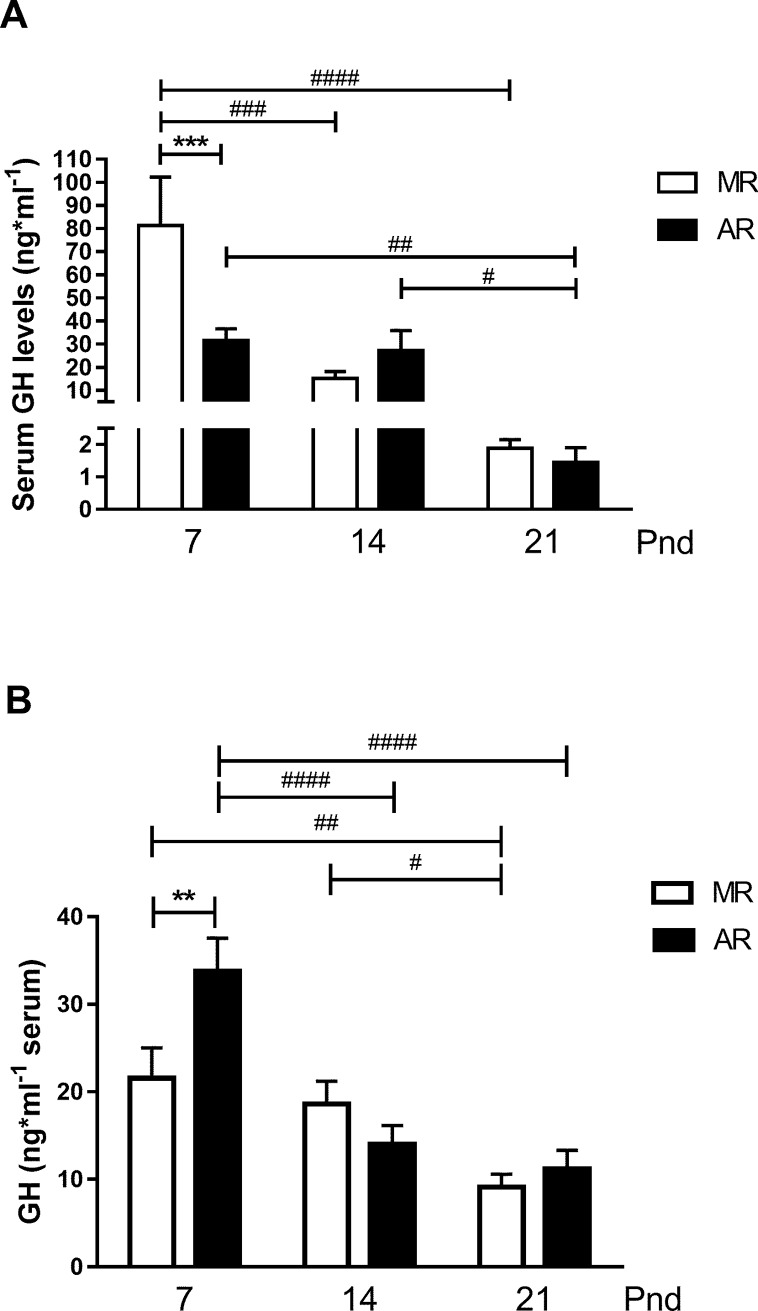
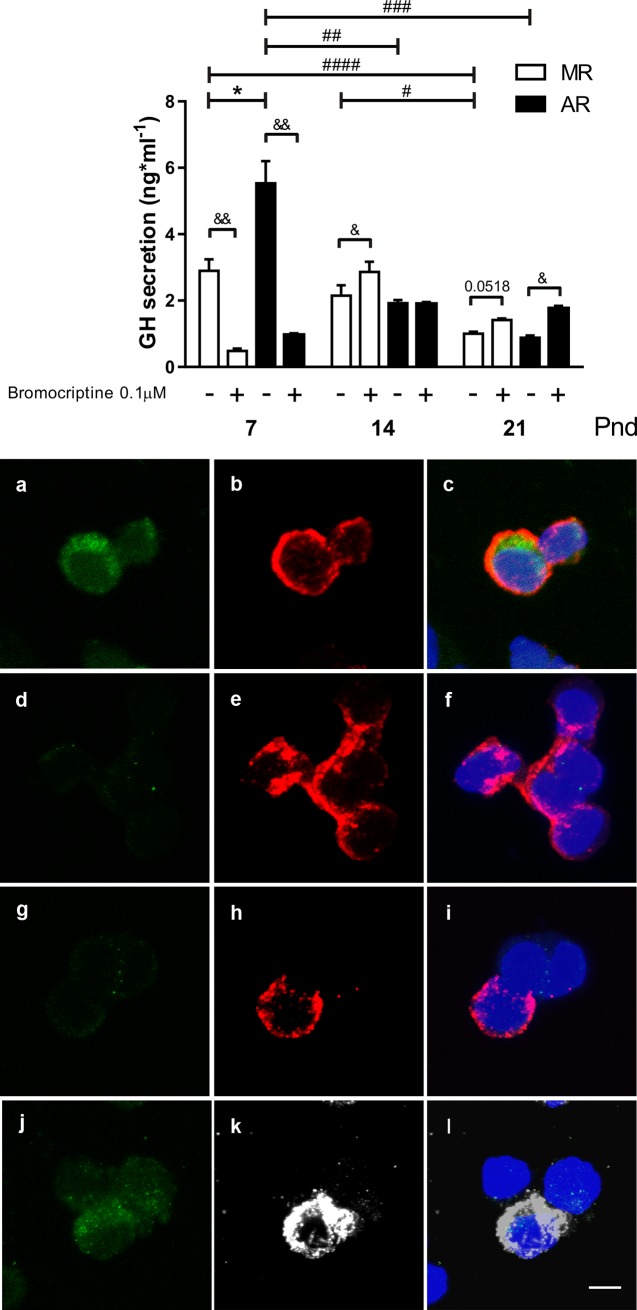
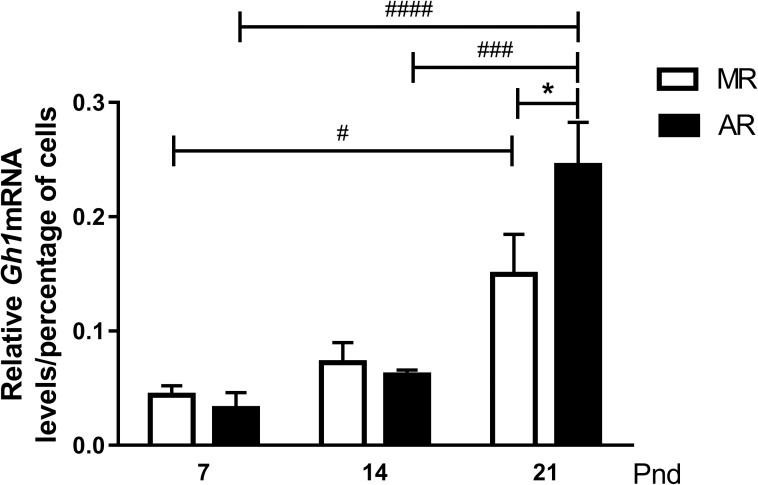
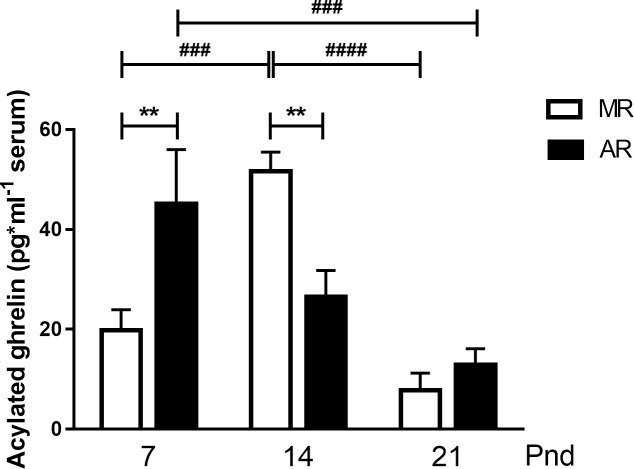
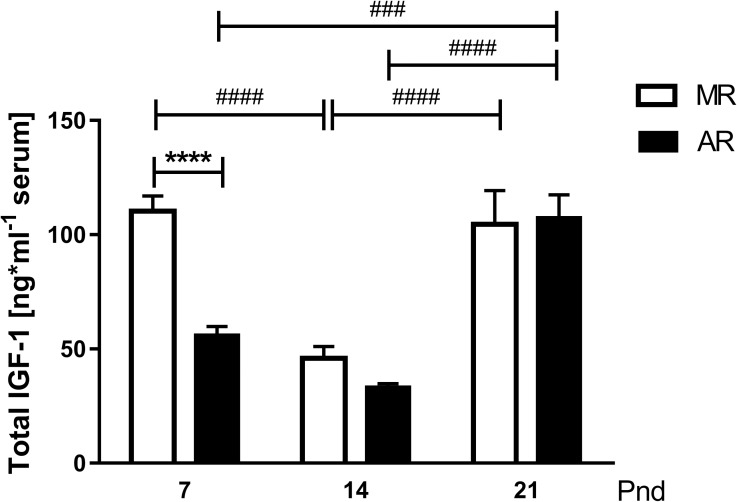
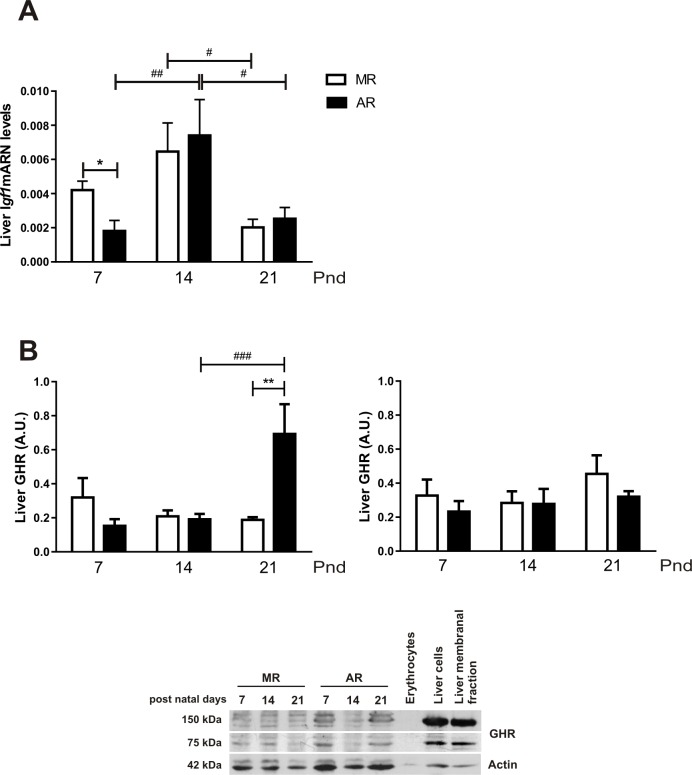
During the lactation period, rat pups are fed by the dam, and the patterns of mother-pup interaction change during this period. Additionally, there are changes in feeding; first, mother´s milk is the only food needed for sustenance, and later, it is combined with solid food and water. GH serum concentrations depend on both maternal-pup interaction and energy metabolism. In the artificial rearing (AR) procedure, pups are deprived of mother-pup interaction, and the feeding pattern is controlled. This rearing paradigm has been used in rats to analyze the effects of maternal deprivation on social behavior. In the present study, we analyzed the variation in GH, acylated ghrelin and IGF-1 serum concentrations throughout the lactation period in AR pups. At pnd7, the maternal rearing (MR) pups responded to a 4 h fast with a drop in GH serum concentration, which is a well-known response to maternal deprivation. GH serum levels in the AR pups did not change, suggesting an adaptation phenomenon. A dopamine inhibitory effect of GH secretion was observed in pnd7 cultured somatotropes, suggesting dopamine regulation of GH secretion at this age. Acylated ghrelin serum levels in the AR pups showed an inverted pattern compared to that in the MR pups, which was related to the artificial feeding pattern. IGF-1 serum levels were lower in the AR pups than in MR pups, which was associated with hepatic GH resistance and with low Igf1 mRNA expression at pnd7. Interestingly, at pnd14, both pup groups showed high hepatic Igf1 mRNA expression but low IGF-1 serum levels, and this was inverted at pnd21. However, serum glucose levels were lower in the AR pups at pnd14 but reached the same levels as the MR pups at pnd21. Moreover, hepatomegaly and higher hepatic GH-receptor levels were observed in the AR pups at pnd21, which was in agreement with an absence of a solid food meal. During AR, the pups lost the maternal interaction-stimulated GH secretion, which correlated with lower IGF-1 serum levels during the first week of postnatal development. Later, the AR pups exhibited hepatic responses, in order to satisfy the metabolic demand for the normal weaning, with low carbohydrates levels in their meal.
在哺乳期,幼鼠由母鼠喂养,在此期间母子互动模式发生变化。此外,喂养方式也发生了变化;首先,只有母乳是维持生命所需的唯一食物,然后是母乳与固体食物和水的结合。GH 血清浓度既取决于母子互动,也取决于能量代谢。在人工饲养(AR)过程中,幼鼠被剥夺了母子互动,并且喂养方式受到控制。这种饲养模式已被用于分析母鼠剥夺对社会行为的影响。在本研究中,我们分析了 AR 幼鼠在哺乳期内 GH、酰化 ghrelin 和 IGF-1 血清浓度的变化。在 pnd7 时,MR 幼鼠对 4 小时禁食的反应是 GH 血清浓度下降,这是对母鼠剥夺的已知反应。AR 幼鼠的 GH 血清水平没有变化,这表明存在适应现象。在 pnd7 培养的生长激素细胞中观察到 GH 分泌的多巴胺抑制作用,这表明在这个年龄段多巴胺调节 GH 分泌。AR 幼鼠的酰化 ghrelin 血清水平与 MR 幼鼠的模式相反,这与人工喂养模式有关。IGF-1 血清水平在 AR 幼鼠中低于 MR 幼鼠,这与肝 GH 抵抗和 pnd7 时低 Igf1 mRNA 表达有关。有趣的是,在 pnd14 时,两组幼鼠均表现出高肝 Igf1 mRNA 表达,但 IGF-1 血清水平较低,而在 pnd21 时则相反。然而,在 pnd14 时,AR 幼鼠的血清葡萄糖水平较低,但在 pnd21 时与 MR 幼鼠达到相同水平。此外,在 pnd21 时,AR 幼鼠出现肝肿大和更高的肝 GH 受体水平,这与没有固体食物餐有关。在 AR 过程中,幼鼠失去了母鼠刺激的 GH 分泌,这与出生后第一周 IGF-1 血清水平较低有关。后来,AR 幼鼠表现出肝脏反应,以满足正常断奶的代谢需求,其餐食中的碳水化合物水平较低。