Zhang Lili, Zhang Yi, Zhang Zhen, Shen Jie, Wang Huibin
College of Computer and Information Engineering, Hohai University, Nanjing 211100, China.
Sensors (Basel). 2019 Aug 12;19(16):3523. doi: 10.3390/s19163523.
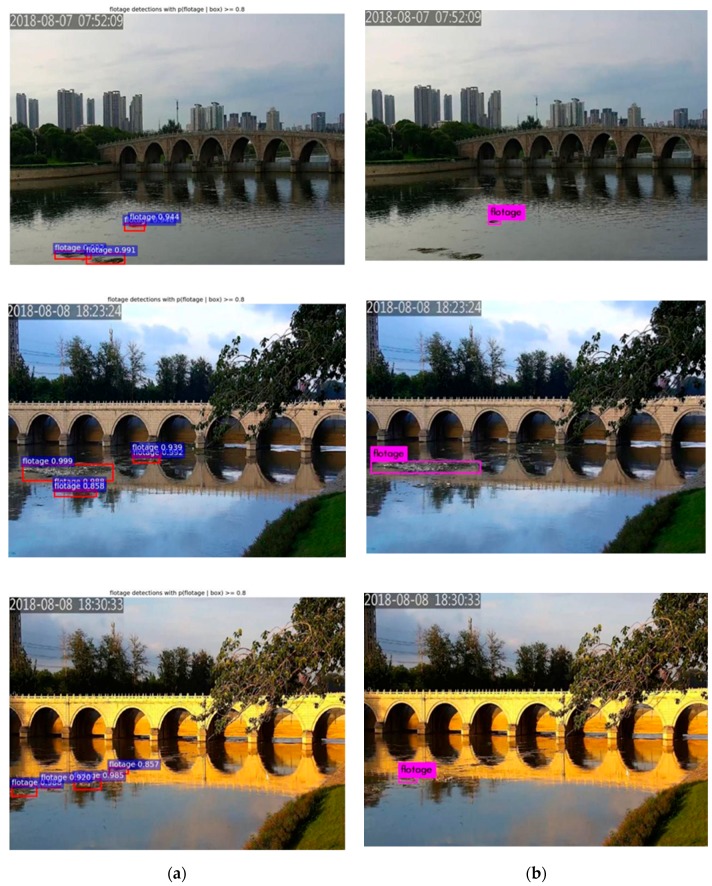
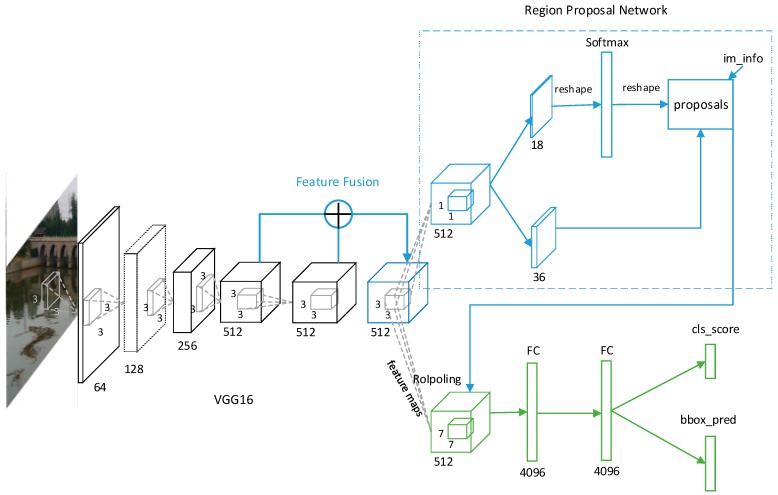
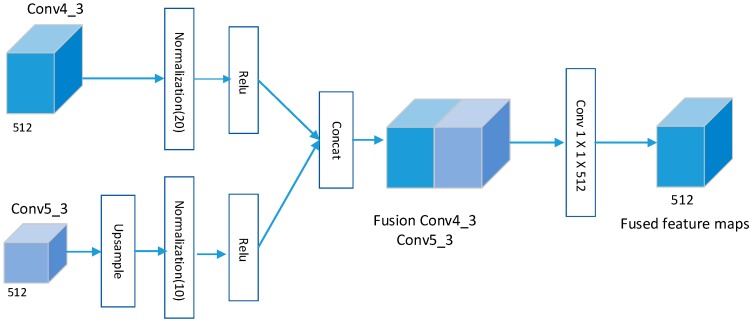
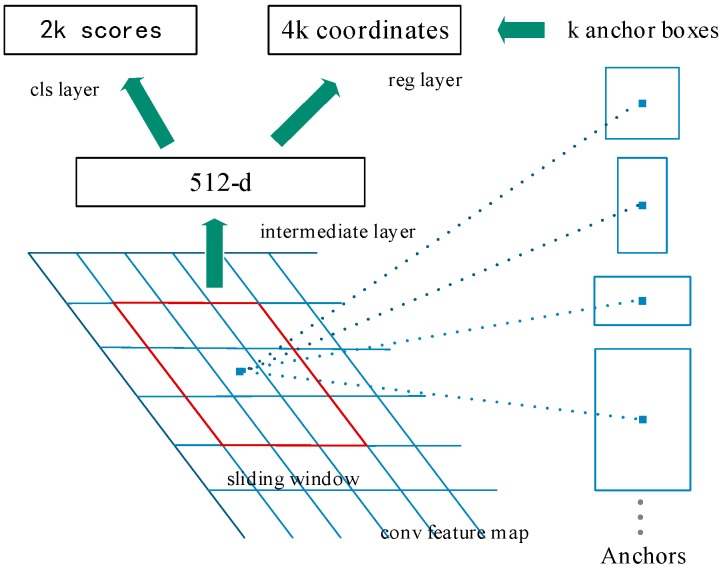
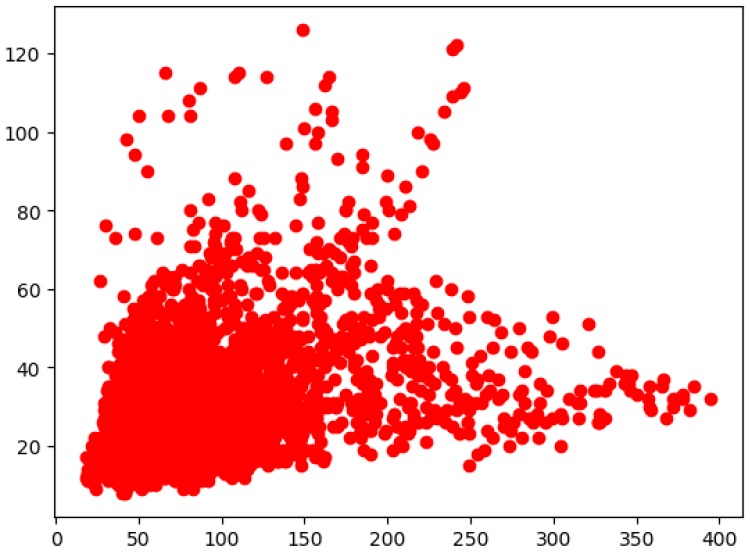
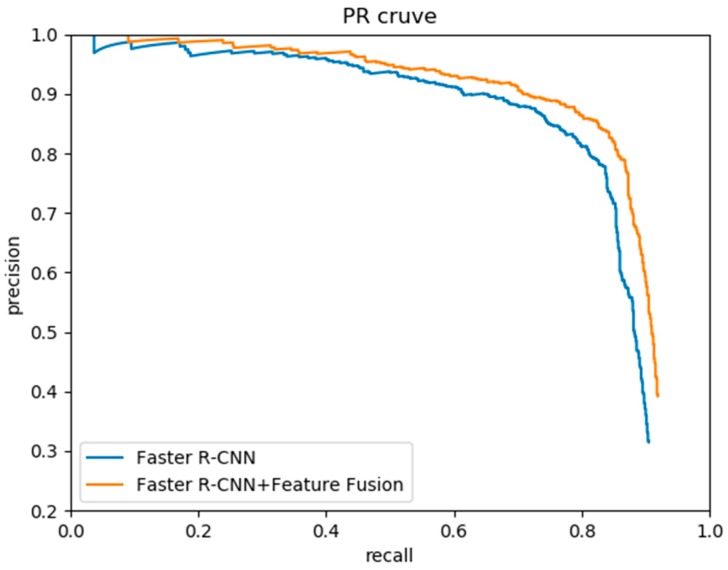
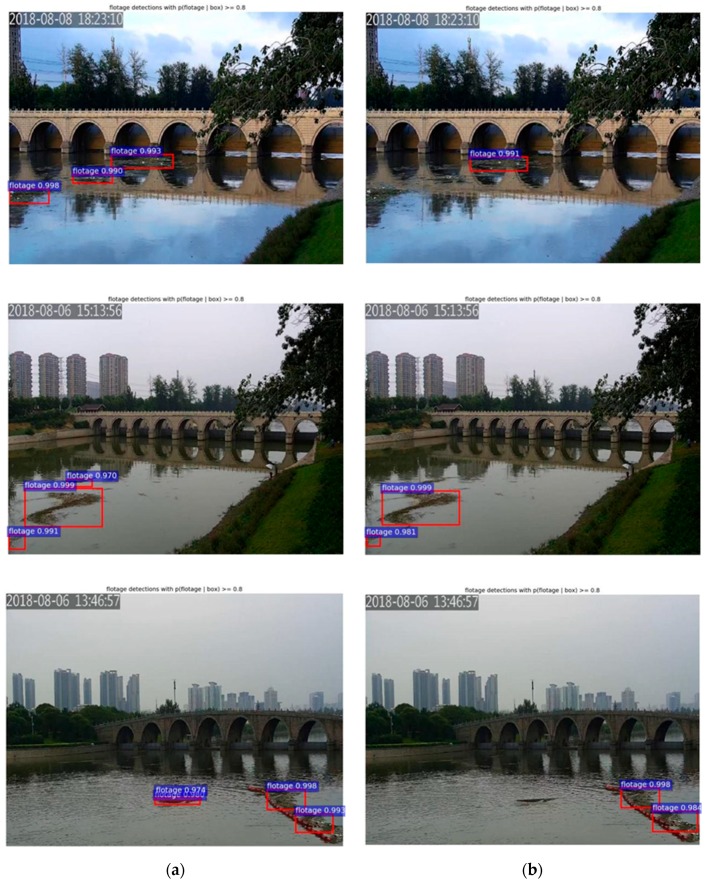
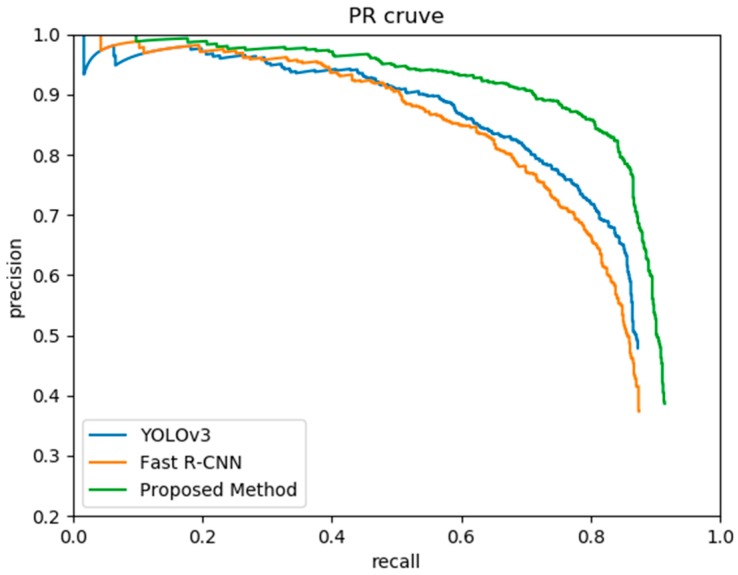
In this paper, we consider water surface object detection in natural scenes. Generally, background subtraction and image segmentation are the classical object detection methods. The former is highly susceptible to variable scenes, so its accuracy will be greatly reduced when detecting water surface objects due to the changing of the sunlight and waves. The latter is more sensitive to the selection of object features, which will lead to poor generalization as a result, so it cannot be applied widely. Consequently, methods based on deep learning have recently been proposed. The River Chief System has been implemented in China recently, and one of the important requirements is to detect and deal with the water surface floats in a timely fashion. In response to this case, we propose a real-time water surface object detection method in this paper which is based on the Faster R-CNN. The proposed network model includes two modules and integrates low-level features with high-level features to improve detection accuracy. Moreover, we propose to set the different scales and aspect ratios of anchors by analyzing the distribution of object scales in our dataset, so our method has good robustness and high detection accuracy for multi-scale objects in complex natural scenes. We utilized the proposed method to detect the floats on the water surface via a three-day video surveillance stream of the North Canal in Beijing, and validated its performance. The experiments show that the mean average precision (MAP) of the proposed method was 83.7%, and the detection speed was 13 frames per second. Therefore, our method can be applied in complex natural scenes and mostly meets the requirements of accuracy and speed of water surface object detection online.
在本文中,我们考虑自然场景中的水面目标检测。一般来说,背景减法和图像分割是经典的目标检测方法。前者对场景变化高度敏感,因此在检测水面目标时,由于阳光和波浪的变化,其准确率会大大降低。后者对目标特征的选择更为敏感,结果会导致泛化能力较差,因此不能广泛应用。因此,最近有人提出了基于深度学习的方法。中国最近实施了河长制,其中一项重要要求是及时检测和处理水面漂浮物。针对这种情况,我们在本文中提出了一种基于Faster R-CNN的实时水面目标检测方法。所提出的网络模型包括两个模块,并将低级特征与高级特征相结合以提高检测准确率。此外,我们通过分析数据集中目标尺度的分布来设置锚框的不同尺度和宽高比,因此我们的方法对复杂自然场景中的多尺度目标具有良好的鲁棒性和较高的检测准确率。我们利用所提出的方法通过对北京北运河为期三天的视频监控流来检测水面上的漂浮物,并验证了其性能。实验表明,所提出方法的平均精度均值(MAP)为83.7%,检测速度为每秒13帧。因此,我们的方法可以应用于复杂自然场景,并且在很大程度上满足在线水面目标检测的准确性和速度要求。