College of Life Sciences, Chongqing Normal University, Chongqing, 401331, China.
BMC Genomics. 2019 Aug 13;20(1):644. doi: 10.1186/s12864-019-6008-3.
The thermo-sensitive genic male sterility (TGMS) of Brassica napus facilitates reproductive researches and hybrid seed production. Considering the complexity and little information about the molecular mechanism involved in B. napus TGMS, comparative transcriptomic analyses were peroformed for the sterile (160S-MS) and fertile (160S-MF) flowers to identify potential crucial genes and pathways associated with TGMS.
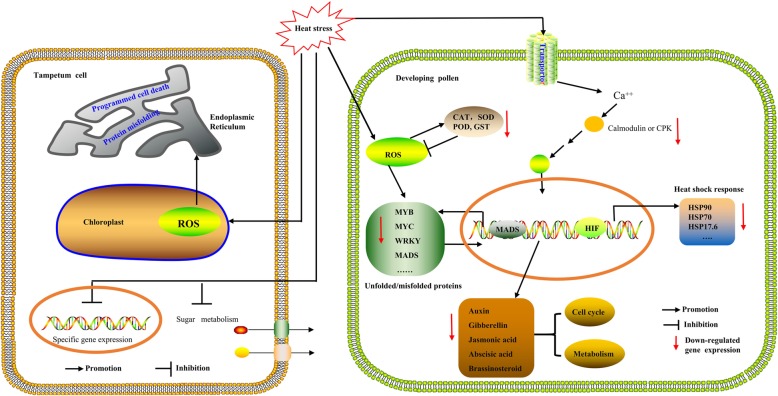
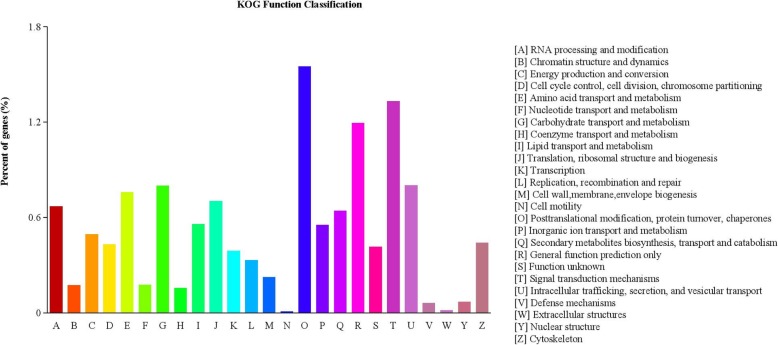
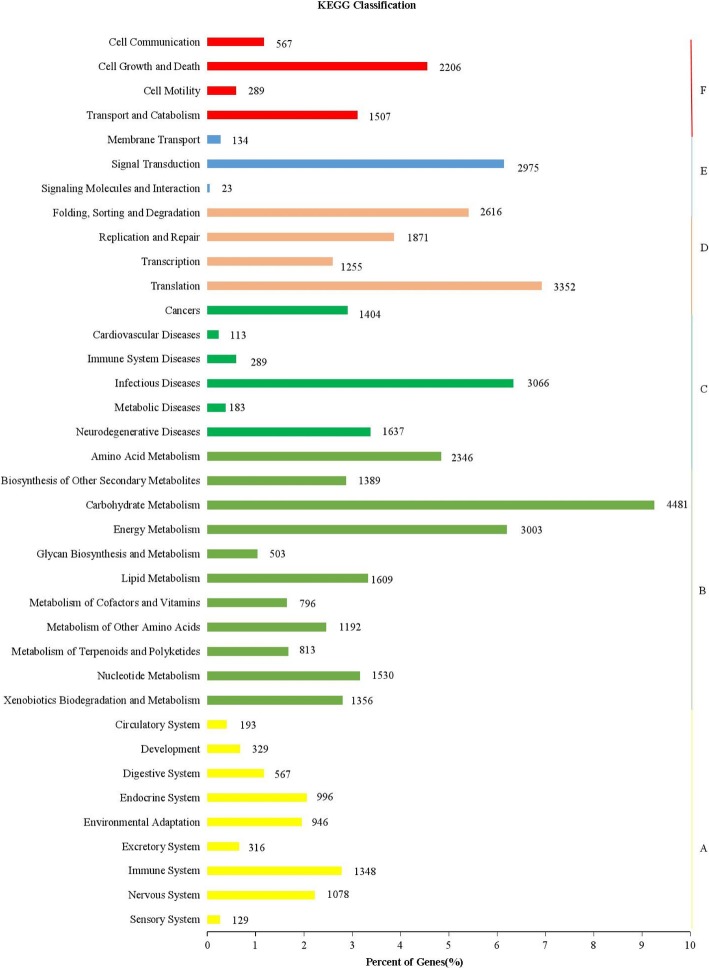
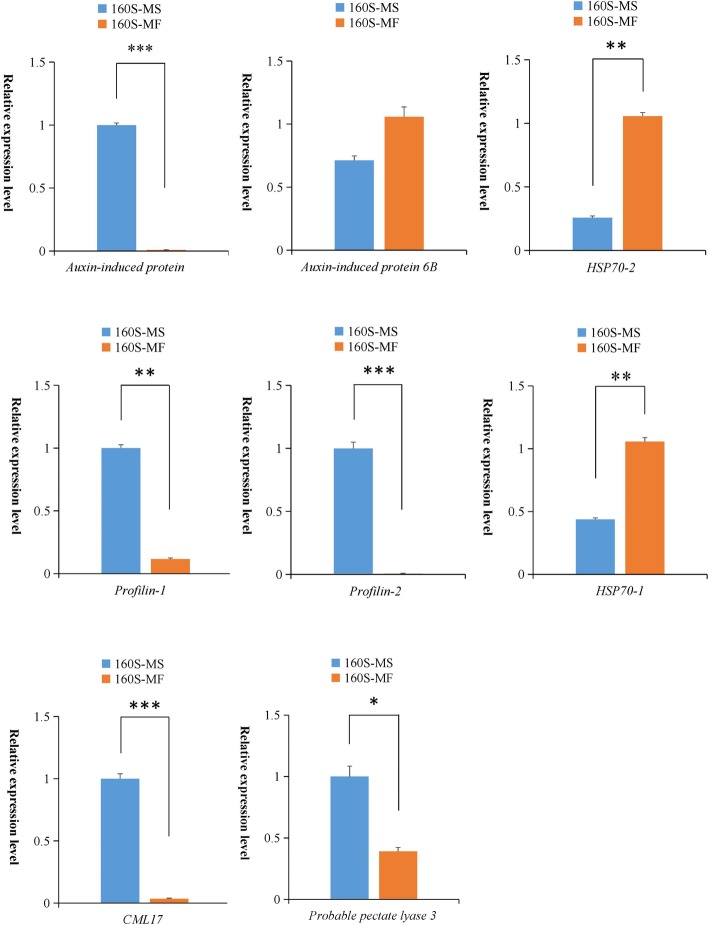
In total, RNA-seq analysis showed that 2202 genes (561 up-regulated and 1641 down-regulated) were significantly differentially expressed in the fertile flowers of 160S-MF at 25 °C when compared the sterile flower of 160S-MS at 15 °C. Detailed analysis revealed that expression changes in genes encoding heat shock proteins, antioxidant, skeleton protein, GTPase and calmodulin might be involved in TGMS of B. napus. Moreover, gene expression of some key members in plant hormone signaling pathways, such as auxin, gibberellins, jasmonic acid, abscisic acid, brassinosteroid signalings, were significantly surppressed in the flowers of 160S, suggesting that these genes might be involved in the regulation in B. napus TGMS. Here, we also found that transcription factor MADS, NFY, HSF, MYB/C and WRKY might play a crucial role in male fertility under the high temperature condition.
High temperature can significant affect gene expression in the flowers. The findings in the current study improve our understanding of B. napus TGMS at the molecular level and also provide an effective foundation for male fertility researches in other important economic crops.
甘蓝型油菜的温敏雄性不育(TGMS)有利于生殖研究和杂交种子生产。鉴于油菜 TGMS 涉及的分子机制复杂且信息较少,本研究对不育(160S-MS)和可育(160S-MF)花进行了比较转录组分析,以鉴定与 TGMS 相关的潜在关键基因和途径。
总共,RNA-seq 分析表明,在 15°C 下,160S-MS 的不育花与 25°C 下 160S-MF 的可育花相比,有 2202 个基因(561 个上调和 1641 个下调)显著差异表达。详细分析表明,热休克蛋白、抗氧化剂、骨架蛋白、GTPase 和钙调蛋白编码基因的表达变化可能参与了油菜 TGMS。此外,植物激素信号通路中一些关键成员的基因表达,如生长素、赤霉素、茉莉酸、脱落酸、油菜素信号通路,在 160S 花中显著受到抑制,表明这些基因可能参与了油菜 TGMS 的调控。在这里,我们还发现转录因子 MADS、NFY、HSF、MYB/C 和 WRKY 可能在高温条件下对雄性育性起关键作用。
高温会显著影响花中的基因表达。本研究的结果在分子水平上提高了我们对油菜 TGMS 的理解,也为其他重要经济作物的雄性育性研究提供了有效的基础。