School of Biosciences, University of Birmingham, Birmingham, UK.
College of Basic Medical Sciences, Dalian Medical University, Dalian, China.
Cell Death Dis. 2019 Aug 14;10(8):613. doi: 10.1038/s41419-019-1862-0.
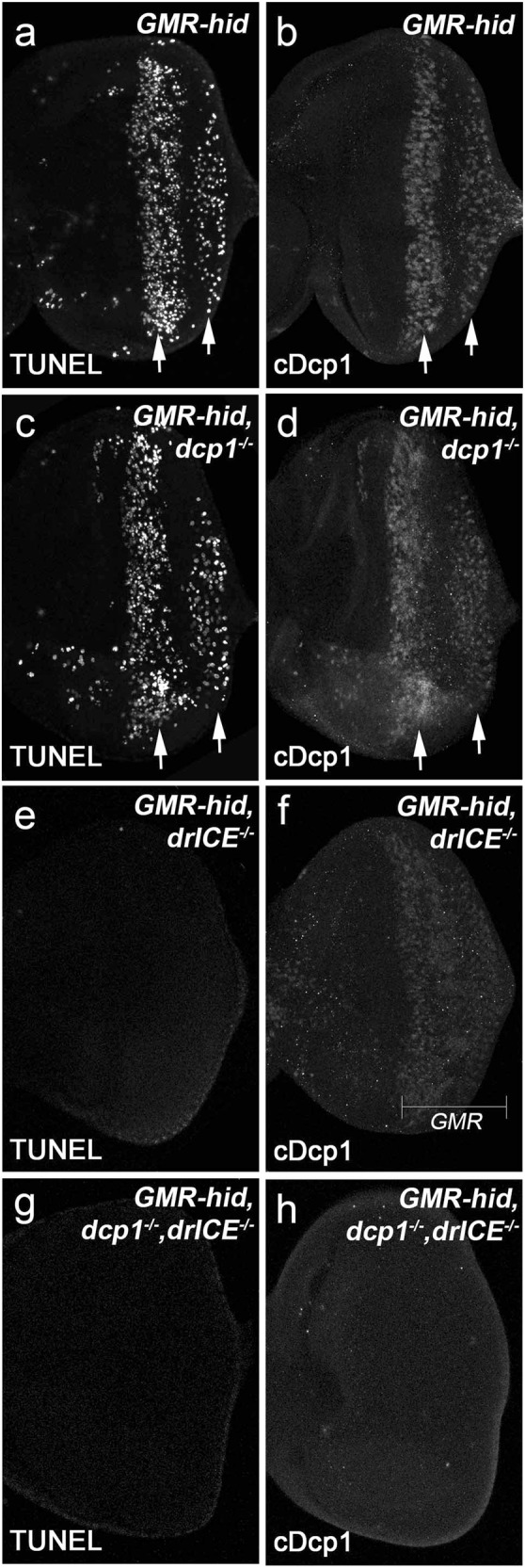
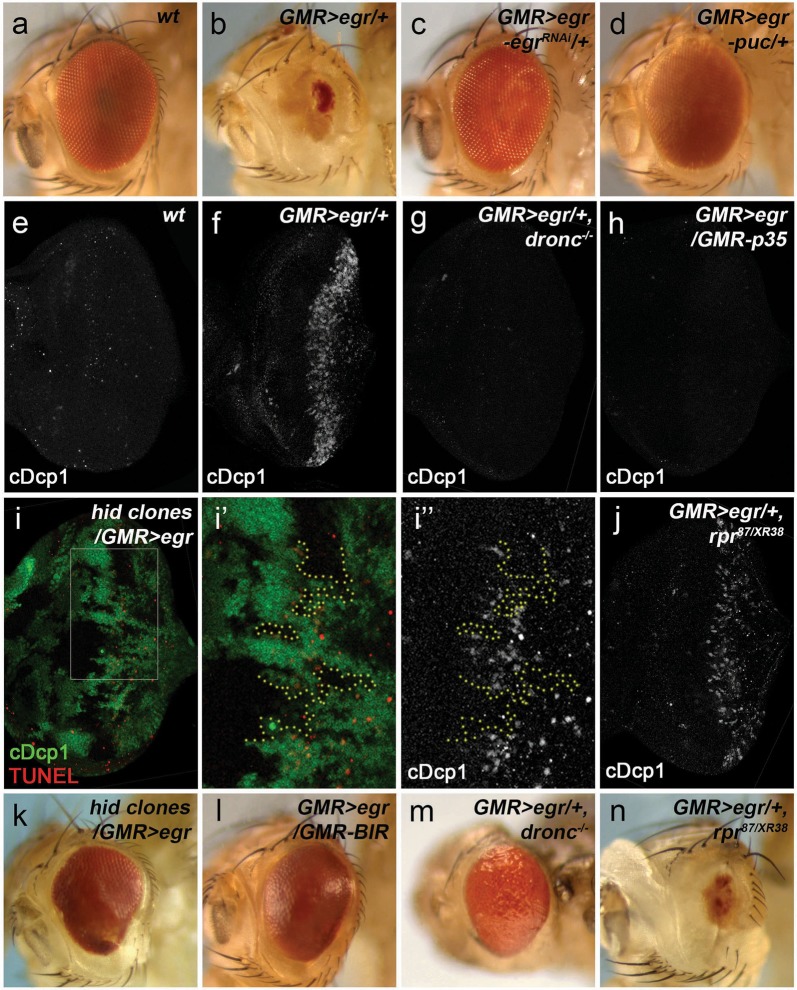
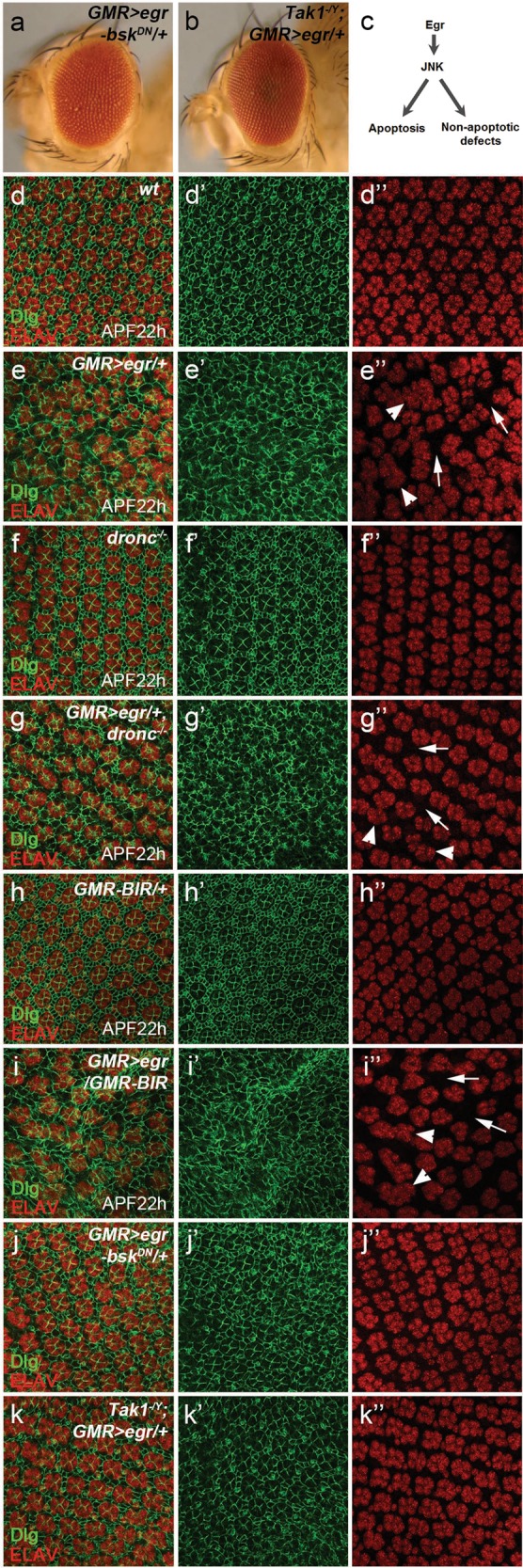
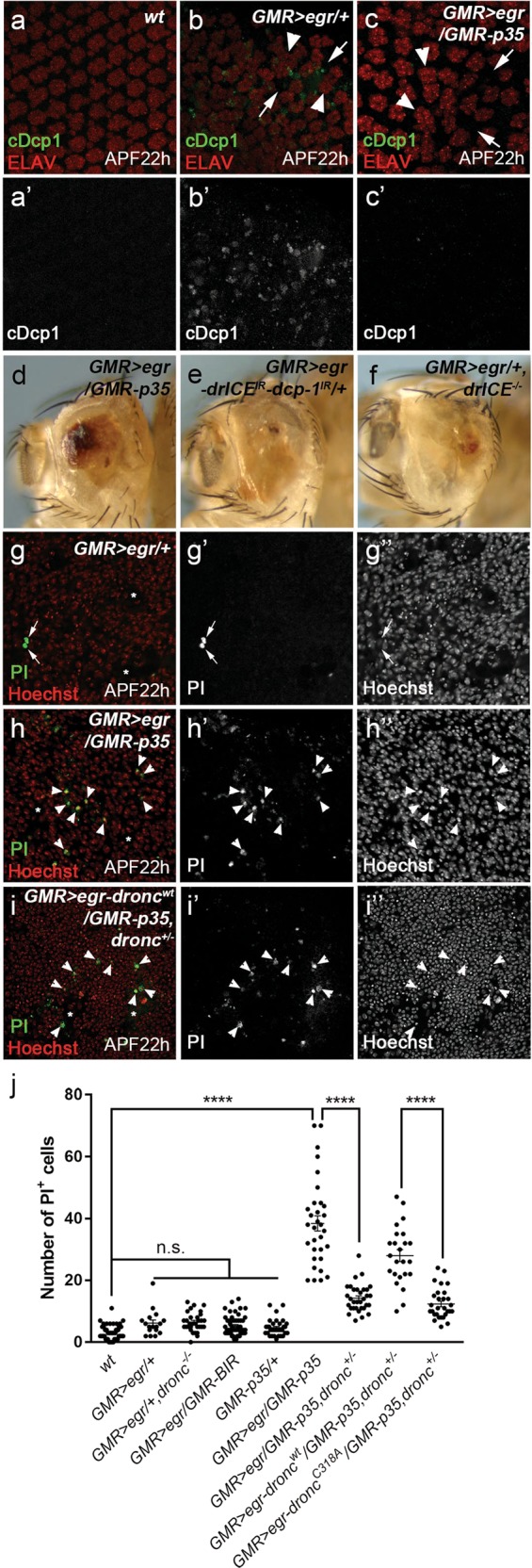
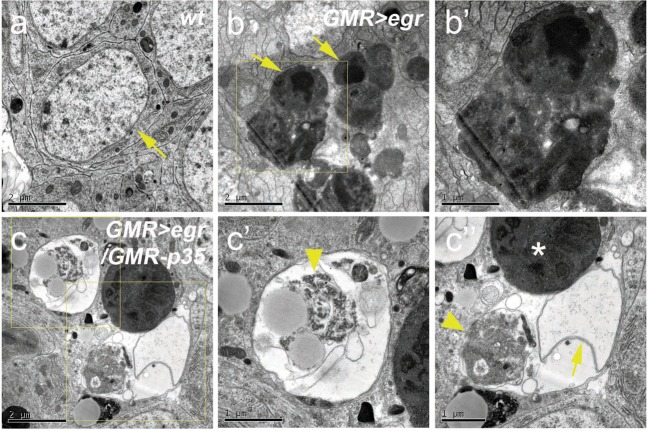
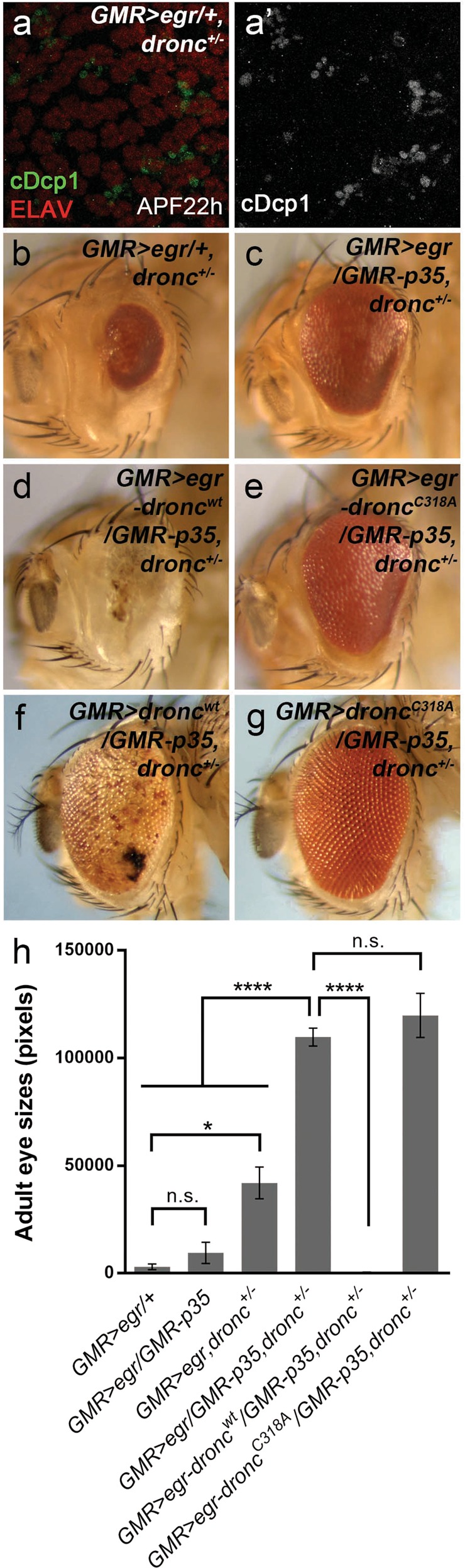
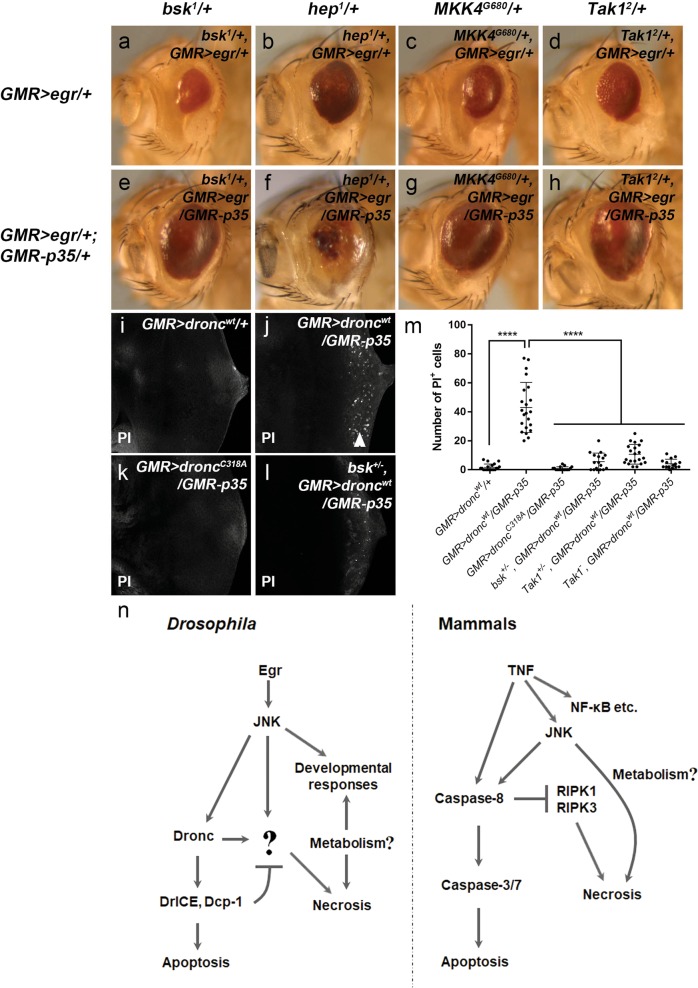
Tumor-necrosis factor (TNF) and its superfamily members are pleiotropic cytokines. Activation of TNF can lead to distinct cellular outcomes including inflammation, cell survival, and different forms of cell death, such as apoptosis and necrosis in a context-dependent manner. However, our understanding of what determines the versatile functions of TNF is far from complete. Here, we examined the molecular mechanisms that distinguish the forms of cell death induced by Eiger (Egr), the sole homolog of TNF in Drosophila. We show that expression of Egr in the developing Drosophila eye simultaneously induces apoptosis and apoptosis-independent developmental defects indicated by cellular disorganization, both of which rely on the c-Jun N-terminal kinase (JNK) signaling activity. Intriguingly, when effector caspases DrICE and Dcp-1 are defective or inhibited, expression of Egr triggers necrosis which is characterized by loss of cell membrane integrity, translucent cytoplasm, and aggregation of cellular organelles. Moreover, such Egr-induced necrosis depends on the catalytic activity of the initiator caspase Dronc and the input from JNK signaling but is independent of their roles in apoptosis. Further mosaic analysis with mutants of scribble (scrib), an evolutionarily conserved tumor suppressor gene regulating cell polarity, suggests that Egr/JNK-mediated apoptosis and necrosis establish a two-layered defense system to inhibit the oncogenic growth of scrib mutant cells. Together, we have identified caspase- and JNK-dependent mechanisms underlying Egr-induced apoptosis versus necrosis and their fail-safe roles in tumor suppression in an intact organism in vivo.
肿瘤坏死因子 (TNF) 及其超家族成员是多效细胞因子。TNF 的激活可以导致不同的细胞结局,包括炎症、细胞存活和不同形式的细胞死亡,如凋亡和坏死,这取决于具体的上下文。然而,我们对于决定 TNF 多功能性的因素的理解还远远不够。在这里,我们研究了区分在果蝇中 TNF 的唯一同源物 Eiger(Egr)诱导的细胞死亡形式的分子机制。我们表明,Egr 在发育中的果蝇眼中的表达同时诱导凋亡和细胞组织紊乱所表明的凋亡非依赖性发育缺陷,这两者都依赖于 c-Jun N 端激酶(JNK)信号活性。有趣的是,当效应半胱氨酸天冬氨酸蛋白酶 DrICE 和 Dcp-1 有缺陷或被抑制时,Egr 的表达会引发坏死,其特征是细胞膜完整性丧失、细胞质半透明和细胞细胞器聚集。此外,这种由 Egr 诱导的坏死依赖于起始半胱氨酸天冬氨酸蛋白酶 Dronc 的催化活性和 JNK 信号的输入,但不依赖于它们在凋亡中的作用。进一步利用 scribble(scrib)突变体的马赛克分析,scrib 是一个进化上保守的肿瘤抑制基因,调节细胞极性,表明 Egr/JNK 介导的凋亡和坏死建立了一个双层防御系统,以抑制 scrib 突变细胞的致癌生长。总之,我们已经确定了 Egr 诱导的凋亡与坏死的 caspase 和 JNK 依赖性机制及其在体内完整生物体中的肿瘤抑制中的失效安全作用。