Department of Pathology, The First Affiliated Hospital of Guangxi Medical University, Nanning, People's Republic of China.
Department of Medical Oncology, The First Affiliated Hospital of Guangxi Medical University, Nanning, People's Republic of China.
Cancer Med. 2019 Oct;8(13):6021-6035. doi: 10.1002/cam4.2447. Epub 2019 Aug 14.
To investigate the expression level and potential mechanism of hypoxia-inducible factor 1 alpha (HIF-1α) in patients with myelodysplastic syndromes (MDS).
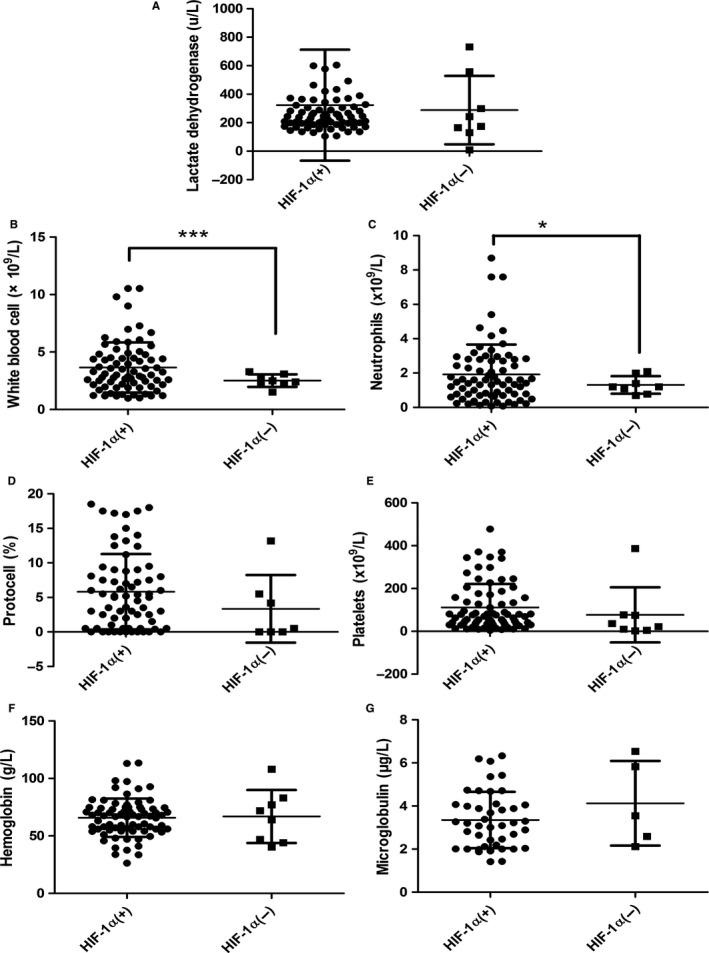
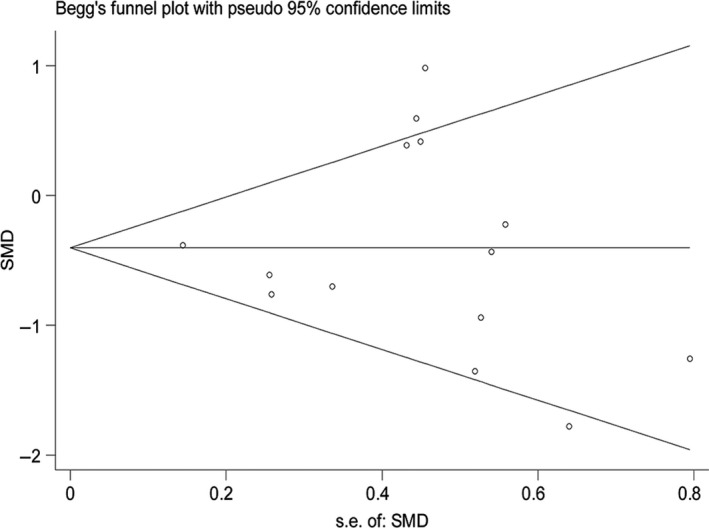
Immunohistochemistry (IHC) techniques were used to examine the protein expression of HIF-1α in paraffin-embedded myeloid tissues from 82 patients with MDS and 33 controls (patients with lymphoma that is not invading myeloid tissues). In addition, the associations between the protein expression of HIF-1α and clinical parameters were examined. To further investigate the significance of HIF-1α expression in MDS patients, the researchers not only extracted the data about HIF-1α expression from MDS-related microarrays but also analyzed the correlation between the level of HIF-1α expression and MDS. The microRNA (miRNA) targeting HIF-1α was predicted and verified with a dual luciferase experiment.
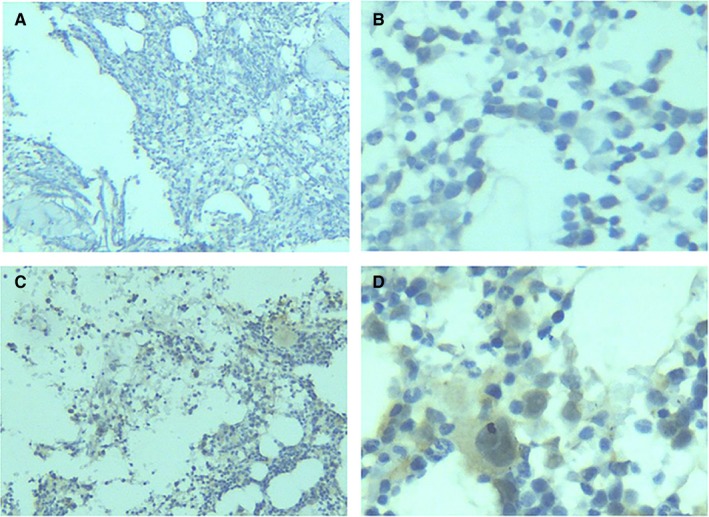
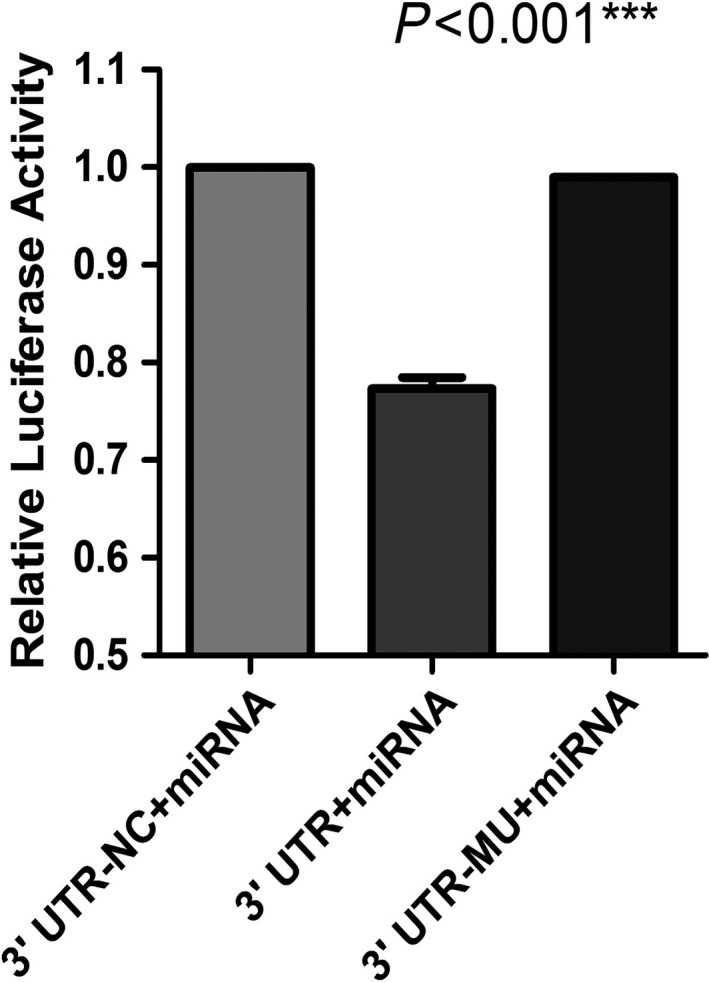
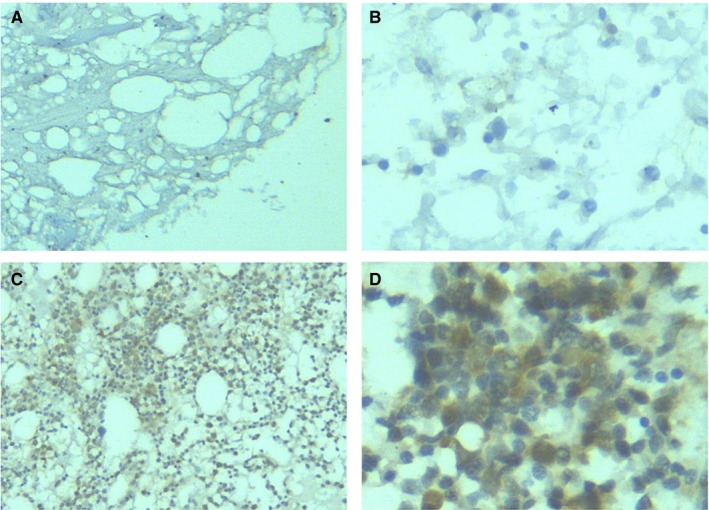
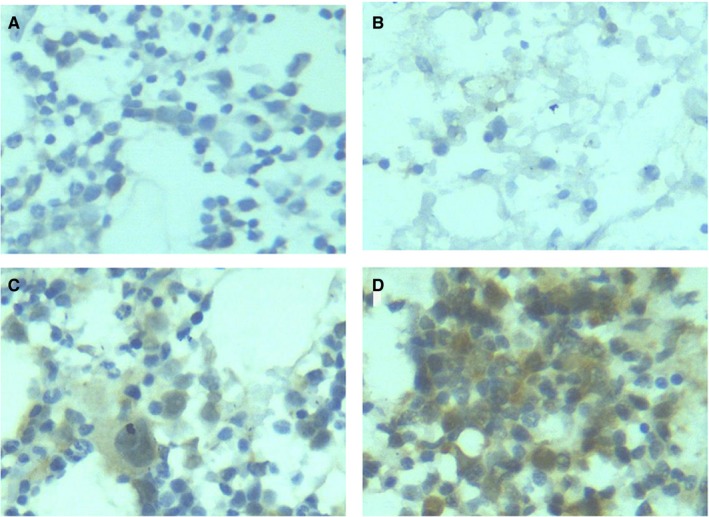
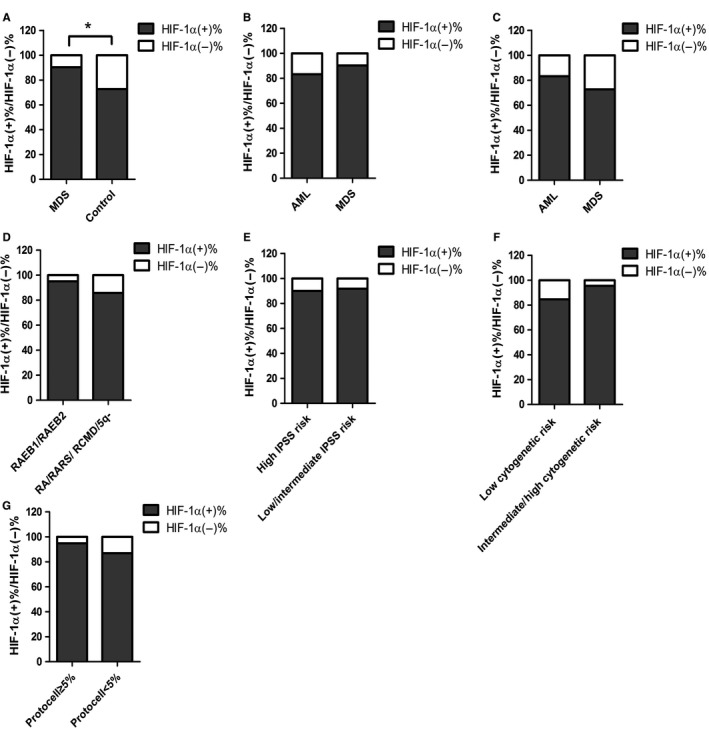
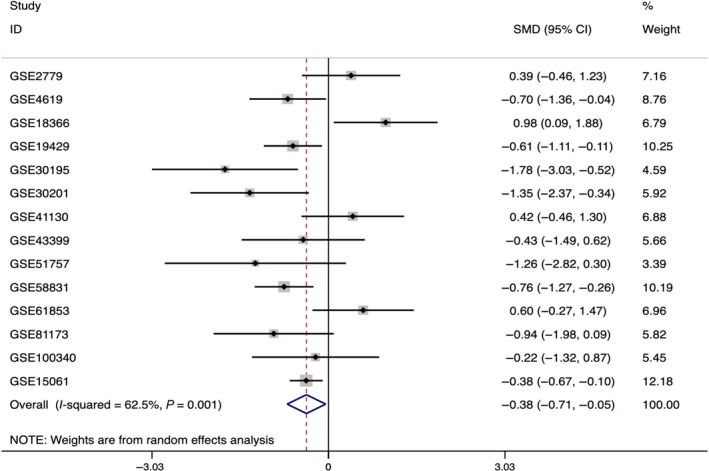
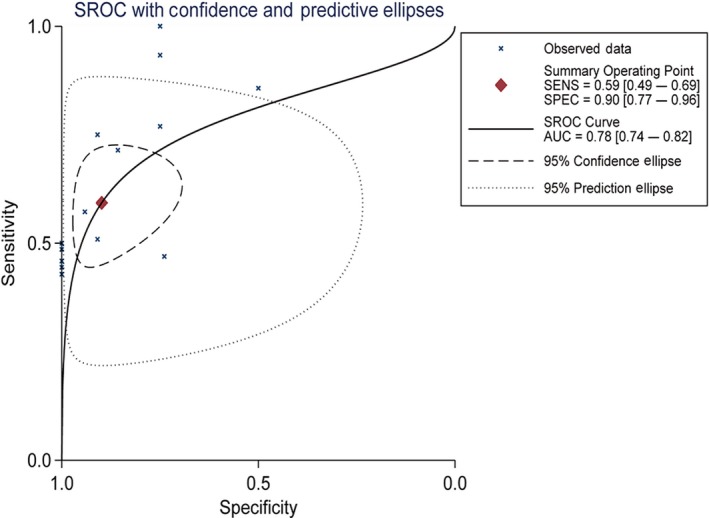
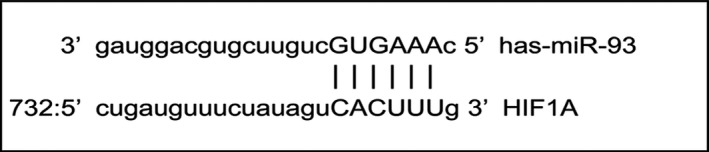
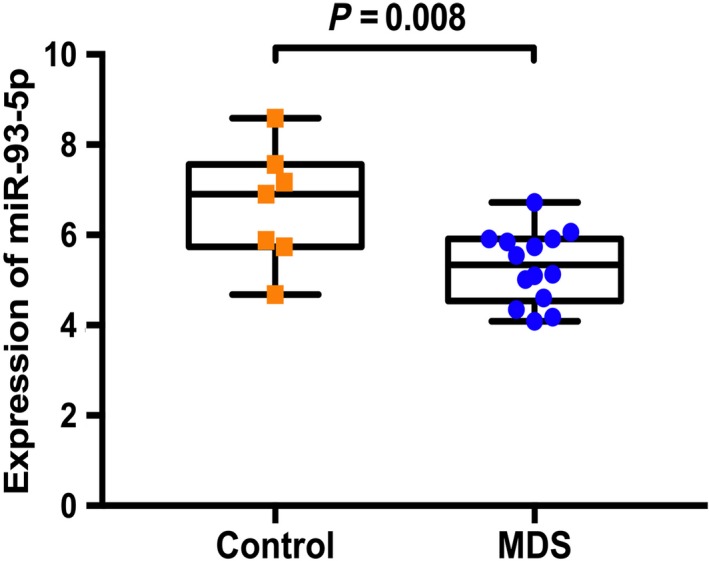
Immunohistochemistry revealed that the positive expression rate of HIF-1α in the bone marrow of patients with MDS was 90.24%. This rate was remarkably higher than that of the controls (72.73%) and was statistically significant (P < .05), which indicated that HIF-1α was upregulated in the myeloid tissues of MDS patients. For the GSE2779, GSE18366, GSE41130, and GSE61853 microarrays, the average expression of HIF-1α in MDS patients was higher than in the controls. Particularly for the GSE18366 microarray, HIF-1α expression was considerably higher in MDS patients than in the controls (P < .05). It was predicted that miR-93-5p had a site for binding with HIF-1α, and a dual luciferase experiment confirmed that miR-93-5p could bind with HIF-1α.
The upregulated expression of HIF-1α was examined in the myeloid tissues of MDS patients. The presence of HIF-1α (+) suggested an unsatisfactory prognosis for patients, which could assist in the diagnosis of MDS. In addition, miR-93-5p could bind to HIF-1α by targeting, showing its potential to be the target of HIF-1α in MDS.
研究缺氧诱导因子 1 ɑ(HIF-1ɑ)在骨髓增生异常综合征(MDS)患者中的表达水平及其潜在机制。
采用免疫组织化学(IHC)技术检测 82 例 MDS 患者和 33 例对照(非髓组织侵犯的淋巴瘤患者)骨髓组织中 HIF-1ɑ的蛋白表达,并分析 HIF-1ɑ蛋白表达与临床参数的相关性。为进一步探讨 HIF-1ɑ在 MDS 患者中的表达意义,研究者不仅从 MDS 相关微阵列中提取了 HIF-1ɑ表达数据,还分析了 HIF-1ɑ表达水平与 MDS 的相关性。采用双荧光素酶实验预测并验证了靶向 HIF-1ɑ的 microRNA(miRNA)。
免疫组化结果显示,MDS 患者骨髓中 HIF-1ɑ的阳性表达率为 90.24%,显著高于对照组(72.73%),差异有统计学意义(P<.05),提示 HIF-1ɑ在 MDS 患者的髓系组织中呈上调表达。对于 GSE2779、GSE18366、GSE41130 和 GSE61853 微阵列,MDS 患者 HIF-1ɑ的平均表达高于对照组,尤其在 GSE18366 微阵列中,MDS 患者 HIF-1ɑ的表达显著高于对照组(P<.05)。预测 miR-93-5p 与 HIF-1ɑ有结合位点,双荧光素酶实验证实 miR-93-5p 可以与 HIF-1ɑ结合。
在 MDS 患者的髓系组织中检测到 HIF-1ɑ的表达上调。HIF-1ɑ(+)的存在提示患者预后不良,有助于 MDS 的诊断。此外,miR-93-5p 可能通过靶向作用与 HIF-1ɑ结合,提示其在 MDS 中可能成为 HIF-1ɑ的靶点。