• 文献检索
  • 文档翻译
  • 深度研究
  • 学术资讯
  • Suppr Zotero 插件Zotero 插件
  • 邀请有礼
  • 套餐&价格
  • 历史记录
应用&插件
Suppr Zotero 插件Zotero 插件浏览器插件Mac 客户端Windows 客户端微信小程序
定价
高级版会员购买积分包购买API积分包
服务
文献检索文档翻译深度研究API 文档MCP 服务
关于我们
关于 Suppr公司介绍联系我们用户协议隐私条款
关注我们

Suppr 超能文献

核心技术专利:CN118964589B侵权必究
粤ICP备2023148730 号-1Suppr @ 2026

文献检索

告别复杂PubMed语法,用中文像聊天一样搜索,搜遍4000万医学文献。AI智能推荐,让科研检索更轻松。

立即免费搜索

文件翻译

保留排版,准确专业,支持PDF/Word/PPT等文件格式,支持 12+语言互译。

免费翻译文档

深度研究

AI帮你快速写综述,25分钟生成高质量综述,智能提取关键信息,辅助科研写作。

立即免费体验

基于基质金属蛋白酶抑制剂(MMPIs)的分子成像探针。

Molecular Imaging Probes Based on Matrix Metalloproteinase Inhibitors (MMPIs).

机构信息

Departamento de Química y Bioquímica, Facultad de Farmacia, Universidad San Pablo-CEU, CEU Universities, Urbanización Montepríncipe, 28925 Alcorcón, Madrid, Spain.

出版信息

Molecules. 2019 Aug 16;24(16):2982. doi: 10.3390/molecules24162982.

DOI:10.3390/molecules24162982
PMID:31426440
原文链接:https://pmc.ncbi.nlm.nih.gov/articles/PMC6719134/
Abstract

Matrix metalloproteinases (MMPs) are a family of zinc- and calcium-dependent endopeptidases which are secreted or anchored in the cell membrane and are capable of degrading the multiple components of the extracellular matrix (ECM). MMPs are frequently overexpressed or highly activated in numerous human diseases. Owing to the important role of MMPs in human diseases, many MMP inhibitors (MMPIs) have been developed as novel therapeutics, and some of them have entered clinical trials. However, so far, only one MMPI (doxycycline) has been approved by the FDA. Therefore, the evaluation of the activity of a specific subset of MMPs in human diseases using clinically relevant imaging techniques would be a powerful tool for the early diagnosis and assessment of the efficacy of therapy. In recent years, numerous MMPIs labeled imaging agents have emerged. This article begins by providing an overview of the MMP subfamily and its structure and function. The latest advances in the design of subtype selective MMPIs and their biological evaluation are then summarized. Subsequently, the potential use of MMPI-labeled diagnostic agents in clinical imaging techniques are discussed, including positron emission tomography (PET), single-photon emission computed tomography (SPECT) and optical imaging (OI). Finally, this article concludes with future perspectives and clinical utility.

摘要

基质金属蛋白酶(MMPs)是一类锌和钙离子依赖性内肽酶,它们分泌或锚定在细胞膜上,能够降解细胞外基质(ECM)的多种成分。MMPs 在许多人类疾病中经常过度表达或高度激活。由于 MMPs 在人类疾病中的重要作用,许多基质金属蛋白酶抑制剂(MMPI)已被开发为新型治疗药物,其中一些已进入临床试验。然而,迄今为止,只有一种 MMPIs(强力霉素)获得了 FDA 的批准。因此,使用临床相关的成像技术评估人类疾病中特定 MMPs 亚群的活性将是早期诊断和评估治疗效果的有力工具。近年来,出现了许多 MMPIs 标记的成像剂。本文首先概述了 MMP 亚家族及其结构和功能。然后总结了设计亚型选择性 MMPIs 及其生物学评价的最新进展。随后,讨论了 MMPIs 标记的诊断剂在临床成像技术中的潜在用途,包括正电子发射断层扫描(PET)、单光子发射计算机断层扫描(SPECT)和光学成像(OI)。最后,本文对未来的展望和临床应用进行了总结。
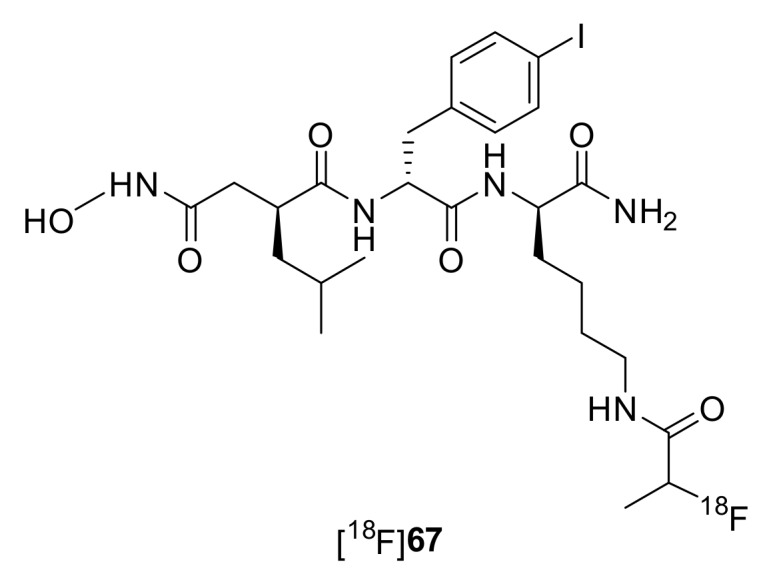
https://cdn.ncbi.nlm.nih.gov/pmc/blobs/e12c/6719134/111f08583165/molecules-24-02982-sch018.jpg
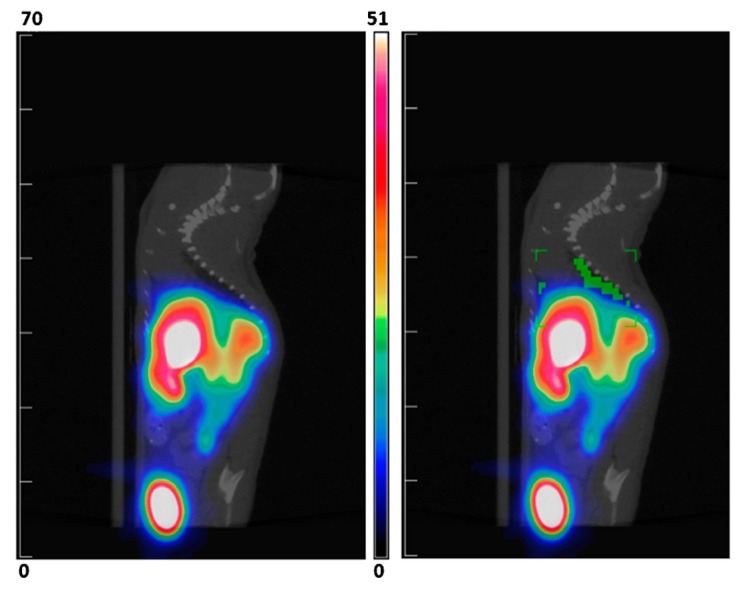
https://cdn.ncbi.nlm.nih.gov/pmc/blobs/e12c/6719134/359b54e10a18/molecules-24-02982-g001.jpg
https://cdn.ncbi.nlm.nih.gov/pmc/blobs/e12c/6719134/1ef84ca304be/molecules-24-02982-sch001.jpg
https://cdn.ncbi.nlm.nih.gov/pmc/blobs/e12c/6719134/d5ee8783aa3e/molecules-24-02982-sch002.jpg
https://cdn.ncbi.nlm.nih.gov/pmc/blobs/e12c/6719134/9885f51e80e3/molecules-24-02982-sch003.jpg
https://cdn.ncbi.nlm.nih.gov/pmc/blobs/e12c/6719134/5865d3cca442/molecules-24-02982-sch004.jpg
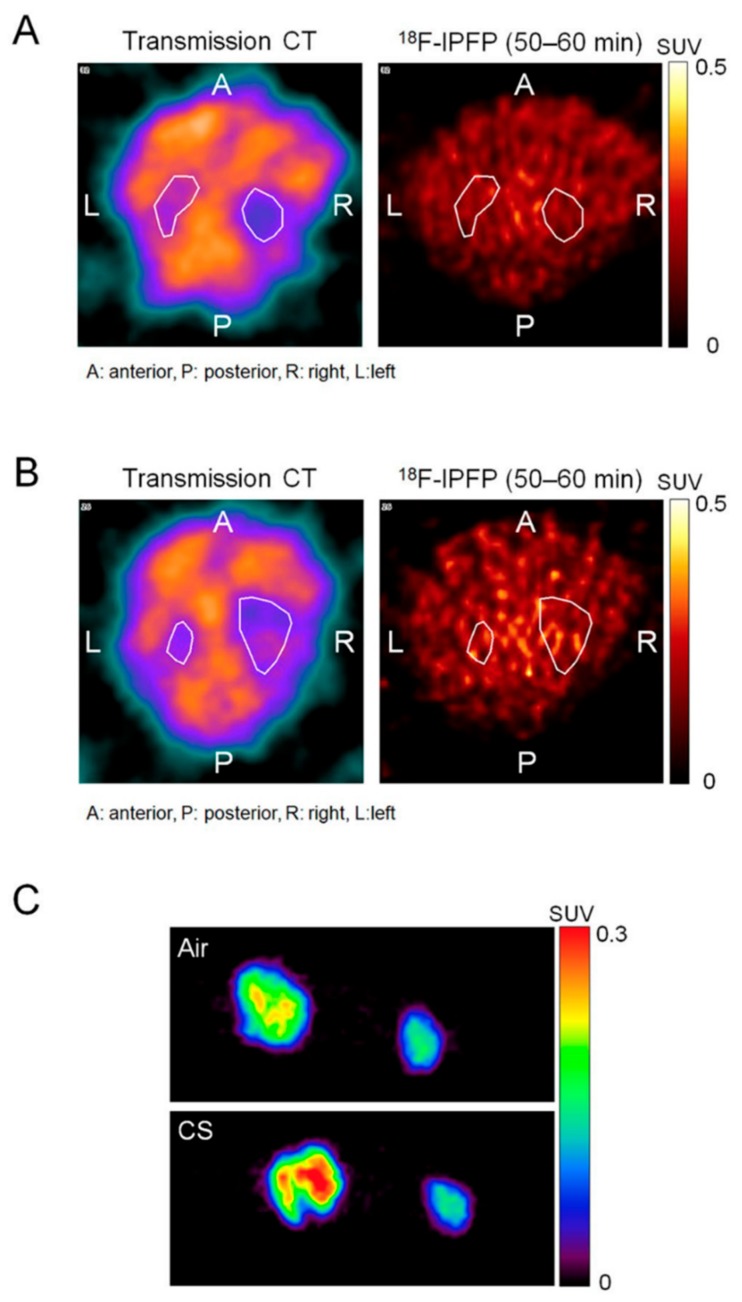
https://cdn.ncbi.nlm.nih.gov/pmc/blobs/e12c/6719134/c04050dcc61e/molecules-24-02982-g002.jpg
https://cdn.ncbi.nlm.nih.gov/pmc/blobs/e12c/6719134/b4d3986fa8f3/molecules-24-02982-sch005.jpg
https://cdn.ncbi.nlm.nih.gov/pmc/blobs/e12c/6719134/1a378e122a96/molecules-24-02982-sch006.jpg
https://cdn.ncbi.nlm.nih.gov/pmc/blobs/e12c/6719134/61de1273aa94/molecules-24-02982-g003.jpg
https://cdn.ncbi.nlm.nih.gov/pmc/blobs/e12c/6719134/d7ab628ebcd7/molecules-24-02982-sch007.jpg
https://cdn.ncbi.nlm.nih.gov/pmc/blobs/e12c/6719134/7c91a1014d55/molecules-24-02982-sch008.jpg
https://cdn.ncbi.nlm.nih.gov/pmc/blobs/e12c/6719134/6bdf188b3bae/molecules-24-02982-sch009.jpg
https://cdn.ncbi.nlm.nih.gov/pmc/blobs/e12c/6719134/0f6283c3ad9b/molecules-24-02982-sch010.jpg
https://cdn.ncbi.nlm.nih.gov/pmc/blobs/e12c/6719134/f2ae57c3f76d/molecules-24-02982-sch011.jpg
https://cdn.ncbi.nlm.nih.gov/pmc/blobs/e12c/6719134/f72e3d65800c/molecules-24-02982-sch012.jpg
https://cdn.ncbi.nlm.nih.gov/pmc/blobs/e12c/6719134/f3df81fa2113/molecules-24-02982-g004.jpg
https://cdn.ncbi.nlm.nih.gov/pmc/blobs/e12c/6719134/9e718679a839/molecules-24-02982-sch013.jpg
https://cdn.ncbi.nlm.nih.gov/pmc/blobs/e12c/6719134/0111dcf7a5d4/molecules-24-02982-g005.jpg
https://cdn.ncbi.nlm.nih.gov/pmc/blobs/e12c/6719134/cecc9a655251/molecules-24-02982-g006.jpg
https://cdn.ncbi.nlm.nih.gov/pmc/blobs/e12c/6719134/fe10828347a5/molecules-24-02982-g007.jpg
https://cdn.ncbi.nlm.nih.gov/pmc/blobs/e12c/6719134/cb376cc471d4/molecules-24-02982-sch014.jpg
https://cdn.ncbi.nlm.nih.gov/pmc/blobs/e12c/6719134/f99009e883b8/molecules-24-02982-g008.jpg
https://cdn.ncbi.nlm.nih.gov/pmc/blobs/e12c/6719134/6bbd1c346ced/molecules-24-02982-g009.jpg
https://cdn.ncbi.nlm.nih.gov/pmc/blobs/e12c/6719134/030b60b207ce/molecules-24-02982-sch015.jpg
https://cdn.ncbi.nlm.nih.gov/pmc/blobs/e12c/6719134/fcc757553139/molecules-24-02982-g010.jpg
https://cdn.ncbi.nlm.nih.gov/pmc/blobs/e12c/6719134/fa038885a420/molecules-24-02982-sch016.jpg
https://cdn.ncbi.nlm.nih.gov/pmc/blobs/e12c/6719134/0258ef717220/molecules-24-02982-g011.jpg
https://cdn.ncbi.nlm.nih.gov/pmc/blobs/e12c/6719134/b81b3f523fb9/molecules-24-02982-sch017.jpg
https://cdn.ncbi.nlm.nih.gov/pmc/blobs/e12c/6719134/111f08583165/molecules-24-02982-sch018.jpg
https://cdn.ncbi.nlm.nih.gov/pmc/blobs/e12c/6719134/359b54e10a18/molecules-24-02982-g001.jpg
https://cdn.ncbi.nlm.nih.gov/pmc/blobs/e12c/6719134/1ef84ca304be/molecules-24-02982-sch001.jpg
https://cdn.ncbi.nlm.nih.gov/pmc/blobs/e12c/6719134/d5ee8783aa3e/molecules-24-02982-sch002.jpg
https://cdn.ncbi.nlm.nih.gov/pmc/blobs/e12c/6719134/9885f51e80e3/molecules-24-02982-sch003.jpg
https://cdn.ncbi.nlm.nih.gov/pmc/blobs/e12c/6719134/5865d3cca442/molecules-24-02982-sch004.jpg
https://cdn.ncbi.nlm.nih.gov/pmc/blobs/e12c/6719134/c04050dcc61e/molecules-24-02982-g002.jpg
https://cdn.ncbi.nlm.nih.gov/pmc/blobs/e12c/6719134/b4d3986fa8f3/molecules-24-02982-sch005.jpg
https://cdn.ncbi.nlm.nih.gov/pmc/blobs/e12c/6719134/1a378e122a96/molecules-24-02982-sch006.jpg
https://cdn.ncbi.nlm.nih.gov/pmc/blobs/e12c/6719134/61de1273aa94/molecules-24-02982-g003.jpg
https://cdn.ncbi.nlm.nih.gov/pmc/blobs/e12c/6719134/d7ab628ebcd7/molecules-24-02982-sch007.jpg
https://cdn.ncbi.nlm.nih.gov/pmc/blobs/e12c/6719134/7c91a1014d55/molecules-24-02982-sch008.jpg
https://cdn.ncbi.nlm.nih.gov/pmc/blobs/e12c/6719134/6bdf188b3bae/molecules-24-02982-sch009.jpg
https://cdn.ncbi.nlm.nih.gov/pmc/blobs/e12c/6719134/0f6283c3ad9b/molecules-24-02982-sch010.jpg
https://cdn.ncbi.nlm.nih.gov/pmc/blobs/e12c/6719134/f2ae57c3f76d/molecules-24-02982-sch011.jpg
https://cdn.ncbi.nlm.nih.gov/pmc/blobs/e12c/6719134/f72e3d65800c/molecules-24-02982-sch012.jpg
https://cdn.ncbi.nlm.nih.gov/pmc/blobs/e12c/6719134/f3df81fa2113/molecules-24-02982-g004.jpg
https://cdn.ncbi.nlm.nih.gov/pmc/blobs/e12c/6719134/9e718679a839/molecules-24-02982-sch013.jpg
https://cdn.ncbi.nlm.nih.gov/pmc/blobs/e12c/6719134/0111dcf7a5d4/molecules-24-02982-g005.jpg
https://cdn.ncbi.nlm.nih.gov/pmc/blobs/e12c/6719134/cecc9a655251/molecules-24-02982-g006.jpg
https://cdn.ncbi.nlm.nih.gov/pmc/blobs/e12c/6719134/fe10828347a5/molecules-24-02982-g007.jpg
https://cdn.ncbi.nlm.nih.gov/pmc/blobs/e12c/6719134/cb376cc471d4/molecules-24-02982-sch014.jpg
https://cdn.ncbi.nlm.nih.gov/pmc/blobs/e12c/6719134/f99009e883b8/molecules-24-02982-g008.jpg
https://cdn.ncbi.nlm.nih.gov/pmc/blobs/e12c/6719134/6bbd1c346ced/molecules-24-02982-g009.jpg
https://cdn.ncbi.nlm.nih.gov/pmc/blobs/e12c/6719134/030b60b207ce/molecules-24-02982-sch015.jpg
https://cdn.ncbi.nlm.nih.gov/pmc/blobs/e12c/6719134/fcc757553139/molecules-24-02982-g010.jpg
https://cdn.ncbi.nlm.nih.gov/pmc/blobs/e12c/6719134/fa038885a420/molecules-24-02982-sch016.jpg
https://cdn.ncbi.nlm.nih.gov/pmc/blobs/e12c/6719134/0258ef717220/molecules-24-02982-g011.jpg
https://cdn.ncbi.nlm.nih.gov/pmc/blobs/e12c/6719134/b81b3f523fb9/molecules-24-02982-sch017.jpg
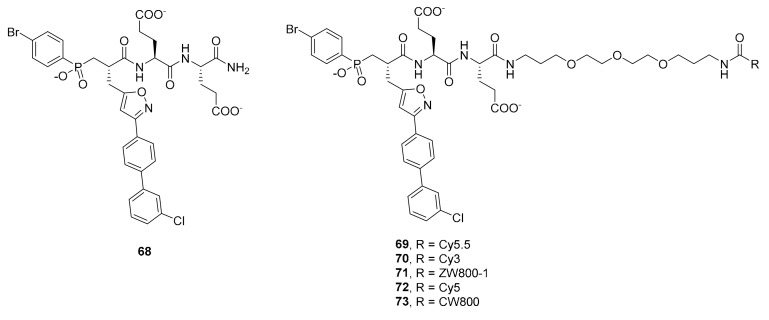
https://cdn.ncbi.nlm.nih.gov/pmc/blobs/e12c/6719134/111f08583165/molecules-24-02982-sch018.jpg

相似文献

1
Molecular Imaging Probes Based on Matrix Metalloproteinase Inhibitors (MMPIs).基于基质金属蛋白酶抑制剂(MMPIs)的分子成像探针。
Molecules. 2019 Aug 16;24(16):2982. doi: 10.3390/molecules24162982.
2
Molecular imaging of matrix metalloproteinases in vivo using small molecule inhibitors for SPECT and PET.使用用于单光子发射计算机断层扫描(SPECT)和正电子发射断层扫描(PET)的小分子抑制剂对基质金属蛋白酶进行体内分子成像。
Curr Med Chem. 2006;13(23):2819-38. doi: 10.2174/092986706778522002.
3
Design, (Radio)Synthesis, and in Vitro and in Vivo Evaluation of Highly Selective and Potent Matrix Metalloproteinase 12 (MMP-12) Inhibitors as Radiotracers for Positron Emission Tomography.设计、(放射性)合成以及对高度选择性和强效基质金属蛋白酶 12(MMP-12)抑制剂作为正电子发射断层扫描放射性示踪剂的体外和体内评价。
J Med Chem. 2018 May 10;61(9):4115-4134. doi: 10.1021/acs.jmedchem.8b00200. Epub 2018 Apr 27.
4
Probes for non-invasive matrix metalloproteinase-targeted imaging with PET and SPECT.正电子发射断层扫描和单光子发射计算机断层扫描用探针进行非侵入性基质金属蛋白酶靶向成像。
Curr Pharm Des. 2013;19(25):4647-72. doi: 10.2174/1381612811319250011.
5
Potential clinical applications of matrix metalloproteinase inhibitors and their future prospects.基质金属蛋白酶抑制剂的潜在临床应用及其未来前景。
Int J Biol Markers. 2013 Jun 28;28(2):117-30. doi: 10.5301/jbm.5000026.
6
A dual inhibitor of matrix metalloproteinases and a disintegrin and metalloproteinases, [¹⁸F]FB-ML5, as a molecular probe for non-invasive MMP/ADAM-targeted imaging.一种基质金属蛋白酶与解整合素金属蛋白酶的双重抑制剂[¹⁸F]FB-ML5,作为用于非侵入性MMP/ADAM靶向成像的分子探针。
Bioorg Med Chem. 2015 Jan 1;23(1):192-202. doi: 10.1016/j.bmc.2014.11.013. Epub 2014 Nov 15.
7
C-5-disubstituted barbiturates as potential molecular probes for noninvasive matrix metalloproteinase imaging.C-5-二取代巴比妥酸盐作为用于无创基质金属蛋白酶成像的潜在分子探针。
J Med Chem. 2005 May 5;48(9):3400-9. doi: 10.1021/jm049145x.
8
Radiofluorinated pyrimidine-2,4,6-triones as molecular probes for noninvasive MMP-targeted imaging.放射性氟代嘧啶-2,4,6-三酮作为 MMP 靶向非侵入性成像的分子探针。
ChemMedChem. 2010 May 3;5(5):777-89. doi: 10.1002/cmdc.201000013.
9
Next generation matrix metalloproteinase inhibitors - Novel strategies bring new prospects.下一代基质金属蛋白酶抑制剂——新策略带来新前景。
Biochim Biophys Acta Mol Cell Res. 2017 Nov;1864(11 Pt A):1927-1939. doi: 10.1016/j.bbamcr.2017.06.009. Epub 2017 Jun 19.
10
Progress in the development of matrix metalloproteinase inhibitors.基质金属蛋白酶抑制剂的研发进展。
Curr Med Chem. 2008;15(14):1388-95. doi: 10.2174/092986708784567680.

引用本文的文献

1
The Future of PET Imaging in Multiple Sclerosis: Characterisation of Individual White Matter Lesions.正电子发射断层扫描成像在多发性硬化症中的未来:个体白质病变的特征分析
J Clin Med. 2025 Jun 23;14(13):4439. doi: 10.3390/jcm14134439.
2
Advanced Detection and Therapeutic Monitoring of Atherosclerotic Plaque Using CD36-Targeted Lipid Core Probe.使用CD36靶向脂质核心探针进行动脉粥样硬化斑块的高级检测和治疗监测
Pharmaceutics. 2025 Mar 30;17(4):444. doi: 10.3390/pharmaceutics17040444.
3
Synthesis, radiolabeling, and biodistribution of 99 m-technetium-labeled zif-8 nanoparticles for targeted imaging applications.

本文引用的文献

1
Advances in the strategies for designing receptor-targeted molecular imaging probes for cancer research.用于癌症研究的受体靶向分子成像探针设计策略的进展。
J Control Release. 2019 Jul 10;305:1-17. doi: 10.1016/j.jconrel.2019.04.030. Epub 2019 May 2.
2
Matrix Metalloproteinase 11 Is a Potential Therapeutic Target in Lung Adenocarcinoma.基质金属蛋白酶11是肺腺癌的一个潜在治疗靶点。
Mol Ther Oncolytics. 2019 Apr 6;14:82-93. doi: 10.1016/j.omto.2019.03.012. eCollection 2019 Sep 27.
3
Matrix Metalloproteinases in COPD and atherosclerosis with emphasis on the effects of smoking.
用于靶向成像应用的99m-锝标记的zif-8纳米颗粒的合成、放射性标记及生物分布
3 Biotech. 2024 Dec;14(12):293. doi: 10.1007/s13205-024-04145-w. Epub 2024 Nov 8.
4
Unlocking the Potential of Collagenases: Structures, Functions, and Emerging Therapeutic Horizons.解锁胶原酶的潜力:结构、功能及新兴治疗前景
Biodes Res. 2024 Oct 8;6:0050. doi: 10.34133/bdr.0050. eCollection 2024.
5
Immunohistochemical Evaluation of Potential Biomarkers for Targeted Intraoperative Fluorescence Imaging in Endometriosis: Towards Optimizing Surgical Treatment.子宫内膜异位症中用于靶向术中荧光成像的潜在生物标志物的免疫组织化学评估:迈向优化手术治疗
Reprod Sci. 2024 Dec;31(12):3705-3718. doi: 10.1007/s43032-024-01715-4. Epub 2024 Oct 7.
6
Abdominal Aortic Aneurysm and PET/CT: From Molecular Mechanisms to Potential Molecular Imaging Targets.腹主动脉瘤与PET/CT:从分子机制到潜在的分子成像靶点
Rev Cardiovasc Med. 2023 Apr 27;24(5):132. doi: 10.31083/j.rcm2405132. eCollection 2023 May.
7
Matrix Metalloproteinases in the Periodontium-Vital in Tissue Turnover and Unfortunate in Periodontitis.牙周组织中的基质金属蛋白酶——在组织更新中至关重要,在牙周炎中却有害
Int J Mol Sci. 2024 Feb 27;25(5):2763. doi: 10.3390/ijms25052763.
8
The role of inflammatory mediators and matrix metalloproteinases (MMPs) in the progression of osteoarthritis.炎症介质和基质金属蛋白酶(MMPs)在骨关节炎进展中的作用。
Biomater Biosyst. 2024 Feb 21;13:100090. doi: 10.1016/j.bbiosy.2024.100090. eCollection 2024 Mar.
9
Antimicrobial and anticarcinogenic activity of bioactive peptides derived from abalone viscera (Haliotis fulgens and Haliotis corrugata).鲍鱼内脏(皱纹盘鲍和杂色鲍)来源的生物活性肽的抗菌和抗癌活性。
Sci Rep. 2023 Sep 13;13(1):15185. doi: 10.1038/s41598-023-41491-w.
10
Comprehensive Analysis of the Prognostic Value of Circulating MMP-7 Levels in Urothelial Carcinoma: A Combined Cohort Analysis, Systematic Review, and Meta-Analysis.全面分析循环基质金属蛋白酶-7 水平在尿路上皮癌中的预后价值:联合队列分析、系统评价和荟萃分析。
Int J Mol Sci. 2023 Apr 26;24(9):7859. doi: 10.3390/ijms24097859.
COPD 和动脉粥样硬化中的基质金属蛋白酶,重点介绍吸烟的影响。
PLoS One. 2019 Feb 21;14(2):e0211987. doi: 10.1371/journal.pone.0211987. eCollection 2019.
4
From a MMP2/CK2 multitarget approach to the identification of potent and selective MMP13 inhibitors.从 MMP2/CK2 的多靶点方法鉴定有效的和选择性的 MMP13 抑制剂。
Org Biomol Chem. 2019 Jan 23;17(4):916-929. doi: 10.1039/c8ob02990c.
5
MED28 and forkhead box M1 (FOXM1) mediate matrix metalloproteinase 2 (MMP2)-dependent cellular migration in human nonsmall cell lung cancer (NSCLC) cells.MED28 和叉头框蛋白 M1(FOXM1)介导人类非小细胞肺癌(NSCLC)细胞中基质金属蛋白酶 2(MMP2)依赖性细胞迁移。
J Cell Physiol. 2019 Jul;234(7):11265-11275. doi: 10.1002/jcp.27784. Epub 2018 Nov 29.
6
Elevated circulating MMP-9 is linked to increased COPD exacerbation risk in SPIROMICS and COPDGene.循环 MMP-9 水平升高与 SPIROMICS 和 COPDGene 中 COPD 加重风险增加相关。
JCI Insight. 2018 Nov 15;3(22):123614. doi: 10.1172/jci.insight.123614.
7
Role of Extracellular Matrix in Development and Cancer Progression.细胞外基质在发育和癌症进展中的作用。
Int J Mol Sci. 2018 Oct 4;19(10):3028. doi: 10.3390/ijms19103028.
8
Matrix Metalloproteinase-9 (MMP-9) as a Cancer Biomarker and MMP-9 Biosensors: Recent Advances.基质金属蛋白酶-9(MMP-9)作为癌症生物标志物和 MMP-9 生物传感器:最新进展。
Sensors (Basel). 2018 Sep 27;18(10):3249. doi: 10.3390/s18103249.
9
Synthesis, radiosynthesis, in vitro and first in vivo evaluation of a new matrix metalloproteinase inhibitor based on γ-fluorinated α-sulfonylaminohydroxamic acid.基于γ-氟化α-磺酰氨基异羟肟酸的新型基质金属蛋白酶抑制剂的合成、放射性合成、体外及首次体内评价
EJNMMI Radiopharm Chem. 2018 Jul 27;3:10. doi: 10.1186/s41181-018-0045-0. eCollection 2018 Dec.
10
Novel Arginine-containing Macrocyclic MMP Inhibitors: Synthesis, Tc-labeling, and Evaluation.新型含精氨酸的大环 MMP 抑制剂的合成、Tc 标记及评价。
Sci Rep. 2018 Aug 3;8(1):11647. doi: 10.1038/s41598-018-29941-2.