Department of Dermatology, Tangdu Hospital, Fourth Military Medical University, Xi'an, China.
Department of Dermatology, Xijing Hospital, Fourth Military Medical University, Xi'an, China.
Front Immunol. 2019 Aug 2;10:1746. doi: 10.3389/fimmu.2019.01746. eCollection 2019.
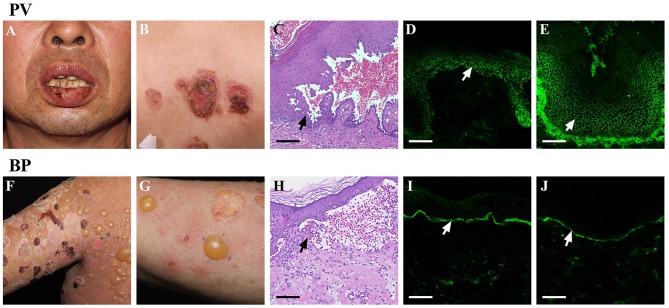
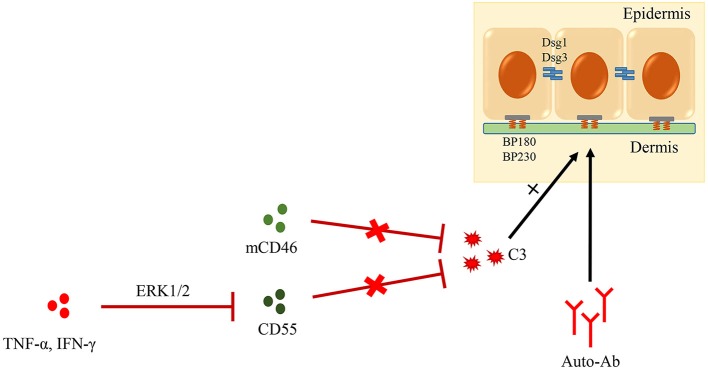
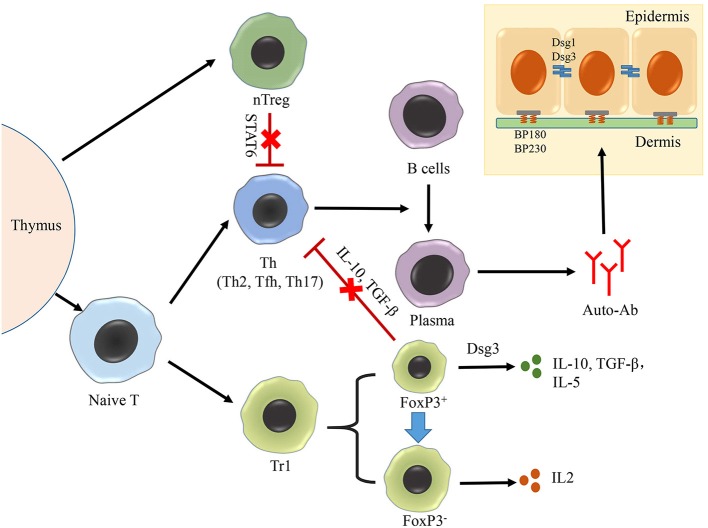
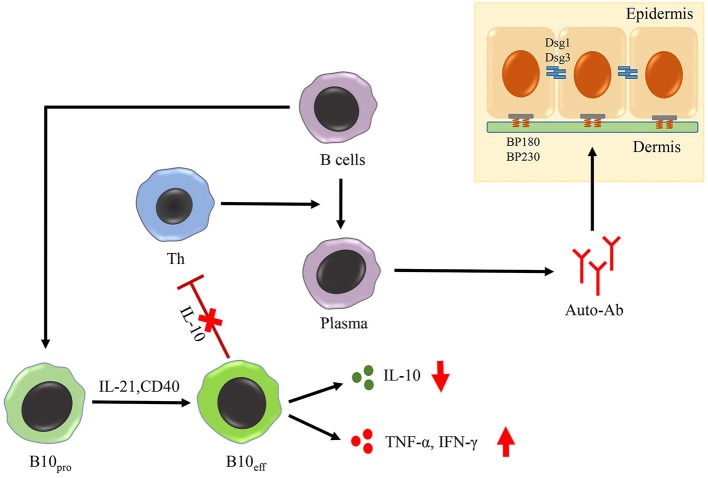
Autoimmune bullous dermatoses (AIBD) include a series of typical organ-specific autoimmune diseases characterized by extensive mucocutaneous blisters. It is generally accepted to be caused by pathological autoantibodies that directly target specific adhesion components of the skin or the adjacent mucous membranes. Both innate and adaptive immune systems are critically involved in the misguided immune response against self-antigens. Recent studies have indicated that the dysfunction of regulatory T cells, regulatory B cells, and complement regulatory proteins that play essential roles in maintaining a healthy immune environment is also closely related to immune disorders in AIBD. It is important to summarize these studies, elucidate the changes in these regulatory immune cells and molecules for the pathogenesis of AIBD, and reveal the mechanisms by which they lose their ability to regulate immune disorders. In this review, we highlight the role of regulatory immune cells and molecules in the pathogenesis of pemphigus vulgaris and bullous pemphigoid, the two most representative forms of AIBD, and indicate issues that should be addressed in future investigations.
自身免疫性大疱性皮肤病(AIBD)包括一系列以广泛黏膜水疱为特征的典型器官特异性自身免疫性疾病。一般认为,它是由病理性自身抗体引起的,这些自身抗体直接针对皮肤或相邻黏膜的特定黏附成分。固有和适应性免疫系统都在针对自身抗原的错误免疫反应中起着至关重要的作用。最近的研究表明,在维持健康免疫环境中发挥重要作用的调节性 T 细胞、调节性 B 细胞和补体调节蛋白的功能障碍也与 AIBD 中的免疫紊乱密切相关。总结这些研究,阐明这些调节性免疫细胞和分子在 AIBD 发病机制中的变化,并揭示它们丧失调节免疫紊乱能力的机制非常重要。在这篇综述中,我们重点介绍了调节性免疫细胞和分子在天疱疮和大疱性类天疱疮这两种最具代表性的 AIBD 形式发病机制中的作用,并指出了未来研究中应解决的问题。