Timmerman Nicole, Piqueras-Fiszman Betina
Marketing and Consumer Behaviour Group, Social Sciences, Wageningen University and Research, Hollandseweg 1, 6706 KN Wageningen, The Netherlands.
Foods. 2019 Aug 20;8(8):354. doi: 10.3390/foods8080354.
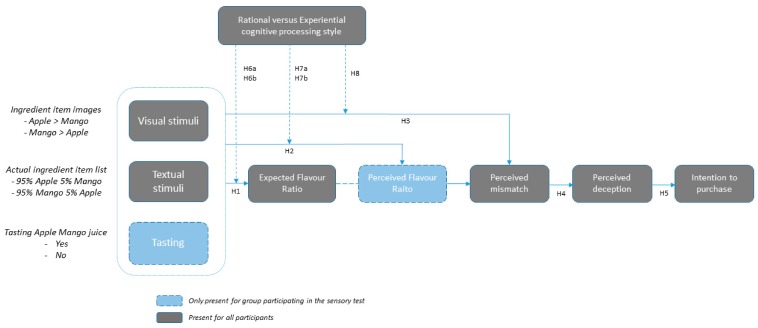
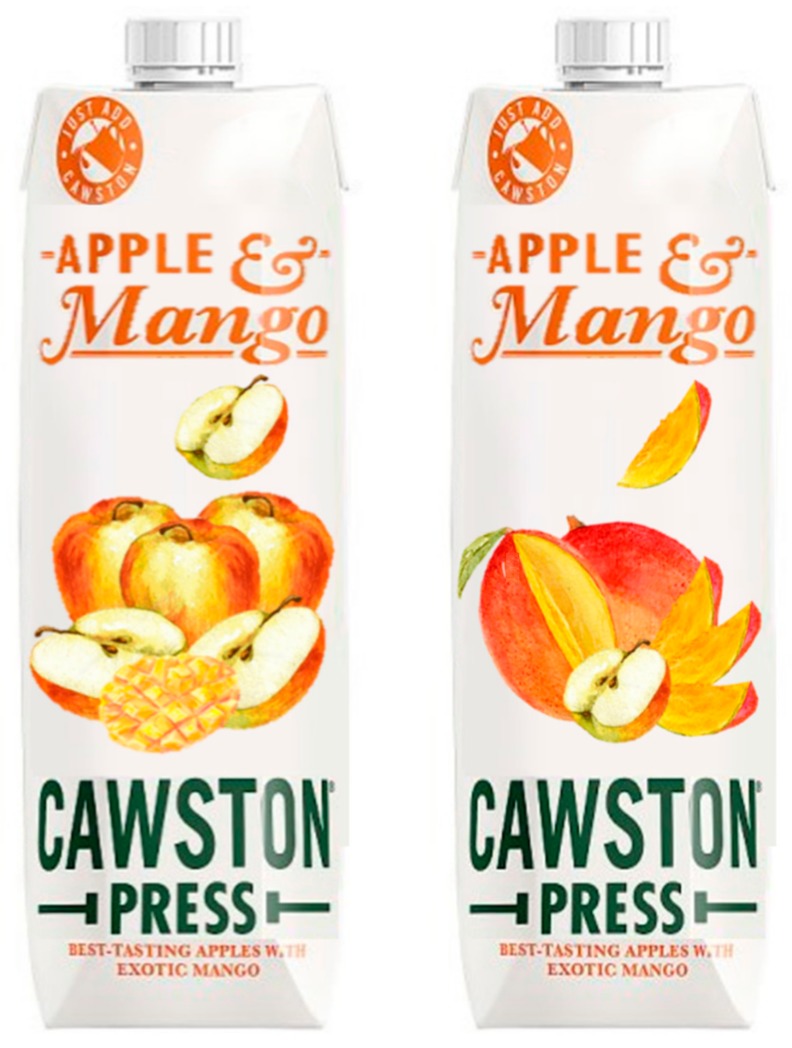
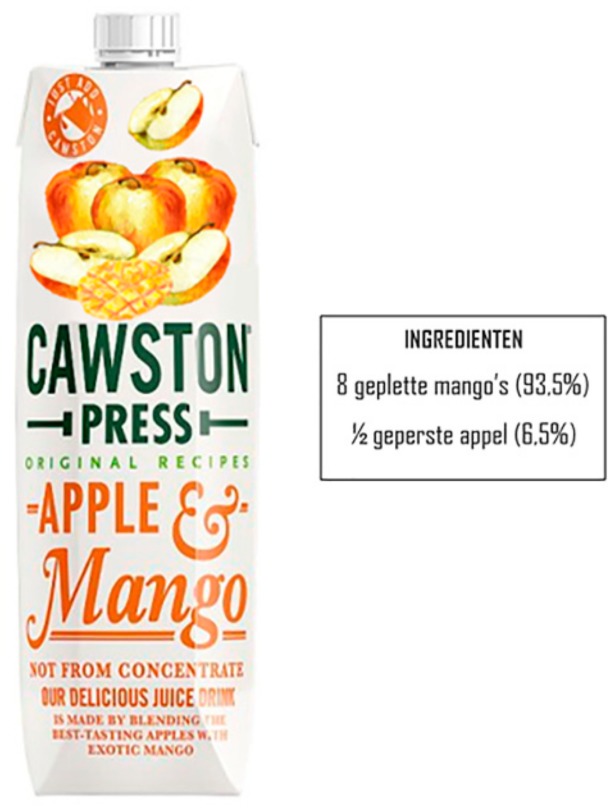
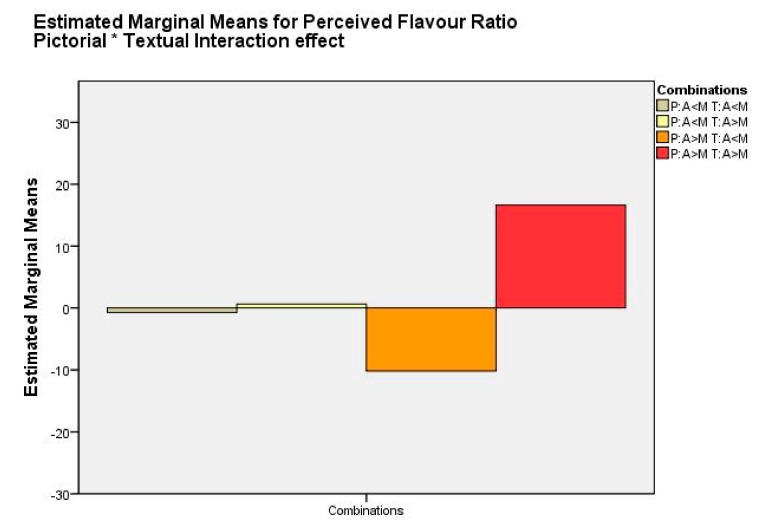
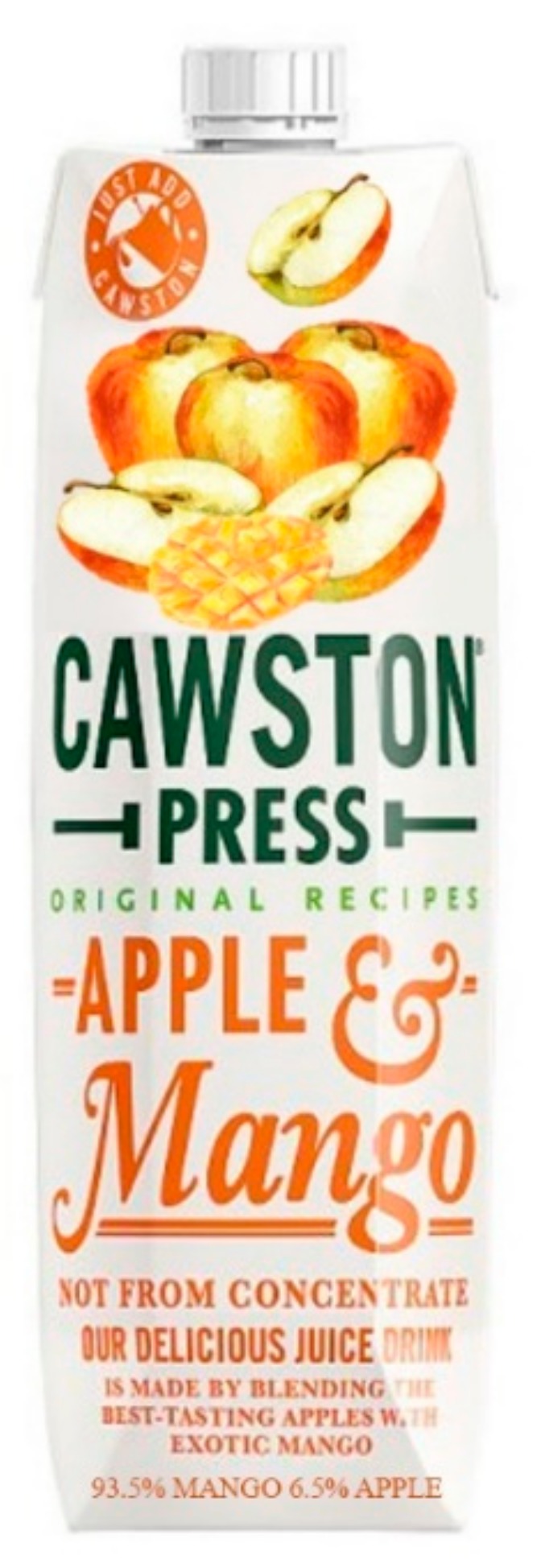
The current research focused on the (in)congruity between pictorial (ingredient item depiction) and textual (ingredient list) information on food packaging, namely, an apple-mango juice. Specifically, the influence of these information sources on expected and perceived flavor intensities, mismatched perceptions, perceived deception, and intention to purchase was studied by taking into account the possible moderating role of consumers' thinking style. Three studies were performed, the first and third at a Dutch University by means of surveys and sensory tests, and the second via an online survey. The results showed that, overall, most consumers did not perceive the incongruity between pictorial and textual information as mismatching. However, a perceived mismatch from packaging, whether originated by the design manipulations or not, did increase perceived deception and lowered willingness to purchase. This effect was robust for both mismatches, among packaging elements (pre-consumption) and from expected and perceived flavor ratios (post-consumption), but was more substantial for the post-consumption mismatch. Although the moderating effect of cognitive processing style regarding expected and perceived flavor ratios from pictorial and textual (ingredient list) information was not confirmed, the results indicated that the effect of salient textual information is substantial, independent of a particular processing style or label usage.
当前的研究聚焦于食品包装上的图片(成分项目描绘)与文字(成分列表)信息之间的(不)一致性,具体而言,是关于一款苹果芒果汁。具体来说,通过考虑消费者思维方式可能起到的调节作用,研究了这些信息来源对预期和感知到的风味强度、不匹配的认知、感知到的欺骗以及购买意愿的影响。进行了三项研究,第一项和第三项研究在一所荷兰大学通过调查和感官测试开展,第二项研究通过在线调查进行。结果显示,总体而言,大多数消费者并未将图片与文字信息之间的不一致视为不匹配。然而,无论是否源于设计操作,包装上感知到的不匹配确实会增加感知到的欺骗,并降低购买意愿。这种效应对于两种不匹配情况均很显著,一种是包装元素之间(消费前)的不匹配,另一种是预期与感知到的风味比例之间(消费后)的不匹配,但消费后的不匹配更为明显。尽管未证实认知加工方式对图片和文字(成分列表)信息的预期和感知到的风味比例有调节作用,但结果表明,显著的文字信息的影响很大,与特定的加工方式或标签使用无关。