Barchi Lorenzo, Acquadro Alberto, Alonso David, Aprea Giuseppe, Bassolino Laura, Demurtas Olivia, Ferrante Paola, Gramazio Pietro, Mini Paola, Portis Ezio, Scaglione Davide, Toppino Laura, Vilanova Santiago, Díez María José, Rotino Giuseppe Leonardo, Lanteri Sergio, Prohens Jaime, Giuliano Giovanni
DISAFA, University of Turin, Turin, Italy.
COMAV, Universitat Politècnica de Valencia, Valencia, Spain.
Front Plant Sci. 2019 Aug 7;10:1005. doi: 10.3389/fpls.2019.01005. eCollection 2019.
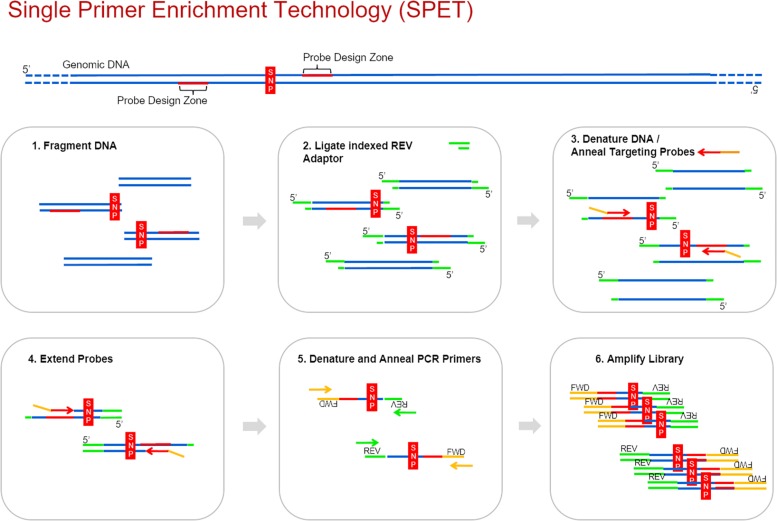
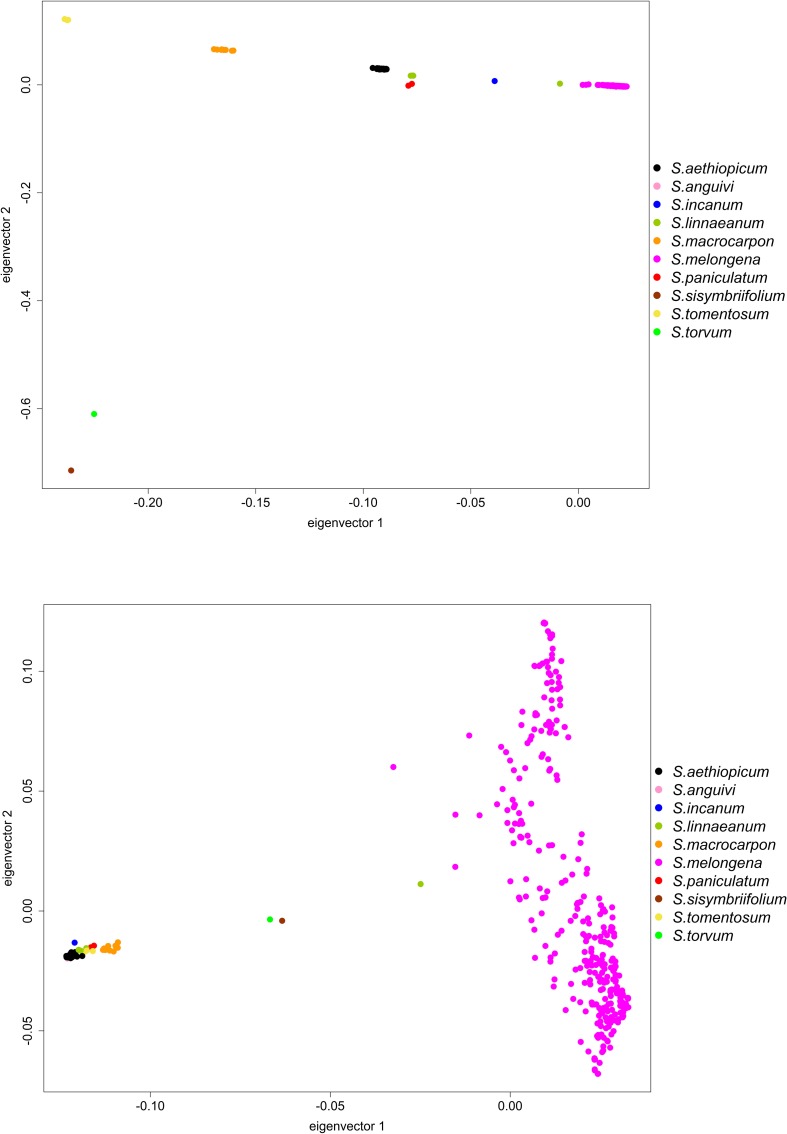
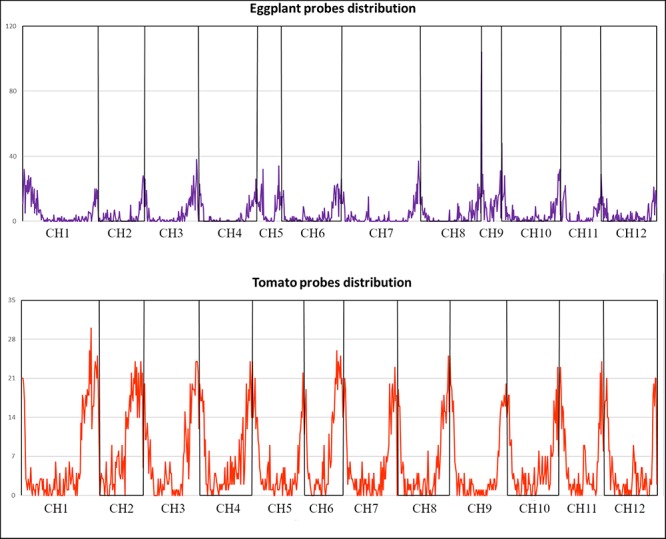
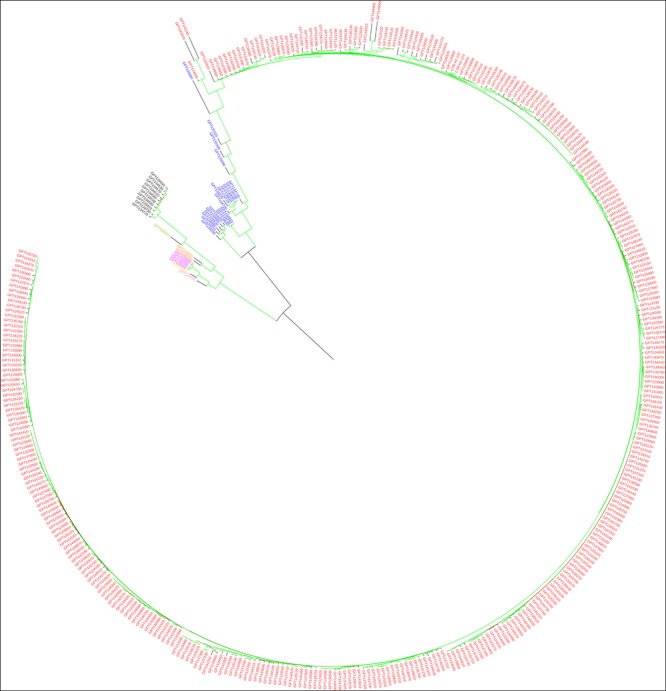
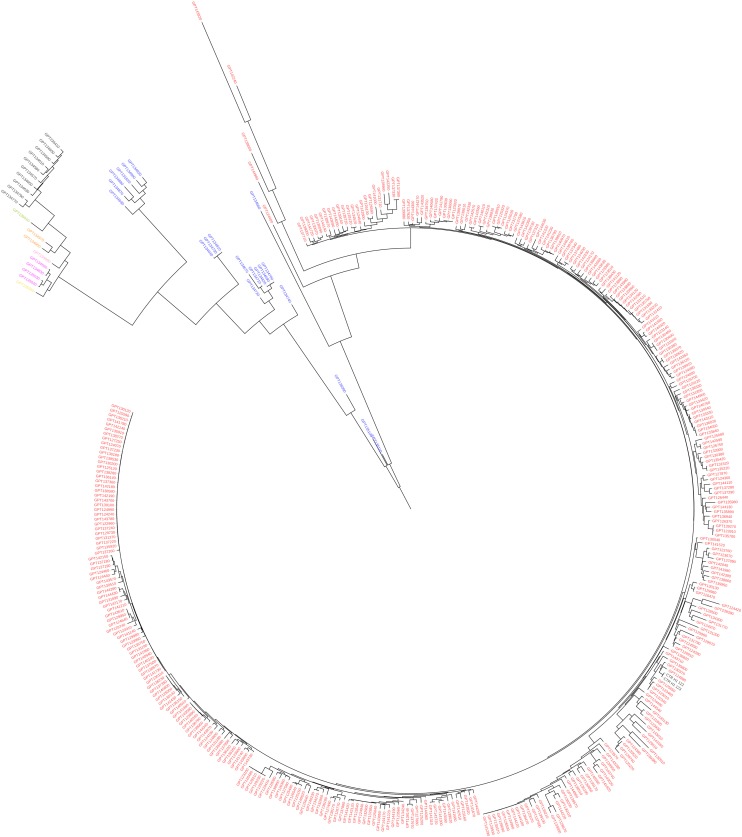
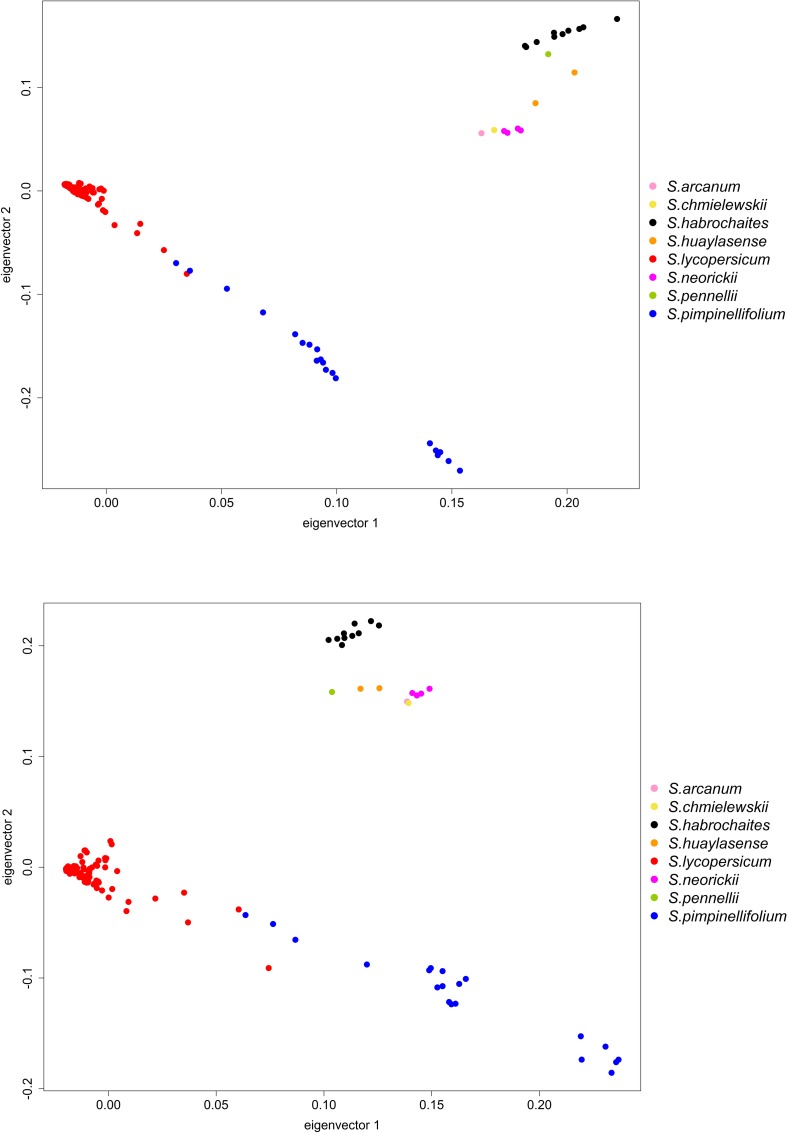
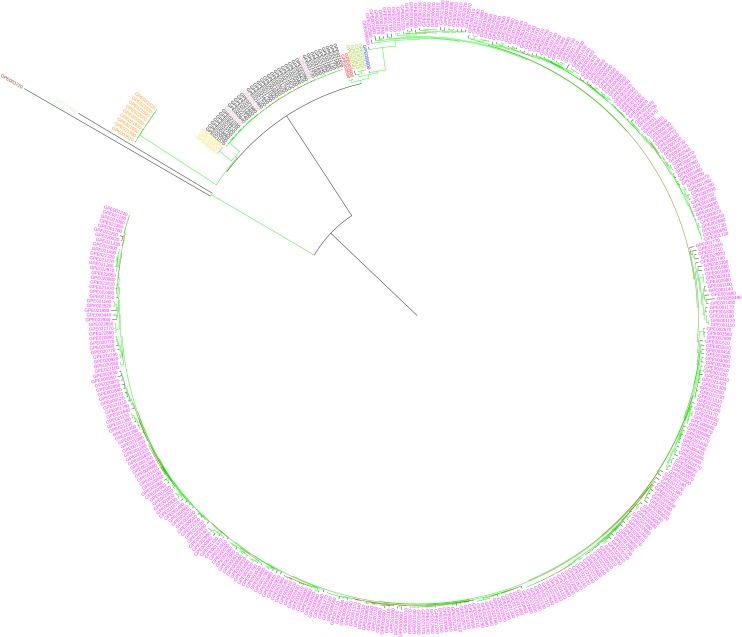
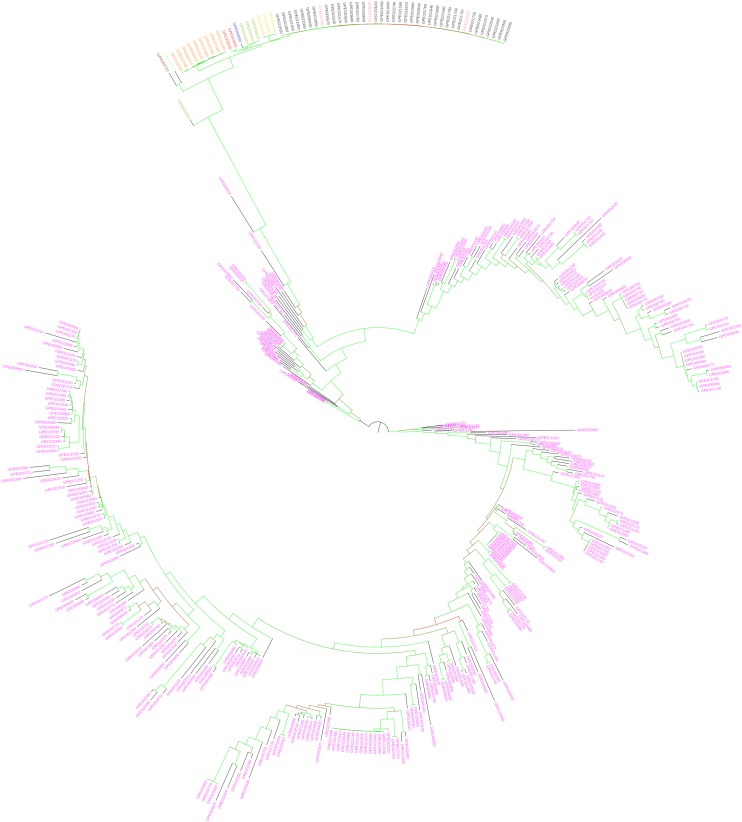
Single primer enrichment technology (SPET) is a new, robust, and customizable solution for targeted genotyping. Unlike genotyping by sequencing (GBS), and like DNA chips, SPET is a targeted genotyping technology, relying on the sequencing of a region flanking a primer. Its reliance on single primers, rather than on primer pairs, greatly simplifies panel design, and allows higher levels of multiplexing than PCR-based genotyping. Thanks to the sequencing of the regions surrounding the target SNP, SPET allows the discovery of thousands of closely linked, novel SNPs. In order to assess the potential of SPET for high-throughput genotyping in plants, a panel comprising 5k target SNPs, designed both on coding regions and introns/UTRs, was developed for tomato and eggplant. Genotyping of two panels composed of 400 tomato and 422 eggplant accessions, comprising both domesticated material and wild relatives, generated a total of 12,002 and 30,731 high confidence SNPs, respectively, which comprised both target and novel SNPs in an approximate ratio of 1:1.6, and 1:5.5 in tomato and eggplant, respectively. The vast majority of the markers was transferrable to related species that diverged up to 3.4 million years ago ( for tomato and for eggplant). Maximum Likelihood phylogenetic trees and PCA outputs obtained from the whole dataset highlighted genetic relationships among accessions and species which were congruent with what was previously reported in literature. Better discrimination among domesticated accessions was achieved by using the target SNPs, while better discrimination among wild species was achieved using the whole SNP dataset. Our results reveal that SPET genotyping is a robust, high-throughput technology for genetic fingerprinting, with a high degree of cross-transferability between crops and their cultivated and wild relatives, and allows identification of duplicates and mislabeled accessions in genebanks.
单引物富集技术(SPET)是一种用于靶向基因分型的新型、强大且可定制的解决方案。与测序基因分型(GBS)不同,与DNA芯片类似,SPET是一种靶向基因分型技术,依赖于引物侧翼区域的测序。它依赖单引物而非引物对,极大地简化了引物组设计,并允许比基于PCR的基因分型更高水平的多重分析。由于对目标SNP周围区域进行了测序,SPET能够发现数千个紧密连锁的新SNP。为了评估SPET在植物高通量基因分型中的潜力,针对番茄和茄子开发了一个包含5k个目标SNP的引物组,这些SNP设计在编码区以及内含子/非翻译区。对由400份番茄和422份茄子种质组成的两个引物组进行基因分型,这些种质包括驯化材料和野生近缘种,分别产生了总共12002个和30731个高可信度SNP,在番茄和茄子中,目标SNP与新SNP的比例分别约为1:1.6和1:5.5。绝大多数标记可转移到分歧时间达340万年前的相关物种(番茄和茄子)。从整个数据集获得的最大似然系统发育树和主成分分析结果突出了种质和物种之间的遗传关系,这与之前文献报道的一致。使用目标SNP能更好地区分驯化种质,而使用整个SNP数据集能更好地区分野生种。我们的结果表明,SPET基因分型是一种用于遗传指纹分析的强大的高通量技术,在作物及其栽培和野生近缘种之间具有高度的交叉转移性,并能够识别基因库中的重复和错误标记的种质。