Toledo Camilo, Lucero Claudia, Andrade David C, Díaz Hugo S, Schwarz Karla G, Pereyra Katherin V, Arce-Álvarez Alexis, López Nicolás A, Martinez Milka, Inestrosa Nibaldo C, Del Rio Rodrigo
Laboratory of Cardiorespiratory Control, Department of Physiology, Pontificia Universidad Católica de Chile, Santiago, Chile.
Centro de Excelencia de Biomedicina en Magallanes (CEBIMA), Universidad de Magallanes, Punta Arenas, Chile.
Aging (Albany NY). 2019 Aug 25;11(16):5924-5942. doi: 10.18632/aging.102150.
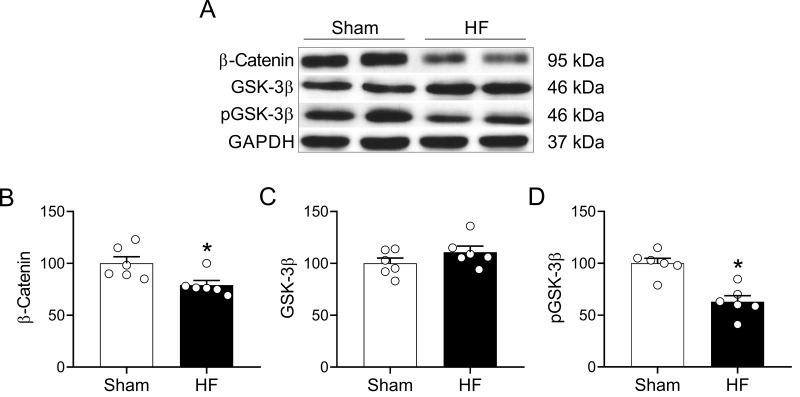
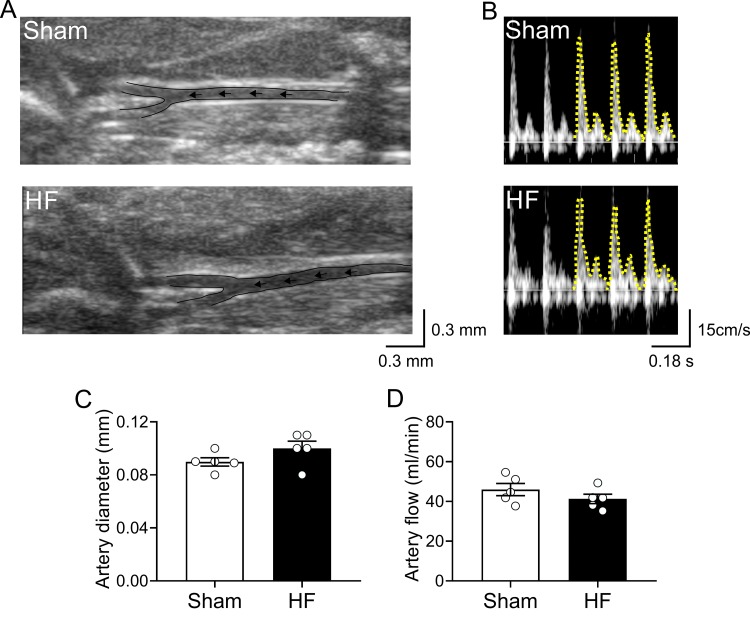
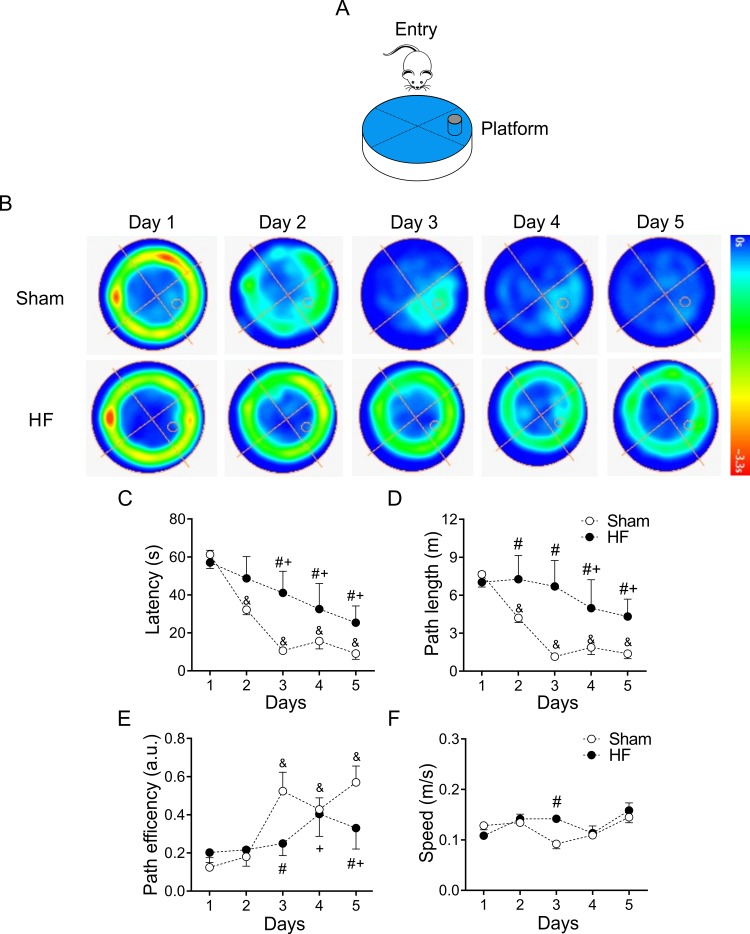
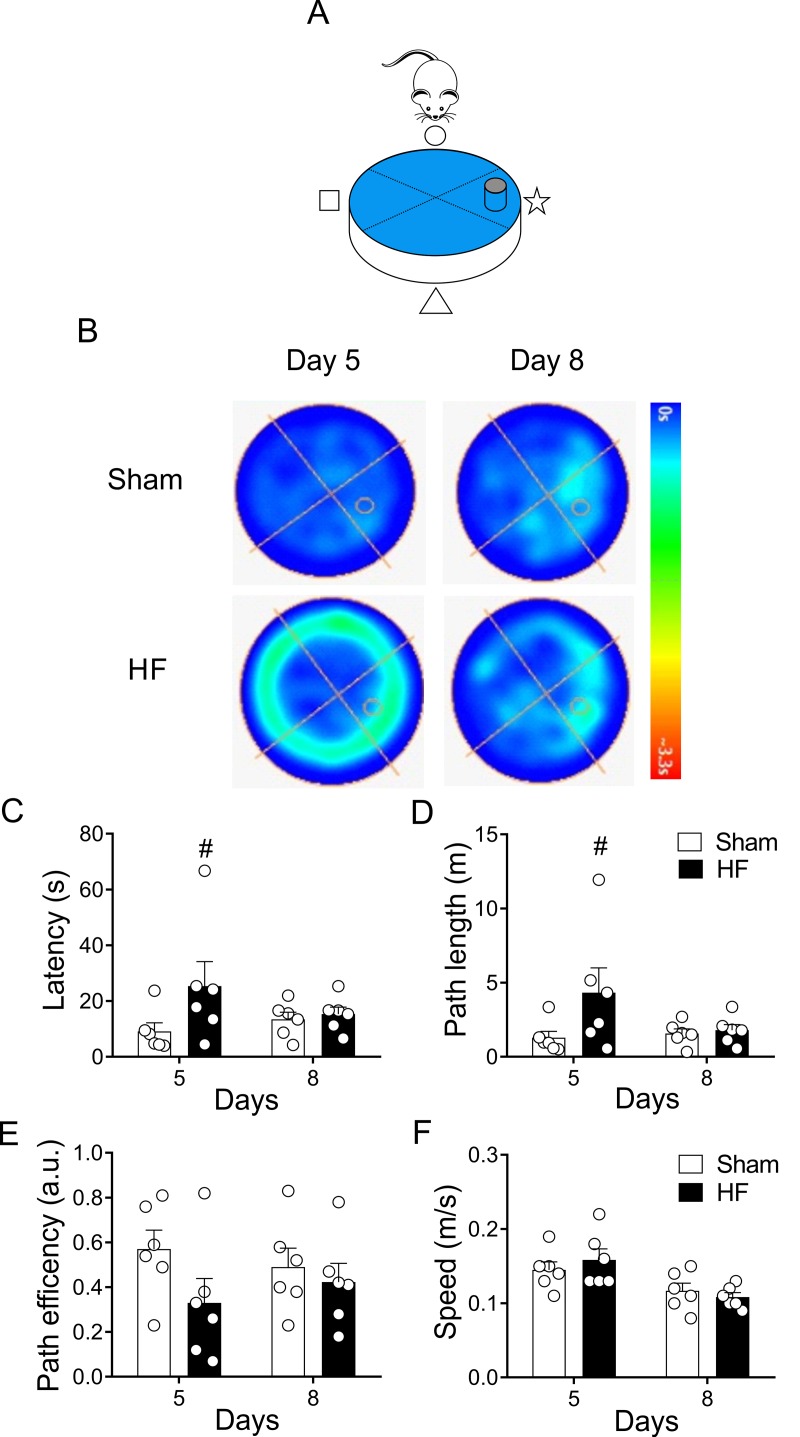
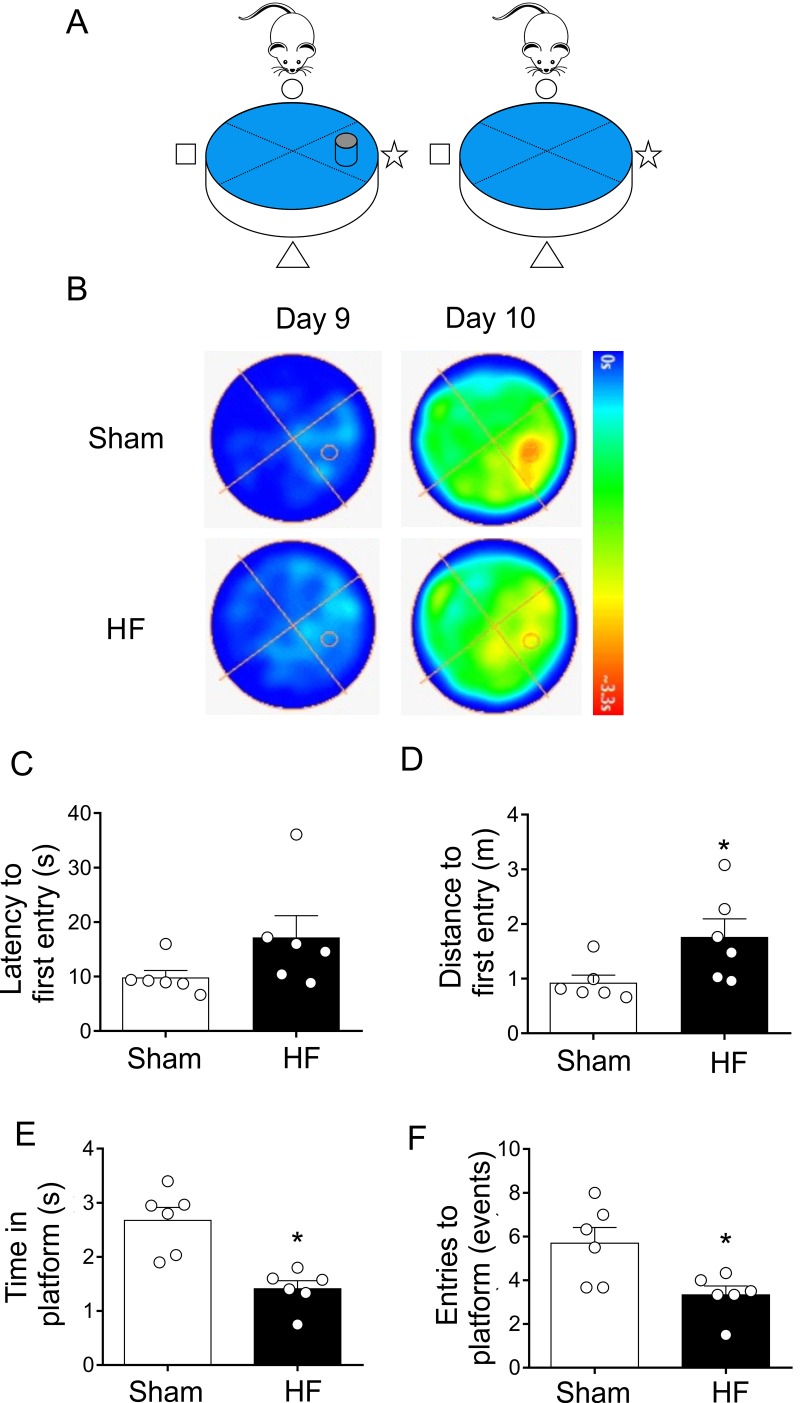
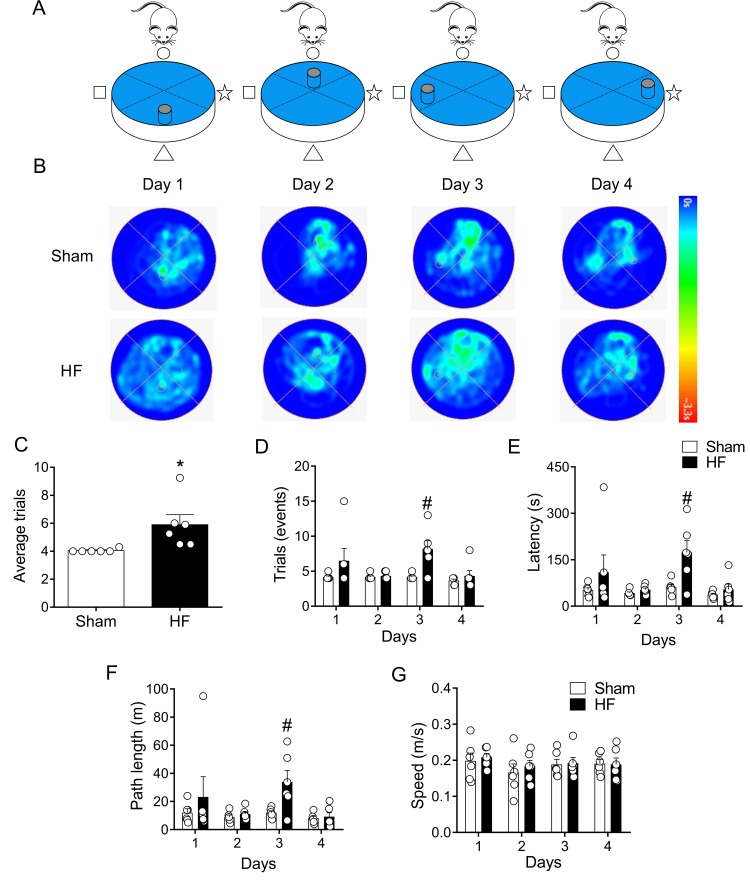
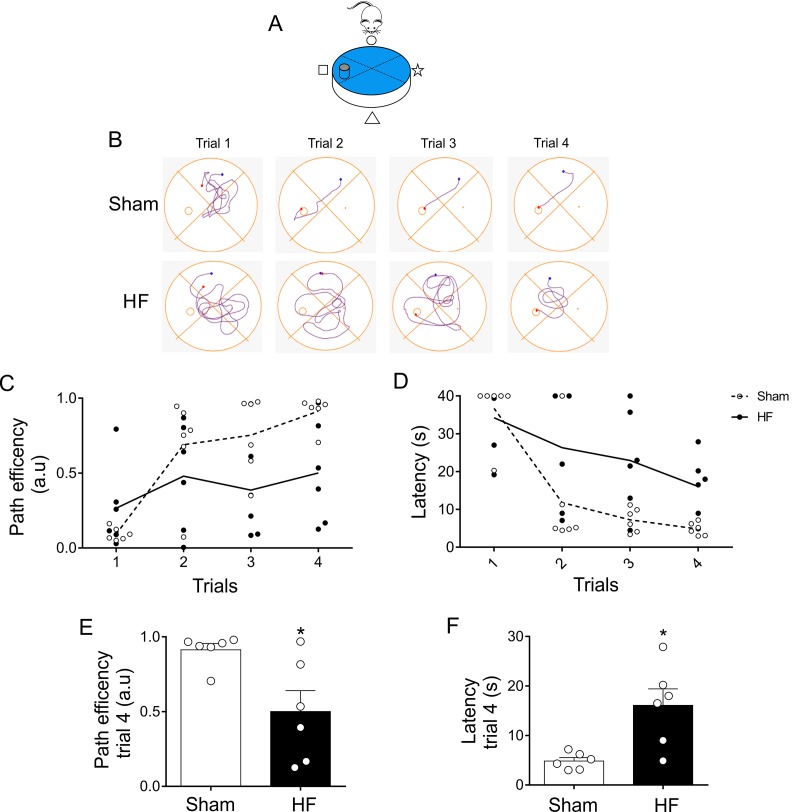
Age represents the highest risk factor for death due to cardiovascular disease. Heart failure (HF) is the most common cardiovascular disease in elder population and it is associated with cognitive impairment (CI), diminishing learning and memory process affecting life quality and mortality in these patients. In HF, CI has been associated with inadequate O supply to the brain; however, an important subset of HF patients displays CI with almost no alteration in cerebral blood flow. Importantly, nothing is known about the pathophysiological mechanisms underpinning CI in HF with no change in brain tissue perfusion. Here, we aimed to study memory performance and learning function in a rodent model of HF that shows no change in blood flow going to the brain. We found that HF rats presented learning impairments and memory loss. In addition, HF rats displayed a decreased level of Wnt/β-catenin signaling downstream elements in the hippocampus, one pathway implicated largely in aging diseases. Taken together, our results suggest that in HF rats CI is associated with dysfunction of the Wnt/β-catenin signaling pathway. The mechanisms involved in the alterations of Wnt/β-catenin signaling in HF and its contribution to the development/maintenance of CI deserves future investigations.
年龄是心血管疾病导致死亡的最高风险因素。心力衰竭(HF)是老年人群中最常见的心血管疾病,它与认知障碍(CI)相关,会影响学习和记忆过程,进而影响这些患者的生活质量和死亡率。在心力衰竭中,认知障碍与大脑氧气供应不足有关;然而,相当一部分心力衰竭患者表现出认知障碍,但其脑血流量几乎没有变化。重要的是,对于脑组织灌注无变化的心力衰竭患者认知障碍的病理生理机制尚不清楚。在此,我们旨在研究在脑血流量无变化的心力衰竭啮齿动物模型中的记忆表现和学习功能。我们发现心力衰竭大鼠存在学习障碍和记忆丧失。此外,心力衰竭大鼠海马体中Wnt/β-连环蛋白信号通路下游元件水平降低,这是一条在衰老疾病中起主要作用的信号通路。综上所述,我们的结果表明,在心力衰竭大鼠中,认知障碍与Wnt/β-连环蛋白信号通路功能障碍有关。心力衰竭中Wnt/β-连环蛋白信号改变的机制及其对认知障碍发生/维持的作用值得未来进一步研究。