Loi Eleonora, Moi Loredana, Fadda Antonio, Satta Giannina, Zucca Mariagrazia, Sanna Sonia, Amini Nia Shadi, Cabras Giuseppina, Padoan Marina, Magnani Corrado, Miligi Lucia, Piro Sara, Gentilini Davide, Ennas Maria Grazia, Southey Melissa C, Giles Graham G, Wong Doo Nicole, Cocco Pierluigi, Zavattari Patrizia
Department of Biomedical Sciences, Unit of Biology and Genetics, University of Cagliari, Cagliari, Italy.
Department of Medical Sciences and Public Health, Occupational Health Unit, University of Cagliari, Cagliari, Italy.
Oncotarget. 2019 Aug 13;10(48):4987-5002. doi: 10.18632/oncotarget.27080.
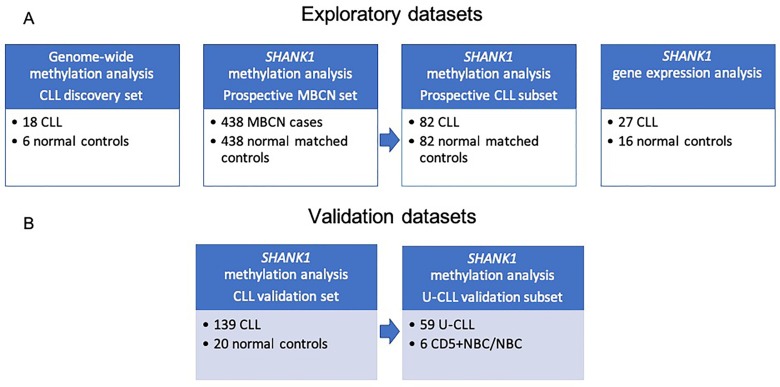
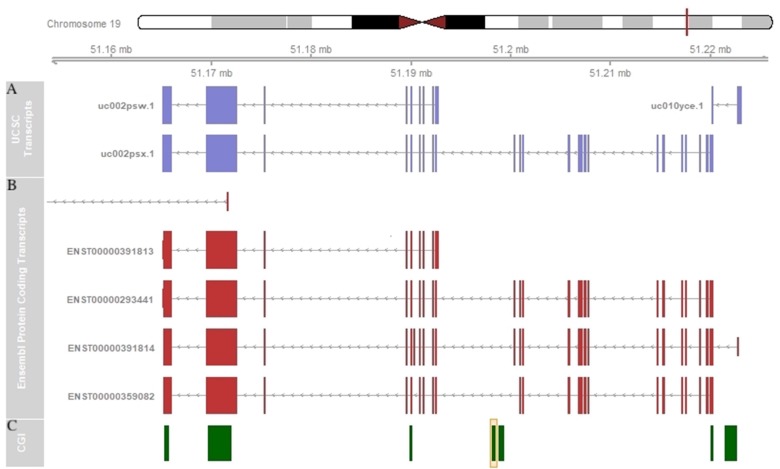
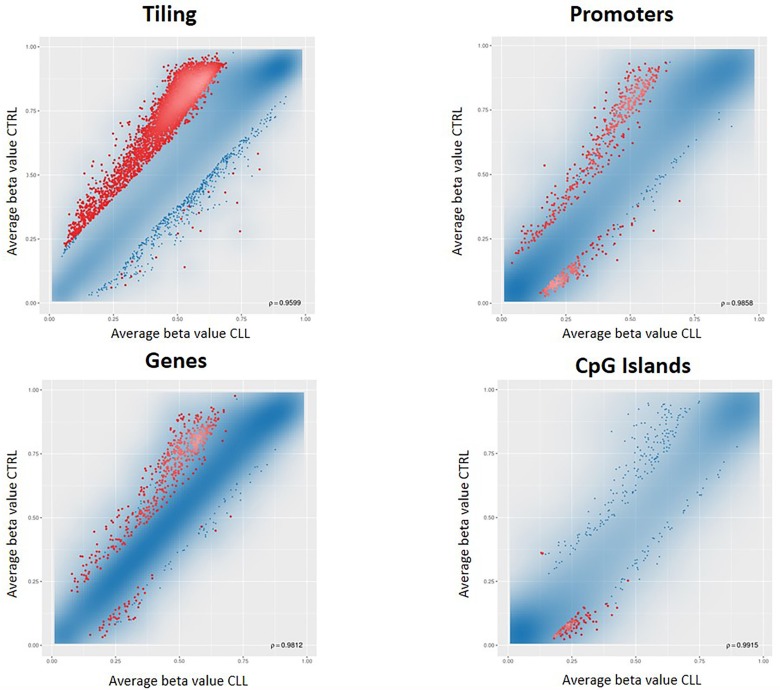
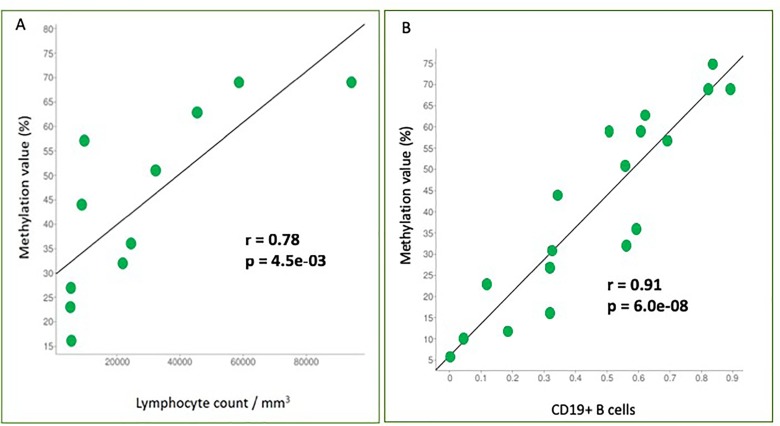
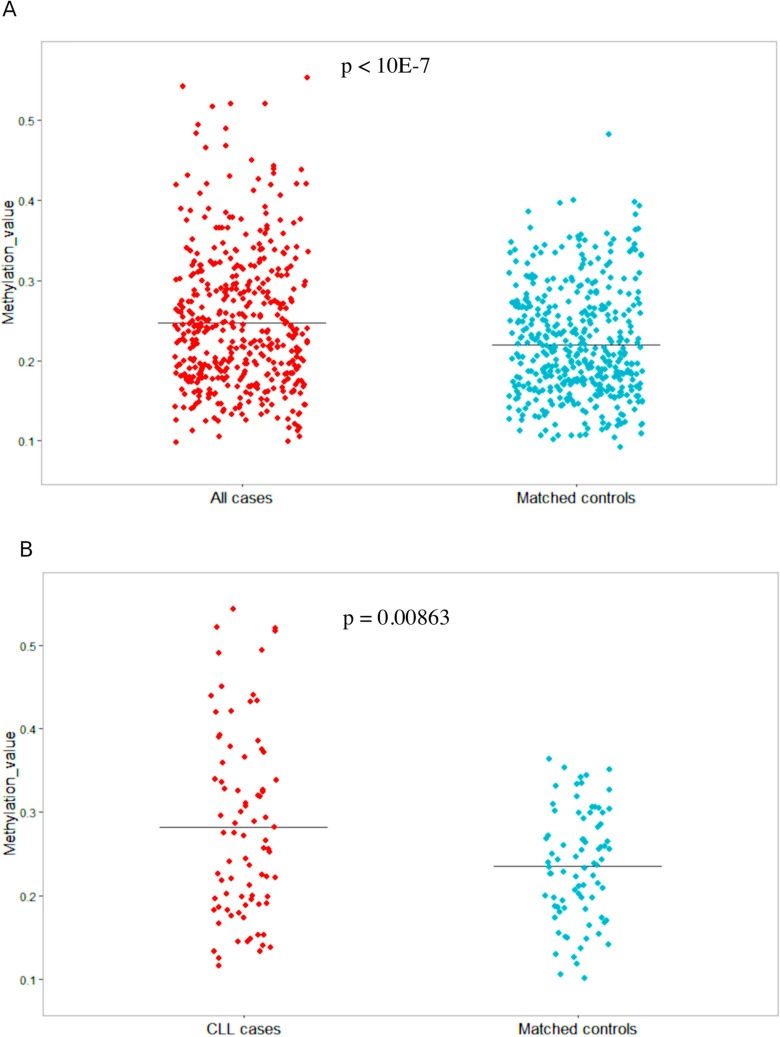
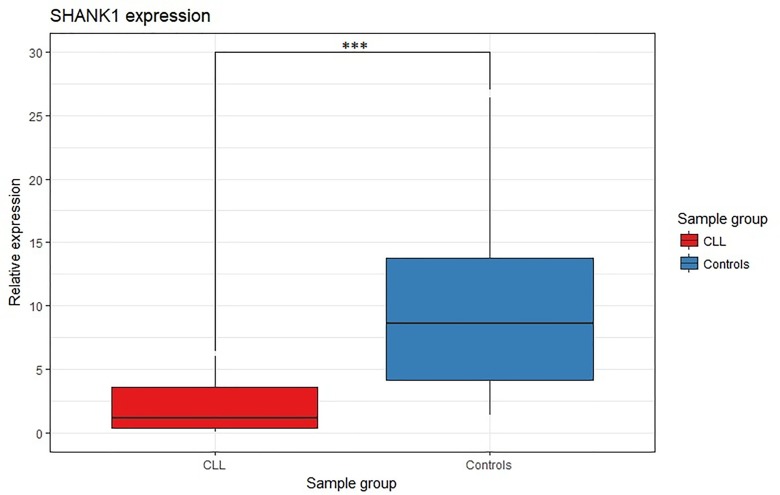
Chronic lymphocytic leukemia (CLL) is a clinically heterogeneous disease characterized by the clonal expansion of malignant B cells. To predict the clinical course of the disease, the identification of diagnostic biomarkers is urgently needed. Aberrant methylation patterns may predict CLL development and its course, being very early changes during carcinogenesis. Our aim was to identify CLL specific methylation patterns and to evaluate whether methylation aberrations in selected genes are associated with changes in gene expression. Here, by performing a genome-wide methylation analysis, we identified several CLL-specific methylation alterations. We focused on the most altered one, at a CpG island located in the body of gene, in our CLL cases compared to healthy controls. This methylation alteration was successfully validated in a larger cohort including 139 CLL and 20 control samples. We also found a positive correlation between methylation level and absolute lymphocyte count, in particular CD19+ B cells, in CLL patients. Moreover, we were able to detect gains of methylation at in blood samples collected years prior to diagnosis. Overall, our results suggest methylation alteration at this CpG island as a biomarker for risk and diagnosis of CLL, and also in the personalized quantification of tumor aggressiveness.
慢性淋巴细胞白血病(CLL)是一种临床异质性疾病,其特征为恶性B细胞的克隆性扩增。为预测该疾病的临床进程,迫切需要鉴定诊断生物标志物。异常甲基化模式可能预测CLL的发生及其进程,是致癌过程中非常早期的变化。我们的目的是鉴定CLL特异性甲基化模式,并评估所选基因中的甲基化异常是否与基因表达变化相关。在此,通过进行全基因组甲基化分析,我们鉴定了几种CLL特异性甲基化改变。与健康对照相比,在我们的CLL病例中,我们聚焦于位于基因主体的一个CpG岛处改变最为明显的甲基化。这种甲基化改变在一个更大的队列中成功得到验证,该队列包括139例CLL和20例对照样本。我们还发现CLL患者中该甲基化水平与绝对淋巴细胞计数,特别是CD19+B细胞之间存在正相关。此外,我们能够在诊断前数年采集的血液样本中检测到该位点甲基化增加。总体而言,我们的结果表明该CpG岛处的甲基化改变可作为CLL风险和诊断的生物标志物,也可用于肿瘤侵袭性的个性化定量分析。