Department of Psychology, Université de Fribourg, Fribourg/Freiburg, Switzerland.
Laboratory of Behavioral Genetics, Brain Mind Institute, School of Life Sciences, École Polytechnique Fédérale de Lausanne (EPFL), Lausanne, Switzerland.
PLoS One. 2019 Sep 4;14(9):e0211668. doi: 10.1371/journal.pone.0211668. eCollection 2019.
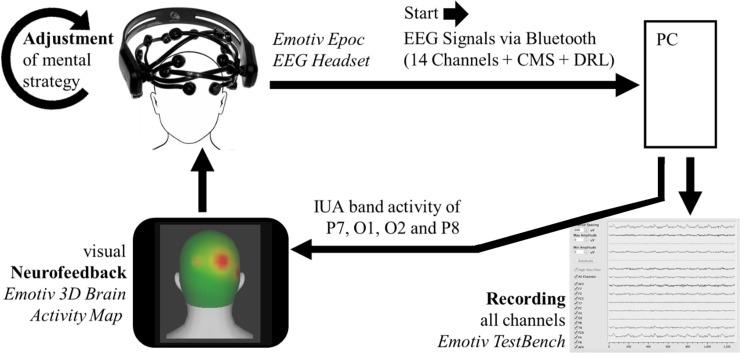
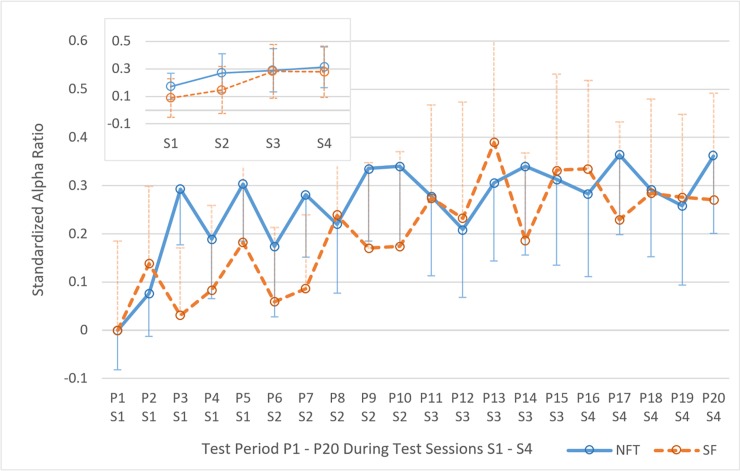
Findings of recent studies indicate that it is possible to enhance cognitive capacities of healthy individuals by means of individual upper alpha neurofeedback training (NFT). Although these results are promising, most of this research was conducted based on high-priced EEG systems developed for clinical and research purposes. This study addresses the question whether such effects can also be shown with an easy to use and comparably low-priced Emotiv Epoc EEG headset available for the average consumer. In addition, critical voices were raised regarding the control group designs of studies addressing the link between neurofeedback training and cognitive performance. Based on an extensive literature review revealing considerable methodological issues in an important part of the existing research, the present study addressed the question whether individual upper alpha neurofeedback has a positive effect on alpha amplitudes (i.e. increases alpha amplitudes) and short-term memory performance focussing on a methodologically sound, single-blinded, sham controlled design.
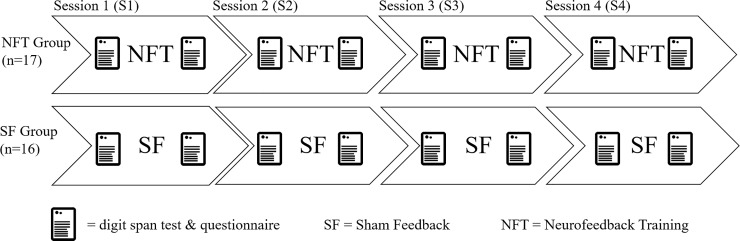
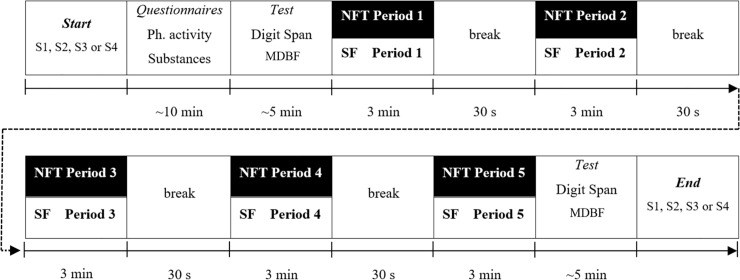
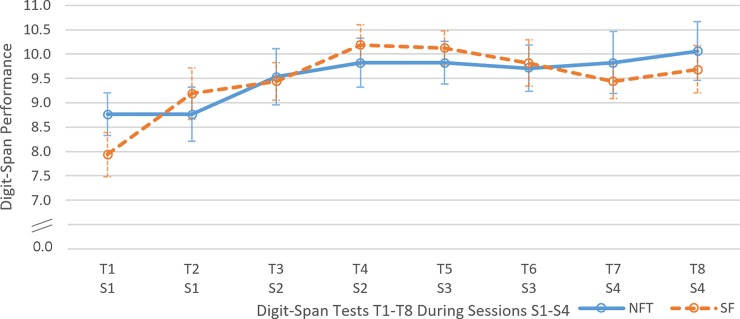
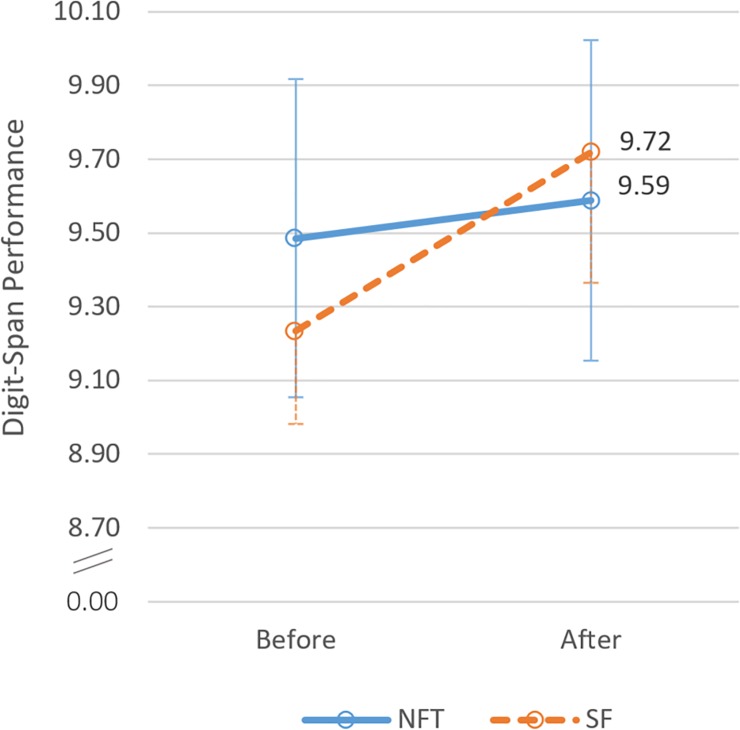
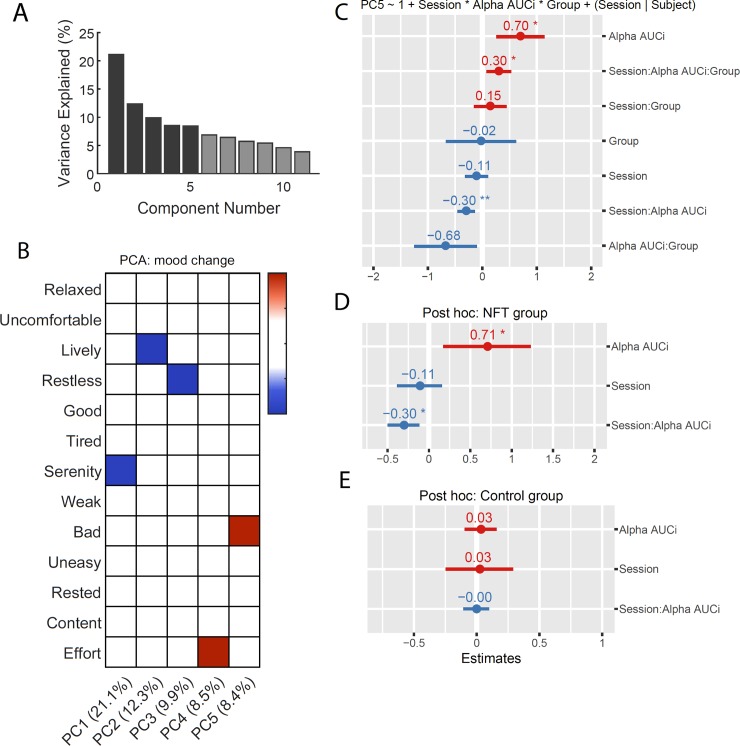
Participants (N = 33) took part in four test sessions over four consecutive days of either neurofeedback training (NFT group) or sham feedback (SF group). In the NFT group, five three-minute periods of visual neurofeedback training were administered each day whereas in the SF group (control group), the same amount of sham feedback was presented. Performance on eight digit-span tests as well as participants' affective states were assessed before and after each of the daily training sessions.
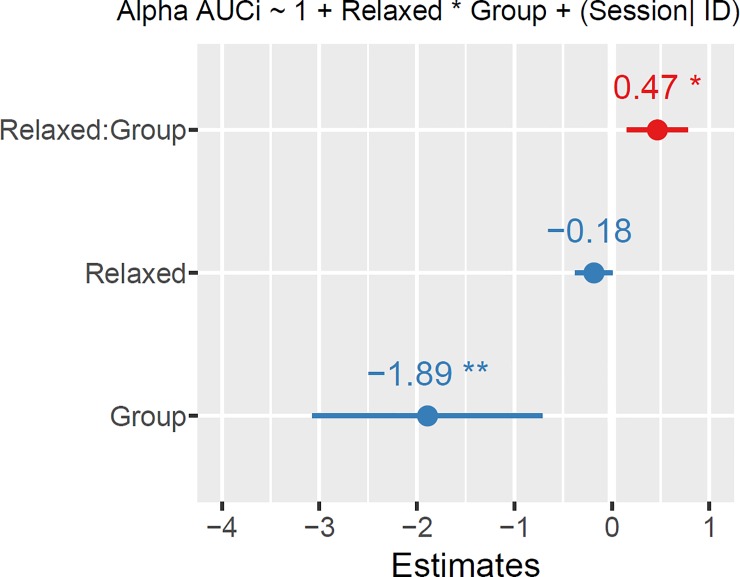
NFT did not show an effect on individual upper alpha and cognitive performance. While performance increased in both groups over the course of time, this effect could not be explained by changes in individual upper alpha. Additional analyses however revealed that participants in the NFT group showed faster and larger increase in alpha compared to the SF group. Surprisingly, exploratory analyses showed a significant correlation between the initial alpha level and the alpha improvement during the course of the study. This finding suggests that participants with high initial alpha levels benefit more from alpha NFT interventions. In the discussion, the appearance of the alpha enhancement in the SF group and possible reasons for the absence of a connection between NFT and short-term memory are addressed.
最近的研究结果表明,通过个体阿尔法神经反馈训练(NFT)有可能增强健康个体的认知能力。尽管这些结果很有希望,但大多数此类研究都是基于专为临床和研究目的而开发的昂贵 EEG 系统进行的。本研究旨在探讨使用价格相对较低、易于使用的 Emotiv Epoc EEG 耳机是否也可以产生类似的效果,这种耳机可供普通消费者使用。此外,针对神经反馈训练与认知表现之间联系的研究,有批评声音对其对照组设计提出质疑。基于广泛的文献综述,揭示了现有研究中相当一部分存在方法学问题,本研究针对个体阿尔法神经反馈是否对阿尔法振幅(即增加阿尔法振幅)和短期记忆表现有积极影响这一问题,重点关注方法合理、单盲、假控制设计。
参与者(N=33)在四天的连续时间内参加了四次测试,分别为神经反馈训练(NFT 组)或假反馈(SF 组)。在 NFT 组中,每天进行五次三分钟的视觉神经反馈训练,而在 SF 组(对照组)中,呈现相同数量的假反馈。在每天的训练课程前后,评估了八次数字跨度测试的表现以及参与者的情感状态。
NFT 对个体阿尔法和认知表现没有影响。虽然两个组的表现都随着时间的推移而提高,但这一效应不能用个体阿尔法的变化来解释。然而,进一步的分析表明,NFT 组的参与者的阿尔法增加速度更快,幅度更大。令人惊讶的是,探索性分析显示,初始阿尔法水平与研究过程中阿尔法改善之间存在显著相关性。这一发现表明,初始阿尔法水平较高的参与者从阿尔法 NFT 干预中获益更多。在讨论部分,探讨了 SF 组中阿尔法增强的出现以及 NFT 与短期记忆之间缺乏联系的可能原因。