Zhou Yang, Wang Xiao, Ying Weihai, Wu Danhong, Zhong Ping
Bengbu Medical College, Bengbu, China.
Department of Neurology, Shanghai Traditional Chinese and Western Medicine Hospital, Shanghai University of Traditional Chinese Medicine, Shanghai, China.
Front Neurosci. 2019 Aug 21;13:852. doi: 10.3389/fnins.2019.00852. eCollection 2019.
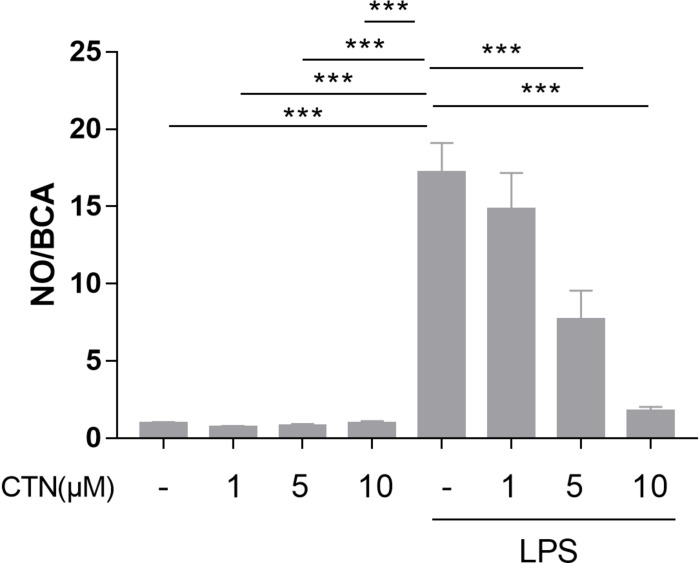
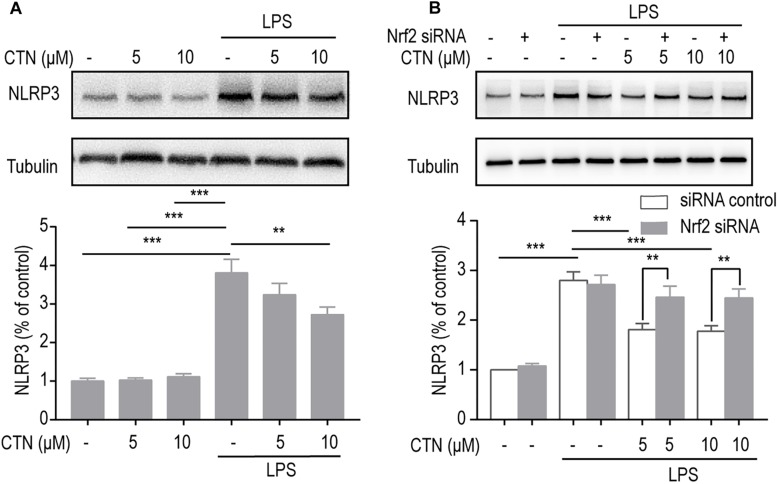
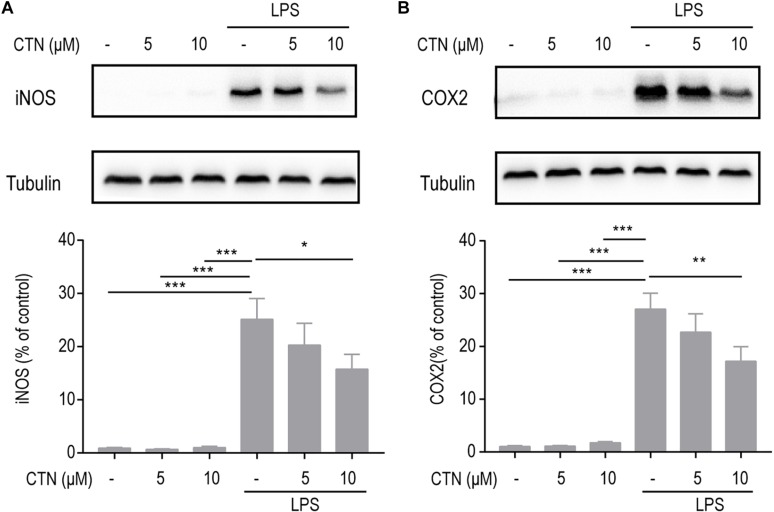
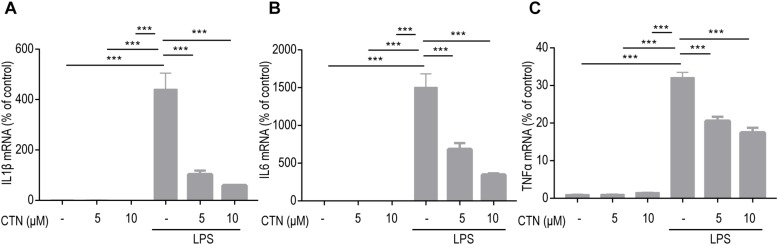
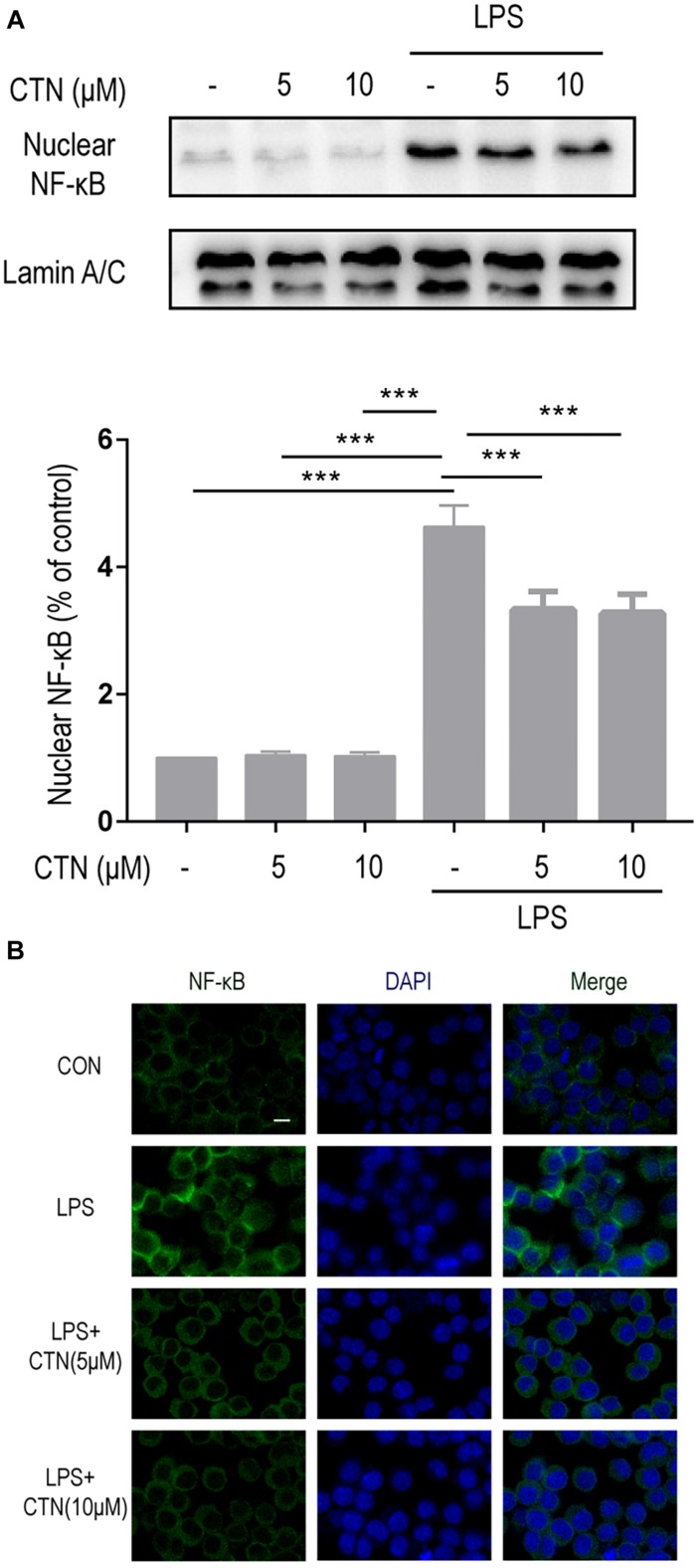
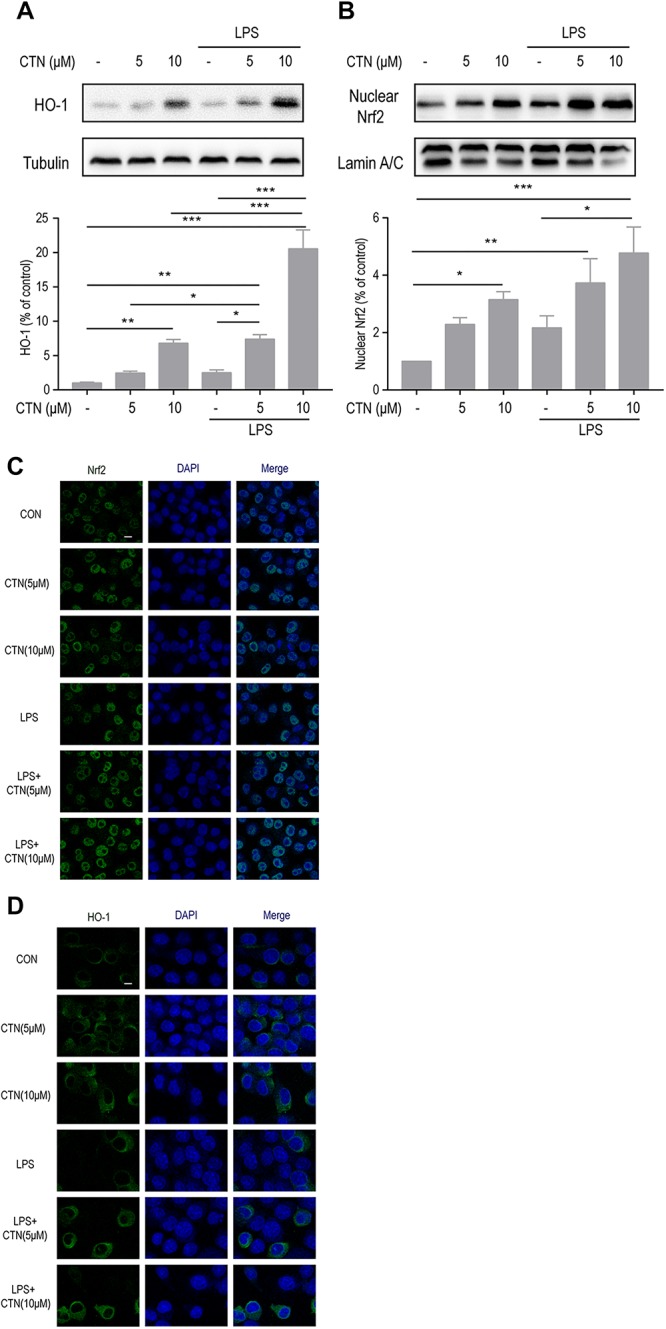
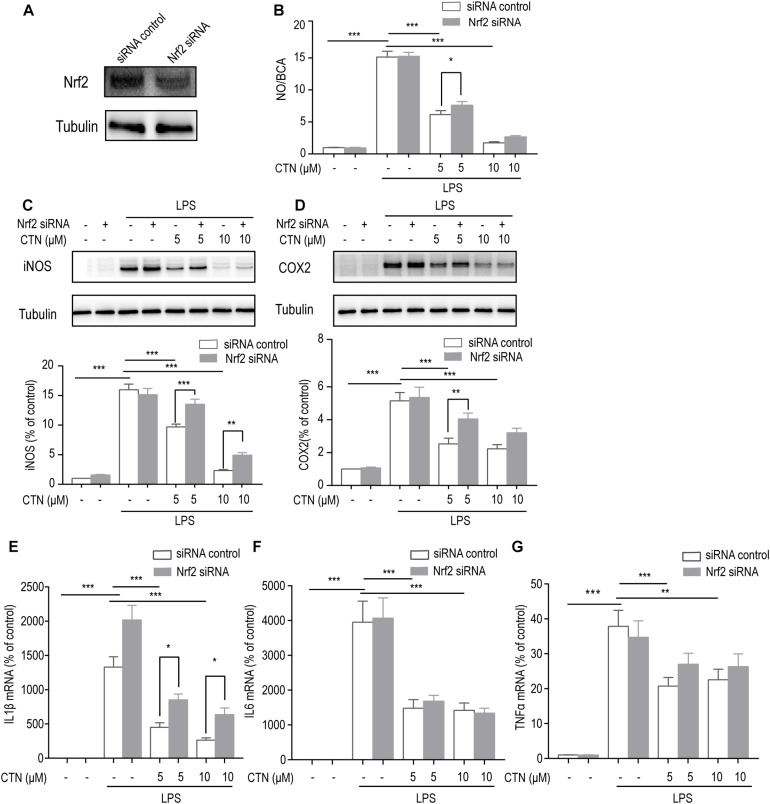
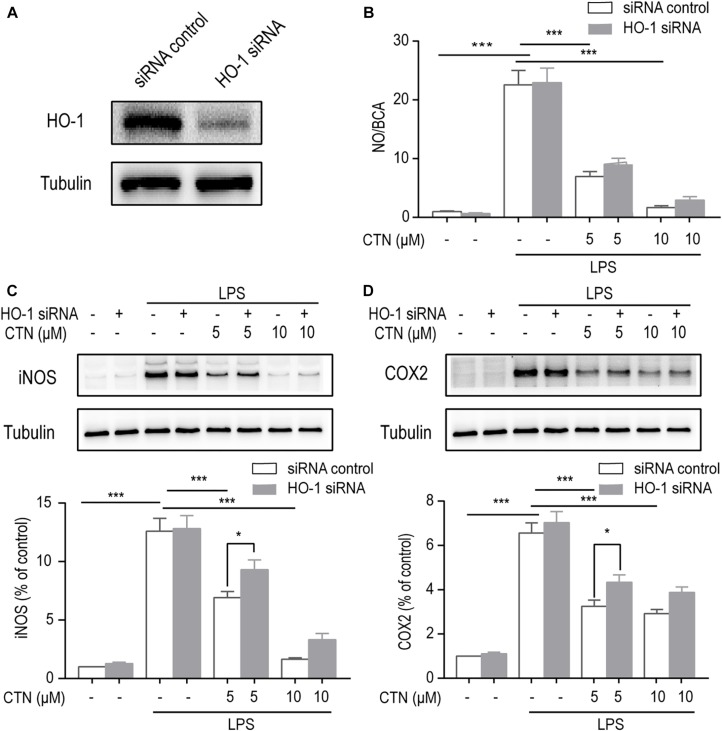
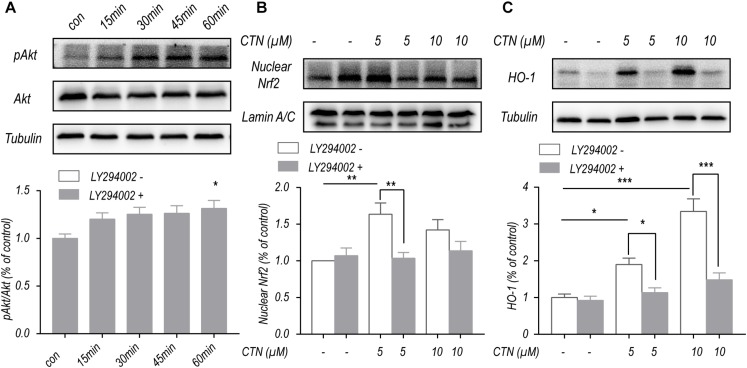
Cryptotanshinone (CTN), a monomer compound extracted from the dried roots and rhizomes of Bge, has a variety of pharmacological effects. However, little research has been done on the mechanism of CTN in attenuating neuroinflammation. The present study aimed to investigate whether CTN can ameliorate neuroinflammation induced by lipopolysaccharide (LPS) through the Nrf2/heme-oxygenase 1 (HO-1) signaling pathway in BV-2 microglial cells. We found that CTN attenuated the upregulated expression of inducible nitric oxide synthase, cyclooxygenase 2, NOD-like receptor pyrin domains-3, and nitric oxide induced by LPS in microglial cells. In addition, it curtailed the increased release of pro-inflammatory cytokines such as interleukin-1β (IL-1β), IL-6, and tumor necrosis factor-α in LPS-activated microglial cells. Furthermore, CTN significantly increased the levels of NF-κB, Nrf2, HO-1, and Akt proteins. We demonstrated that the anti-inflammatory action of CTN in BV-2 microglial cells was partially through the activation of the Nrf2/HO-1 pathway, which was regulated by the PI3K/Akt signaling pathway. Taken together, our results indicated that CTN downregulated the production and release of proinflammatory mediators in BV-2 microglial cells through activating the Nrf2/HO-1 pathway and subsequently protected neurons from inflammatory injury.
隐丹参酮(CTN)是从丹参干燥根及根茎中提取的单体化合物,具有多种药理作用。然而,关于CTN减轻神经炎症的机制研究较少。本研究旨在探讨CTN是否能通过BV-2小胶质细胞中的Nrf2/血红素加氧酶1(HO-1)信号通路改善脂多糖(LPS)诱导的神经炎症。我们发现CTN可减轻小胶质细胞中LPS诱导的诱导型一氧化氮合酶、环氧化酶2、NOD样受体含pyrin结构域蛋白3的表达上调以及一氧化氮的产生。此外,它还减少了LPS激活的小胶质细胞中促炎细胞因子如白细胞介素-1β(IL-1β)、IL-6和肿瘤坏死因子-α的释放增加。此外,CTN显著提高了NF-κB、Nrf2、HO-1和Akt蛋白的水平。我们证明CTN在BV-2小胶质细胞中的抗炎作用部分是通过激活由PI3K/Akt信号通路调节的Nrf2/HO-1途径实现的。综上所述,我们的结果表明CTN通过激活Nrf2/HO-1途径下调BV-2小胶质细胞中促炎介质的产生和释放,从而保护神经元免受炎症损伤。