Gangireddy Mounika, Sarao Manbeer S, Shrimanker Isha, Nookala Vinod K
Internal Medicine, University of Pittsburgh Medical Center - UPMC - Pinnacle, Harrisburg, USA.
Internal Medicine, Griffin Hospital, Derby, USA.
Cureus. 2019 Jun 27;11(6):e5015. doi: 10.7759/cureus.5015.
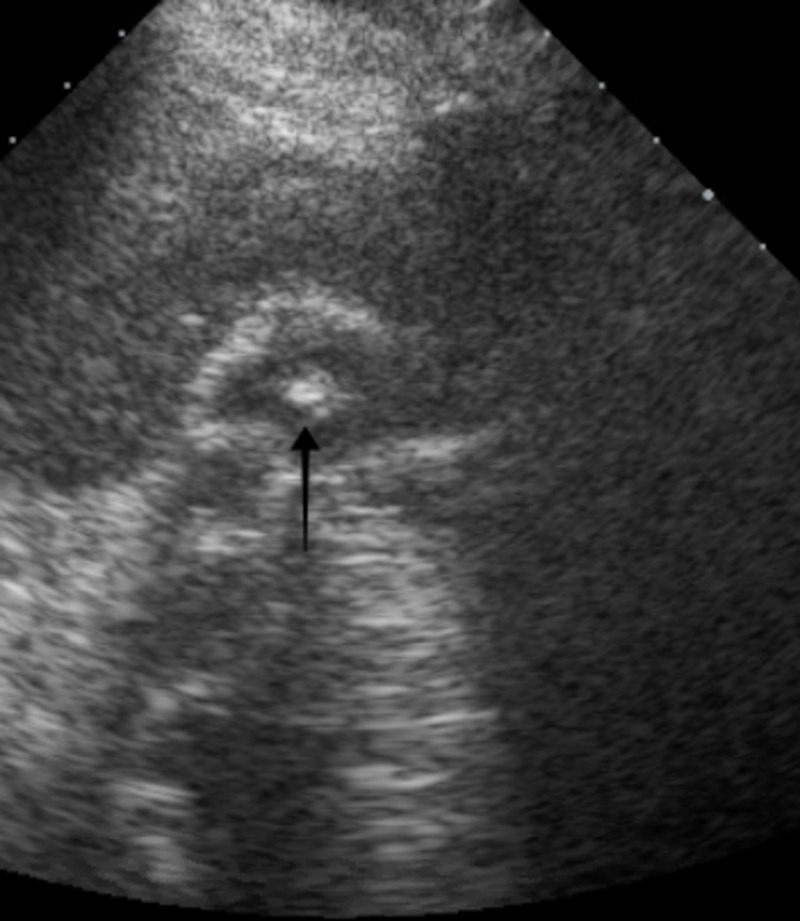
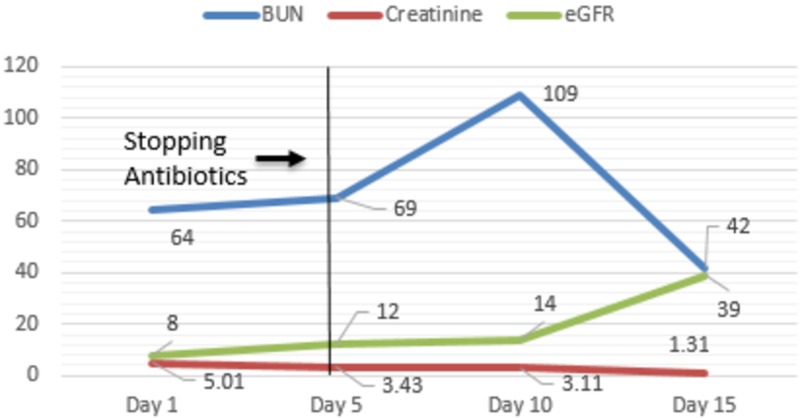
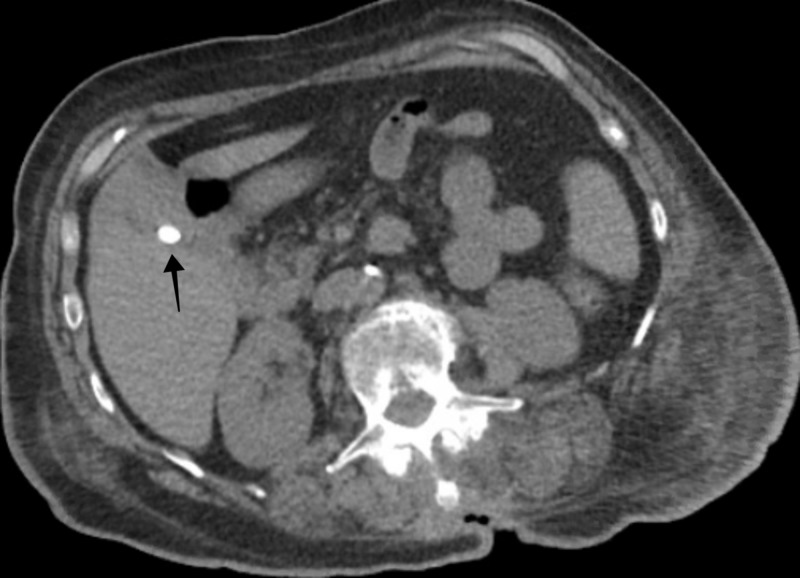
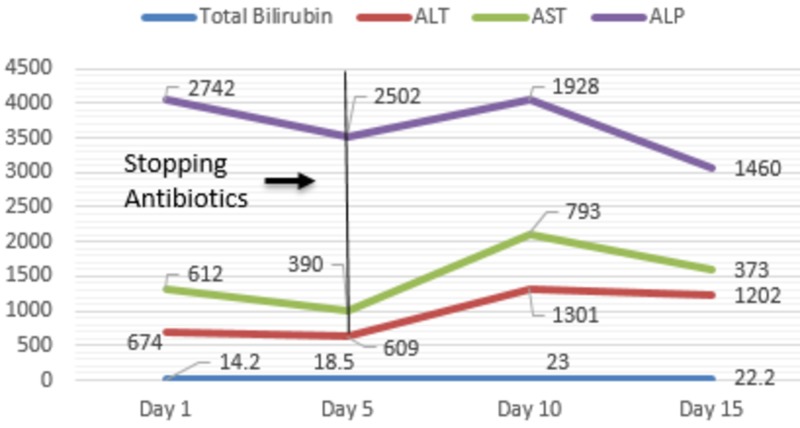
Drug reaction with eosinophilia and systemic symptoms (DRESS) is a rare but potentially life-threatening multi-system disorder with a mortality rate of up to 10%, due to severe hypersensitivity drug reaction involving the skin and multiple internal organ systems. We emphasize the increasing prevalence of DRESS syndrome secondary to vancomycin use. A 79-year-old woman presented to the hospital with complaints of right upper quadrant pain, intense pruritis, and jaundice of one-week duration. She was on vancomycin and cefepime for six weeks after a wound infection, and both the medicines were withheld a week ago due to the increasing creatinine. She was afebrile with a pulse-94/min, blood pressure-92/46 mm of Hg, and respiratory rate-14/min. She had scleral icterus, diffuse maculopapular rash, generalized edema, right upper quadrant tenderness, and a positive Murphy's sign. Investigations revealed hemoglobin-10.5 gm/dl, white blood cell count-16.0 K/uL, peripheral eosinophil count-1730 K/uL, alkaline phosphatase-2742 U/L, aspartate transaminase-612 U/L, alanine transaminase-674 U/L, total bilirubin-14.2 mg/dl with a direct component of 9.5mg/dl, blood urea nitrogen-64 mg/dl, creatinine-5.01 mg/dl, glomerular filtration rate-8 ml/min and vancomycin trough level-10.8 mcg/ml. Imaging studies were unremarkable. The renal function improved after high dose steroids, N-acetylcysteine and withdrawal of vancomycin, but the progression of liver failure continued. Eventually, she passed away due to multiorgan failure. Vancomycin is a rare drug to cause DRESS syndrome with 31 cases reported to date. Early recognition of this condition can hasten proper treatment and recovery. Further research on the association of vancomycin trough levels and DRESS syndrome needs to be conducted.
药物超敏反应伴嗜酸性粒细胞增多和全身症状(DRESS)是一种罕见但可能危及生命的多系统疾病,由于涉及皮肤和多个内部器官系统的严重药物过敏反应,其死亡率高达10%。我们强调万古霉素使用继发的DRESS综合征患病率不断上升。一名79岁女性因右上腹疼痛、剧烈瘙痒和黄疸持续一周入院。伤口感染后她接受了六周的万古霉素和头孢吡肟治疗,由于肌酐升高,两种药物一周前停用。她体温正常,脉搏94次/分钟,血压92/46 mmHg,呼吸频率14次/分钟。她有巩膜黄疸、弥漫性斑丘疹、全身水肿、右上腹压痛和墨菲氏征阳性。检查显示血红蛋白10.5 g/dl,白细胞计数16.0 K/μL,外周嗜酸性粒细胞计数1730 K/μL,碱性磷酸酶2742 U/L,天冬氨酸转氨酶612 U/L,丙氨酸转氨酶674 U/L,总胆红素14.2 mg/dl,直接胆红素9.5mg/dl,血尿素氮64 mg/dl,肌酐5.01 mg/dl,肾小球滤过率8 ml/min,万古霉素谷浓度10.8 mcg/ml。影像学检查无异常。高剂量类固醇、N-乙酰半胱氨酸治疗及停用万古霉素后肾功能改善,但肝功能衰竭仍在进展。最终,她因多器官衰竭去世。万古霉素是导致DRESS综合征的罕见药物,迄今为止报告了31例。早期识别这种情况可加速适当治疗和康复。需要对万古霉素谷浓度与DRESS综合征的关联进行进一步研究。