Dali-Youcef Nassim, Vix Michel, Costantino Federico, El-Saghire Houssein, Lhermitte Benoit, Callari Cosimo, D'Agostino Jacopo, Perretta Silvana, Paveliu Stefan, Gualtierotti Monica, Dumeny Edith, Oudot Marine A, Jaulin Amélie, Dembélé Doulaye, Zeisel Mirjam B, Tomasetto Catherine, Baumert Thomas F, Doffoël Michel
Laboratoire de Biochimie et Biologie Moléculaire, Pôle de Biologie Nouvel Hôpital Civil, Hôpitaux Universitaires de Strasbourg Strasbourg France.
Department of Functional Genomics and Cancer Institut de Génétique et de Biologie Moléculaire et Cellulaire/CNRS UMR 7104/INSERM U 1258/Université de Strasbourg Illkirch France.
Hepatol Commun. 2019 Jul 19;3(9):1205-1220. doi: 10.1002/hep4.1396. eCollection 2019 Sep.
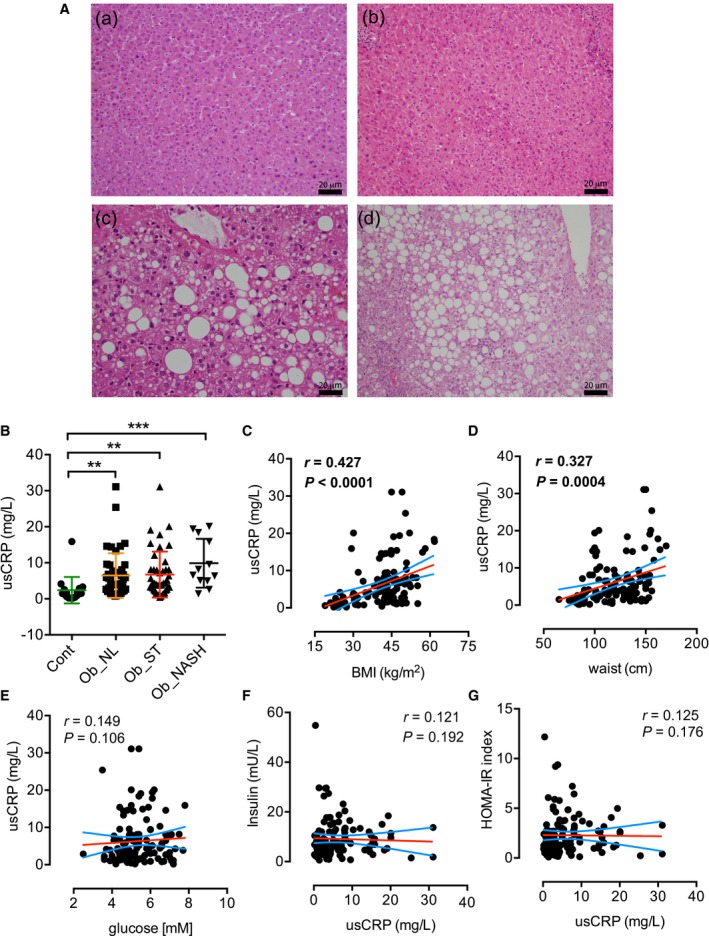
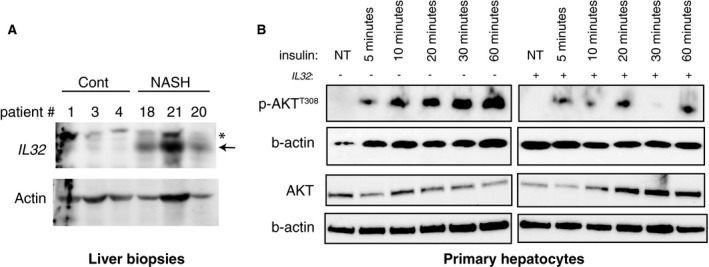
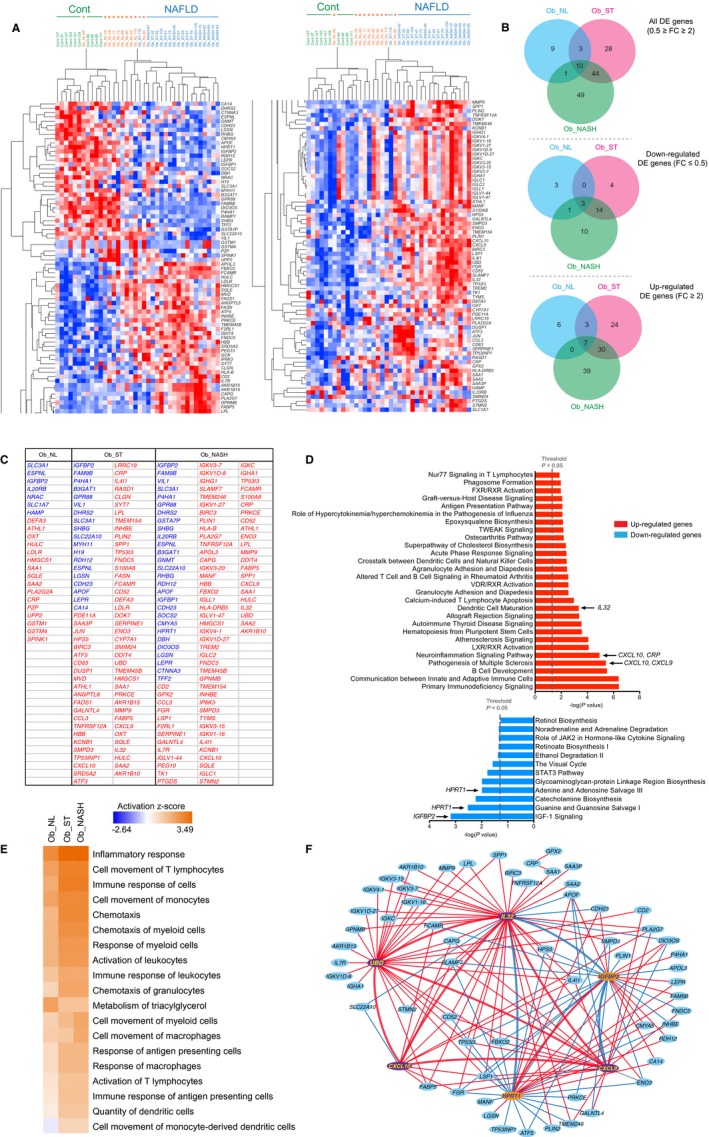
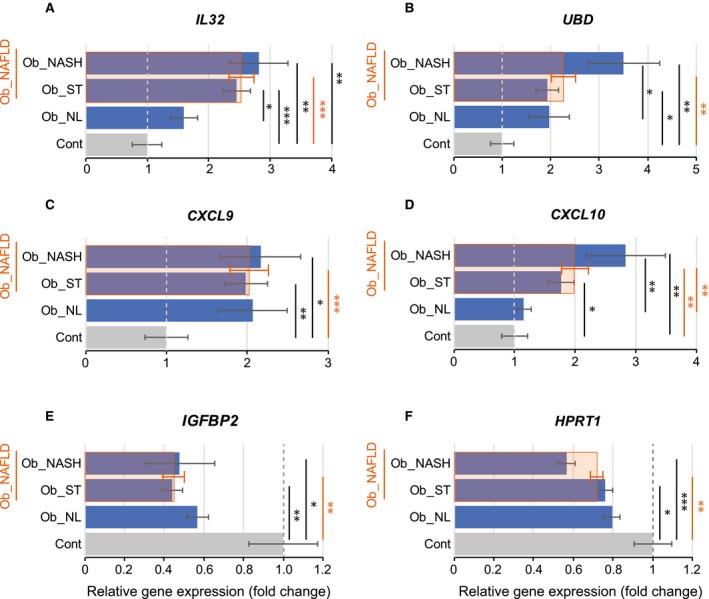
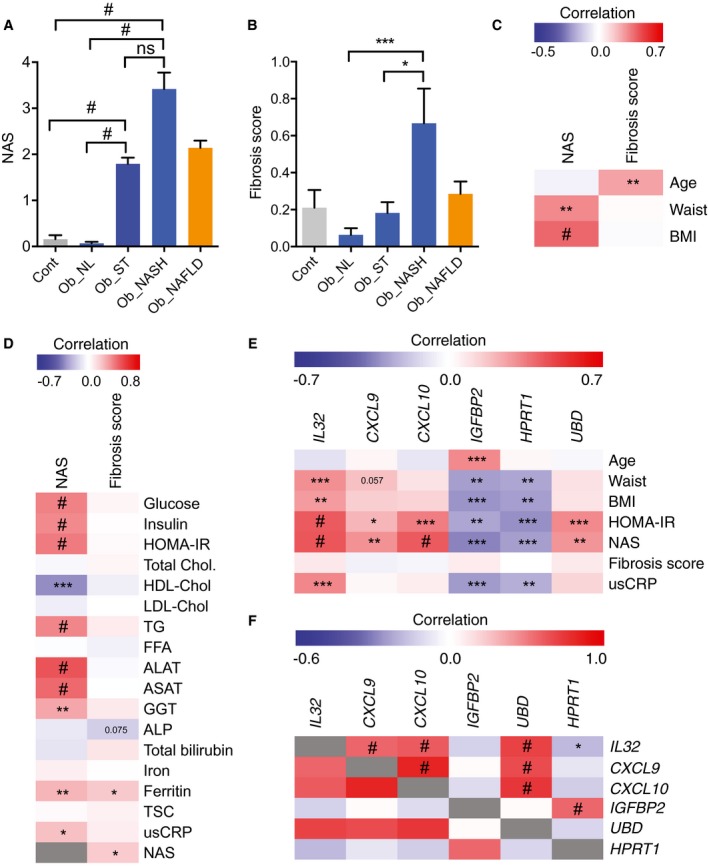
Nonalcoholic fatty liver disease (NAFLD) is a metabolic disorder due to increased accumulation of fat in the liver and in many cases to enhanced inflammation. Although the contribution of inflammation in the pathogenesis of NAFLD is well established, the cytokines that are involved and how they influence liver transformation are still poorly characterized. In addition, with other modifiers, inflammation influences NAFLD progression to liver cirrhosis and hepatocellular carcinoma, demonstrating the need to find new molecular targets with potential future therapeutic applications. We investigated gene signatures in 38 liver biopsies from patients with NAFLD and obesity who had received bariatric surgery and compared these to 10 control patients who had received a cholecystectomy, using DNA microarray technology. A subset of differentially expressed genes was then validated on a larger cohort of 103 patients who had received bariatric surgery for obesity; data were thoroughly analyzed in terms of correlations with NAFLD pathophysiological parameters. Finally, the impact of a specific cytokine, interleukin-32 (), was addressed on primary human hepatocytes (PHHs). Transcript analysis revealed an up-regulation of proinflammatory cytokines , chemokine (C-X-C motif) ligand 9 (CXCL9), and CXCL10 and of ubiquitin D (UBD), whereas down-regulation of insulin-like growth factor-binding protein 2 (IGFBP2) and hypoxanthine phosphoribosyltransferase 1 (HPRT1) was reported in patients with NAFLD. Moreover, , which is the major deregulated gene, correlated with body mass index (BMI), waist circumference, NAFLD activity score (NAS), aminotransferases (alanine aminotransferase [ALAT] and aspartate aminotransferase [ASAT]), and homeostasis model assessment of insulin resistance (HOMA-IR) index in patients. Consistent with an instrumental role in the pathophysiology of NAFLD, treatment of control human hepatocytes with recombinant leads to insulin resistance, a hallmark metabolic deregulation in NAFLD hepatocytes. has a critical role in the pathogenesis of NAFLD and could be considered as a therapeutic target in patients.
非酒精性脂肪性肝病(NAFLD)是一种代谢紊乱疾病,其病因是肝脏中脂肪堆积增加,在许多情况下还伴有炎症增强。尽管炎症在NAFLD发病机制中的作用已得到充分证实,但涉及的细胞因子以及它们如何影响肝脏转变仍知之甚少。此外,炎症与其他调节因子一起,会影响NAFLD向肝硬化和肝细胞癌的进展,这表明需要寻找具有潜在未来治疗应用价值的新分子靶点。我们使用DNA微阵列技术,对38例接受减肥手术的NAFLD和肥胖患者的肝脏活检样本中的基因特征进行了研究,并将其与10例接受胆囊切除术的对照患者进行了比较。然后,在一个更大的、因肥胖接受减肥手术的103例患者队列中,对一组差异表达基因进行了验证;并根据与NAFLD病理生理参数的相关性对数据进行了全面分析。最后,研究了特定细胞因子白细胞介素-32(IL-32)对原代人肝细胞(PHH)的影响。转录分析显示,NAFLD患者中促炎细胞因子、趋化因子(C-X-C基序)配体9(CXCL9)和CXCL10以及泛素D(UBD)上调,而胰岛素样生长因子结合蛋白2(IGFBP2)和次黄嘌呤磷酸核糖基转移酶1(HPRT1)下调。此外,作为主要失调基因的IL-32,与患者的体重指数(BMI)、腰围、NAFLD活动评分(NAS)、转氨酶(丙氨酸转氨酶[ALAT]和天冬氨酸转氨酶[ASAT])以及胰岛素抵抗稳态模型评估(HOMA-IR)指数相关。与IL-32在NAFLD病理生理学中起重要作用一致,用重组IL-32处理对照人肝细胞会导致胰岛素抵抗,这是NAFLD肝细胞中代谢失调的一个标志。IL-32在NAFLD发病机制中起关键作用,可被视为患者的治疗靶点。