van der Ven Jelle P G, van den Bosch Eva, Bogers Ad J C C, Helbing Willem A
Department of Pediatrics, Division of Pediatric Cardiology, Erasmus MC-Sophia Children's Hospital, Rotterdam, The Netherlands.
Netherlands Heart Institute, Utrecht, The Netherlands.
F1000Res. 2019 Aug 29;8. doi: 10.12688/f1000research.17174.1. eCollection 2019.
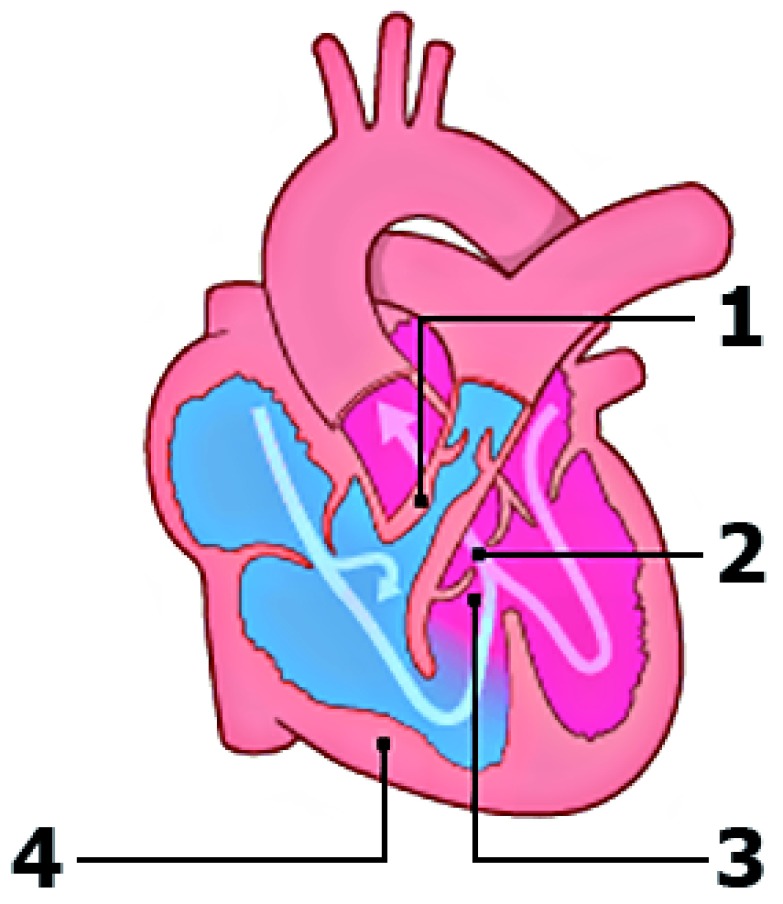
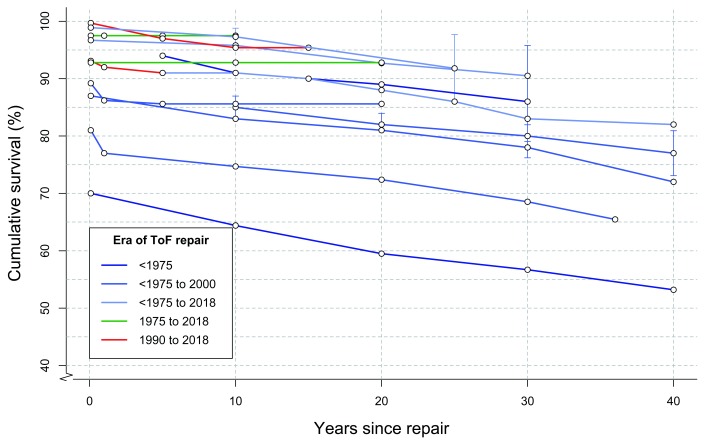
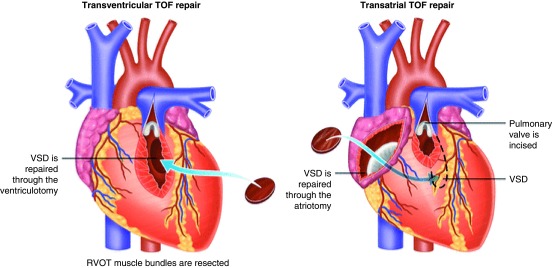
Tetralogy of Fallot (ToF) is the most common type of cyanotic congenital heart disease. Since the first surgical repair in 1954, treatment has continuously improved. The treatment strategies currently used in the treatment of ToF result in excellent long-term survival (30 year survival ranges from 68.5% to 90.5%). However, residual problems such as right ventricular outflow tract obstruction, pulmonary regurgitation, and (ventricular) arrhythmia are common and often require re-interventions. Right ventricular dysfunction can be seen following longstanding pulmonary regurgitation and/or stenosis. Performing pulmonary valve replacement or relief of pulmonary stenosis before irreversible right ventricular dysfunction occurs is important, but determining the optimal timing of pulmonary valve replacement is challenging for several reasons. The biological mechanisms underlying dysfunction of the right ventricle as seen in longstanding pulmonary regurgitation are poorly understood. Different methods of assessing the right ventricle are used to predict impending dysfunction. The atrioventricular, ventriculo-arterial and interventricular interactions of the right ventricle play an important role in right ventricle performance, but are not fully elucidated. In this review we present a brief overview of the history of ToF, describe the treatment strategies currently used, and outline the long-term survival, residual lesions, and re-interventions following repair. We discuss important remaining challenges and present the current state of the art regarding these challenges.
法洛四联症(ToF)是最常见的青紫型先天性心脏病。自1954年首次进行外科修复以来,治疗方法不断改进。目前用于治疗ToF的治疗策略可带来出色的长期生存率(30年生存率在68.5%至90.5%之间)。然而,诸如右心室流出道梗阻、肺动脉反流和(室性)心律失常等残留问题很常见,且常常需要再次干预。长期存在肺动脉反流和/或狭窄后可出现右心室功能障碍。在不可逆转的右心室功能障碍发生之前进行肺动脉瓣置换或解除肺动脉狭窄很重要,但由于多种原因,确定肺动脉瓣置换的最佳时机具有挑战性。长期肺动脉反流时所见右心室功能障碍的生物学机制尚不清楚。使用不同的方法评估右心室以预测即将出现的功能障碍。右心室的房室、心室-动脉和心室间相互作用在右心室功能中起重要作用,但尚未完全阐明。在本综述中,我们简要概述了ToF的病史,描述了目前使用的治疗策略,并概述了修复后的长期生存率、残留病变和再次干预情况。我们讨论了仍然存在的重要挑战,并介绍了关于这些挑战的当前技术水平。