Lee Gil Ya Cancer and Diabetes Institute, Gachon University, Incheon 21999, South Korea.
Department of Internal Medicine, Division of Hematology, School of Medicine, Gachon University Gil Medical Center, Incheon, 21565, South Korea.
Int J Nanomedicine. 2019 Jul 29;14:5925-5942. doi: 10.2147/IJN.S217923. eCollection 2019.
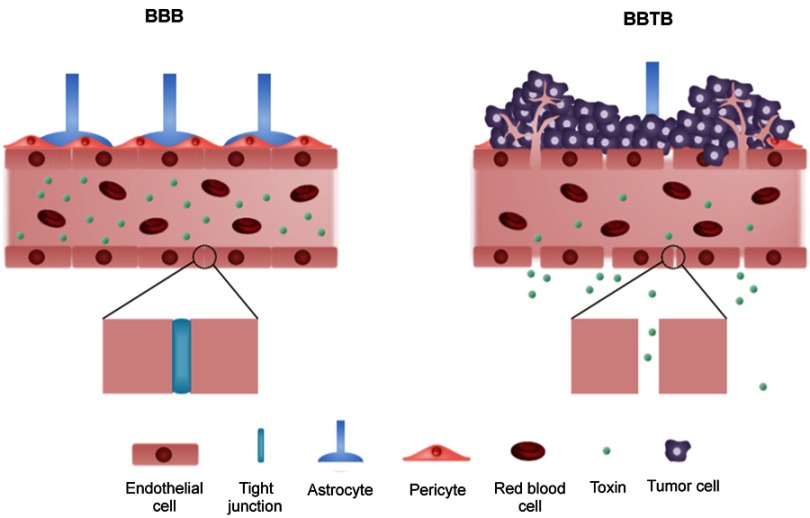
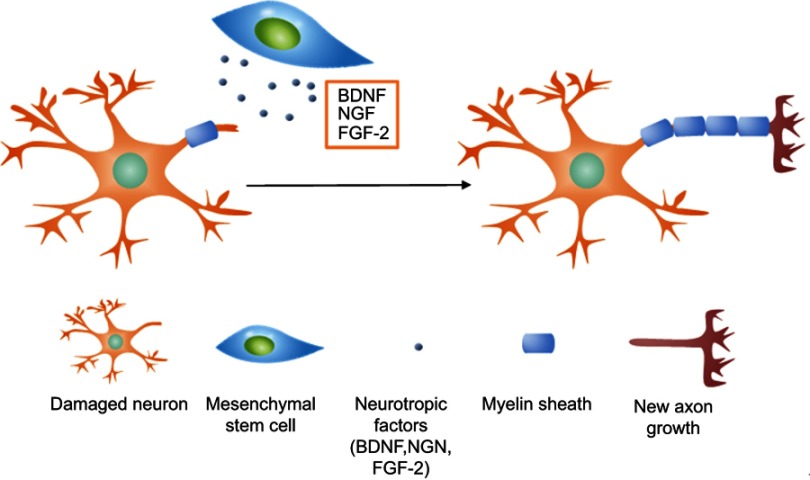
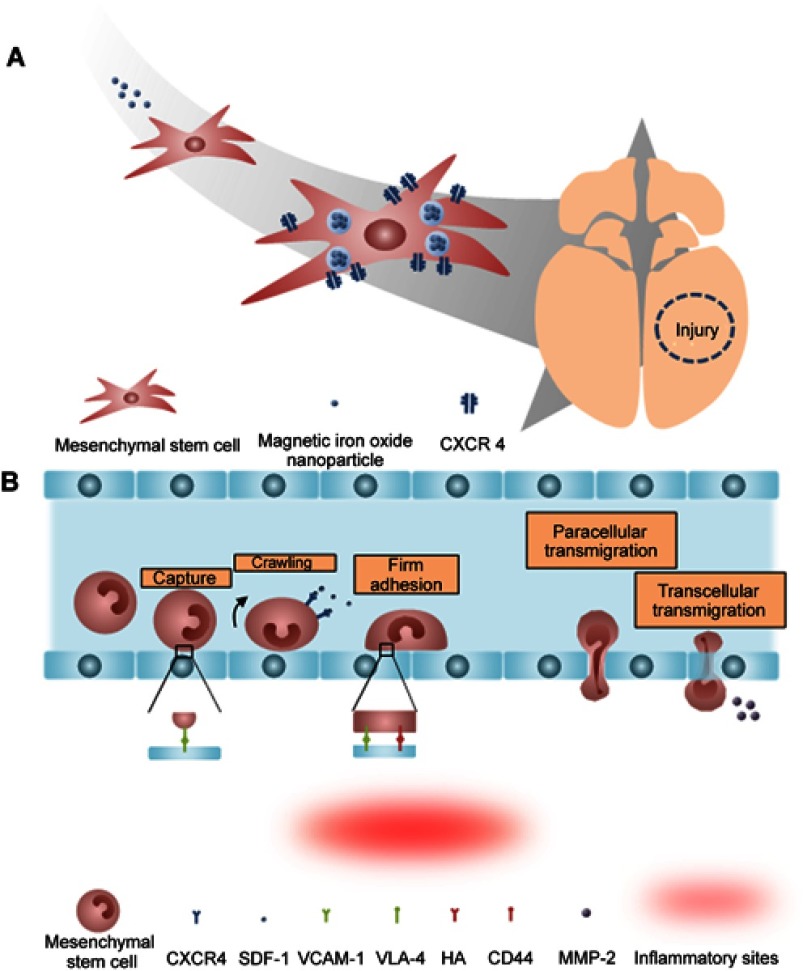
Mesenchymal stem cells (MSCs) intrinsically possess unique features that not only help in their migration towards the tumor-rich environment but they also secrete versatile types of secretomes to induce nerve regeneration and analgesic effects at inflammatory sites. As a matter of course, engineering MSCs to enhance their intrinsic abilities is growing in interest in the oncology and regenerative field. However, the concern of possible tumorigenesis of genetically modified MSCs prompted the development of non-viral transfected MSCs armed with nanotechnology for more effective cancer and regenerative treatment. Despite the fact that a large number of successful studies have expanded our current knowledge in tumor-specific targeting, targeting damaged brain site remains enigmatic due to the presence of a blood-brain barrier (BBB). A BBB is a barrier that separates blood from brain, but MSCs with intrinsic features of transmigration across the BBB can efficiently deliver desired drugs to target sites. Importantly, MSCs, when mediated by nanoparticles, can further enhance tumor tropism and can regenerate the damaged neurons in the central nervous system through the promotion of axon growth. This review highlights the homing and nerve regenerative abilities of MSCs in order to provide a better understanding of potential cell therapeutic applications of non-genetically engineered MSCs with the aid of nanotechnology.
间充质干细胞(MSCs)具有独特的内在特性,不仅有助于其向富含肿瘤的环境迁移,而且还分泌多种类型的分泌组来诱导炎症部位的神经再生和镇痛作用。当然,工程化 MSC 以增强其内在能力在肿瘤学和再生领域越来越受到关注。然而,对基因修饰 MSC 可能致癌的担忧促使人们开发了武装有纳米技术的非病毒转染 MSC,以进行更有效的癌症和再生治疗。尽管大量成功的研究扩展了我们对肿瘤特异性靶向的现有知识,但由于血脑屏障(BBB)的存在,针对受损大脑部位的靶向仍然是一个谜。BBB 是将血液与大脑隔开的屏障,但具有穿过 BBB 迁移内在特性的 MSC 可以将所需药物有效地递送到靶位。重要的是,MSC 通过纳米粒子介导,可以进一步增强肿瘤趋向性,并通过促进轴突生长来再生中枢神经系统中的受损神经元。本综述强调了 MSC 的归巢和神经再生能力,以便在纳米技术的帮助下更好地理解非基因工程 MSC 的潜在细胞治疗应用。