Ali Azhar, Levantini Elena, Fhu Chee Wai, Teo Jun Ting, Clohessy John G, Goggi Julian L, Wu Chan-Shuo, Chen Leilei, Chin Tan Min, Tenen Daniel G
Cancer Science Institute Singapore, National University of Singapore, MD6, #12-01, 14 Medical Drive, Singapore 117599.
Harvard Stem Cell Institute, Harvard Medical School, Boston, MA 02215, USA.
Theranostics. 2019 Aug 14;9(21):6157-6174. doi: 10.7150/thno.35805. eCollection 2019.
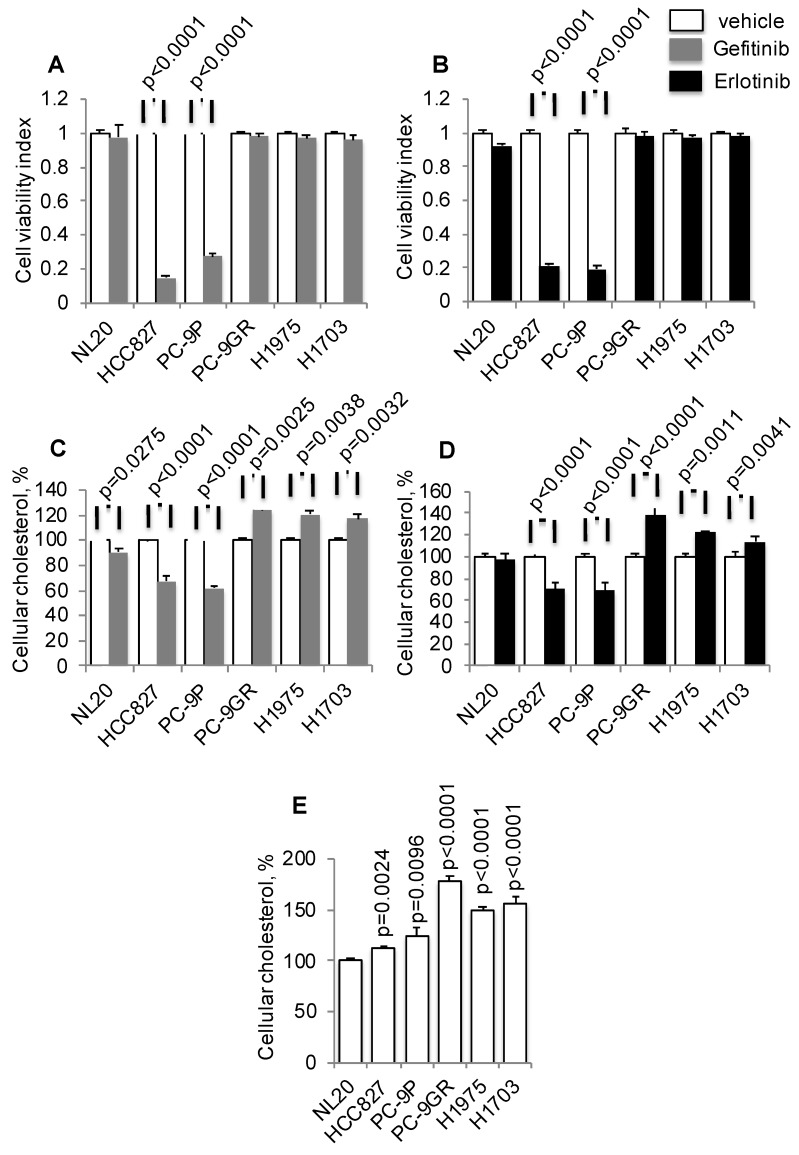
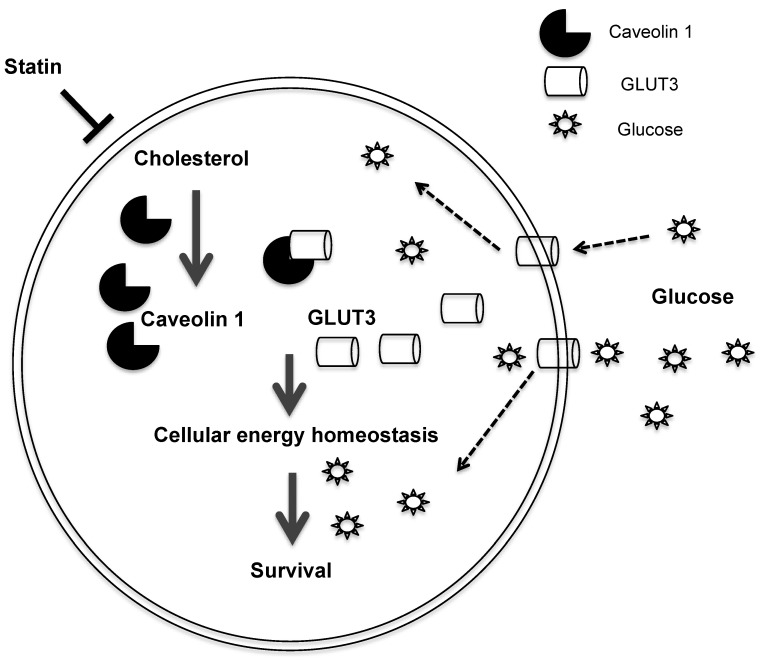
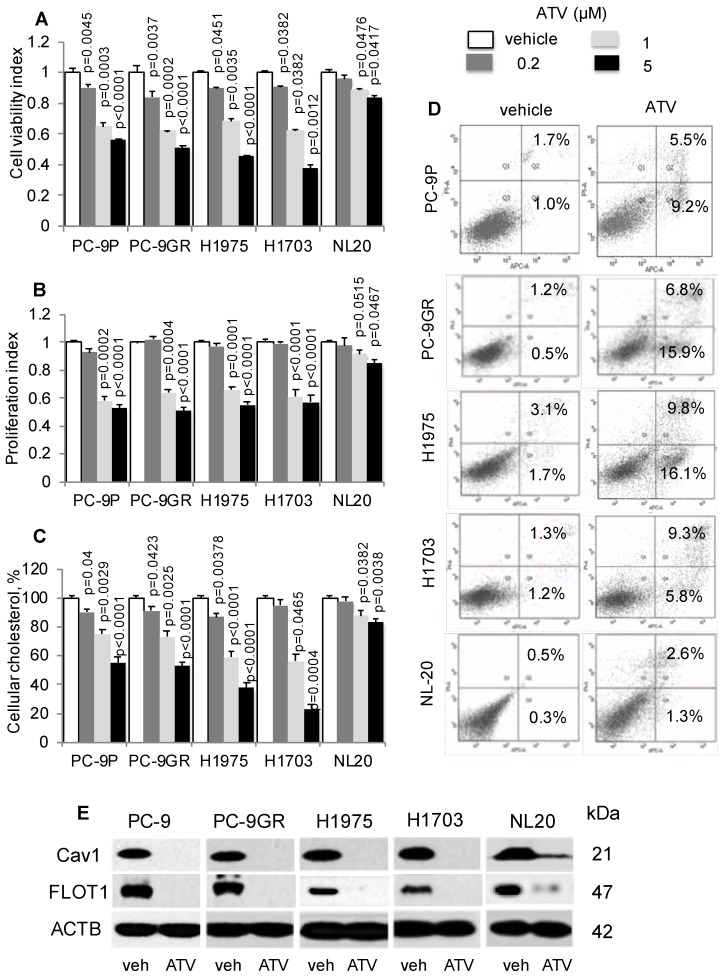
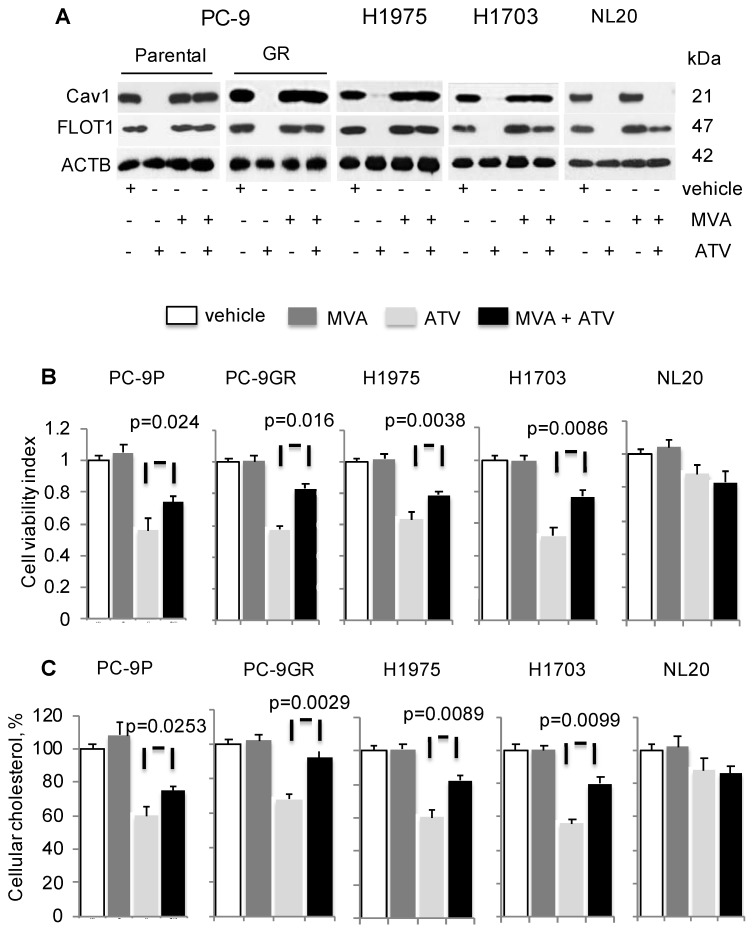
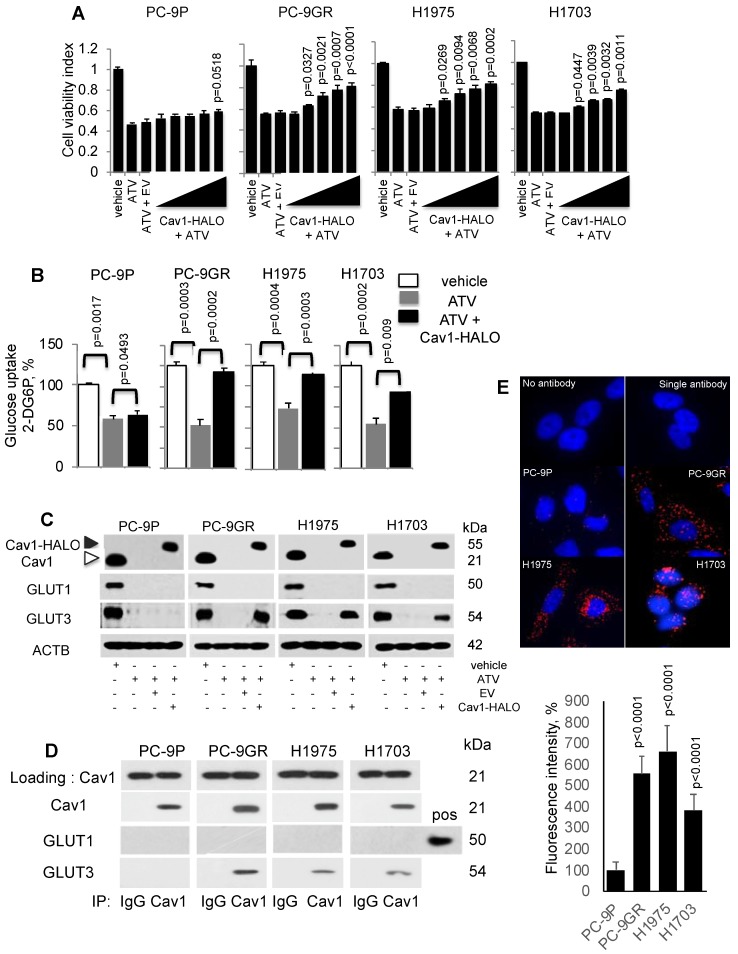
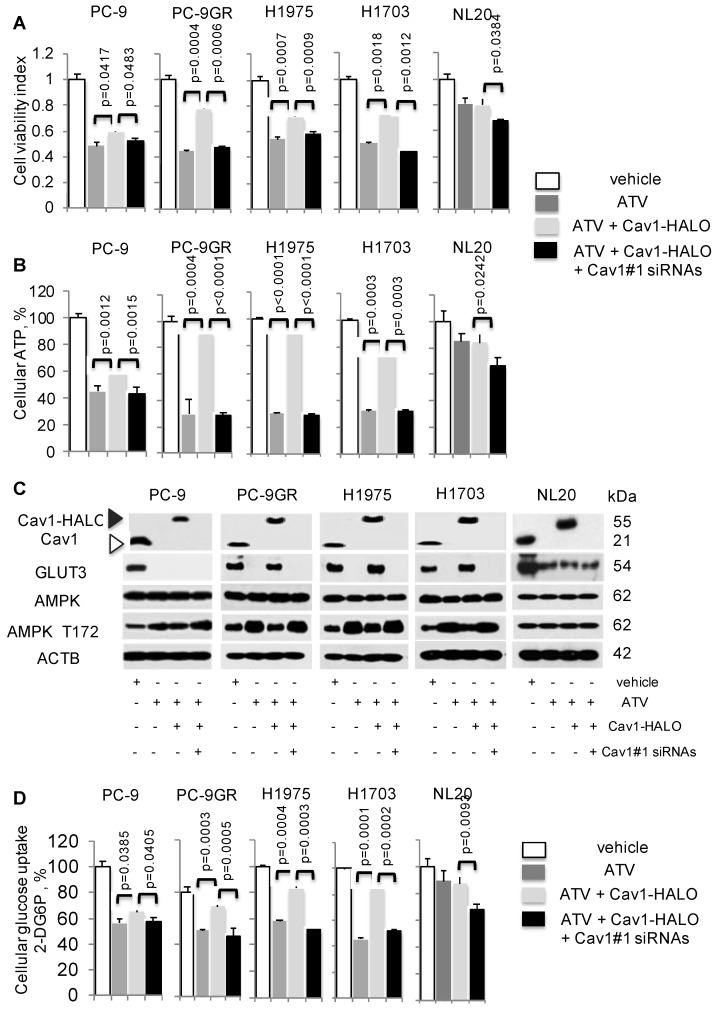
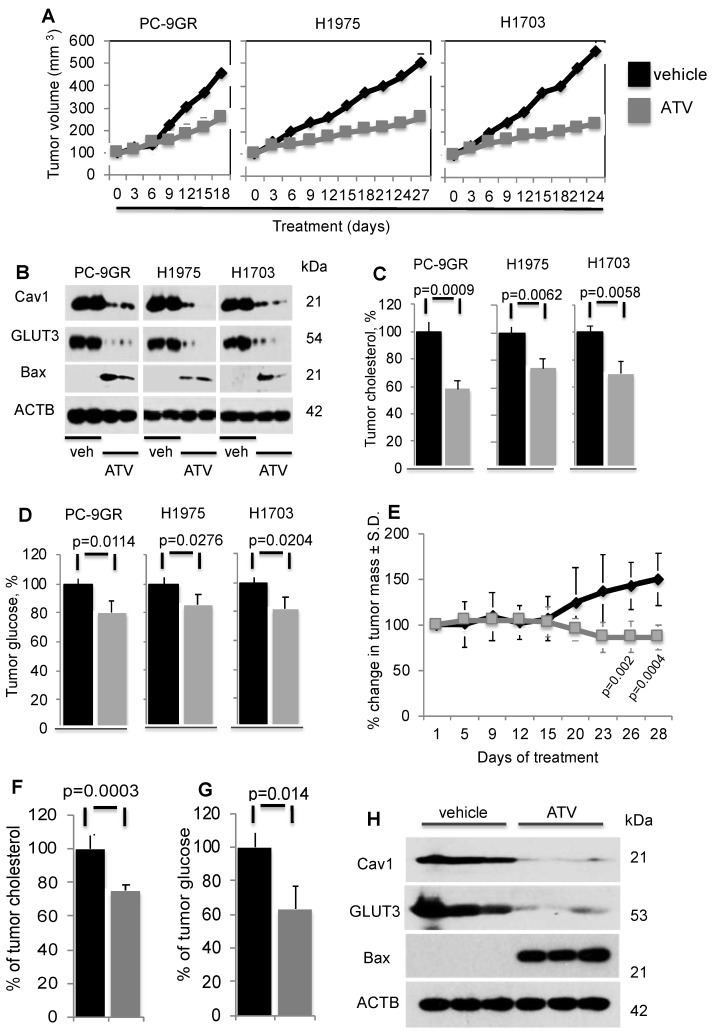
: The development of molecular targeted therapies, such as EGFR-TKIs, has positively impacted the management of EGFR mutated NSCLC. However, patients with innate and acquired resistance to EGFR-TKIs still face limited effective therapeutic options. Statins are the most frequently prescribed anti-cholesterol agents and have been reported to inhibit the progression of various malignancies, including in lung. However, the mechanism by which statin exerts its anti-cancer effects is unclear. This study is designed to investigate the anti-proliferative effects and identify the mechanism-of-action of statins in NSCLC. : In this study, the anti-tumoral properties of Atorvastatin were investigated in NSCLC utilizing cell culture system and models. : We demonstrate a link between elevated cellular cholesterol and TKI-resistance in NSCLC, which is independent of EGFR mutation status. Atorvastatin suppresses growth by inhibiting Cav1 expression in tumors in cell culture system and in models. Subsequent interrogations demonstrate an oncogenic physical interaction between Cav1 and GLUT3, and glucose uptake found distinctly in TKI-resistant NSCLC and this may be due to changes in the physical properties of Cav1 favoring GLUT3 binding in which significantly stronger Cav1 and GLUT3 physical interactions were observed in TKI-resistant than in TKI-sensitive NSCLC cells. Further, the differential effects of atorvastatin observed between EGFR-TKI resistant and sensitive cells suggest that EGFR mutation status may influence its actions. : This study reveals the inhibition of oncogenic role of Cav1 in GLUT3-mediated glucose uptake by statins and highlights its potential impact to overcome NSCLC with EGFR-TKI resistance.
分子靶向治疗的发展,如表皮生长因子受体-酪氨酸激酶抑制剂(EGFR-TKIs),对EGFR突变的非小细胞肺癌(NSCLC)的治疗产生了积极影响。然而,对EGFR-TKIs具有先天性和获得性耐药的患者仍然面临有限的有效治疗选择。他汀类药物是最常用的抗胆固醇药物,据报道可抑制包括肺癌在内的各种恶性肿瘤的进展。然而,他汀类药物发挥抗癌作用的机制尚不清楚。本研究旨在探讨他汀类药物在NSCLC中的抗增殖作用并确定其作用机制。:在本研究中,利用细胞培养系统和模型研究了阿托伐他汀在NSCLC中的抗肿瘤特性。:我们证明了NSCLC中细胞胆固醇升高与TKI耐药之间的联系,这与EGFR突变状态无关。在细胞培养系统和模型中,阿托伐他汀通过抑制肿瘤中Cav1的表达来抑制生长。随后的研究表明,Cav1与GLUT3之间存在致癌性物理相互作用,并且在TKI耐药的NSCLC中发现明显的葡萄糖摄取增加,这可能是由于Cav1物理性质的变化有利于GLUT3结合,其中在TKI耐药的NSCLC细胞中观察到的Cav'1与GLUT3的物理相互作用明显强于TKI敏感的NSCLC细胞。此外,在EGFR-TKI耐药和敏感细胞之间观察到的阿托伐他汀的不同作用表明,EGFR突变状态可能影响其作用。:本研究揭示了他汀类药物对Cav1在GLUT3介导的葡萄糖摄取中的致癌作用的抑制,并强调了其对克服EGFR-TKI耐药的NSCLC的潜在影响。