Wang Guowei, Li Qunying, Chen Danfei, Wu Bihan, Wu Yulian, Tong Weijun, Huang Pintong
Department of Ultrasound in Medicine, The Second Affiliated Hospital of Zhejiang University School of Medicine, Zhejiang University, Hangzhou 310009, China.
Department of Pediatrics, The First Affiliated Hospital of Zhejiang Chinese Medical University, Zhejiang Chinese Medical University, Hangzhou, 310006 China.
Theranostics. 2019 Aug 14;9(21):6191-6208. doi: 10.7150/thno.37538. eCollection 2019.
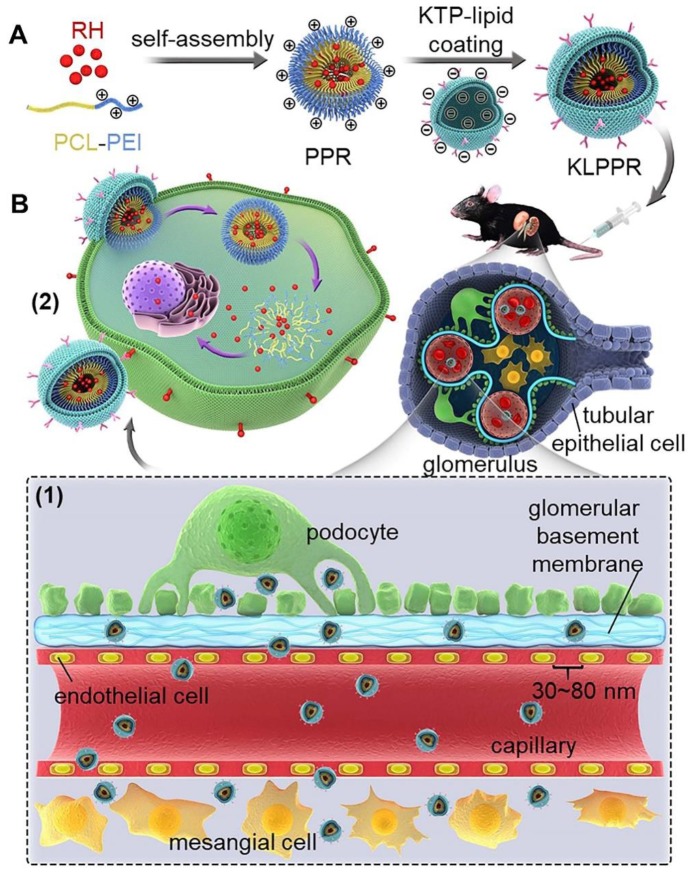
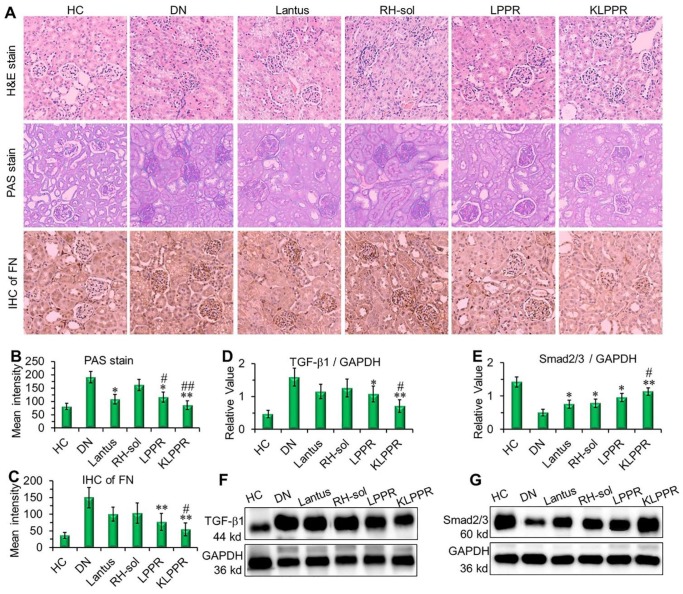
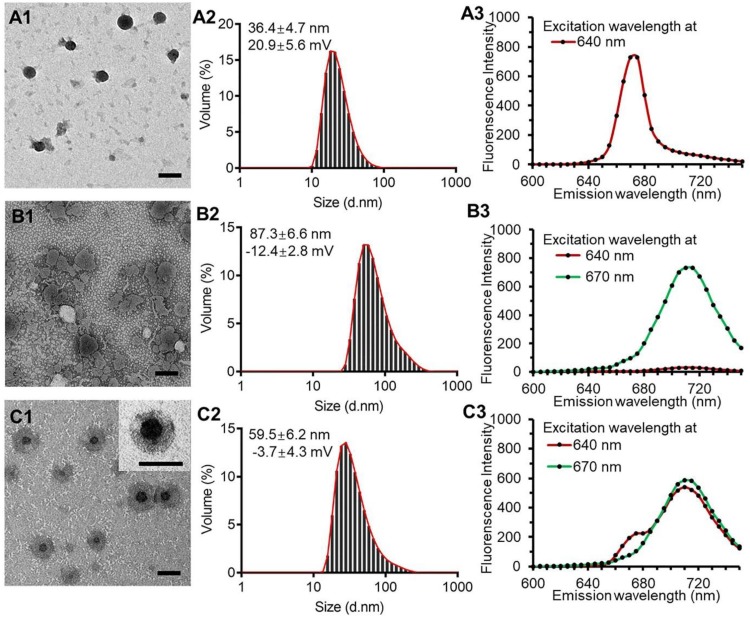
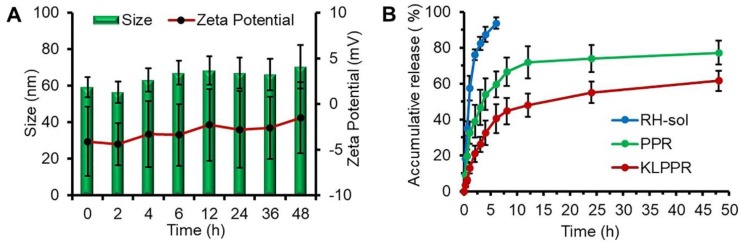
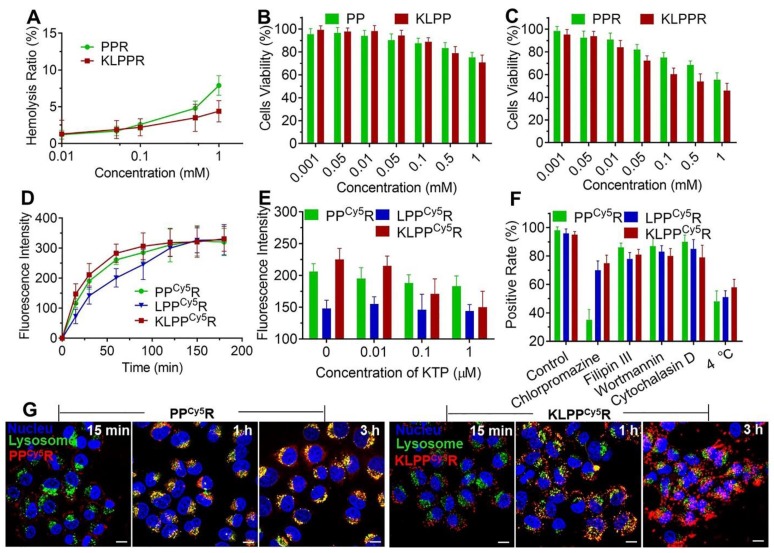
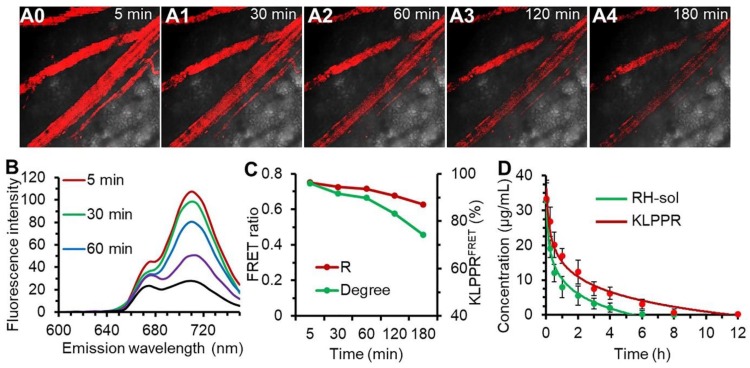
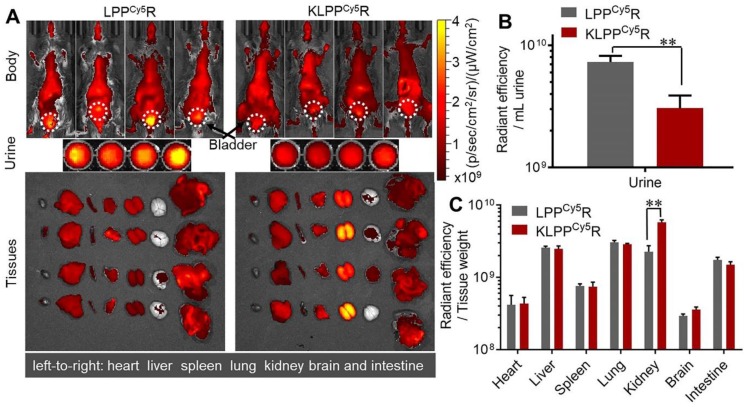
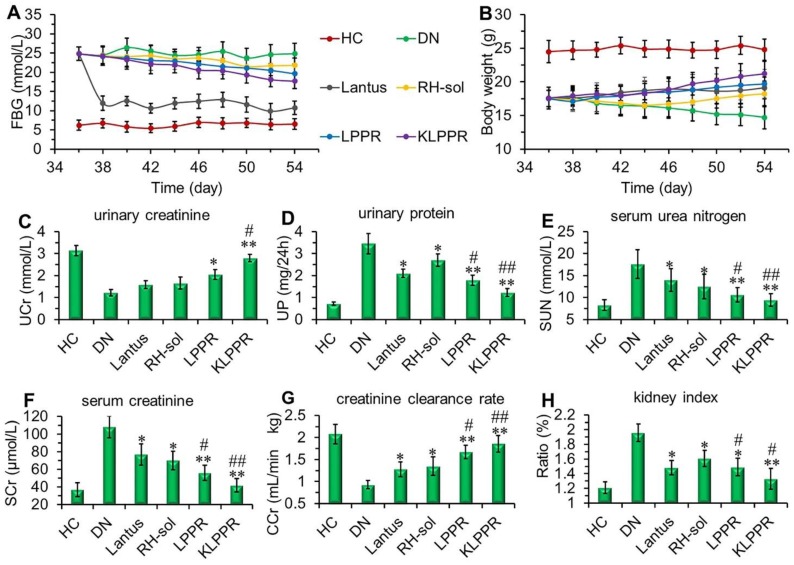
The optimization of nanoparticle size for passing through glomerular filtration membrane, inefficient renal cellular uptake and rapid urinary excretion of nanoparticles are the major obstacles for renal disease treatment via a nanoparticle delivery system. Herein, we propose a concept of a two-step nanoparticular cascade of size control and enhancement of renal cellular uptake to overcome the renal delivery obstacles. : We prepared kidney-targeted rhein (RH)-loaded liponanoparticles (KLPPR) with a yolk-shell structure composed by polycaprolactone-polyethyleneimine (PCL-PEI)-based cores and kidney targeting peptide (KTP)-modified lipid layers. The KLPPR size within the range of 30 ~ 80 nm allowed KLPPR distribute into kidney by passing through the glomerular filtration membrane and the KTP (sequence: CSAVPLC) decoration promoted the renal cellular uptake and endocytosis via a non-lysosomal pathway. : The KLPPR had an average size of 59.5±6.2 nm and exhibited high RH loading, sustained release, good stability and biocompatibility, rapid cellular uptake in HK-2 cells. In addition, intravenous administration of KLPPR resulted in excellent kidney-targeted distribution and low urinary excretion in mice with streptozocin-induced diabetic nephropathy (DN), lowered the parameters of urea nitrogen, serum creatinine and kidney index, as well as facilitated the recovery of renal physiological function in improving the levels of urinary creatinine and the creatinine clearance rate by suppressing secretion and accumulation of fibronectin and TGF-β1. : Definitely, KLPPR were able to target the diseased kidney and improve the therapeutic effect of RH on DN by exploiting the two-step nanoparticular cascade of size control and enhancement of cellular uptake. This study offers a promising strategy for renal diseases treatment using liponanoparticle delivery system.
纳米颗粒尺寸优化以穿过肾小球滤过膜、肾细胞摄取效率低下以及纳米颗粒经尿液快速排泄是通过纳米颗粒递送系统治疗肾脏疾病的主要障碍。在此,我们提出了一种两步纳米颗粒级联的概念,即尺寸控制和增强肾细胞摄取,以克服肾脏递送障碍。我们制备了具有核壳结构的载有肾靶向大黄酸(RH)的脂质纳米颗粒(KLPPR),其核心由聚己内酯 - 聚乙烯亚胺(PCL - PEI)组成,脂质层用肾靶向肽(KTP)修饰。30至80nm范围内的KLPPR尺寸使其能够通过肾小球滤过膜进入肾脏,并且KTP(序列:CSAVPLC)修饰促进了肾细胞摄取和通过非溶酶体途径的内吞作用。KLPPR的平均尺寸为59.5±6.2nm,具有高RH负载、持续释放、良好的稳定性和生物相容性,并且在HK - 2细胞中具有快速的细胞摄取能力。此外,对链脲佐菌素诱导的糖尿病肾病(DN)小鼠静脉注射KLPPR后,其在肾脏中的靶向分布良好且经尿液排泄较少,降低了尿素氮、血清肌酐和肾脏指数等参数,并且通过抑制纤连蛋白和TGF - β1的分泌和积累,促进了肾脏生理功能的恢复,提高了尿肌酐水平和肌酐清除率。当然,KLPPR能够通过利用尺寸控制和增强细胞摄取的两步纳米颗粒级联作用靶向患病肾脏并提高RH对DN的治疗效果。本研究为使用脂质纳米颗粒递送系统治疗肾脏疾病提供了一种有前景的策略。