Abd Elrahman Mohamed, Chung Sang-Yeop, Sikora Pawel, Rucinska Teresa, Stephan Dietmar
Building Materials and Construction Chemistry, Technische Universität Berlin, Gustav-Meyer-Allee 25, 13355 Berlin, Germany.
Structural Engineering Department, Mansoura University, Elgomhouria St., Mansoura 35516, Egypt.
Materials (Basel). 2019 Sep 21;12(19):3078. doi: 10.3390/ma12193078.
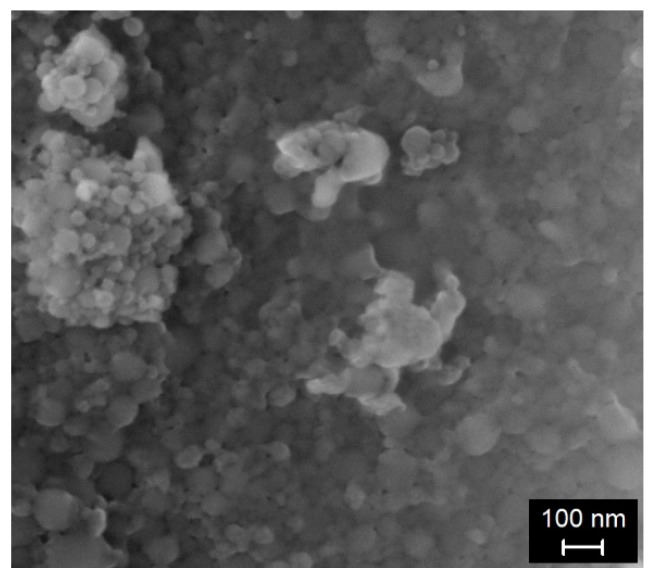
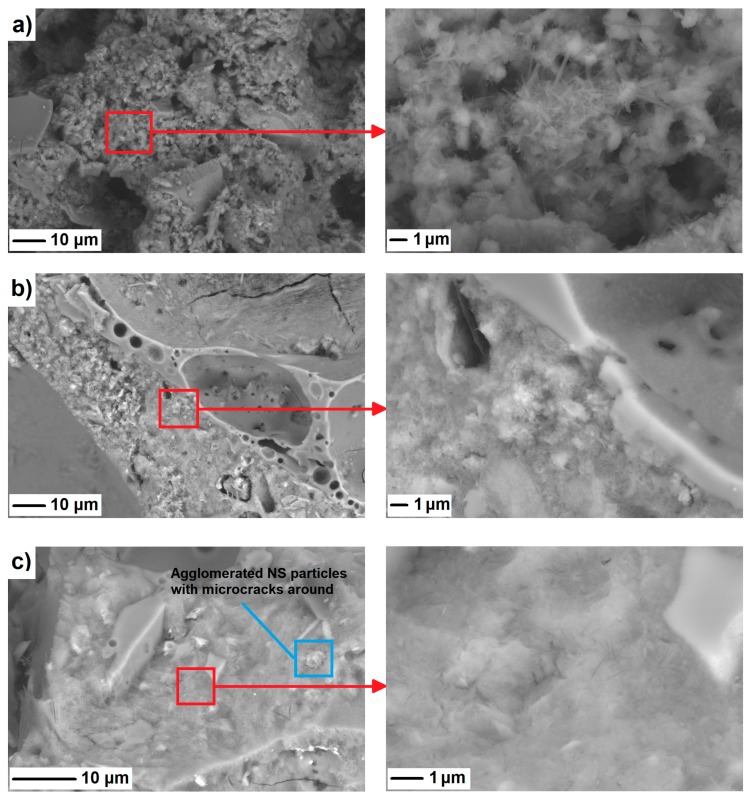
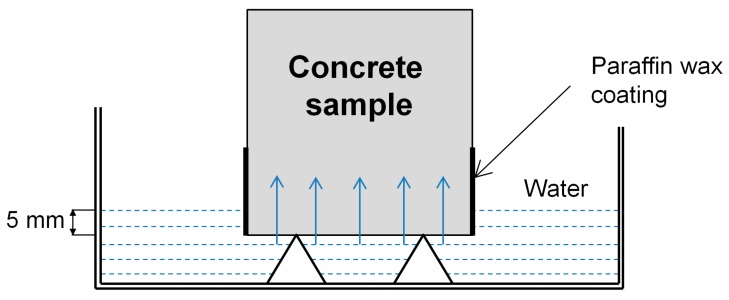
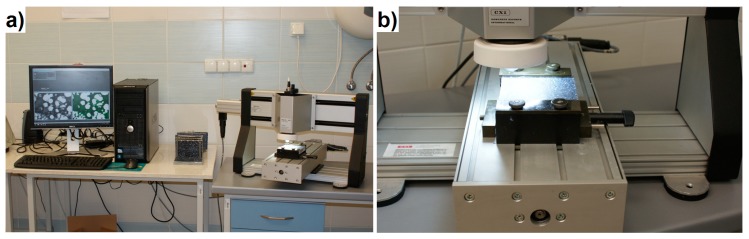
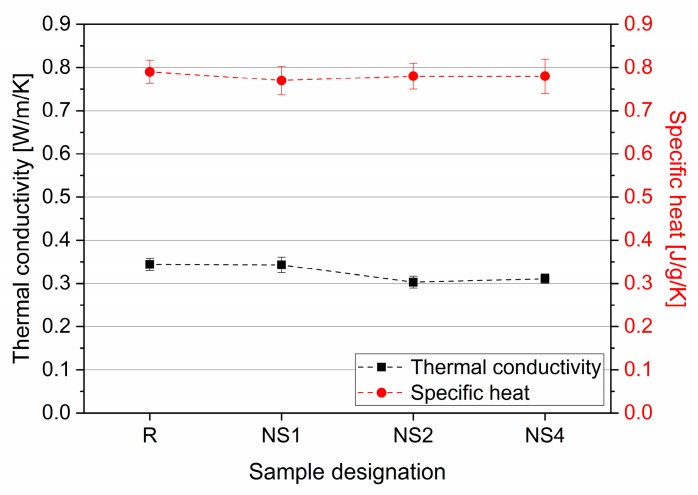
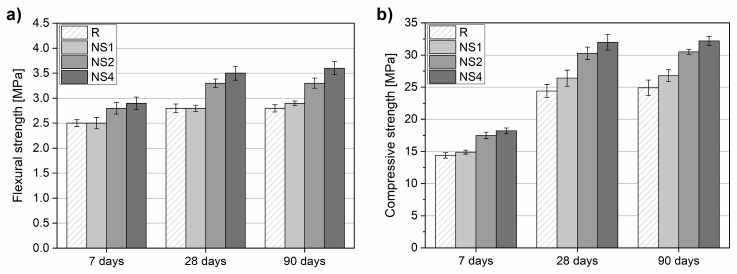
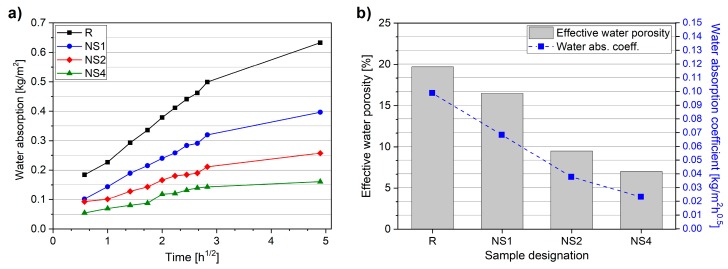
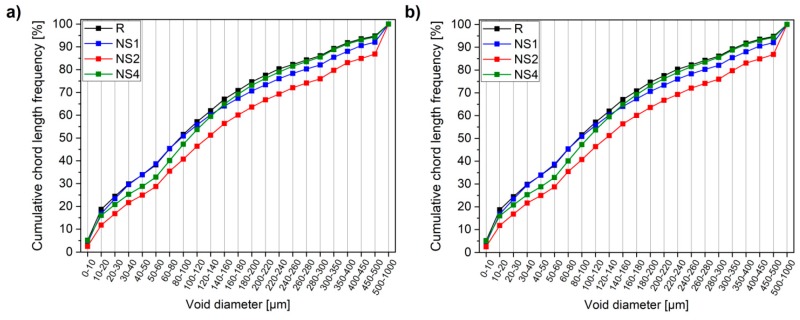
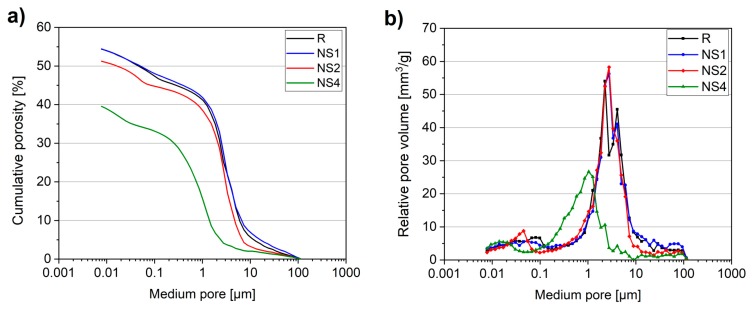
This study presents the results of an experimental investigation of the effects of nanosilica (NS) on the strength development, transport properties, thermal conductivity, air-void, and pore characteristics of lightweight aggregate concrete (LWAC), with an oven-dry density <1000 kg/m. Four types of concrete mixtures, containing 0 wt.%, 1 wt.%, 2 wt.%, and 4 wt.% of NS were prepared. The development of flexural and compressive strengths was determined for up to 90 days of curing. In addition, transport properties and microstructural properties were determined, with the use of RapidAir, mercury intrusion porosimetry (MIP), and scanning electron microscopy (SEM) techniques. The experimental results showed that NS has remarkable effects on the mechanical and transport properties of LWACs, even in small dosages. A significant improvement in strength and a reduction of transport properties, in specimens with an increased NS content, was observed. However, the positive effects of NS were more pronounced when a higher amount was incorporated into the mixtures (>1 wt.%). NS contributed to compaction of the LWAC matrix and a modification of the air-void system, by increasing the amount of solid content and refining the fine pore structure, which translated to a noticeable improvement in mechanical and transport properties. On the other hand, NS decreased the consistency, while increasing the viscosity of the fresh mixture. An increment of superplasticizer (SP), along with a decrement of stabilizer (ST) dosages, are thus required.
本研究呈现了对纳米二氧化硅(NS)对干密度小于1000 kg/m³的轻集料混凝土(LWAC)强度发展、传输性能、热导率、气孔和孔隙特性影响的实验研究结果。制备了四种混凝土混合物,分别含有0 wt.%、1 wt.%、2 wt.%和4 wt.%的NS。测定了养护长达90天的抗弯和抗压强度发展情况。此外,还使用快速空气法、压汞法(MIP)和扫描电子显微镜(SEM)技术测定了传输性能和微观结构性能。实验结果表明,即使NS用量很少,它对LWAC的力学性能和传输性能也有显著影响。观察到随着NS含量增加,试件的强度有显著提高,传输性能降低。然而,当混合物中掺入较高量的NS(>1 wt.%)时,NS的积极作用更为明显。NS通过增加固体含量和细化细孔结构,有助于LWAC基体的压实和气孔系统的改性,从而使力学性能和传输性能得到显著改善。另一方面,NS降低了新拌混合物的稠度,同时增加了其粘度。因此,需要增加高效减水剂(SP)的用量,同时减少稳定剂(ST)的用量。