Khan Kaffayatullah, Ahmad Waqas, Amin Muhammad Nasir, Nazar Sohaib
Department of Civil and Environmental Engineering, College of Engineering, King Faisal University, Al-Ahsa 31982, Saudi Arabia.
Department of Civil Engineering, COMSATS University Islamabad, Abbottabad 22060, Pakistan.
Nanomaterials (Basel). 2022 Jun 9;12(12):1989. doi: 10.3390/nano12121989.
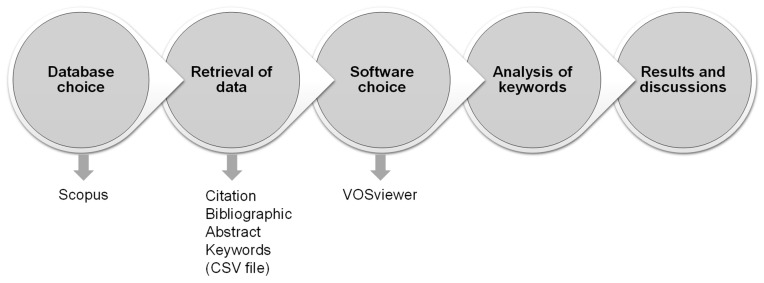
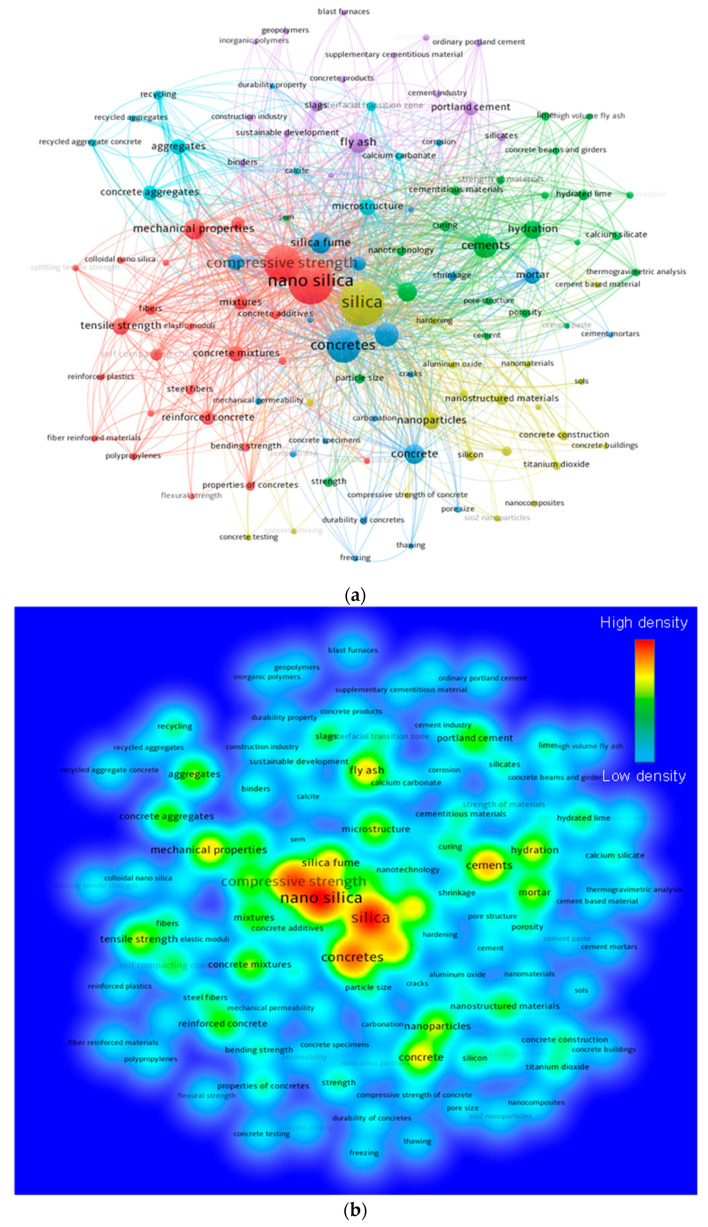
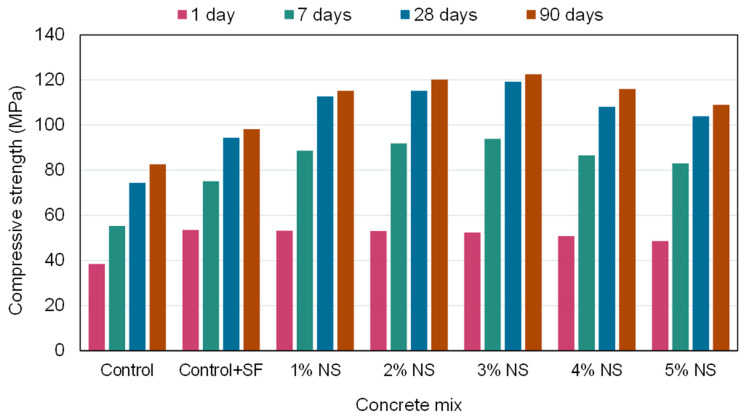
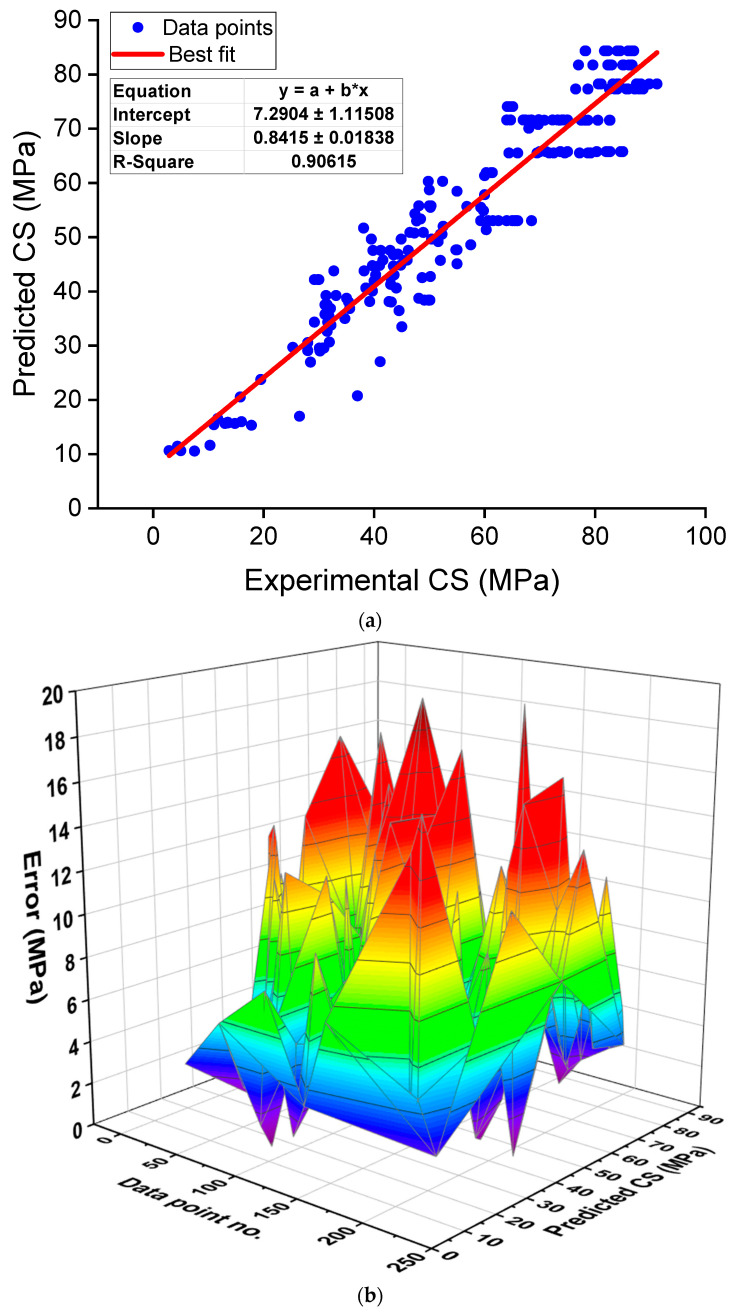
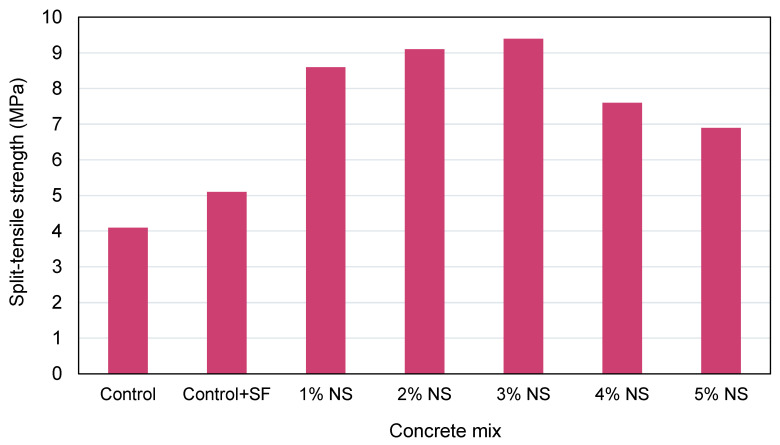
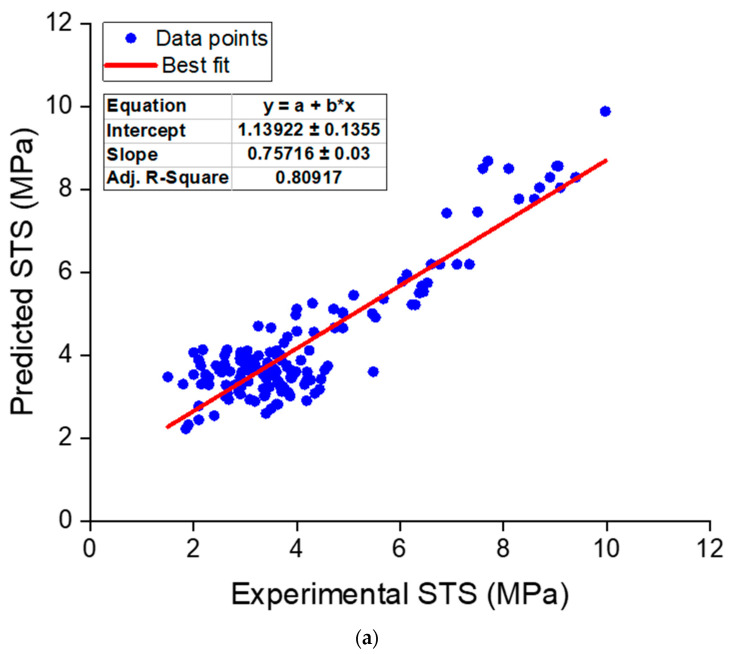
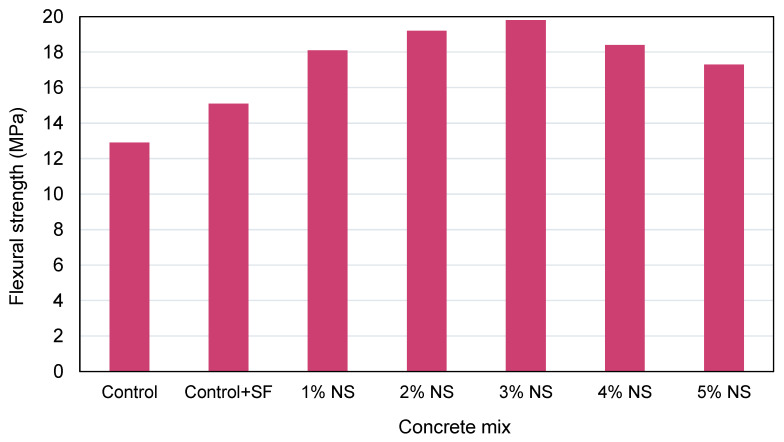
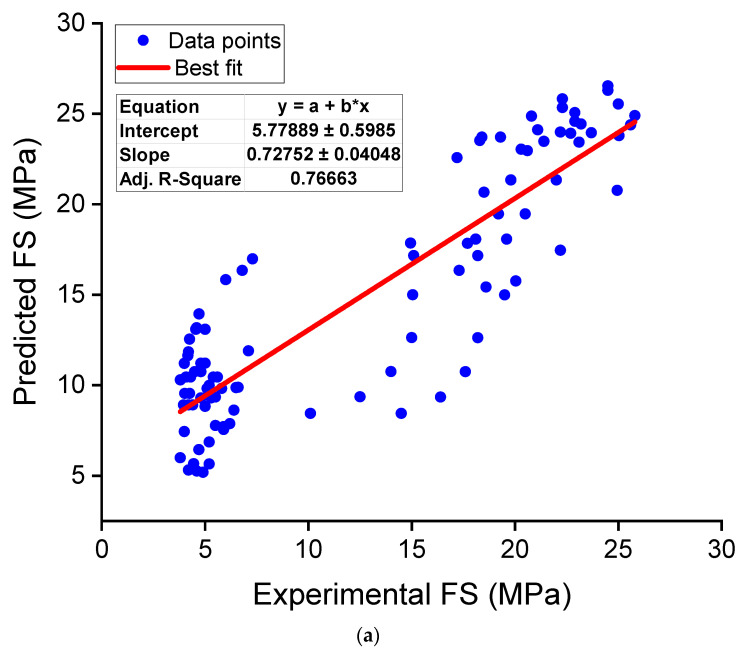
Several review studies have been performed on nano-silica-modified concrete, but this study adopted a new method based on scientometric analysis for the keywords' assessment in the current research area. A scientometric analysis can deal with vast bibliometric data using a software tool to evaluate the diverse features of the literature. Typical review studies are limited in their ability to comprehensively and accurately link divergent areas of the literature. Based on the analysis of keywords, this study highlighted and described the most significant segments in the research of nano-silica-modified concrete. The challenges associated with using nano-silica were identified, and future research is directed. Moreover, prediction models were developed using data from the literature for the strength estimation of nano-silica-modified concrete. It was noted that the application of nano-silica in cement-based composites is beneficial when used up to an optimal dosage of 2-3% due to high pozzolanic reactivity and a filler effect, whereas a higher dosage of nano-silica has a detrimental influence due to the increased porosity and microcracking caused by the agglomeration of nano-silica particles. The mechanical strength might enhance by 20-25% when NS is incorporated in the optimal amount. The prediction models developed for predicting the strength of nano-silica-modified concrete exhibited good agreement with experimental data due to lower error values. This type of analysis may be used to estimate the essential properties of a material, therefore saving time and money on experimental tests. It is recommended to investigate cost-effective methods for the dispersion of nano-silica in higher concentrations in cement mixes; further in-depth studies are required to develop more accurate prediction models to predict nano-silica-modified concrete properties.
已经对纳米二氧化硅改性混凝土进行了多项综述研究,但本研究采用了一种基于科学计量分析的新方法来评估当前研究领域中的关键词。科学计量分析可以使用软件工具处理大量文献计量数据,以评估文献的各种特征。典型的综述研究在全面准确地连接文献中不同领域的能力方面存在局限性。基于关键词分析,本研究突出并描述了纳米二氧化硅改性混凝土研究中最重要的部分。识别了与使用纳米二氧化硅相关的挑战,并指明了未来的研究方向。此外,利用文献数据开发了预测模型,用于纳米二氧化硅改性混凝土强度的估计。值得注意的是,由于高火山灰活性和填充效应,纳米二氧化硅在水泥基复合材料中的应用在使用量达到2 - 3%的最佳剂量时是有益的,而较高剂量的纳米二氧化硅由于纳米二氧化硅颗粒团聚导致孔隙率增加和微裂纹产生而具有不利影响。当以最佳量掺入纳米二氧化硅时,机械强度可能提高20 - 25%。为预测纳米二氧化硅改性混凝土强度而开发的预测模型由于误差值较低,与实验数据显示出良好的一致性。这种类型的分析可用于估计材料的基本性能,从而节省实验测试的时间和金钱。建议研究在水泥混合料中高浓度分散纳米二氧化硅的经济有效方法;需要进一步深入研究以开发更准确的预测模型来预测纳米二氧化硅改性混凝土的性能。