Department of Experimental Pathology and Laboratory Medicine, Mayo Clinic, Rochester, MN, USA.
Department of Medical Oncology, Mayo Clinic, Rochester, MN, USA.
Cell Death Dis. 2019 Sep 27;10(10):725. doi: 10.1038/s41419-019-1916-3.
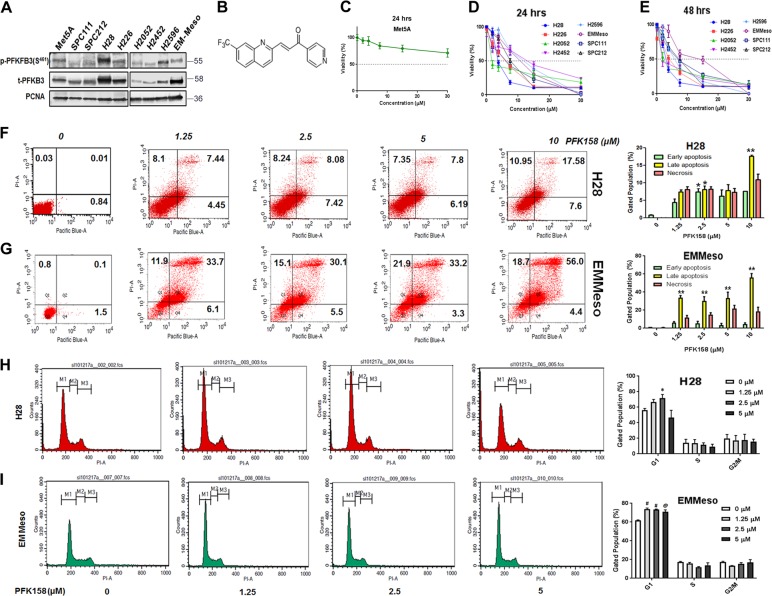
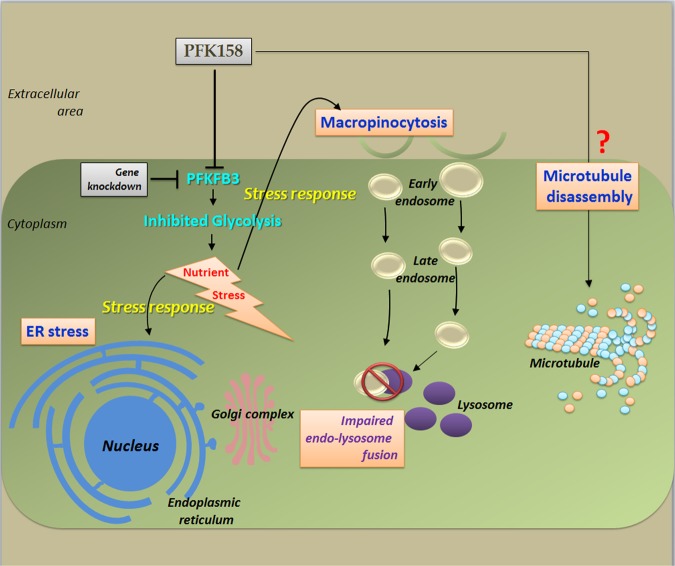
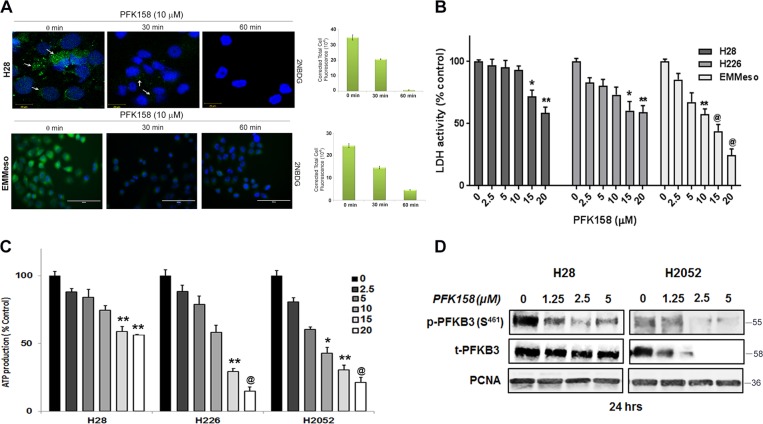
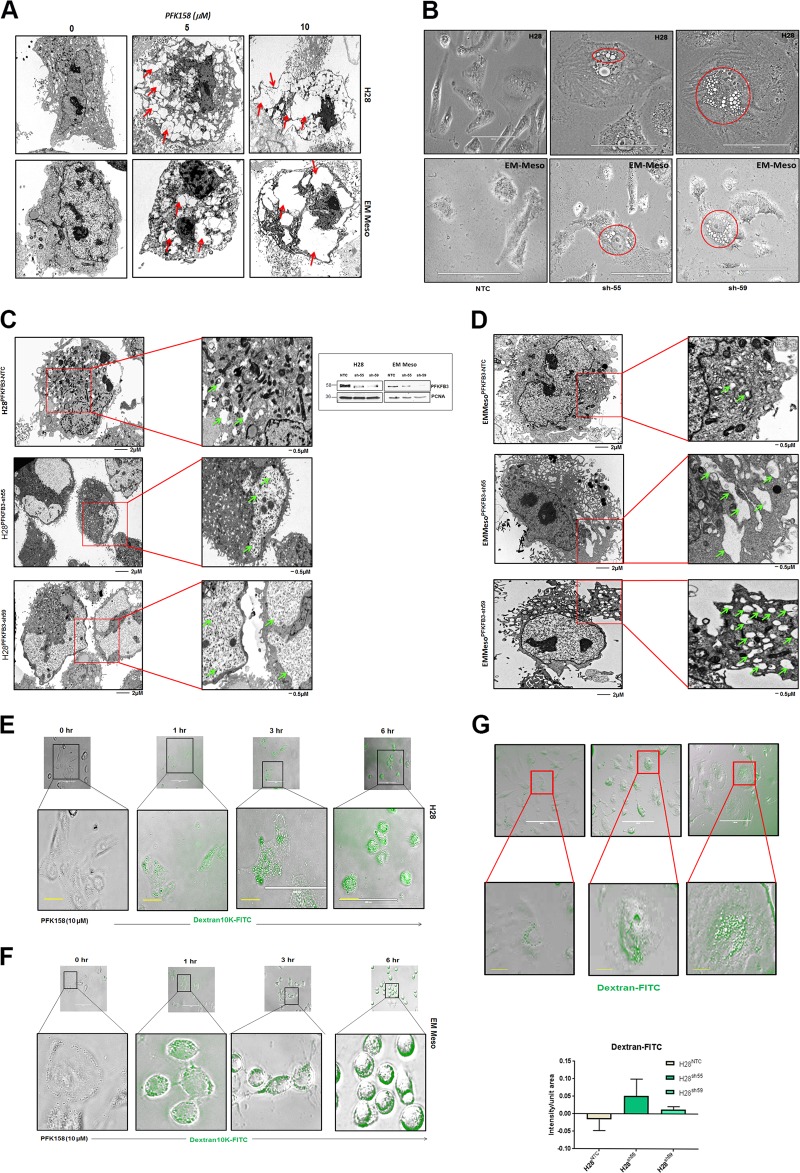
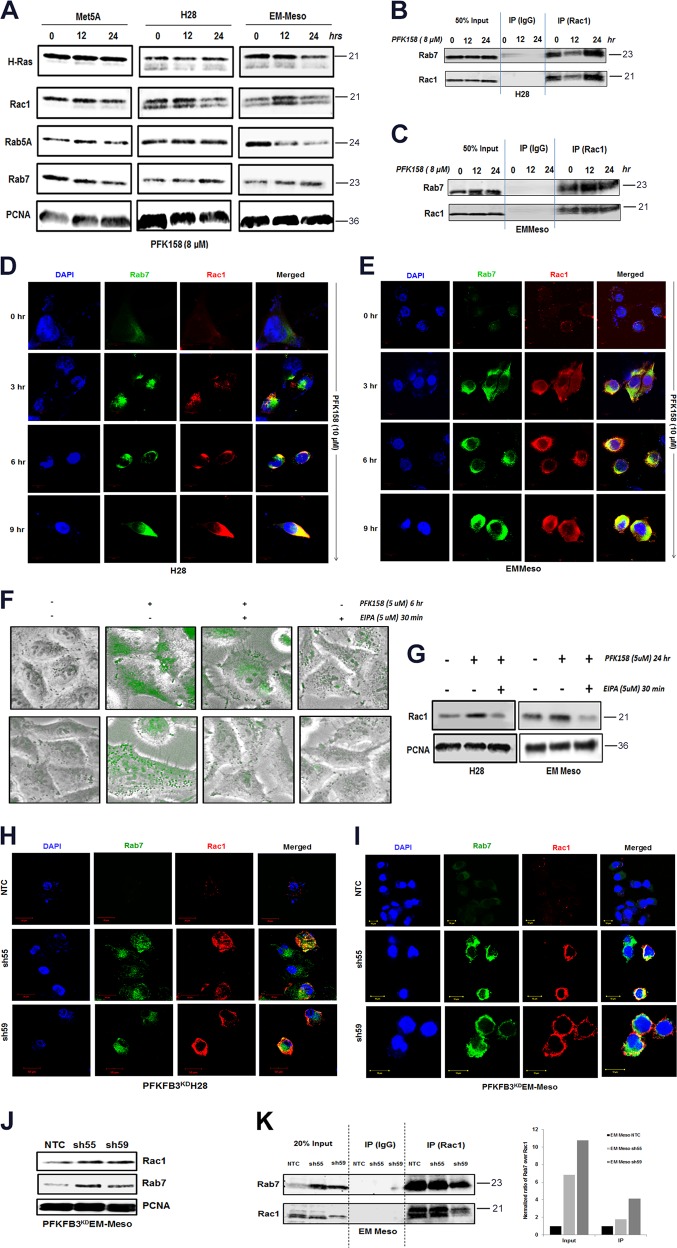
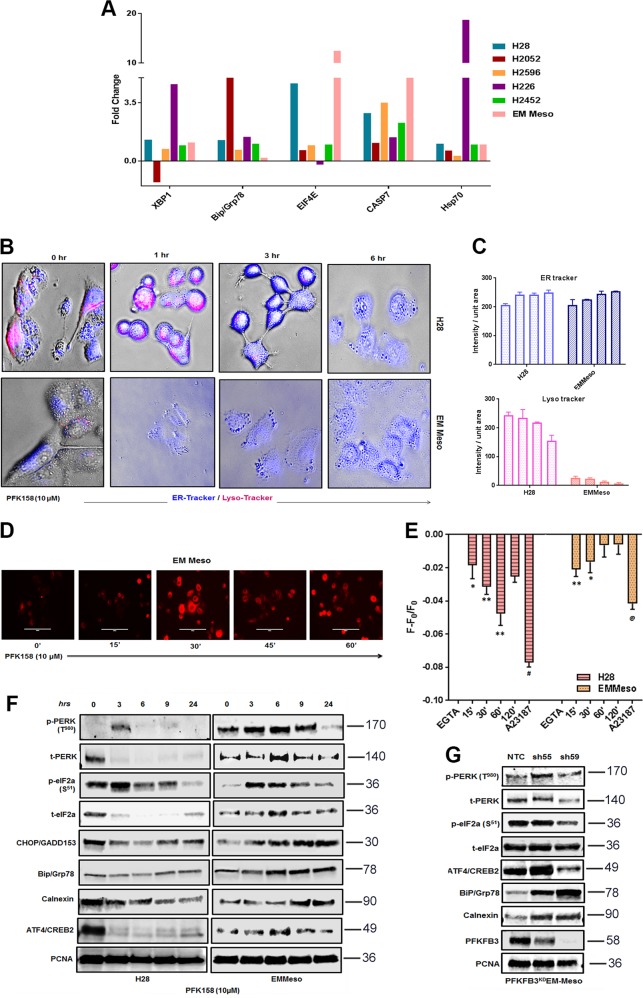
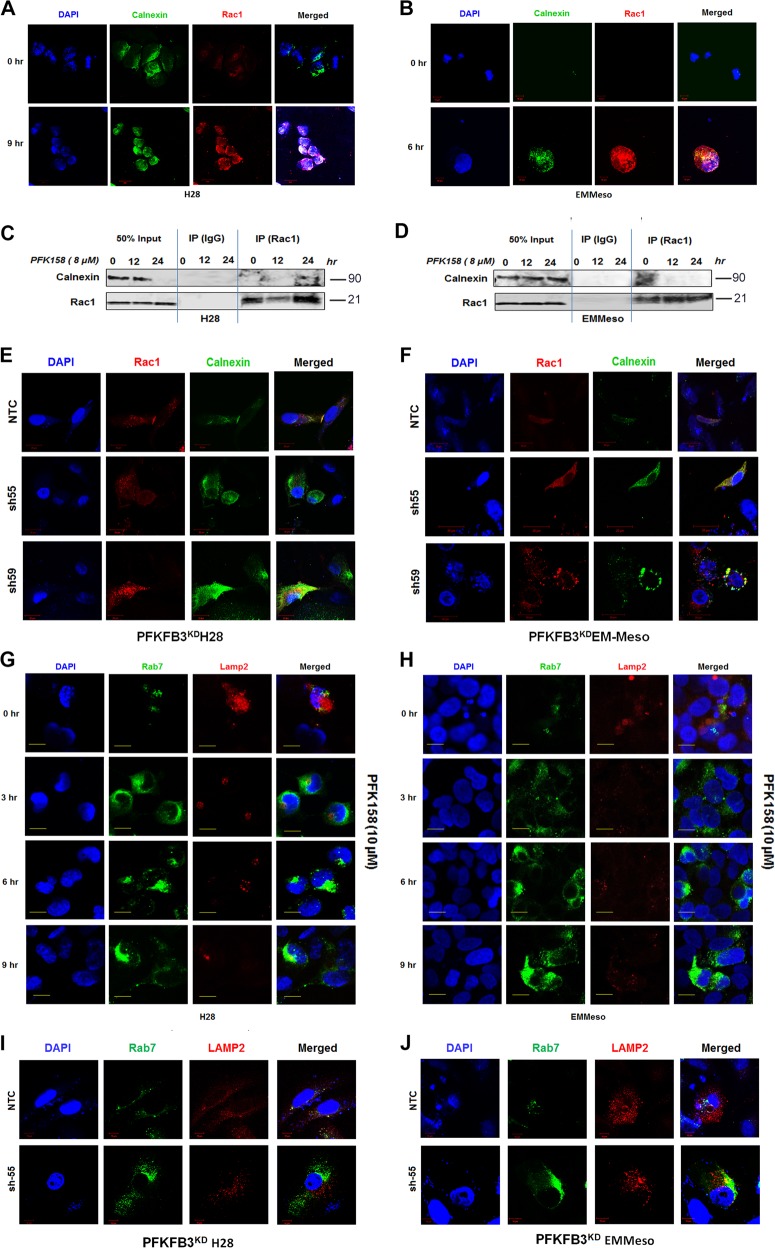
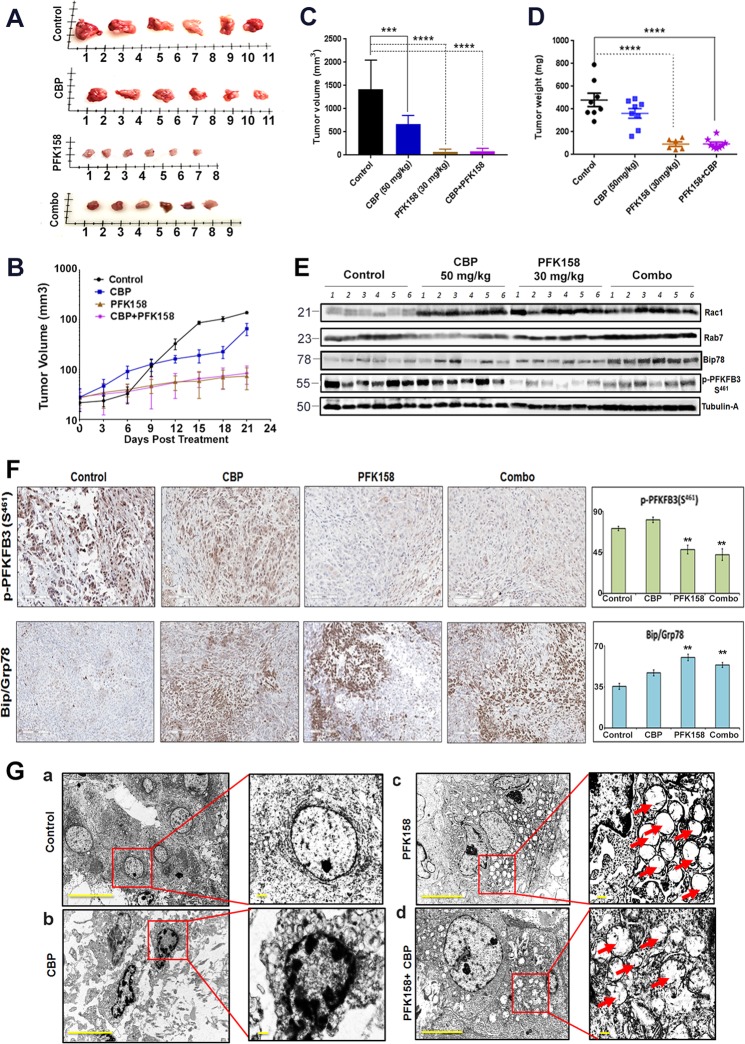
The metabolic signatures of cancer cells are often associated with elevated glycolysis. Pharmacological (PFK158 treatment) and genetic inhibition of 6-phosphofructo-2-kinase/fructose-2,6-biphosphatase 3 (PFKFB3), a critical control point in the glycolytic pathway, decreases glucose uptake, ATP production, and lactate dehydrogenase activity and arrests malignant pleural mesothelioma (MPM) cells in the G0/G1 phase to induce cell death. To overcome this nutrient stress, inhibition of PFKFB3 activity led to an escalation in endoplasmic reticulum (ER) activity and aggravated ER stress mostly by upregulating BiP and GADD153 expression and activation of the endocytic Rac1-Rab5-Rab7 pathway resulting in a unique form of cell death called "methuosis" in both the sarcomatoid (H28) and epithelioid (EMMeso) cells. Transmission electron microscopy (TEM) analysis showed the formation of nascent macropinocytotic vesicles, which rapidly coalesced to form large vacuoles with compromised lysosomal function. Both immunofluorescence microscopy and co-immunoprecipitation analyses revealed that upon PFKFB3 inhibition, two crucial biomolecules of each pathway, Rac1 and Calnexin interact with each other. Finally, PFK158 alone and in combination with carboplatin-inhibited tumorigenesis of EMMeso xenografts in vivo. Since most cancer cells exhibit an increased glycolytic rate, these results provide evidence for PFK158, in combination with standard chemotherapy, may have a potential in the treatment of MPM.
癌细胞的代谢特征通常与糖酵解的升高有关。通过药理学(PFK158 治疗)和遗传抑制 6-磷酸果糖-2-激酶/果糖-2,6-二磷酸酶 3(PFKFB3),即糖酵解途径的关键控制点,可以降低葡萄糖摄取、ATP 产生和乳酸脱氢酶活性,并将恶性胸膜间皮瘤(MPM)细胞阻滞在 G0/G1 期以诱导细胞死亡。为了克服这种营养应激,PFKFB3 活性的抑制导致内质网(ER)活性的加剧,并且主要通过上调 BiP 和 GADD153 的表达以及激活内吞 Rac1-Rab5-Rab7 途径来加剧 ER 应激,导致一种独特的细胞死亡形式,称为“溶酶体增大性细胞死亡”,在肉瘤样(H28)和上皮样(EMMeso)细胞中均有发生。透射电子显微镜(TEM)分析显示新生的大胞饮泡的形成,这些泡迅速融合形成大的空泡,溶酶体功能受损。免疫荧光显微镜和共免疫沉淀分析均表明,在 PFKFB3 抑制后,每个途径的两个关键生物分子 Rac1 和钙连蛋白相互作用。最后,PFK158 单独以及与卡铂联合抑制 EMMeso 异种移植物的体内肿瘤发生。由于大多数癌细胞表现出增加的糖酵解速率,这些结果为 PFK158 提供了证据,与标准化疗联合使用,可能在 MPM 的治疗中具有潜力。