Sun Siman, Osterman Michael D, Li Mo
Center for Reproductive Medicine, Peking University Third Hospital, Beijing 100191, China.
Beijing Key Laboratory of Reproductive Endocrinology and Assisted Reproductive Technology, Peking University Third Hospital, Beijing 100191, China.
Cancer Biol Med. 2019 Aug;16(3):396-414. doi: 10.20892/j.issn.2095-3941.2019.0097.
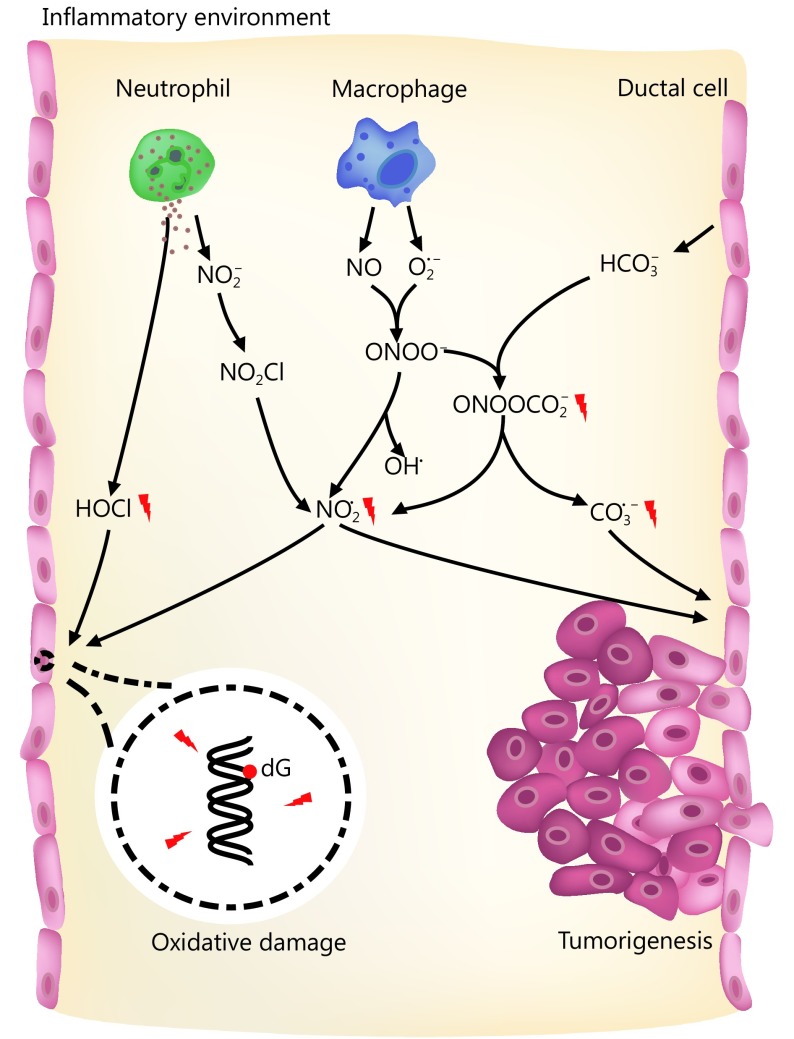
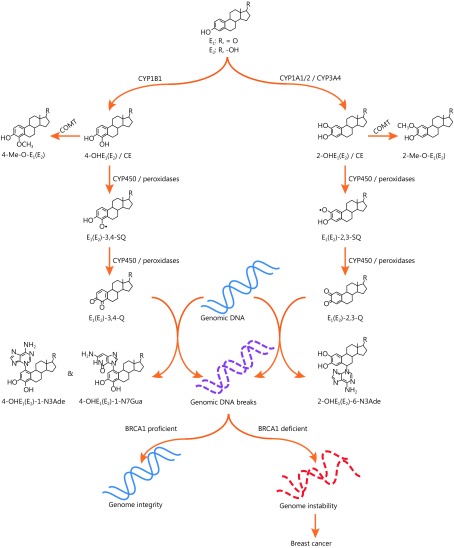
The genome of cells is constantly challenged by DNA damages from endogenous metabolism and environmental agents. These damages could potentially lead to genomic instability and thus to tumorigenesis. To cope with the threats, cells have evolved an intricate network, namely DNA damage response (DDR) system that senses and deals with the lesions of DNA. Although the DDR operates by relatively uniform principles, different tissues give rise to distinct types of DNA damages combined with high diversity of microenvironments across tissues. In this review, we discuss recent findings on specific DNA damage among different tissues as well as the main DNA repair way in corresponding microenvironments, highlighting tissue specificity of DDR and tumorigenesis. We hope the current review will provide further insights into molecular process of tumorigenesis and generate new strategies for cancer treatment.
细胞的基因组不断受到内源性代谢和环境因素造成的DNA损伤的挑战。这些损伤可能会导致基因组不稳定,进而引发肿瘤发生。为应对这些威胁,细胞进化出了一个复杂的网络,即DNA损伤反应(DDR)系统,该系统能够感知并处理DNA损伤。尽管DDR以相对统一的原则运行,但不同组织会产生不同类型的DNA损伤,且各组织的微环境具有高度多样性。在本综述中,我们讨论了不同组织中特定DNA损伤的最新研究结果以及相应微环境中的主要DNA修复方式,强调了DDR和肿瘤发生的组织特异性。我们希望当前的综述能为肿瘤发生的分子过程提供进一步的见解,并为癌症治疗产生新的策略。