Borrego-Soto Gissela, Ortiz-López Rocío, Rojas-Martínez Augusto
Departamento de Bioquímica y Medicina Molecular, Facultad de Medicina, Universidad Autónoma de Nuevo León, Monterrey, Nuevo León, Mexico.
Genet Mol Biol. 2015 Dec;38(4):420-32. doi: 10.1590/S1415-475738420150019. Epub 2015 Nov 24.
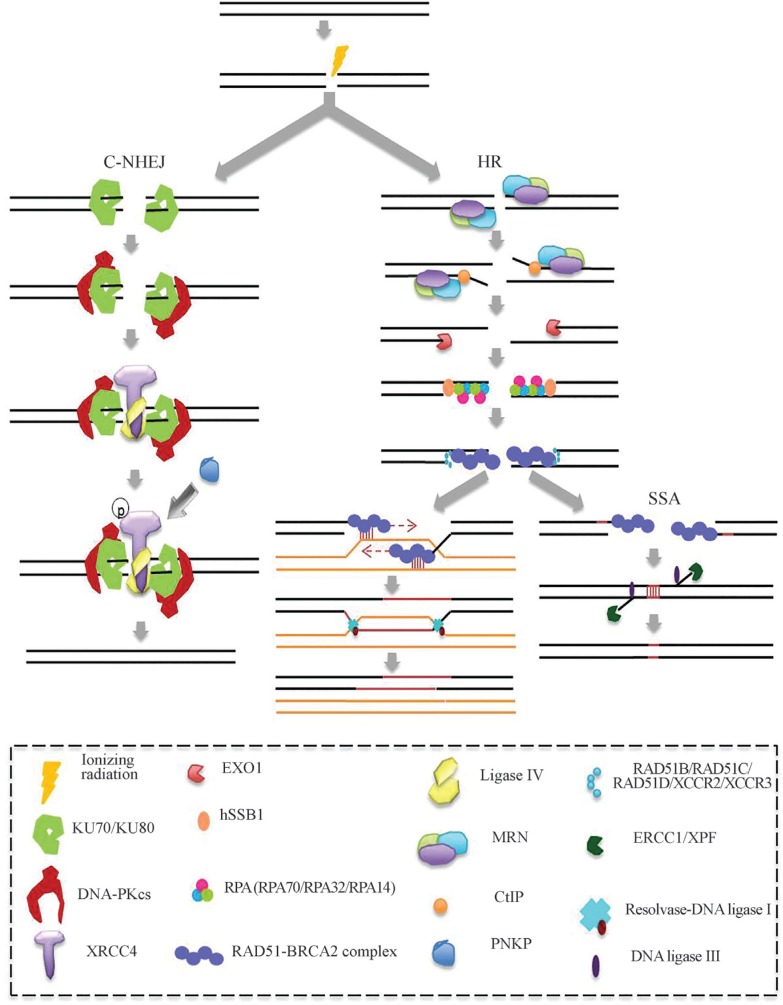
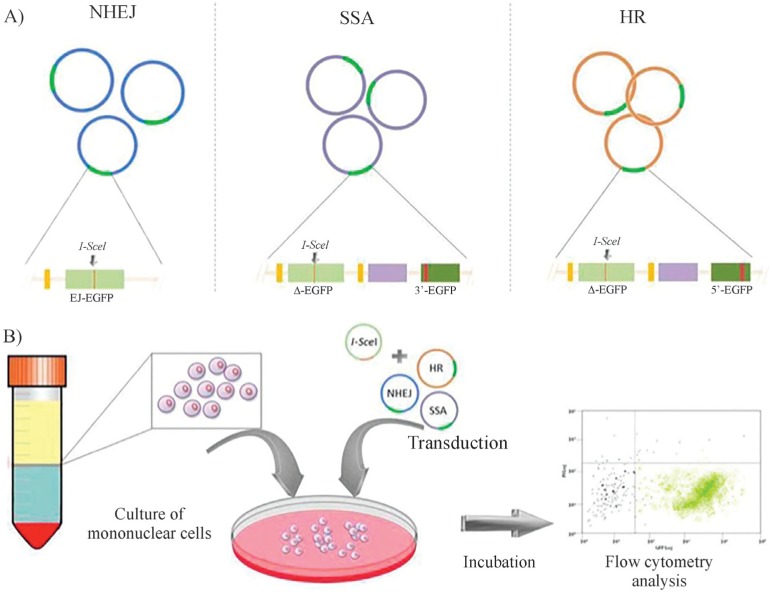
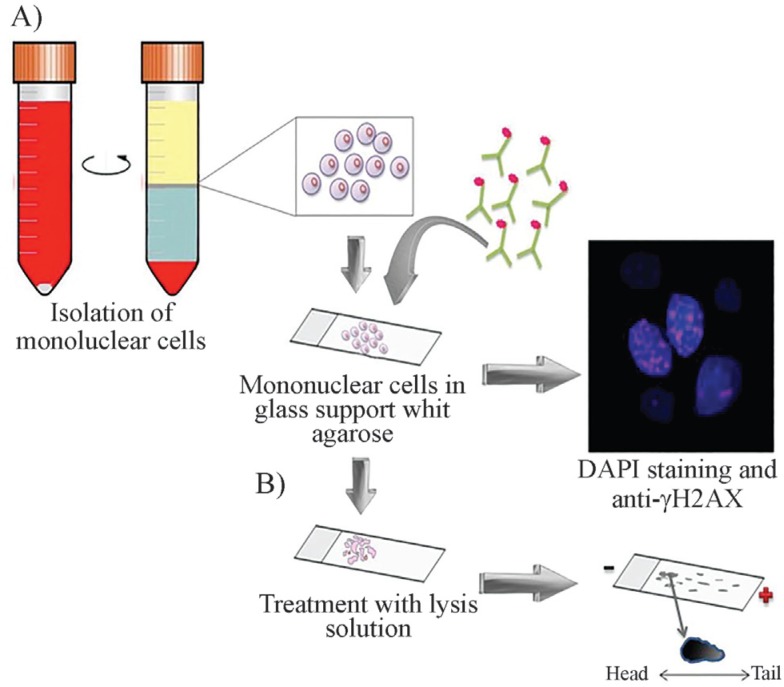
Breast cancer is the most common malignancy in women. Radiotherapy is frequently used in patients with breast cancer, but some patients may be more susceptible to ionizing radiation, and increased exposure to radiation sources may be associated to radiation adverse events. This susceptibility may be related to deficiencies in DNA repair mechanisms that are activated after cell-radiation, which causes DNA damage, particularly DNA double strand breaks. Some of these genetic susceptibilities in DNA-repair mechanisms are implicated in the etiology of hereditary breast/ovarian cancer (pathologic mutations in the BRCA 1 and 2 genes), but other less penetrant variants in genes involved in sporadic breast cancer have been described. These same genetic susceptibilities may be involved in negative radiotherapeutic outcomes. For these reasons, it is necessary to implement methods for detecting patients who are susceptible to radiotherapy-related adverse events. This review discusses mechanisms of DNA damage and repair, genes related to these functions, and the diagnosis methods designed and under research for detection of breast cancer patients with increased radiosensitivity.
乳腺癌是女性中最常见的恶性肿瘤。放射治疗常用于乳腺癌患者,但有些患者可能对电离辐射更敏感,接触辐射源增加可能与辐射不良事件有关。这种易感性可能与细胞受辐射后激活的DNA修复机制缺陷有关,辐射会导致DNA损伤,尤其是DNA双链断裂。DNA修复机制中的一些遗传易感性与遗传性乳腺癌/卵巢癌的病因有关(BRCA 1和2基因的病理性突变),但也有文献描述了散发性乳腺癌相关基因中的其他低外显率变异。这些相同的遗传易感性可能与放疗负面结果有关。基于这些原因,有必要实施检测易发生放疗相关不良事件患者的方法。本文综述讨论了DNA损伤和修复机制、与这些功能相关的基因,以及为检测放射敏感性增加的乳腺癌患者而设计和正在研究的诊断方法。