Laughlin Brady, Scott Aaron, Goyal Uma
Radiation Oncology, University of Arizona Cancer Center, Tucson, USA.
Hematology and Oncology, University of Arizona Cancer Center, Tucson, USA.
Cureus. 2019 Jul 23;11(7):e5214. doi: 10.7759/cureus.5214.
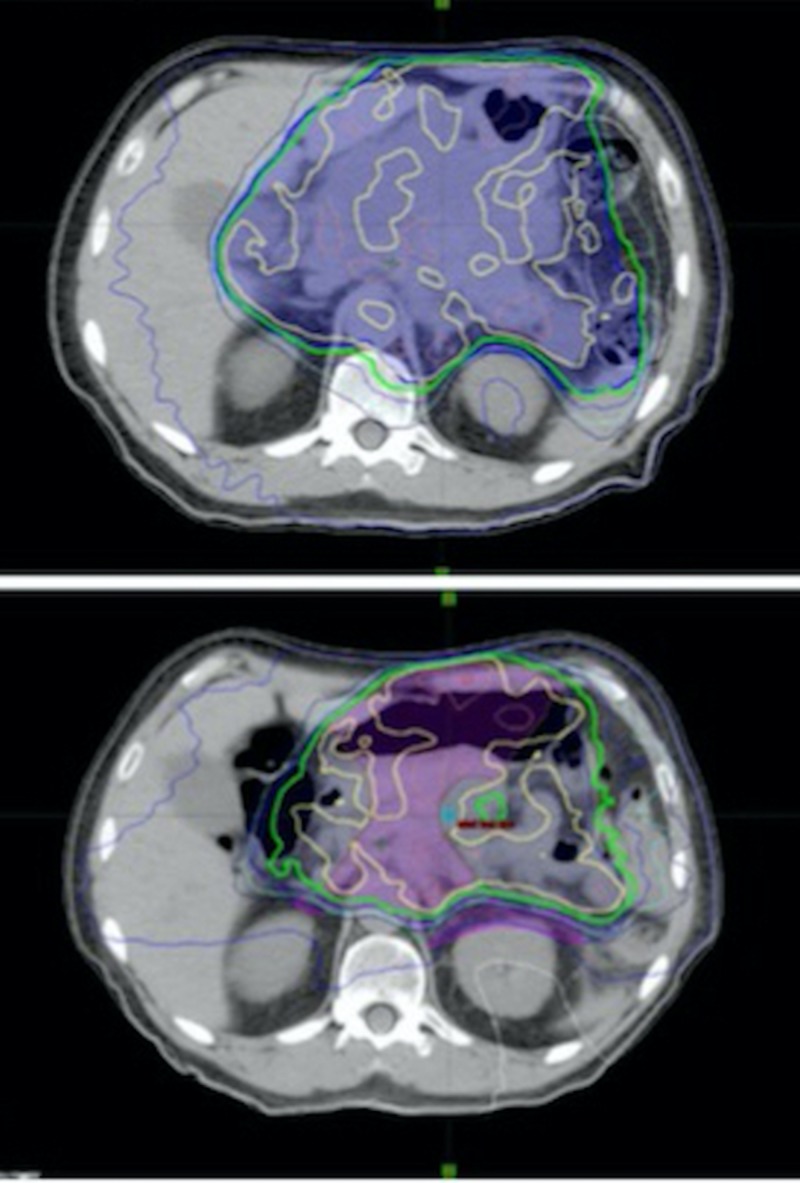
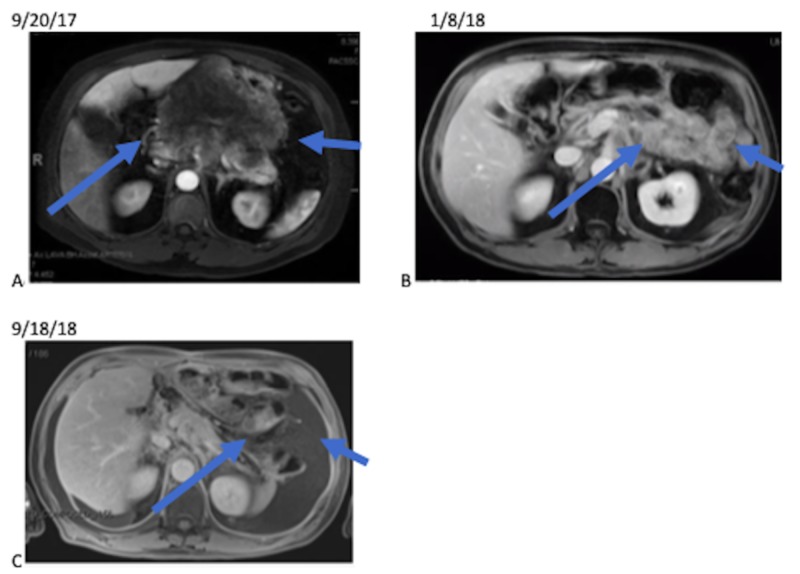
Neuroendocrine tumors are about 0.5% of all malignancies. Specifically, for gastrointestinal (GI) malignancies, neuroendocrine tumor incidence is approximately 1%-2% per year. Gastric neuroendocrine neoplasms are rare and consist of various tumor types with differing histomorphology, pathogenesis, and biological behavior. Following surgery, post-operative chemotherapy is generally considered the standard of care. Our case report demonstrates the potential benefit of neoadjuvant concurrent chemoradiotherapy prior to surgery for a malignant gastric neuroendocrine tumor. While radiotherapy has been demonstrated to possibly provide a survival benefit in the treatment of GI neuroendocrine tumors, its use in treatment, particularly neoadjuvantly, needs to be further assessed.
神经内分泌肿瘤约占所有恶性肿瘤的0.5%。具体而言,在胃肠道(GI)恶性肿瘤中,神经内分泌肿瘤的发病率约为每年1%-2%。胃神经内分泌肿瘤较为罕见,由多种具有不同组织形态学、发病机制和生物学行为的肿瘤类型组成。手术后,术后化疗通常被视为标准治疗方案。我们的病例报告显示了术前新辅助同步放化疗对恶性胃神经内分泌肿瘤的潜在益处。虽然放疗已被证明在胃肠道神经内分泌肿瘤的治疗中可能提供生存益处,但其在治疗中的应用,尤其是新辅助应用,仍需进一步评估。