Post Christina M, Boule Lisbeth A, Burke Catherine G, O'Dell Colleen T, Winans Bethany, Lawrence B Paige
Department of Environmental Medicine, University of Rochester School of Medicine & Dentistry, Rochester, NY 14642, USA.
Department of Environmental Medicine, University of Rochester School of Medicine & Dentistry, Rochester, NY 14642, USA; Department of Microbiology & Immunology, University of Rochester School of Medicine & Dentistry, Rochester, NY 14642, USA.
iScience. 2019 Oct 25;20:168-183. doi: 10.1016/j.isci.2019.09.014. Epub 2019 Sep 14.
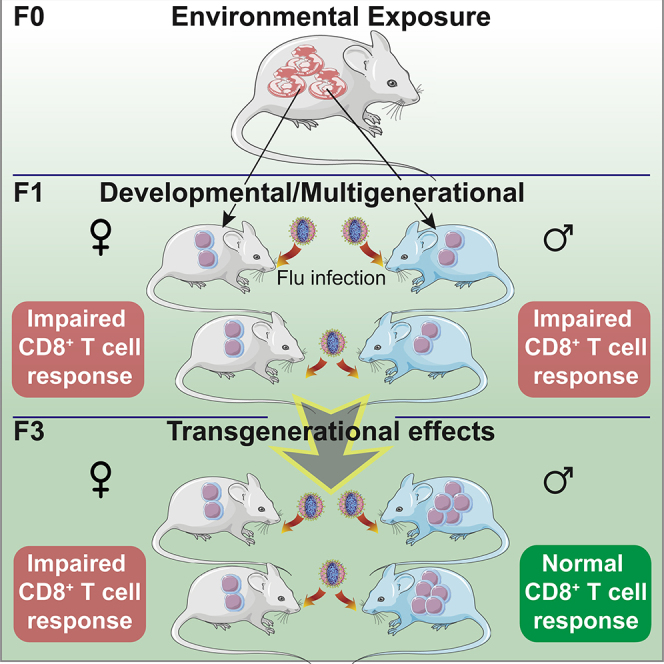
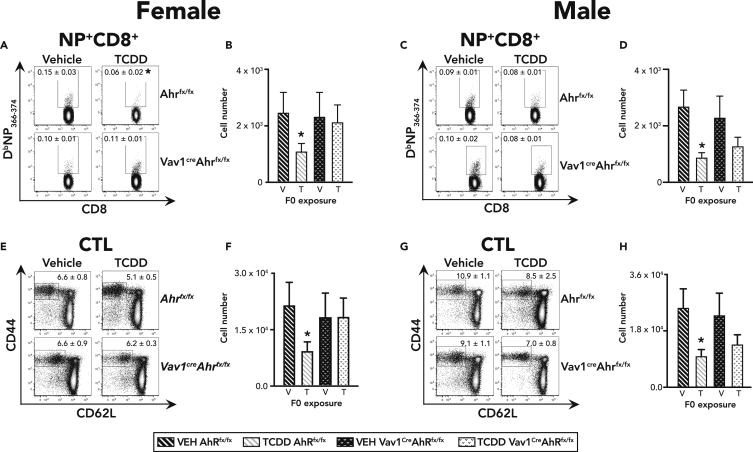
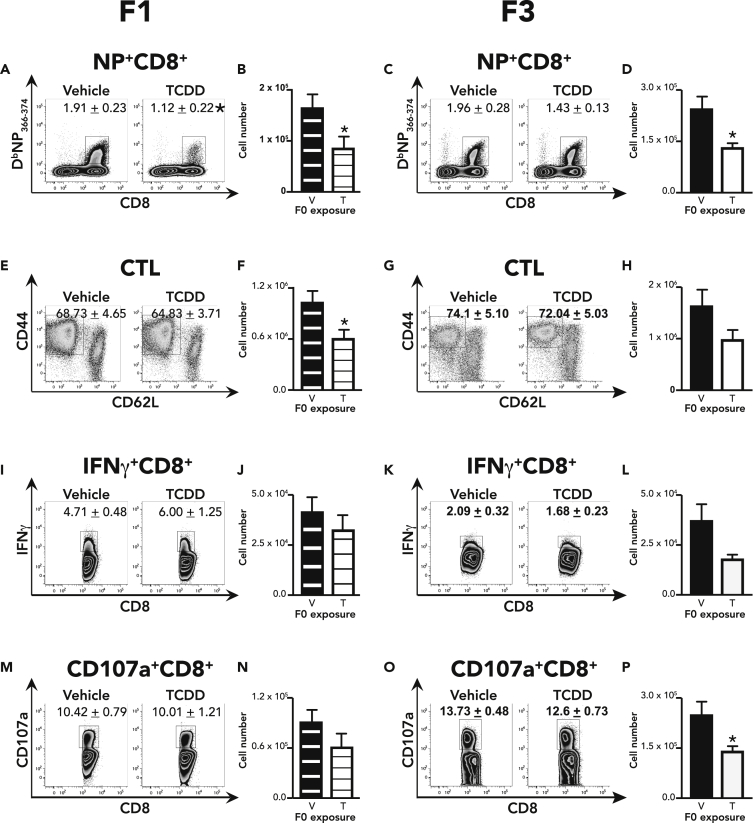
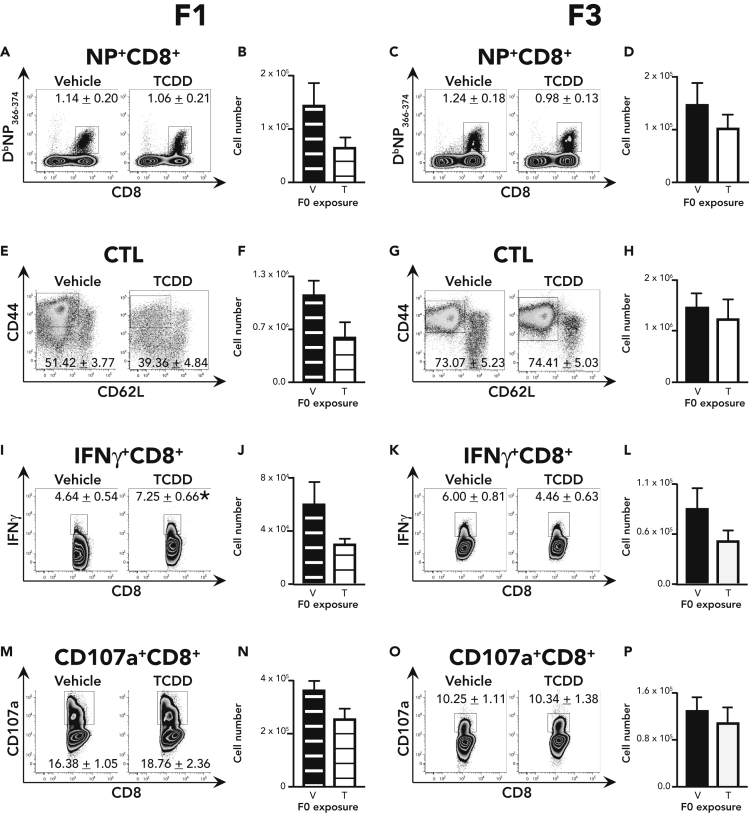
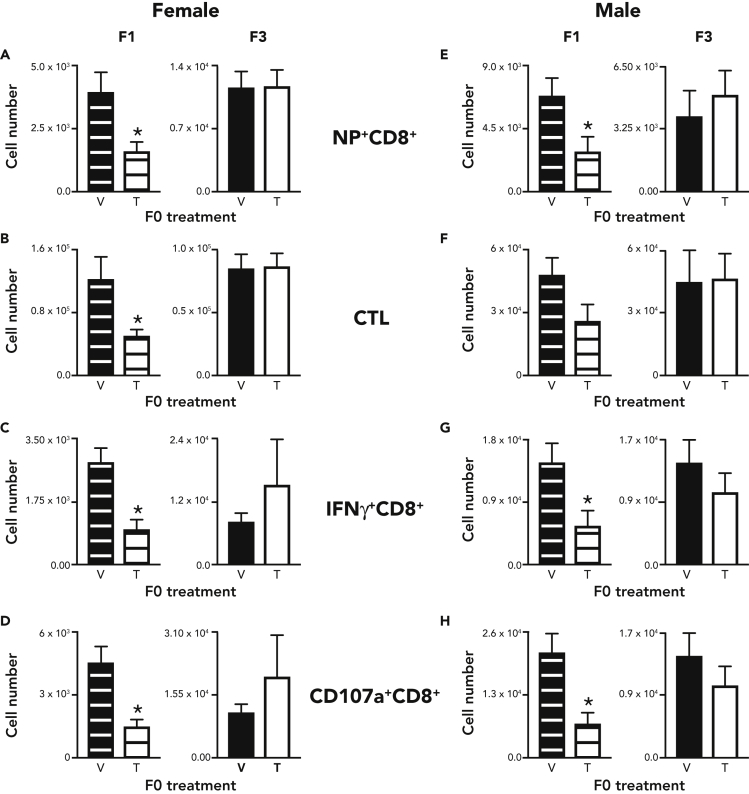
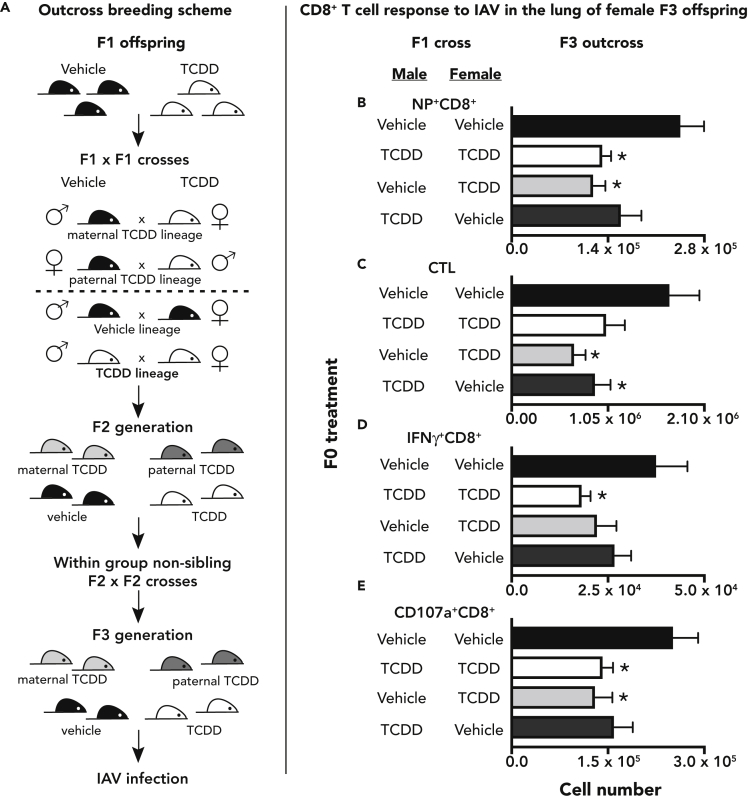
Recent studies have linked health fates of children to environmental exposures of their great grandparents. However, few studies have considered whether ancestral exposures influence immune function across generations. Here, we report transgenerational inheritance of altered T cell responses resulting from maternal (F0) exposure to the aryl hydrocarbon receptor ligand 2,3,7,8-tetrachlorodibenzo-p-dioxin (TCDD). Since F0 exposure to TCDD has been linked to transgenerational transmission of reproductive problems, we asked whether maternal TCDD exposure also caused transgenerational changes in immune function. F0 exposure caused transgenerational effects on the CD8 T cell response to influenza virus infection in females but not in males. Outcrosses showed changes were passed through both parental lineages. These data demonstrate that F0 exposure to an aryl hydrocarbon receptor (AHR) agonist causes durable changes to immune responses that can affect subsequent generations. This has broad implications for understanding how the environment of prior generations shapes susceptibility to pathogens and antiviral immunity in later generations.
近期研究已将儿童的健康命运与他们曾祖父母的环境暴露联系起来。然而,很少有研究考虑过祖辈暴露是否会跨代影响免疫功能。在此,我们报告了母体(F0)暴露于芳烃受体配体2,3,7,8-四氯二苯并对二恶英(TCDD)后导致的T细胞反应改变的跨代遗传现象。由于F0暴露于TCDD已与生殖问题的跨代传递有关,我们询问母体TCDD暴露是否也会引起免疫功能的跨代变化。F0暴露对雌性而非雄性的CD8 T细胞对流感病毒感染的反应产生了跨代影响。杂交显示这些变化通过双亲谱系传递。这些数据表明,F0暴露于芳烃受体(AHR)激动剂会导致免疫反应的持久变化,进而可能影响后代。这对于理解前代环境如何塑造后代对病原体的易感性和抗病毒免疫力具有广泛意义。