Department of Radiology, University Hospital, LMU Munich, Marchioninistrasse 15, Munich, Germany.
Eurofins Genomics Europe Sequencing GmbH, Constance, Germany.
J Transl Med. 2019 Oct 1;17(1):328. doi: 10.1186/s12967-019-2079-9.
Liquid biopsy based on cell-free DNA circulating in plasma has shown solid results as a non-invasive biomarker. In the present study we evaluated the utility of circulating free DNA (cfDNA) and the sub-type tumor DNA (ctDNA) in hepatocellular cancer (HCC) patients to assess therapy response and clinical outcome.
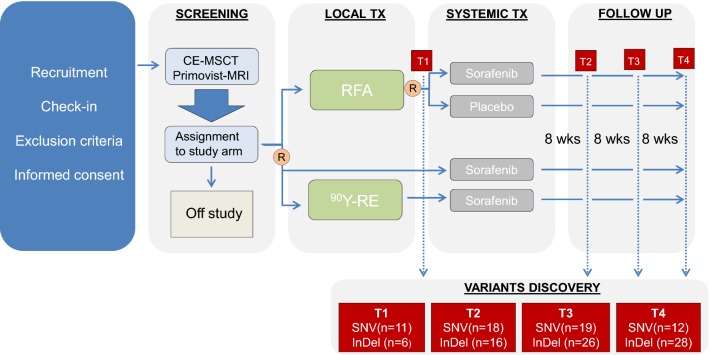
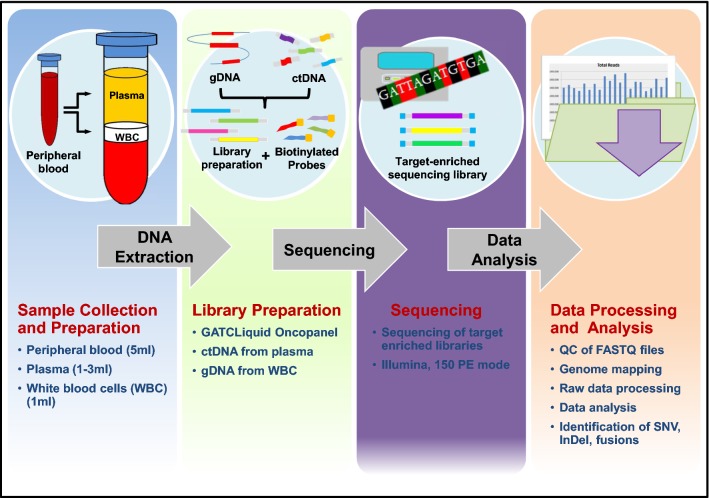
A cohort of 13 patients recruited in the context of the SORAMIC trial with unresectable, advanced HCC and different etiological and clinicopathological characteristics was included in this exploratory study. Plasma samples were collected between liver micro-intervention and beginning of sorafenib-based systemic therapy and then in correspondence of three additional follow-ups. DNA was isolated from plasma and next generation sequencing (NGS) was performed on a panel of 597 selected cancer-relevant genes.
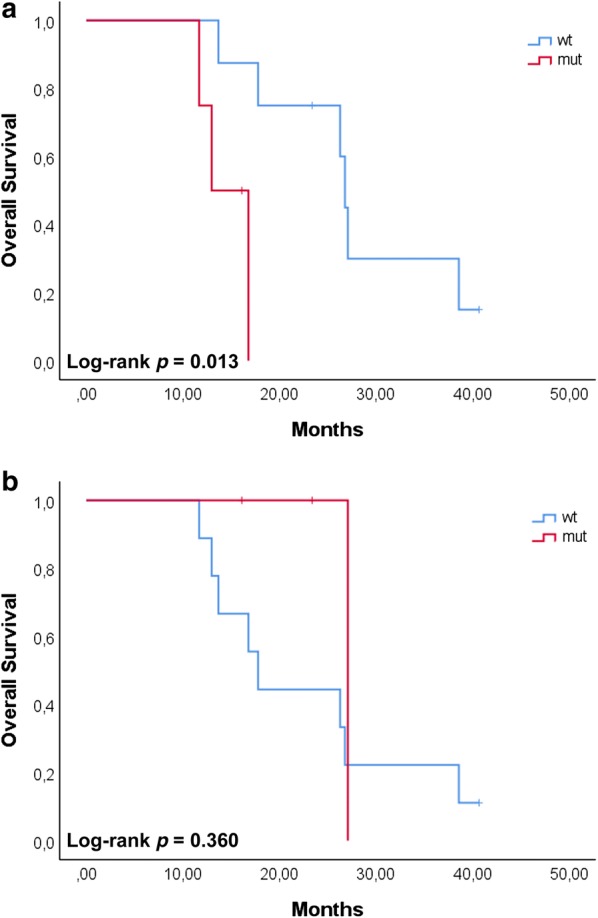
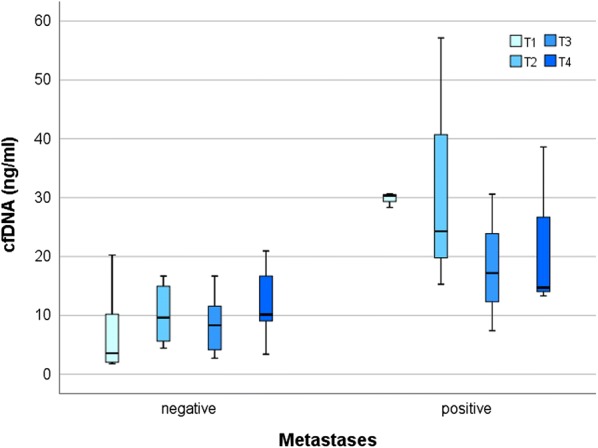
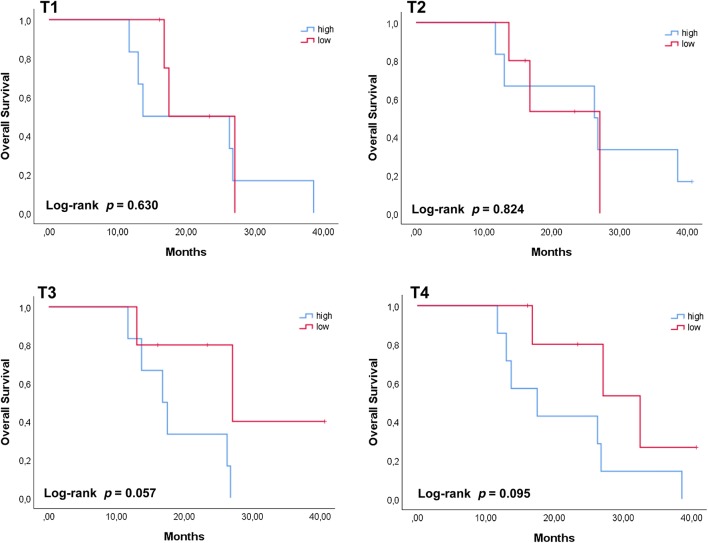
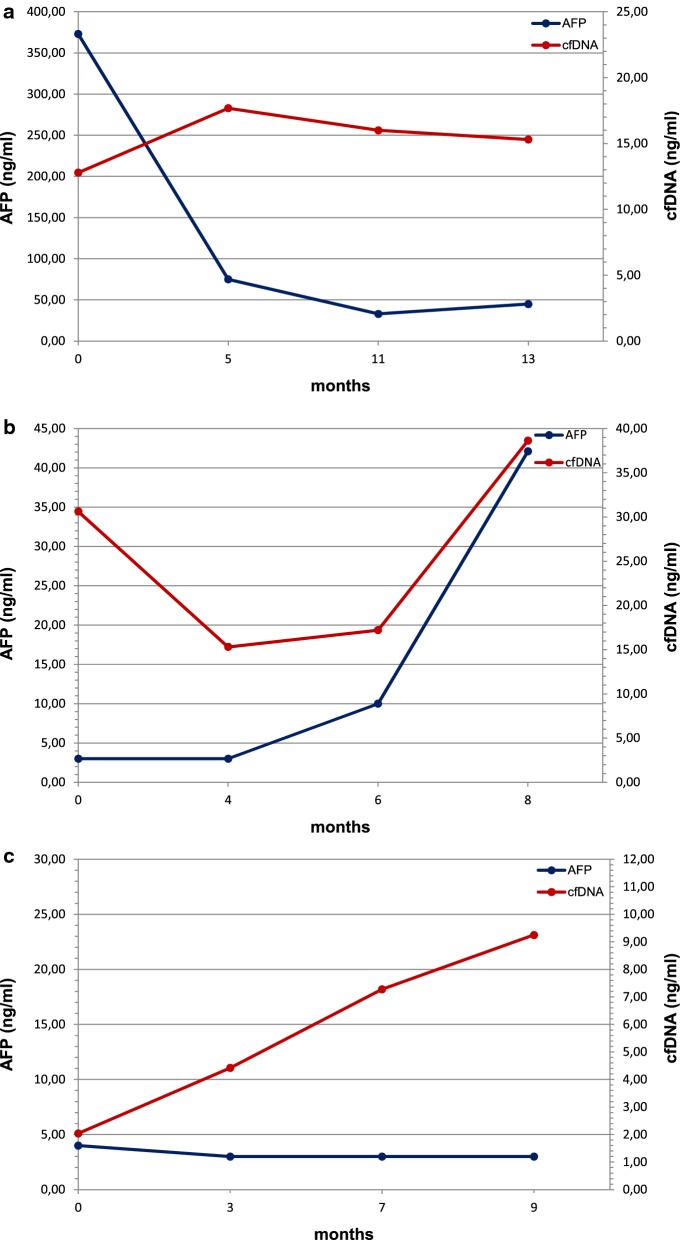
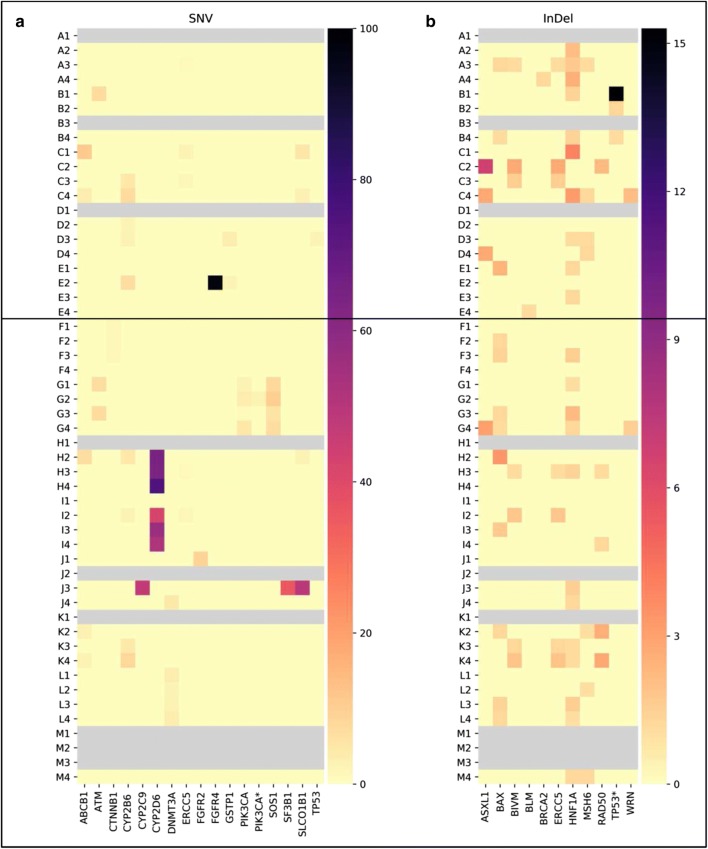
cfDNA levels showed a significant correlation with the presence of metastases and survival. In addition cfDNA kinetic over time revealed a trend with the clinical history of the patients, supporting its use as a biomarker to monitor therapy. NGS-based analysis on ctDNA identified 28 variants, detectable in different combinations at the different time points. Among the variants, HNF1A, BAX and CYP2B6 genes showed the highest mutation frequency and a significant association with the patients' clinicopathological characteristics, suggesting a possible role as driver genes in this specific clinical setting.
Taken together, the results support the prognostic value of cfDNA/ctDNA in advanced HCC patients with the potential to predict therapy response. These findings support the clinical utility of liquid biopsy in advanced HCC improving individualized therapy and possible earlier identification of treatment responders.
基于血浆中游离循环 DNA 的液体活检已作为一种非侵入性生物标志物显示出可靠的结果。在本研究中,我们评估了游离循环 DNA(cfDNA)和肿瘤亚类型 DNA(ctDNA)在肝细胞癌(HCC)患者中的效用,以评估治疗反应和临床结果。
本探索性研究纳入了 SORAMIC 试验背景下的 13 名不可切除的晚期 HCC 患者,这些患者具有不同的病因学和临床病理特征。在肝微介入和开始基于索拉非尼的系统治疗之间采集血浆样本,然后在另外三次随访时采集样本。从血浆中提取 DNA,并对 597 个选定的与癌症相关的基因进行下一代测序(NGS)。
cfDNA 水平与转移的存在和生存显著相关。此外,cfDNA 的随时间变化的趋势与患者的临床病史相关,支持其作为监测治疗的生物标志物的使用。基于 ctDNA 的 NGS 分析鉴定了 28 个变体,这些变体可在不同时间点以不同的组合检测到。在这些变体中,HNF1A、BAX 和 CYP2B6 基因显示出最高的突变频率,并与患者的临床病理特征显著相关,表明它们在这种特定临床环境中可能作为驱动基因发挥作用。
总之,这些结果支持 cfDNA/ctDNA 在晚期 HCC 患者中的预后价值,有可能预测治疗反应。这些发现支持液体活检在晚期 HCC 中的临床应用,可改善个体化治疗并可能更早地识别治疗反应者。